Gangnam Station Thread Lift Price: What Really Decides the Cost?
- 공유 링크 만들기
- X
- 이메일
- 기타 앱

Direct answer: Gangnam Station thread lift price range
If you are searching for Gangnam Station thread lift price, it is natural to want a clear number. However, there is no single flat fee that applies to everyone. Around Gangnam Station and in Seocho-gu, thread lifting prices vary widely depending on the type and brand of threads, how many are used, which facial areas are treated, and the clinic’s safety system and medical staff.
A non-incisional facial thread lift near Gangnam Station can range from a relatively simple partial lower-face lift with a few threads to a full-face and neck plan using multiple premium threads combined with other anti-aging treatments. Because of this, most reputable clinics will only give an exact quote after an in-person or detailed online consultation.
This guide explains what affects thread lifting cost near Gangnam Station, what to ask before you book, and how a clinic like KODI PLASTIC SURGERY approaches non-incisional thread lifting for overseas patients.
What is non-incisional thread lifting?
Thread lifting is a minimally invasive anti-aging procedure that uses dissolvable threads placed under the skin to lift sagging tissue and stimulate collagen production. Instead of a long incision like in a full surgical facelift, non-incisional thread lifting is performed through tiny entry points using a fine needle or cannula.
The threads have small barbs or cogs that catch and support the tissue. When the surgeon gently tightens and anchors them, the skin and underlying soft tissue are lifted. Over time, the threads gradually dissolve, but they leave behind new collagen that helps maintain improved contour and some skin tightening.
Common treatment areas include the jawline, nasolabial folds, marionette lines, midface and cheeks, lower face, and in some cases the neck or eyebrow area.
Who may consider a thread lift near Gangnam Station?
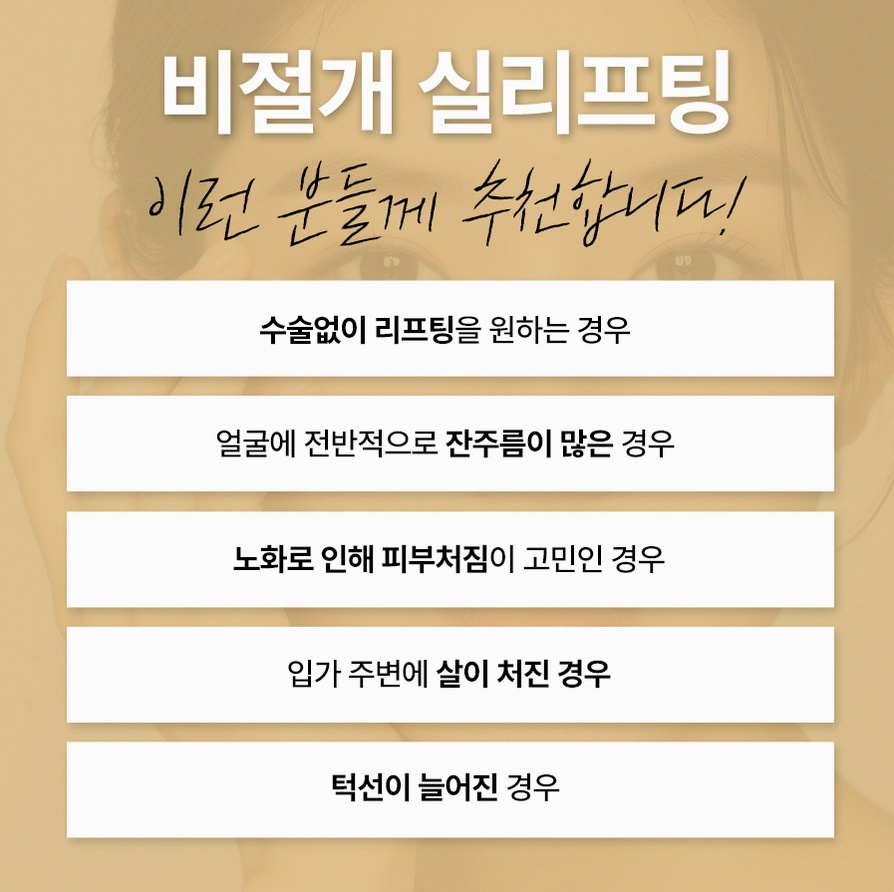
Non-incisional thread lifting can be considered if you:
Have mild to moderate sagging in the midface, jawline, or lower face.
Notice deepening nasolabial folds or marionette lines.
Want a sharper jawline without a full surgical facelift.
Prefer a shorter recovery time compared with classic facelift surgery.
Are open to a result that lasts about 1–2 years rather than a permanent change.
People with very heavy skin laxity or significant excess skin may be better suited to a mini lifting or full facelift, sometimes combined with thread lifting. A detailed consultation is needed to decide which approach is more appropriate.
Thread lifting near Gangnam Station and Seocho-gu
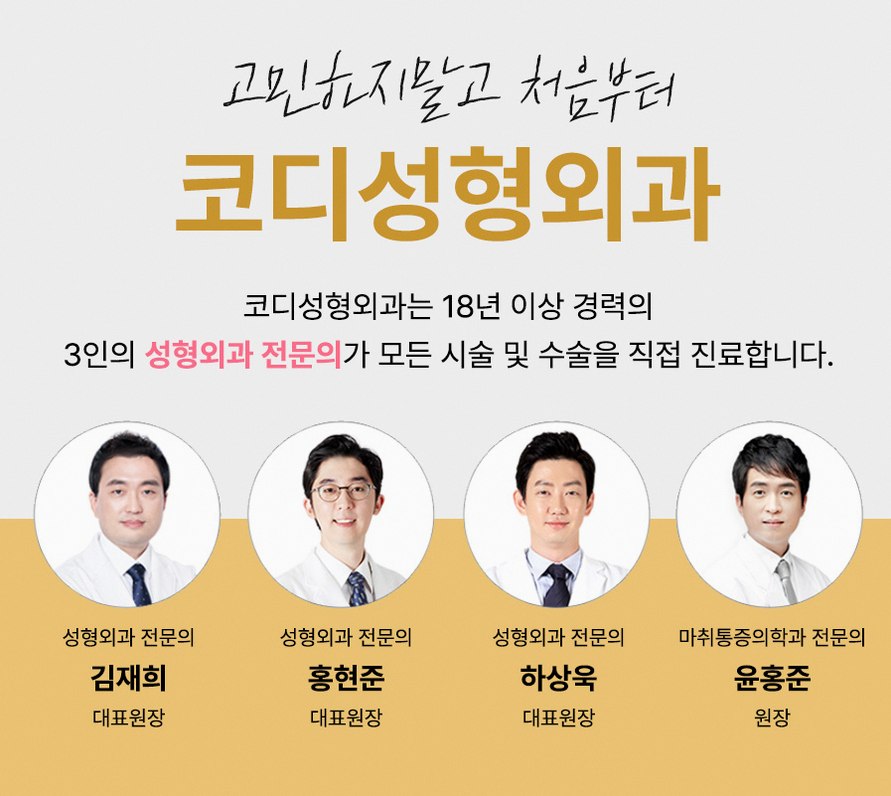
Gangnam Station is a major hub in Seoul, and many clinics along Gangnam-daero in Seocho-gu offer thread lifting as part of their anti-aging services. KODI PLASTIC SURGERY is located on the 13th floor of Tongyeong Building on Gangnam-daero, within walking distance of Gangnam Station, which is convenient if you are using the subway.
Although the clinic’s overall focus includes eye surgery and filler procedures, it also provides non-incisional thread lifting, mini lifting, and facelift as part of a broader anti-aging program. For international patients, it can be helpful that the clinic operates English, Chinese, and Japanese web pages, making communication and pre-visit planning easier.
Gangnam Station thread lift price range: what really affects the cost
When you compare Gangnam Station thread lift price range, keep in mind that the following factors usually decide the fee more than the clinic’s address alone.
Thread type and brand
Different thread materials have different characteristics and price levels.
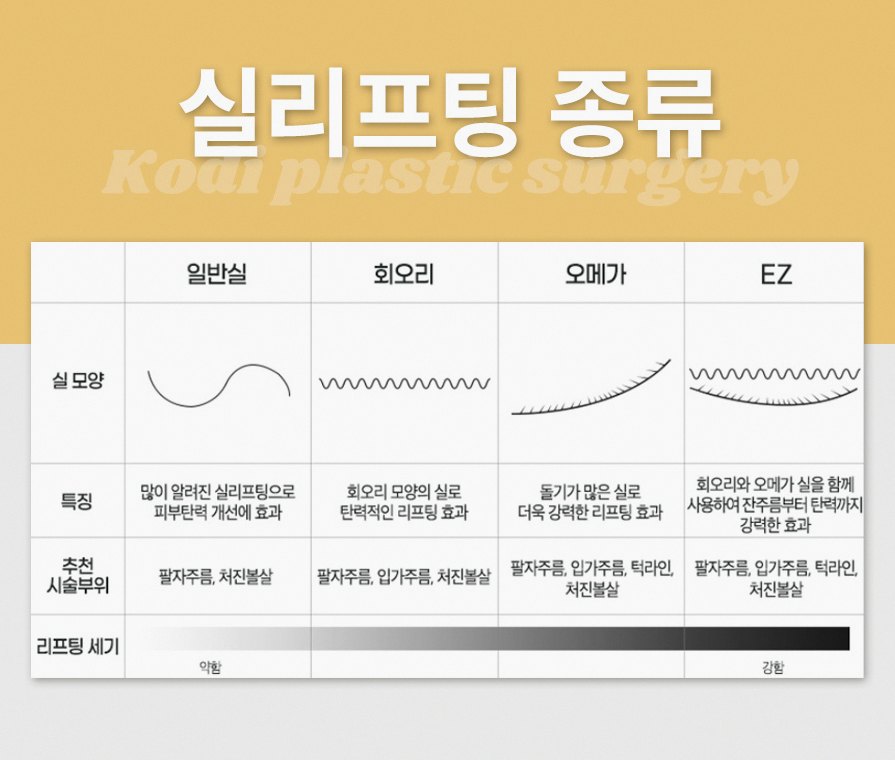
PDO threads: Commonly used, generally more affordable, with effects that usually last around 1 year.
PLLA or PCL threads: Often designed for longer-lasting support and collagen stimulation, and may be priced higher.
Cog or barbed threads: Used for lifting and repositioning sagging tissue.
Smooth or mono threads: Often used more for collagen boosting and fine lines than for strong lifting.
Premium brands, advanced designs, and threads with stronger lifting capacity tend to increase the overall cost.
Number of threads used
The more threads used, the higher the price. A small partial lower-face lift might use a limited number of lifting threads, while a full-face or face-plus-neck plan can require many more.
Patients with more pronounced sagging or a desire for a stronger lifting effect often need additional threads, which will be reflected in the quote.

Treatment area and scope
Thread lifting can be tailored to different areas:
Lower face and jawline only.
Midface and cheek area.
Nasolabial folds and marionette lines.
Neck or jawline plus neck.
A full-face or face-plus-neck plan naturally costs more than a focused, small-area treatment. When comparing thread lift prices near Gangnam Station, always ask exactly which areas are included in the quoted fee.
Combination with other treatments
In many cases, thread lifting is combined with other anti-aging treatments for a more balanced result:
Fillers to restore lost volume in cheeks, temples, or under-eye area.
Botulinum toxin injections to relax dynamic wrinkles.
Skin boosters or energy-based treatments for texture and elasticity.
Mini lifting or other surgical procedures for more advanced sagging.
These combinations can improve overall facial harmony but will change the total cost. When you see a price advertised, check whether it is for thread lifting alone or a package that includes additional treatments.
Surgeon experience and clinic safety system
Clinics that invest in experienced board-certified plastic surgeons, a dedicated anesthesiology and pain medicine specialist, and proper monitoring equipment may have higher fees than very low-cost options. However, they also offer a more structured safety system.
At clinics like KODI PLASTIC SURGERY, thread lifting is performed by plastic surgeons, and an on-site anesthesiology specialist can manage sedation and pain control while monitoring vital signs. This kind of environment can be especially important for overseas patients who may be anxious about undergoing procedures in another country.
How to compare thread lift prices in Gangnam and Seocho-gu
When you compare thread lifting cost near Gangnam Station, avoid focusing only on the lowest advertised number. Instead, use a simple checklist.
Who performs the procedure?
Confirm that the procedure is performed by a board-certified plastic surgeon with experience in facial anatomy and thread lifting techniques. Ask whether the same doctor will handle consultation, procedure, and follow-up.
What threads are used and how many?
Ask for the type, brand, and approximate number of threads included in the quoted price. Clarify whether they are lifting (cog) threads, smooth threads, or a combination, and which areas will be treated.
What is included in the fee?
Check whether the price includes:
Initial consultation and facial analysis.
Local anesthesia and, if needed, sedation.
The procedure itself and all threads used.
Post-procedure medications, dressings, and follow-up visits.
Management of minor complications if they occur.
What is the anesthesia and safety system?
Ask if there is a dedicated anesthesiology specialist on site or a clear anesthesia protocol, including monitoring equipment and emergency response. This is especially relevant if you are considering sedation rather than local anesthesia alone.
What follow-up care is provided?
Find out how many follow-up visits are recommended, what to do if you notice asymmetry or dimpling, and how the clinic handles adjustments or complications.
Thread lifting as part of a structured anti-aging plan
At clinics near Gangnam Station that offer a full anti-aging lineup, thread lifting is often not a stand-alone solution. Instead, it is integrated into a personalized plan that may include fillers, botulinum toxin, mini lifting, or facelift depending on age, skin condition, and goals.
A structured approach usually begins with a detailed assessment of facial proportions, volume loss, skin elasticity, and the pattern of sagging. The surgeon then decides where threads will be most effective and whether other treatments are needed to avoid an unbalanced or unnatural look.
For overseas patients, this kind of planning can be done in stages: an online consultation to outline options and an in-person consultation in Seoul to finalize the plan and confirm the exact price.
Non-incisional thread lifting: step-by-step overview
Consultation and assessment
The first step is a thorough consultation. The medical team will:
Review your medical history, including medications, bleeding tendency, allergies, previous procedures, and any systemic diseases.
Evaluate skin elasticity, fat volume, and the degree and pattern of sagging.
Discuss your expectations and explain realistic outcomes, including how long the effect may last and the possibility of maintenance sessions.
Pre-procedure preparation
Before the procedure, the clinic typically:
Takes standardized photographs for before-and-after comparison.
Marks entry points and vector lines on the face to plan the direction and depth of each thread.
Applies local anesthesia to the treatment area. Depending on the plan and your comfort level, light sedation may be used under the supervision of an anesthesiology specialist.
Thread insertion
During the procedure:
The surgeon inserts threads through small puncture sites using a needle or cannula, following the pre-planned vectors.
The tissue is gently lifted and fixed to achieve the desired contour.
Because there are no long incisions, this is called non-incisional thread lifting. Only tiny entry points are made, which usually heal quickly.
Post-procedure care
Immediately after the procedure:
Cooling is applied to reduce swelling, and entry points may be covered with small dressings.
If sedation was used, you will stay in the clinic for a short observation period until you are fully awake and stable.
You receive instructions about sleeping posture, which facial movements to avoid, and how long to refrain from heavy exercise, saunas, or facial massage.
Recovery, results, and maintenance
Most patients experience mild to moderate swelling and possible bruising for several days to about two weeks, depending on individual healing and the number of threads used.
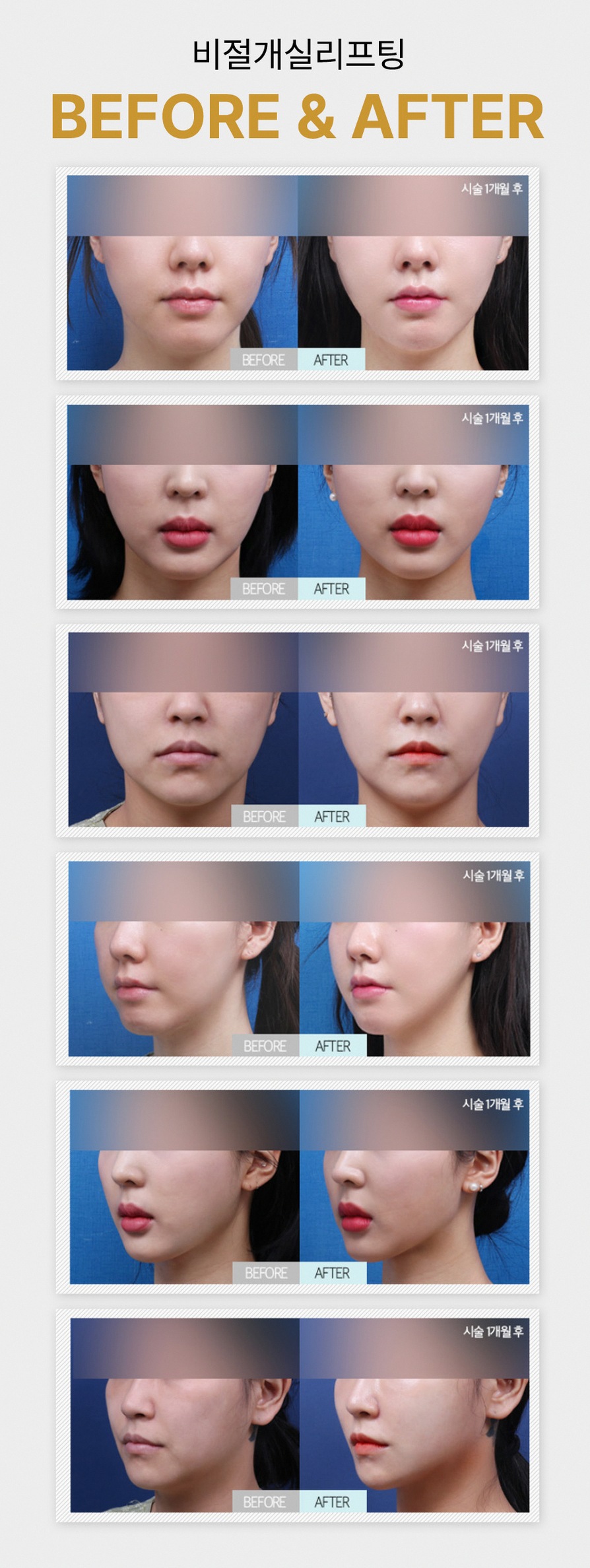
An initial lifting effect is visible right away. Over the following weeks, collagen forms around the threads, which can further improve skin firmness and contour.
In general, results last around 1–2 years, depending on thread type, skin condition, age, and lifestyle factors such as smoking and sun exposure. Thread lifting can be repeated, but overuse or too-frequent procedures may affect tissue quality, so it is important to follow professional guidance on timing and frequency.
Risks and precautions
Thread lifting is less invasive than a full surgical facelift, but it is still a medical procedure with potential risks.
Possible side effects include:
Swelling and bruising.
Temporary asymmetry or mild tightness.
Skin dimpling or irregularities.
Palpable threads under the skin.
Infection or thread exposure in rare cases.
To reduce risks, it is important to:
Choose a clinic where experienced plastic surgeons perform the procedure.
Prefer clinics with an on-site anesthesiology specialist and proper monitoring equipment if sedation is planned.
Ensure there is a clear follow-up system and protocol for managing complications.
Before the procedure, you should disclose all medications (especially blood thinners), smoking status, and any history of keloid or hypertrophic scarring. This information helps the medical team plan safely and adjust expectations.
Online consultation and pre-visit preparation for overseas patients
If you are traveling from overseas to Seoul for thread lifting near Gangnam Station, careful preparation can make your visit smoother and more efficient.
Before your trip, it is helpful to:
Prepare clear, front and side facial photos in good lighting without heavy makeup.
List your medical history, current medications, allergies, and any previous facial procedures.
Think about your main concerns: jawline, nasolabial folds, marionette lines, cheeks, neck, or overall sagging.
Note your schedule constraints, such as how many days you can stay in Korea and when you need to return to work.
Many clinics with multilingual support, including English, Chinese, and Japanese, can review your information in advance and give you a preliminary idea of whether thread lifting is suitable, what combination of treatments might be recommended, and an approximate price range. The final plan and exact cost are usually confirmed during the in-person consultation.
Expected Korea visit timeline for thread lifting
For international patients, a typical visit schedule for non-incisional thread lifting near Gangnam Station might look like this:

Day 1: In-person consultation, facial analysis, and final treatment planning. If you and the medical team agree, the procedure may be performed on the same day, depending on the clinic’s schedule and your pre-procedure instructions.
Day 1 or 2: Procedure day (if not done on the first day). The procedure itself usually takes from about 30 minutes to around 1 hour, depending on the number of threads and areas treated. You rest briefly in the clinic afterward and then return to your accommodation.
Days 2–3: Mild swelling and possible bruising. Most patients can go out with light makeup and a mask if desired. Many can return to desk work within a few days, but heavy exercise and facial massage should be avoided for a period recommended by the clinic.
Days 5–7: A short follow-up visit is often scheduled to check healing and early results, especially for overseas patients.
If you are flying back home, it is generally safer to allow at least a few days in Seoul after the procedure in case any adjustments or additional care are needed.
Aftercare and long-term maintenance
After thread lifting, following the clinic’s instructions helps support smoother recovery and longer-lasting results.
Common aftercare recommendations include:
Avoiding sleeping on your side or face for a certain period.
Limiting strong facial expressions, wide mouth opening, or heavy chewing in the early days.
Avoiding saunas, hot baths, and intense exercise for a short time.
Using prescribed medications or topical care as directed.
For long-term maintenance, your surgeon may suggest a combination of gentle skin treatments, sun protection, and, when appropriate, additional anti-aging procedures such as fillers, botulinum toxin, or repeat thread lifting at suitable intervals.
FAQ: Gangnam Station thread lift price and procedure
How long does a thread lift last?
Most patients can expect the effect of a thread lift to last around 1–2 years. This depends on the type of threads used, your skin quality, age, and lifestyle. As the threads dissolve, newly formed collagen helps maintain some of the lifting and tightening effect. Over time, natural aging continues, so maintenance or additional treatments may be recommended.
When should I choose thread lifting instead of a surgical facelift?
Thread lifting is generally more suitable for people with mild to moderate sagging who want a noticeable yet not extreme change, with shorter downtime and no large incisions. If you have significant skin laxity, heavy jowls, or excess skin, a mini lifting or full facelift may provide a more effective and longer-lasting result. A consultation with a plastic surgeon is needed to decide which option matches your condition and goals.
Is thread lifting painful and how is anesthesia managed?
Most patients feel pressure and pulling rather than sharp pain during thread insertion because local anesthesia is used. Some clinics also offer light sedation for additional comfort. At clinics with a dedicated anesthesiology and pain medicine specialist, sedation and pain control are monitored more closely, which can be reassuring for patients who are nervous or have medical concerns.
How soon can I return to work or daily life after thread lifting?
Many people return to light daily activities and desk work within a few days after non-incisional thread lifting. Swelling and bruising can last from several days up to about two weeks, depending on individual healing and the number of threads. Intense exercise, facial massage, and activities that strain the face are usually restricted for a short period, which your clinic will explain in detail.
Does combining thread lifting with fillers or botulinum toxin change the price?
Yes. When thread lifting is combined with fillers, botulinum toxin, or other treatments, the total cost increases compared with thread lifting alone. However, a combined plan can sometimes provide a more balanced and natural-looking result by addressing both sagging and volume loss or dynamic wrinkles. When you receive a quote near Gangnam Station, ask whether it includes only threads or a full anti-aging package.
Soft call to action for online consultation
If you are considering a non-incisional thread lift near Gangnam Station and want to understand your likely cost and treatment options, arranging an online consultation before your trip can be very helpful. By sharing photos, medical history, and your schedule, you can receive a more personalized plan and a realistic Gangnam Station thread lift price range.
Clinics such as KODI PLASTIC SURGERY, located on Gangnam-daero in Seocho-gu, offer thread lifting within a broader anti-aging lineup and operate multilingual web pages to support overseas patients. If you are planning a visit to Seoul, consider contacting the clinic in advance to discuss your goals, possible treatment combinations, and the timeline that best fits your travel plans.

- 공유 링크 만들기
- X
- 이메일
- 기타 앱


댓글
댓글 쓰기