Tear Trough Filler near Sinnonhyeon Station: Under‑Eye and Aegyo‑Sal Volume — Often Possible in One Visit, Depending on Assessment
- 공유 링크 만들기
- X
- 이메일
- 기타 앱

Direct answer summary
with subtle aegyo‑sal shaping right under the lash line. Around Sinnonhyeon Station on Gangnam‑daero in Seocho‑gu, KODI PLASTIC SURGERY concentrates on eye and filler treatments and provides area‑specific approaches, making it accessible for both local and overseas patients. Whether both under‑eye and aegyo‑sal can be treated in a single session depends on an in‑person assessment; some patients may require staged procedures or follow‑up touch‑ups based on their individual needs.
What is the tear trough and how does under‑eye filler work?
The tear trough is the hollow or groove that starts near the inner corner of your eye and extends diagonally down and out along the under‑eye. When this groove is deep, it creates a shadow that looks like a dark circle, even if you sleep well and use concealer. Many people describe it as looking tired, sunken, or older than they feel.
Under‑eye filler uses hyaluronic acid, a gel‑like substance that is similar to a component naturally found in the skin, to gently fill this groove. By adding small amounts of volume in the right plane, the transition between the lower eyelid and the upper cheek becomes smoother. This reduces the shadowing effect and can make the face look more rested and brighter.
In the lower eyelid area, there are actually two main zones to think about. One is the deeper tear trough hollow that sits closer to the cheek. The other is the very thin strip of tissue right under the lash line, where a soft, youthful bulge called aegyo‑sal can be created or enhanced. Aegyo‑sal filler is usually placed more superficially and in much smaller amounts to give a gentle, smiling contour rather than a puffy under‑eye bag.

The goal of under‑eye and aegyo‑sal filler is not to make the area swollen or obviously filled. Instead, the aim is a smooth, natural curve where the lower eyelid meets the cheek, with less visible indentation and a subtle three‑dimensional effect under the lashes. When done carefully, this can make the eyes look more awake and friendly without changing your basic features.
Tear trough hollows versus under‑eye bags
It is important to distinguish between different under‑eye problems, because not all of them are best treated with filler.
Deep tear trough hollowing happens when the tissue and fat under the eye lose volume or shift over time. This creates a groove and shadow. Filler can work well here because it replaces missing volume.
Lack of volume right under the lash line, where aegyo‑sal would normally be, can make the eyes look flat or tired. Very conservative filler in this zone can create a soft bulge that shows especially when you smile, giving a more youthful and lively expression.
Under‑eye bags caused by protruding fat pads are different. In this case, the problem is not a lack of volume but extra bulging tissue. Filler cannot remove that fat. In some mild cases, a small amount of filler below the bag can smooth the step between the bag and the cheek, but for larger fat pads or loose skin, surgical options such as lower eyelid surgery or fat repositioning may be more appropriate.
A careful assessment is therefore essential before deciding on filler. A clinic that focuses on both eye surgery and filler can explain when filler is suitable and when surgery or combination treatments might be safer and more effective.
Who may consider tear trough and aegyo‑sal filler near Sinnonhyeon Station
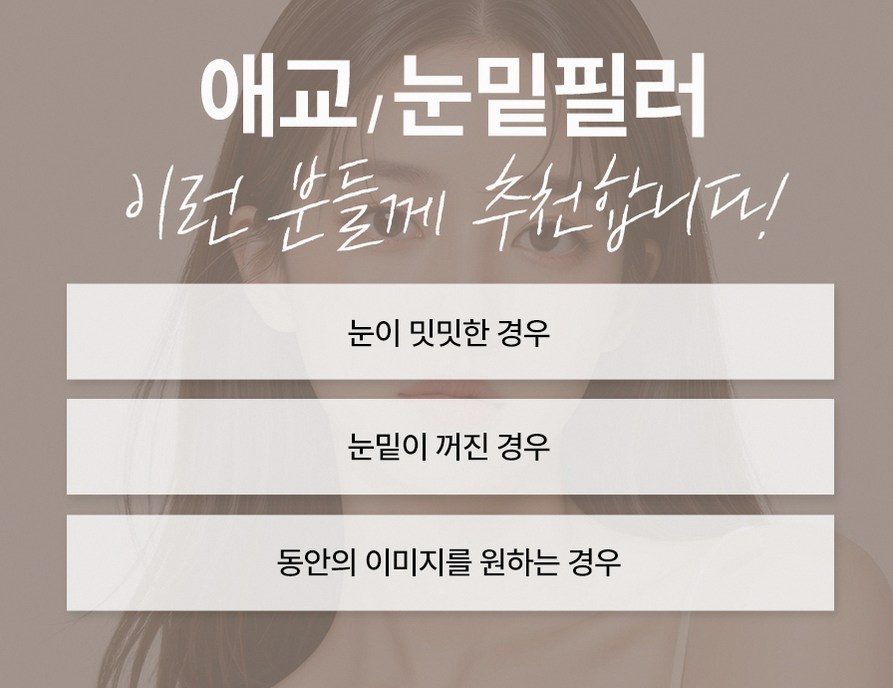
People in their 20s to 40s often start to notice under‑eye shadows and fine lines even if their skin is otherwise in good condition. If you live, work, or study around Sinnonhyeon Station and feel that your eyes always look tired in the mirror or in photos, you may be a candidate for under‑eye filler.
Typical candidates include office workers who commute through Sinnonhyeon Station and want a quick, lunchtime‑style procedure with minimal downtime, and students or young professionals who want a subtle aegyo‑sal look to enhance their eye shape. Many are not ready for surgery and prefer a reversible, adjustable treatment first.

Under‑eye filler is generally considered for people with mild to moderate hollowness, shallow grooves, or flat lower eyelids where a bit of volume will improve the contour. It can also help soften fine wrinkles that are partly caused by volume loss, though it does not replace treatments that directly target skin texture.
On the other hand, people with very thin, transparent skin, pronounced under‑eye bags, or strong brown or blue pigmentation may need a more complex plan. For example, a combination of surgery, laser, skin boosters, or skincare may be recommended. In these situations, filler alone may not give the desired improvement, and your doctor should explain the limits clearly.
If you are an overseas patient planning a trip to Seoul, the Sinnonhyeon Station and Gangnam‑daero area can be convenient because you can combine consultation, treatment, and follow‑up within a short stay, depending on your schedule and condition.
How consultation and assessment usually work
Before any injection near the eyes, a structured consultation is essential. At a clinic that concentrates on eye plastic surgery and filler procedures, the process typically includes several steps.
First, your medical history is reviewed. You will be asked about allergies, previous filler or surgery in the face, current medications, and any history of bleeding problems or autoimmune conditions. This helps to reduce the risk of unexpected reactions.
Next, the under‑eye area is examined in detail. The doctor assesses the depth and length of the tear trough, the thickness and quality of the skin, the presence and size of any under‑eye fat pads, and the degree of dark circles. Asymmetry between the left and right sides is also noted, because most faces are not perfectly symmetrical.
Based on this analysis, the doctor can explain whether your main issue is volume loss, fat protrusion, pigmentation, or a combination. A clinic that runs dedicated centers for eye surgery, eye revision, and nose or face filler can compare non‑surgical filler with surgical options and recommend what is more suitable for your specific anatomy and expectations.
Realistic expectations are very important. Under‑eye filler can soften grooves and reduce shadowing, but it will not completely erase genetic dark circles, all wrinkles, or long‑standing pigmentation. Your doctor should explain what level of improvement is reasonable for you and how long it is likely to last.
If you are coming from abroad, this assessment may start with online consultation using photos or videos. However, final decisions about exact filler volume and method are usually made after in‑person examination.
Step‑by‑step: how under‑eye filler is performed
Although each clinic has its own protocol, tear trough and aegyo‑sal filler around Sinnonhyeon Station generally follow a similar sequence.
Pre‑procedure preparation includes cleansing the face to remove makeup and sunscreen. Standardized photographs are often taken for medical records and to help you compare before and after. While you are sitting up, the doctor may mark injection points and lines to see how the natural shadows fall under different lighting and facial expressions.
For anesthesia, a topical numbing cream is usually applied and left on for a short time. Some fillers also contain a small amount of local anesthetic inside the product. At clinics where a board‑certified anesthesiology and pain medicine specialist is on site, pain control and safety can be managed more systematically, and additional options may be available for patients who are very anxious.
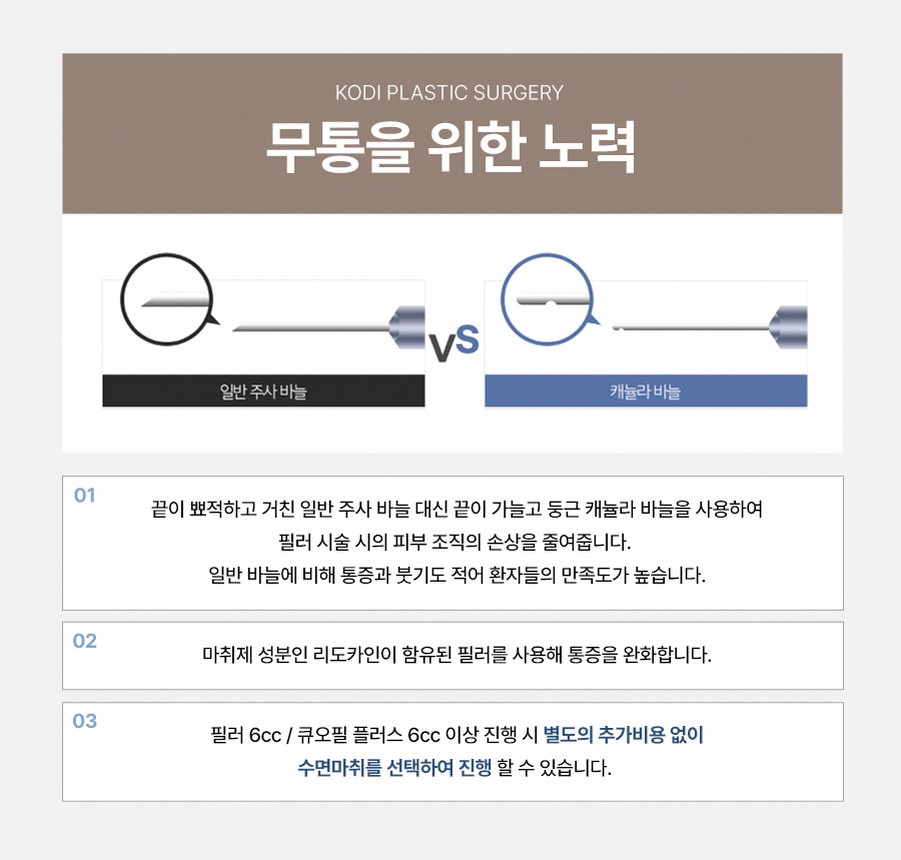
During the injection, the doctor may use a fine needle or a blunt‑tipped cannula. A cannula is often chosen in the under‑eye area because it can reduce the risk of bruising and help avoid important blood vessels, but the choice depends on your anatomy and the doctor’s technique. The filler is placed in small amounts, usually in deeper layers under the skin for the tear trough, and more superficially but very conservatively for aegyo‑sal.
Gradual layering is key. Instead of injecting a large volume at once, the doctor typically adds a little, gently massages the area, then has you sit up to check the contour and symmetry. This process may be repeated a few times until the desired softening is achieved without overfilling.
The injection portion of the treatment is typically brief and may take only a short time; however, total visit length depends on consultation, numbing, and post‑treatment observation, so first visits can be longer.
Immediately after the injections, cold packs may be applied to reduce swelling. The staff should explain what is considered normal, such as mild swelling, slight redness, or small bruises, and what would be a warning sign, such as severe pain, sudden vision changes, or rapidly increasing swelling. You will also receive instructions on how to care for the area at home.
Benefits of under‑eye and aegyo‑sal filler
Another benefit is that the improvement is usually visible immediately, although the final settled result appears after swelling subsides. Softening of hollows and shadows can make the whole face look more rested and refreshed, even if only the under‑eye area was treated.
Hyaluronic acid filler is also reversible and adjustable. If needed, a special enzyme can be injected later to dissolve the product. This provides a margin of safety and flexibility, especially for first‑time patients who are worried about looking unnatural. Touch‑ups can be performed to fine‑tune the result rather than trying to achieve everything in one session.
When combined with subtle aegyo‑sal shaping, the eyes can appear larger and more three‑dimensional, which often photographs well. At a clinic with a dedicated filler center and a filler lineup divided by area, the doctor can coordinate under‑eye filler with other zones such as cheeks, nasolabial folds, nose, or chin. This allows for more balanced facial harmony instead of treating the tear trough in isolation.
Risks, side effects, and safety considerations
The under‑eye region is delicate, with thin skin and important blood vessels. For this reason, safety should be a top priority when choosing a clinic near Sinnonhyeon Station.
Common temporary effects after tear trough filler include swelling, redness, mild bruising, and a feeling of tightness or fullness. Slight asymmetry is also possible in the first few days while swelling is uneven. These usually improve as the tissue settles.
Potential complications include lumps or irregularities, a bluish tint known as the Tyndall effect if filler is placed too superficially, and overfilling that makes the area look puffy. Infection is rare but possible with any injection. Very rarely, vascular complications can occur if filler enters or compresses a blood vessel, which is why proper technique and emergency protocols are essential.
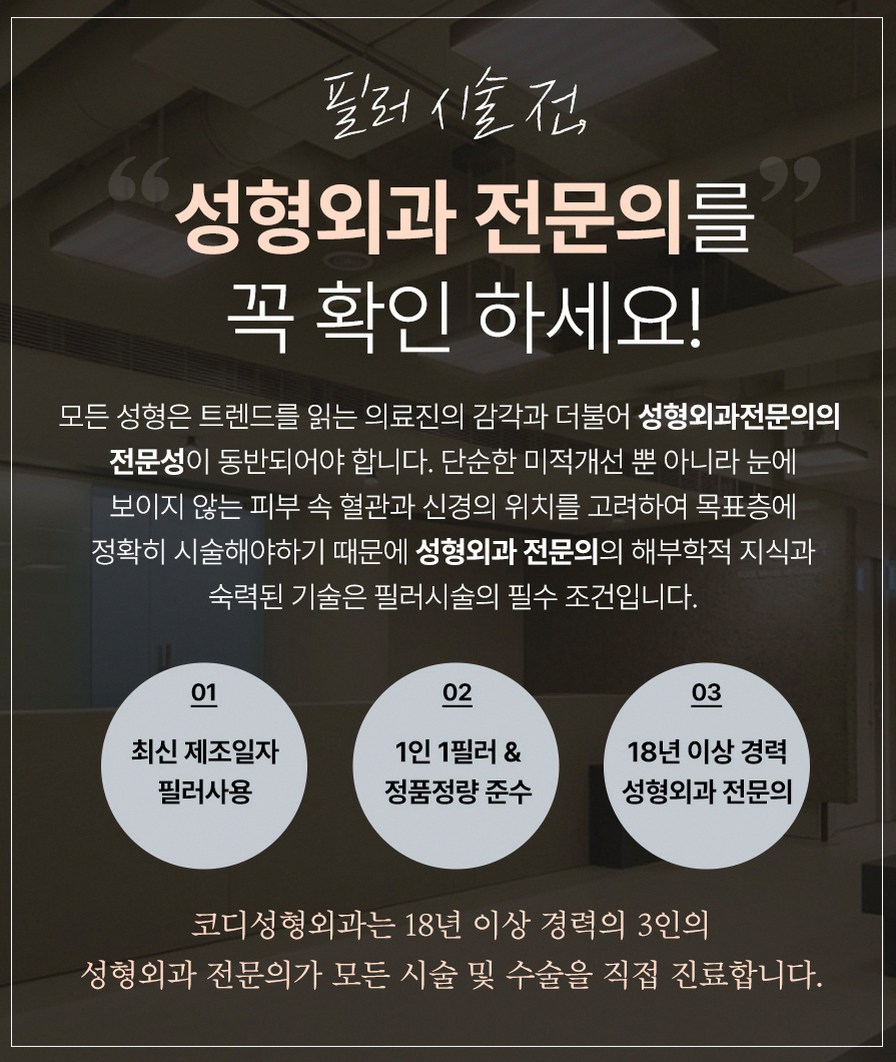
Because of these risks, under‑eye filler should be performed by experienced, board‑certified plastic surgeons who are familiar with the anatomy and have specific training in this area. At clinics where a full‑time anesthesiology and pain medicine specialist is present, monitoring and emergency response systems can further support overall safety culture for invasive procedures.

As a patient, you can also contribute to safety by asking key questions during consultation. Ask what type of filler will be used and whether it is approved for cosmetic use in your country or region. Ask how complications are handled, whether the clinic has the enzyme to dissolve filler on site, and what steps they take to minimize risk. Clear, honest answers are a good sign.
Aftercare and how long results last
Recovery after tear trough and aegyo‑sal filler is usually straightforward, but following aftercare instructions helps the result look more natural and last longer.
Most swelling and minor bruising improve within a few days to about one week. During this period, you may want to use concealer and plan important events accordingly. The final settled appearance is generally visible after one to two weeks, when the filler has integrated more smoothly with the surrounding tissue.
Longevity varies widely and should be discussed with your doctor. Some patients report that under‑eye filler can last longer than filler in very mobile areas, but the actual duration depends on factors such as individual metabolism, lifestyle, and the specific product used. Many people choose small maintenance touch‑ups rather than waiting for the effect to disappear completely.
After the procedure, you will usually be advised to avoid rubbing or pressing the under‑eye area, especially for the first few days. Intense exercise, saunas, hot baths, and alcohol may be restricted for a short period, as they can increase swelling or bruising. Sleeping with your head slightly elevated on the first night can help if you are prone to swelling.
A follow‑up visit is often recommended to check symmetry and discuss whether a small additional amount would help refine the result. Many doctors prefer this staged approach instead of placing too much filler in one session. Maintaining realistic expectations and closely following instructions are key to a natural, long‑lasting outcome.
Comparison with other options
Tear trough filler is one of several ways to address tired‑looking under‑eyes. It is helpful to understand how it compares with other treatments.
Lower eyelid surgery or fat repositioning is more invasive and requires a longer recovery, but it may be more suitable for people with large under‑eye bags, significant skin laxity, or very pronounced fat protrusion. Filler does not remove fat; it only adds volume where it is lacking.

Other non‑surgical options, such as skin boosters, laser treatments, or procedures that use your own blood or fat, can improve skin texture, fine lines, and pigmentation. However, they do not replace the volume correction that filler provides. In many cases, a combination approach is used, starting with filler to correct the contour and then adding skin‑focused treatments if needed.
The best plan depends on your anatomy, age, lifestyle, and goals. A clinic that offers both eye surgery and filler can discuss the pros and cons of each option and help you choose a path that matches your comfort level and schedule.
Online consultation and pre‑visit preparation for overseas patients
If you are an international patient searching for tear trough filler near Sinnonhyeon Station, online consultation is an important first step. Many clinics along Gangnam‑daero, including KODI PLASTIC SURGERY on the 13th floor of a building near the station, provide foreign‑language pages and messaging channels to assist overseas visitors.
Before contacting the clinic, prepare clear photos of your face in good lighting: front view, 45‑degree angles, and side views, both with a neutral expression and a gentle smile. Avoid heavy makeup so the under‑eye area can be evaluated accurately. If you have had fillers, surgery, or laser treatments in the past, gather any available records or at least note the approximate dates and areas treated.
When you contact the clinic, you may want to ask about the doctor’s experience with under‑eye and aegyo‑sal filler, what filler brands are commonly used, approximate recovery expectations, and how many days after treatment they recommend for in‑person follow‑up. Also ask about language support, such as English‑speaking coordinators or interpreters.
For your own planning, make a short checklist of questions. Examples include how to schedule around your flight dates, whether you should avoid certain medications or supplements before treatment, and what to do if you experience unexpected swelling after returning home. Having these points written down can make your consultation more efficient and reassuring.
Expected Korea visit timeline for tear trough filler
For most overseas patients, a short stay in Seoul is enough for under‑eye filler, but building in some flexibility is wise.
On day one, you can usually have an in‑person consultation and, if both you and the doctor agree, proceed with treatment on the same day. This visit will include examination, photography, numbing, the injection procedure, and immediate aftercare instructions.

The next one to two days are when mild swelling or bruising is most noticeable. Many people feel comfortable going out with light makeup, but if you are concerned about appearance in meetings or photos, you may want to keep your schedule relatively light.
If possible, plan at least one follow‑up visit within a few days to one week after treatment, especially if it is your first time receiving filler in this area. During this check‑up, the doctor can evaluate symmetry, address any small irregularities, and discuss whether a touch‑up is needed. If your stay is short, ask in advance how they handle follow‑up communication once you have returned to your home country.
Because the clinic is located on Gangnam‑daero near Sinnonhyeon Station, it is easy to fit visits around other activities in Seoul. Many clinics in this area offer weekday appointments, one extended evening day such as Thursday, and Saturday hours, but you should always confirm the latest schedule on the official website.
Practical points for Sinnonhyeon Station searchers
For local residents and commuters, the main advantage of choosing a clinic near Sinnonhyeon Station is convenience. You can often schedule a consultation after work, on a weekday afternoon, or on a Saturday without a long commute. The location on a main road like Gangnam‑daero also makes it easy to find taxis and public transport.
When comparing clinics, look beyond price alone. Check whether they have specific experience and systems for eye‑area filler, including dedicated filler menus by area such as nose, forehead, cheeks, chin, under‑eye, nasolabial folds, and lips. This suggests a more tailored approach rather than a one‑size‑fits‑all method.
It is also helpful to ask how they coordinate filler with other facial procedures, what their policy is on follow‑up visits, and how they manage rare but serious complications. Clinics that can explain their protocols clearly tend to inspire more confidence.
Frequently asked questions
How long does tear trough filler last under the eyes?
Under‑eye filler often lasts longer than filler in very mobile areas. Many patients notice improvement for around 9 to 18 months, but this is an approximate range. Longevity depends on the specific product used, your metabolism, lifestyle factors such as smoking or heavy exercise, and how much filler was placed. Your doctor can give a more personalized estimate after examining your under‑eye area.
Can under‑eye filler make dark circles disappear completely?
Filler can significantly reduce shadows caused by hollows, which often makes dark circles look lighter. However, it cannot completely erase all types of dark circles. If your dark circles are mainly due to pigmentation, visible blood vessels, or very thin skin, you may still see some discoloration after filler. In those cases, additional treatments such as skincare, laser, or other procedures may be recommended to complement the volume correction.
Is tear trough filler painful, and what kind of anesthesia is used?
Most people describe under‑eye filler as mildly uncomfortable rather than very painful. A topical numbing cream is usually applied before the procedure, and many hyaluronic acid fillers also contain a local anesthetic that reduces discomfort as the product is injected. At clinics with an anesthesiology and pain medicine specialist on site, pain control can be tailored more carefully for patients who are particularly sensitive or anxious.
How soon can I go back to work after under‑eye filler near Sinnonhyeon Station?
Many patients feel comfortable returning to office work or classes the same day or the next day, especially if they are not bothered by mild swelling or small bruises. If your job involves heavy physical activity or exposure to heat, your doctor may suggest waiting a little longer. Because the clinic is close to Sinnonhyeon Station on Gangnam‑daero, it is relatively easy to schedule the procedure around your workday and commute.
Soft call to action
If you are considering tear trough or aegyo‑sal filler near Sinnonhyeon Station and would like balanced guidance on whether filler or another option suits your under‑eye condition, you can explore online consultation with a clinic that focuses on both eye surgery and filler, such as KODI PLASTIC SURGERY. By sharing clear photos and your concerns in advance, you can receive a preliminary assessment, plan your visit to Seoul more efficiently, and approach your under‑eye treatment with realistic expectations and greater peace of mind.




- 공유 링크 만들기
- X
- 이메일
- 기타 앱


댓글
댓글 쓰기