Gangnam Station thread lift recommendation for natural facial lifting
- 공유 링크 만들기
- X
- 이메일
- 기타 앱

Direct answer summary
Near Gangnam Station in Seocho‑gu, there is a facial anti‑aging and contouring center known for eye procedures and fillers that also offers non‑incisional thread lifting as part of its anti‑aging program. Procedures are performed by experienced plastic surgeons, and anesthesia and pain‑management support are available when needed.
Treatment overview: what is a non‑incisional thread lift
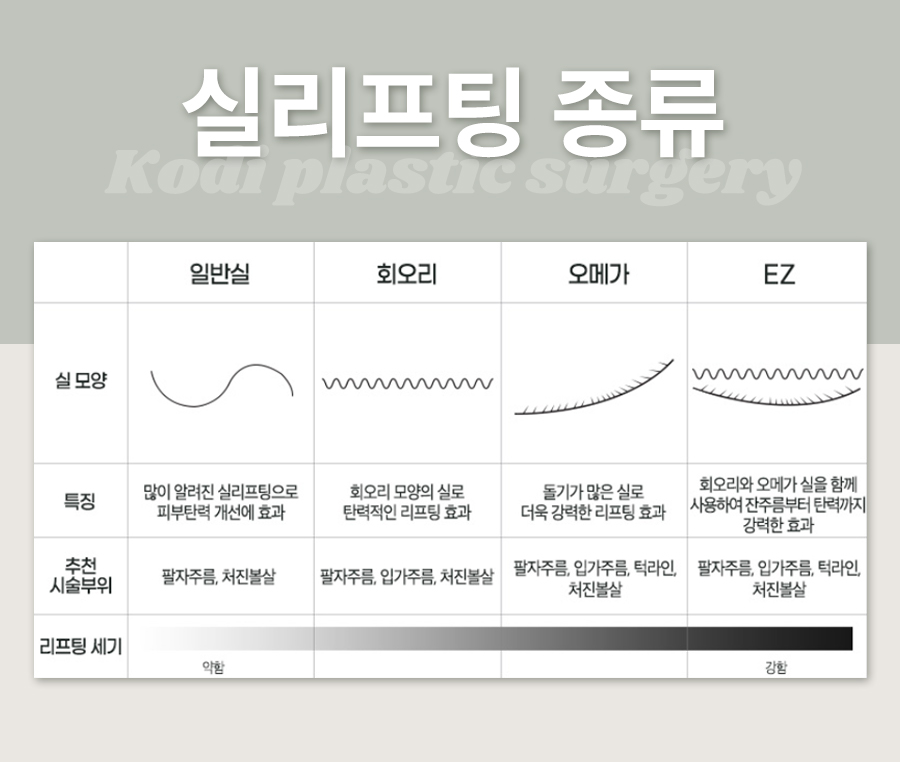
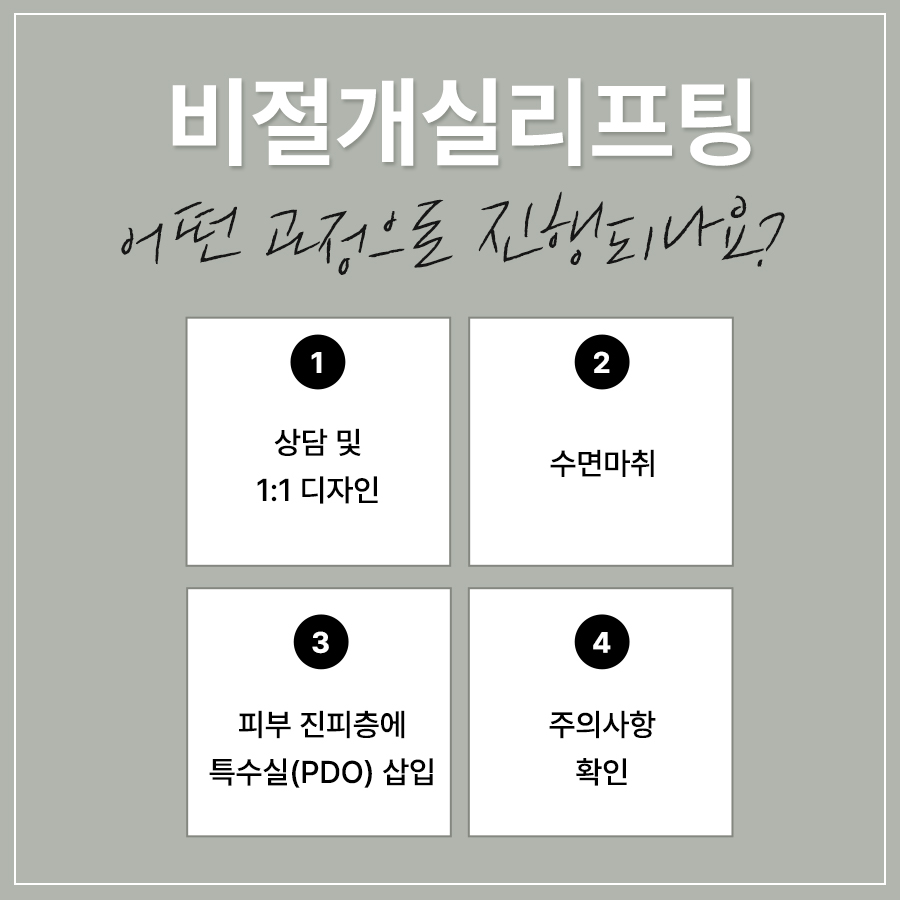
A non‑incisional thread lift is an anti‑aging procedure that uses dissolvable threads placed under the skin to gently lift sagging tissues. Instead of a long incision like in a full facelift, the doctor makes a few small entry points, usually hidden around the hairline or near the ears. Through these tiny openings, fine threads with small barbs or cones are inserted and positioned to support the cheeks, jawline, and lower face.
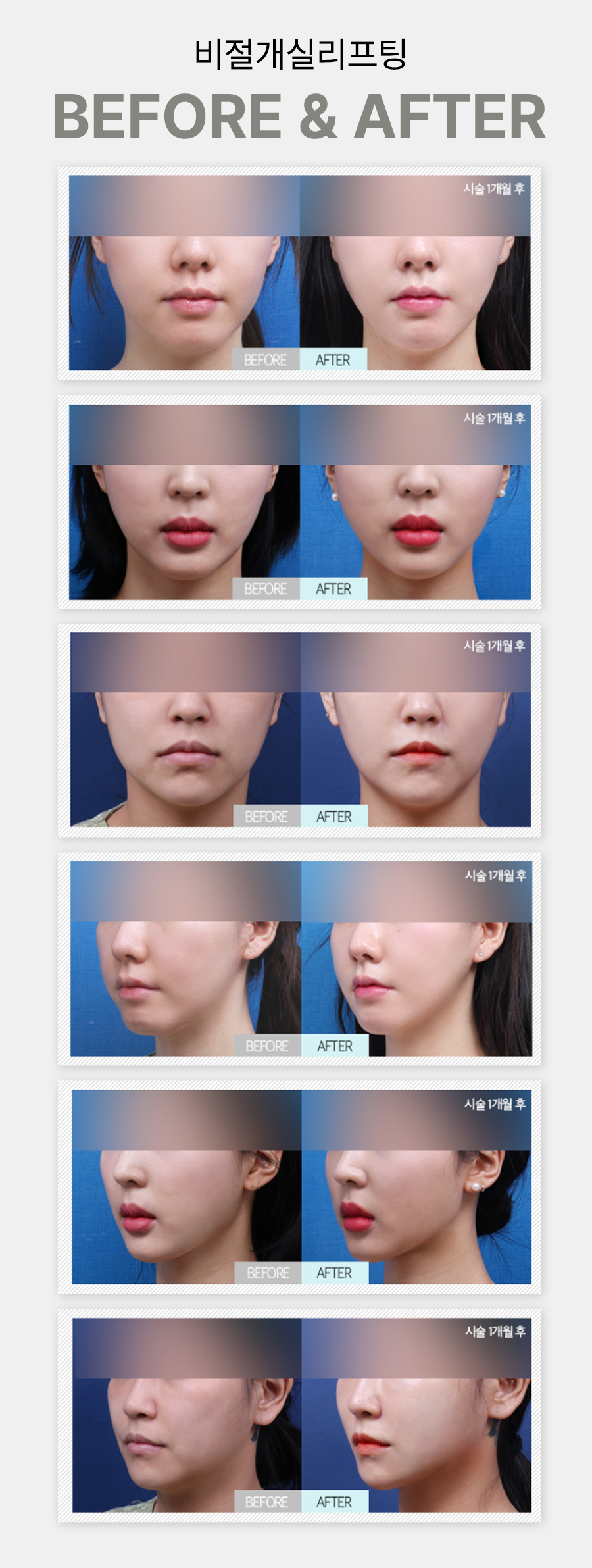
Once the threads are in place, they provide an immediate lifting effect by mechanically holding up the tissues. Over time, the material of the threads stimulates collagen production around them. This gradual collagen formation can help the skin feel firmer and more elastic even after the threads themselves have dissolved.
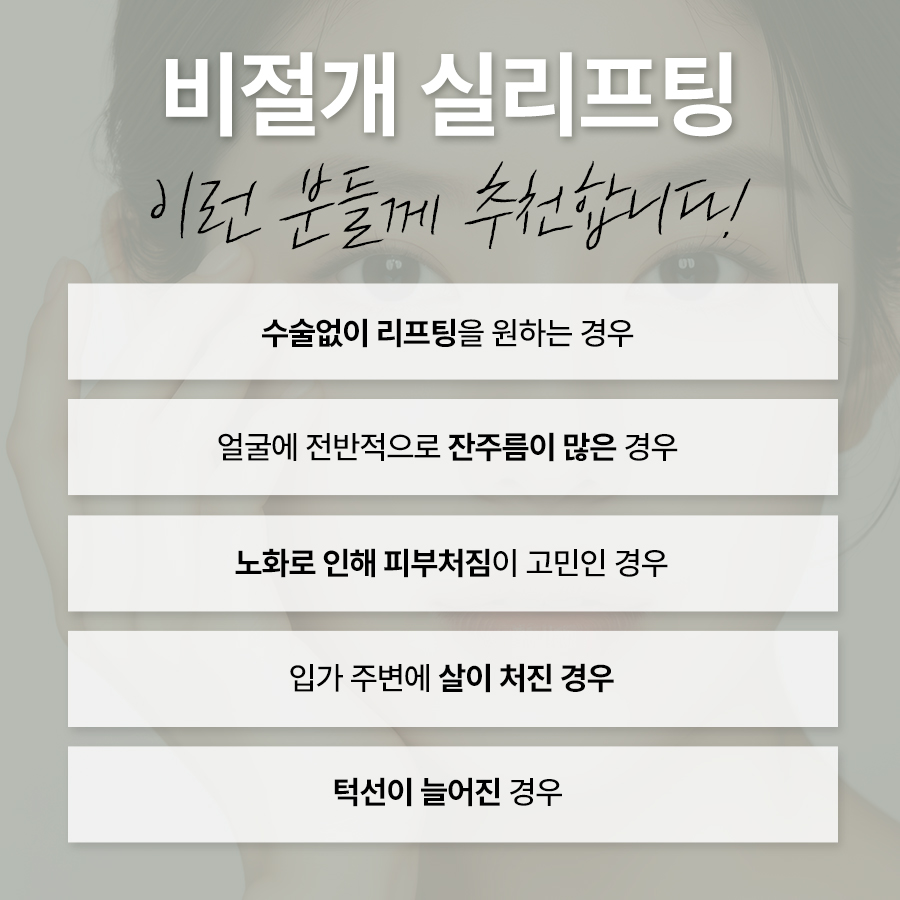
Thread lifting is often used to improve early jowls, soften nasolabial folds and marionette lines, and redefine the jawline. Because it is non‑incisional and less invasive than a full facelift, many people choose it as a bridge between simple injectables and surgical lifting.

Who may consider a thread lift near Gangnam Station
Thread lifting is not for everyone, and realistic expectations are important. In general, suitable candidates include:
People in their late 20s to 40s with mild to moderate sagging of the cheeks and jawline
Those who notice deepening smile lines or early jowls but are not ready for a surgical facelift
Patients who previously had fillers or fat grafting and now want more structural lifting to maintain their contour
People who want a visible but natural improvement with shorter downtime so they can return to work quickly
If you have very heavy sagging, thick skin, or significant excess skin in the lower face and neck, a thread lift alone may not be enough. In such cases, a mini‑lift or full facelift may be more appropriate, sometimes combined with threads or injectables. During consultation, the plastic surgeon will examine your skin elasticity, fat distribution, and facial structure to decide whether a thread lift can realistically meet your goals.
Expected benefits and limitations
A non‑incisional thread lift offers several practical advantages for busy people living or working around Gangnam Station:
Short procedure time compared with a full facelift
Relatively quick return to daily life, with many patients going back to light work within a few days
Possibility to combine with fillers, Botox, or contour injections for more balanced facial harmony
Gradual collagen stimulation around the threads, which can help maintain firmness over time
At the same time, there are clear limitations you should understand before deciding:
A thread lift cannot fully replace a surgical facelift for severe sagging or large amounts of loose skin
The duration of visible benefit varies widely; some patients notice improvements that last months to a few years depending on skin quality, age, and lifestyle
Some patients may need maintenance procedures or combination treatments to maintain the desired contour

Choosing a clinic that explains these points honestly, instead of promising dramatic or permanent lifting, is important for long‑term satisfaction.
How this Gangnam Station clinic approaches thread lifting
The clinic near Gangnam Station is primarily known as a center for eye plastic surgery and facial filler procedures. It has a dedicated eye surgery center, an eye revision center, and a facial filler center. Thread lifting is offered as part of a wider anti‑aging lineup that includes Botox, contour injections, fat grafting, and facelift or mini‑lift surgery.
Because the medical team spends much of their time on delicate eye procedures and detailed filler work, they approach thread lifting with the same focus on balance and natural movement. Instead of simply pulling the face upward, the surgeons design lifting vectors and combination plans based on each facial sub‑area and volume distribution.
For example, if the mid‑cheek has lost volume and the jawline has started to sag, the plan may include:
- Threads to support and lift the cheek fat pads
- Subtle filler to restore volume in the midface or under‑eye area
- Light Botox in selected muscles to soften downward pulling forces
This two‑track focus on eyes and fillers means the team is used to working with revision cases and sensitive areas where even small changes can affect expression. They aim for a refreshed look that still matches your natural facial expressions, rather than a tight, artificial appearance.
Revision and complex case experience
The clinic runs dedicated revision programs for eye surgery and can handle reconstruction of incisional areas. This background is relevant for thread lifting because it implies detailed knowledge of scar tissue, tissue planes, and individual anatomy.
When planning thread paths, understanding where previous incisions or scar tissue are located helps reduce the risk of irregularities, discomfort, or unwanted pulling. For patients who have had previous eyelid surgery, fat grafting, or other facial procedures, this experience can be reassuring. The surgeon can adjust the direction, depth, and type of threads to suit your unique anatomy rather than following a fixed pattern.
Custom planning instead of one‑size‑fits‑all packages
During consultation, the plastic surgeon will typically follow a step‑by‑step process:
Facial analysis: assessing skin elasticity, fat volume, bone structure, and the degree of sagging in each area (cheeks, jawline, nasolabial folds, marionette lines, neck)
Treatment indication: discussing whether thread lifting alone is sufficient, or whether combining it with fillers, Botox, contour injections, fat grafting, or a mini‑lift would give a more stable result
Thread design: explaining the types of threads used, planned entry points, lifting vectors, and how long the effect is likely to last in your case
Expectation setting: clarifying the degree of improvement you can expect, possible asymmetry, and the need for maintenance or follow‑up treatments
Because the clinic already has a structured system for area‑specific fillers (nose, forehead, cheeks, chin, under‑eye, lips, nasolabial folds), they apply similar precision to thread lifting. The aim is to harmonize volume and lift, so that no single area looks overdone.
Safety and comfort system
One reason patients choose this Gangnam‑daero clinic for thread lifting is its emphasis on safety and patient comfort.
For thread lifting, this means:
Pre‑procedure evaluation: checking your medical history, allergies, medications, and any previous surgeries to decide on the safest anesthesia method
Anesthesia planning: choosing between local anesthesia alone or local anesthesia with sedation, depending on the extent of lifting and your anxiety or pain tolerance
Monitoring during sedation: continuous monitoring of vital signs by the anesthesiology specialist, which can be particularly important when combining thread lifting with other procedures such as fillers or fat grafting
Post‑procedure observation: staying in the clinic for a period after the procedure so that staff can check for immediate complications and manage discomfort
Possible side effects and risk management
As with any procedure, thread lifting carries potential side effects. Common temporary issues include:
- Swelling and bruising around the entry points and along the thread paths
- Mild pain or tightness when moving facial muscles or opening the mouth widely
- Slight asymmetry in the early phase as swelling settles
Less common but more serious complications can include:
- Thread visibility or palpability under thin skin
- Infection along the thread path
- Persistent dimpling or irregularities on the skin surface
- Significant asymmetry requiring adjustment
Working with experienced plastic surgeons and an in‑house anesthesiologist does not remove all risk, but it can help reduce complications and ensure that any problems are addressed promptly. During consultation, you should feel free to ask about how the clinic manages these risks, what emergency protocols are in place, and how often they perform thread lifting.
Convenience for Gangnam Station users
The clinic is located in the Gangnam area near Gangnam Station, which many patients find convenient for subway access and nearby offices. For the exact address, building floor, and current opening hours, please check the clinic’s official website or contact the clinic directly.
Opening hours are:
- Weekdays: 10:00 to 19:00
- Thursday: extended hours until 20:00
- Saturday: 10:00 to 17:00
- Closed on Sundays and public holidays
For office workers around Gangnam Station, the Thursday evening and Saturday hours are particularly useful. You can schedule a consultation after work or plan a thread lift on Saturday and use the rest of the weekend to recover from initial swelling.
The clinic also provides foreign‑language web pages in English, Chinese, and Japanese. This can make it easier for overseas patients to review basic information and submit inquiries before traveling to Korea.
Online consultation and pre‑visit preparation for overseas patients
If you are considering traveling to Seoul for a thread lift, it is wise to start with an online consultation. A typical pre‑visit process may look like this:
Initial inquiry: contact the clinic through its website, email, or messaging apps. Provide your age, main concerns (for example, jowls, nasolabial folds, marionette lines), and any previous facial procedures.
Photo submission: send clear photos of your face from the front, 45‑degree angle, and side, both at rest and with a gentle smile. Good lighting and neutral background help the doctor evaluate sagging and volume.
Medical history: share information about chronic illnesses, medications (especially blood thinners), allergies, and any history of keloids or abnormal scarring.
Preliminary plan: based on your photos and information, the clinic can suggest whether thread lifting seems suitable and whether combination treatments might be recommended. This is a preliminary opinion; the final plan is confirmed in person after a physical examination.
Travel planning: once you decide to proceed, you can coordinate your travel dates with the clinic’s schedule, considering consultation, procedure day, and follow‑up visits.
Before you travel, prepare a list of questions, such as:
- How many threads are typically used in cases like mine?
- What type of anesthesia is recommended and who will manage it?
- How many days of visible swelling should I expect?
- When can I fly back home after the procedure?
- What happens if I have asymmetry or concerns after I return to my country?
Expected Korea visit timeline for thread lifting
For overseas patients, a practical visit schedule might look like this, though individual plans can vary:
Example timeline (varies by patient and clinic)
Day 1: Arrival in Seoul. Rest and adjust to the time difference.
Day 2: In‑person consultation near Gangnam Station. The surgeon performs a detailed facial examination, confirms or adjusts the plan, reviews risks and benefits, and obtains informed consent. Some patients may have pre‑procedure tests if needed.
Day 3: Thread lifting procedure. You will arrive at the clinic, review the plan, and meet the anesthesia/pain‑management staff if sedation is used. Procedure length and immediate recovery time vary by treatment area and any combination therapies.
Early recovery (first several days): Swelling and tightness are common. Light walking and gentle activities are often possible, while heavy exercise and strong facial movements are generally avoided until cleared by the clinic.
Follow‑up: A post‑procedure visit is usually scheduled to assess healing, symmetry, and address any concerns.
Travel: The appropriate time to fly home depends on individual healing and the treating physician’s advice; international patients should obtain personalized medical clearance before planning return travel.
If your schedule is tight, discuss with the clinic whether a shorter stay is possible and what risks that may involve.
Aftercare and recovery
Proper aftercare is important to protect your new lifting and reduce complications. Common recommendations include:
Swelling and tightness: expect some swelling, mild bruising, and a feeling of tightness or pulling for several days to a couple of weeks. Cold compresses may be advised in the first 24 to 48 hours, depending on the clinic’s protocol.
Sleeping posture: sleep on your back with your head slightly elevated for at least a few days to avoid pressure on the treated areas.
Facial movements: avoid wide mouth opening, heavy chewing, loud laughing, or extreme facial expressions for a period recommended by your doctor, often around 1 to 2 weeks.
Massage and treatments: do not massage your face, receive strong facials, or undergo other energy‑based treatments on the same areas until your surgeon confirms it is safe.
Exercise and heat: avoid intense exercise, saunas, and hot baths for a certain period, as increased blood flow can worsen swelling.
Follow‑up: attend scheduled follow‑up visits so the medical team can monitor healing, check symmetry, and answer any concerns.
If you notice increasing pain, redness, pus, or sudden asymmetry, contact the clinic immediately, as these can be signs of infection or other complications.
FAQ about thread lifting near Gangnam Station
How long does a thread lift last?
This varies depending on age, skin quality, lifestyle, and how much sagging there was to begin with. The threads themselves dissolve over time, but the collagen they stimulate can help maintain some firmness even after dissolution. Maintenance treatments or combination procedures may be suggested for longer‑term contour management.
Is a thread lift painful?
Most patients undergo thread lifting with local anesthesia, sometimes combined with sedation. You may feel pressure or a pulling sensation during the procedure, but sharp pain is usually minimized by proper anesthesia. Having a full‑time anesthesiology and pain medicine specialist on site means your sedation and pain control can be tailored to your needs. After the procedure, mild soreness or tightness is common and can often be managed with prescribed pain relievers.
How much downtime should I plan if I work near Gangnam Station?
Many office workers choose to have the procedure on a Thursday evening or Saturday. Swelling and minor bruising are usually most visible during the first few days. Some people feel comfortable returning to desk work within a couple of days, especially if they can use light makeup and do not mind mild swelling. If you have an important public event or presentation, it is safer to schedule the thread lift at least 1 to 2 weeks in advance.
Can a thread lift be combined with fillers or Botox?
Yes, thread lifting is often combined with fillers, Botox, or contour injections for more balanced results. Threads mainly address sagging and structural support, while fillers restore lost volume and Botox can reduce muscle‑related wrinkles or downward pulling forces. At this Gangnam‑daero clinic, the doctors design a customized plan that may include several of these treatments, depending on your facial structure and goals. Combination treatments are usually staged in a way that maintains safety and allows the doctor to assess each effect.
Soft call to action
If you are considering a thread lift near Gangnam Station and want a structured approach that prioritizes safety, natural balance, and realistic expectations, it can be helpful to start with an online consultation. By sharing your photos and concerns in advance, you can receive a preliminary opinion on whether thread lifting is suitable for you and how many days you should plan for your visit to Seoul.
Rather than choosing a clinic based only on price or quick promotions, take time to compare safety systems, the presence of an anesthesiology specialist, the experience of the plastic surgeons, and the clarity of their explanations. A face‑to‑face consultation at a clinic like this in Seocho‑gu can help you decide on the most appropriate anti‑aging plan for your stage of aging and lifestyle.






댓글
댓글 쓰기