How to Choose a Botox Clinic in Seocho-gu for Natural, Subtle Results — Seochogu Botoksu Jalhaneun Got
- 공유 링크 만들기
- X
- 이메일
- 기타 앱

Direct answer for overseas patients
If you are searching for a Botox clinic in Seocho-gu near Gangnam-daero, it helps to use a short checklist to compare options:
- Who performs the injections (a qualified doctor vs. non‑physician)?
- Can they show before-and-after photos and documented outcomes?
- Do they have clear follow-up and complication policies?
- Are dosing and expected results explained in anatomy-based terms?
- Is pricing transparent, and is language support available for international patients?
Clinics with experience in related facial procedures may approach Botox with more precise, anatomy-focused planning. Ask about their experience so you can receive predictable, well-planned care during a short visit.
This guide explains what Botox is, who it may suit, how a safety-focused clinic in Seocho-gu typically works, and how to plan your visit to Seoul from overseas.
Overview of Botox treatment
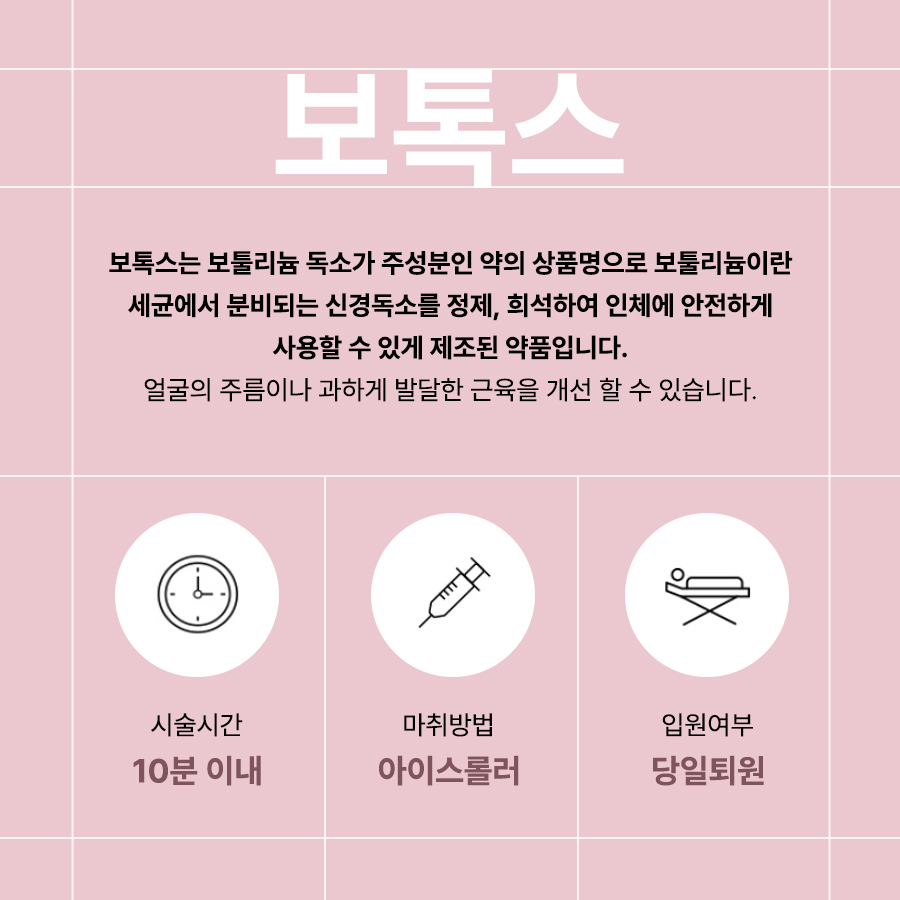
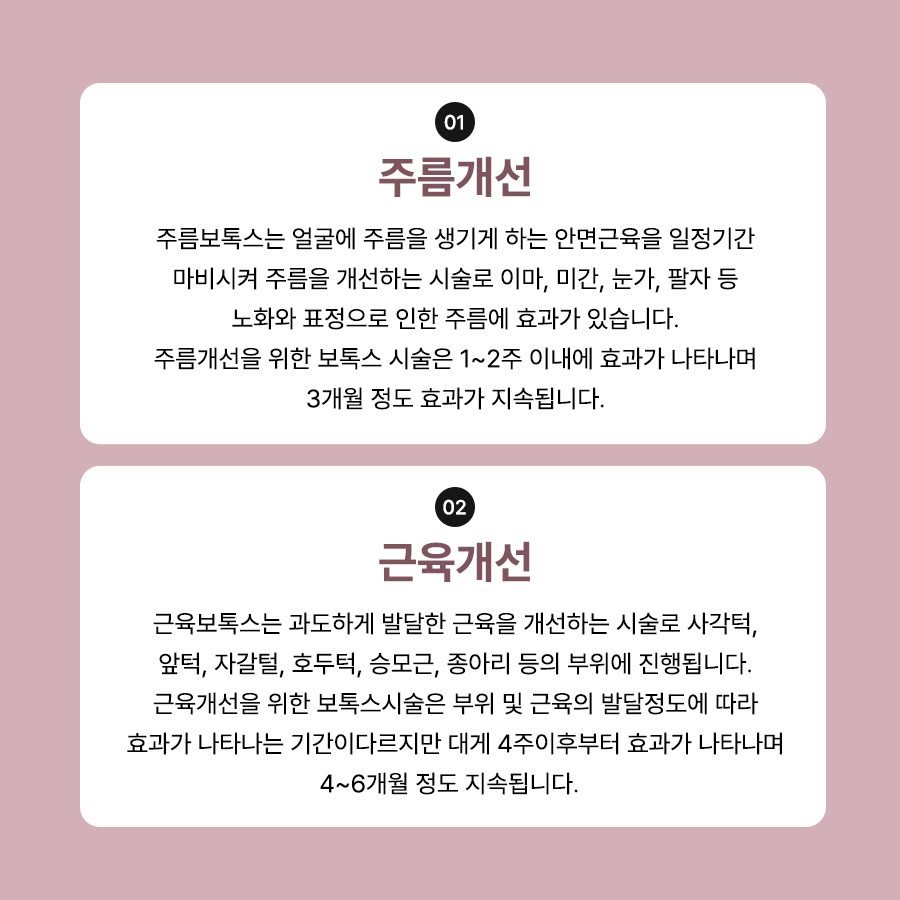
Botox is a neuromodulator that temporarily relaxes overactive muscles. By softening muscle activity in selected areas, it can reduce the appearance of dynamic wrinkles and, in some cases, slim or contour certain parts of the face and body.
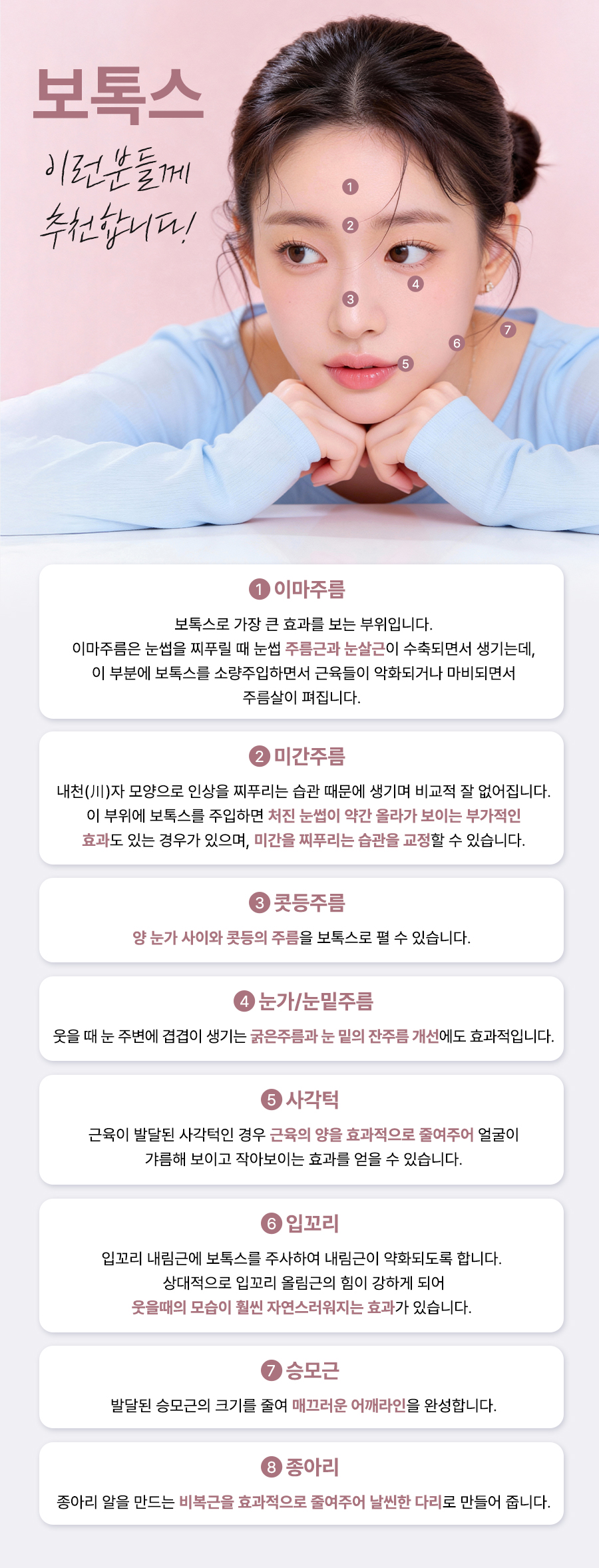
For facial anti-aging, Botox is commonly used for forehead lines, glabellar frown lines between the eyebrows, crow’s feet around the eyes, bunny lines on the nose, chin dimpling, and vertical neck bands. For contouring, it is often used for masseter (jaw) slimming and, in some cases, shoulder or calf contouring.
The effect is not permanent. Most people notice changes beginning within a few days, with peak effect around one to two weeks. Results gradually fade over several months as nerve signals recover and muscle movement returns. Many patients schedule repeat treatments every few months, but the interval varies by treatment area, dose, and individual response—discuss a personalized maintenance plan with your doctor.
In a clinic that emphasizes natural results, the goal is usually to soften lines and refine the face rather than completely freeze expression. You should still be able to smile, frown, and look surprised, but with less harsh creasing and a more relaxed look.

Who may consider Botox in Seocho-gu
Botox can be an option for a wide range of adults, but it is especially common among:
- People in their late 20s to 40s who are starting to see expression lines remain even when the face is at rest.
- Office workers who want a quick, low-downtime procedure during lunch or after work.
- Those who want a slimmer jawline without surgery, using masseter Botox.
- People who feel their shoulders or calves look bulky and want a more slender line through muscle relaxation.
Typical target areas include the following:
- Forehead lines: horizontal lines that deepen when you raise your eyebrows.
- Glabellar frown lines: vertical or diagonal lines between the eyebrows when you frown.
- Crow’s feet: fine lines radiating from the outer corners of the eyes when you smile or squint.
- Bunny lines: wrinkles on the sides of the nose when you scrunch it.
- Masseter muscles: the chewing muscles at the jaw angle; relaxing them can make the lower face look slimmer.
- Chin: dimpling or an “orange peel” texture can be softened.
- Neck bands: vertical neck lines caused by platysma muscle activity.
- Shoulders or calves: in some cases, Botox can soften bulky muscle appearance.
Not everyone is a candidate. People who are pregnant or breastfeeding, those with certain neuromuscular conditions, or those with a history of allergy to neuromodulators may be advised to avoid treatment. A face-to-face consultation with a qualified doctor is essential before deciding.
Why a facial anatomy-focused clinic matters
In Seocho-gu, many clinics offer Botox, but they do not all approach it in the same way. A plastic surgery clinic that is well known for eye surgery and fillers often has very detailed knowledge of facial anatomy, including how muscles, fat pads, and bone structure interact.
This kind of background can be especially valuable for Botox planning. When a clinic already handles a wide filler lineup for areas such as the nose, forehead, cheeks, chin, under-eye area, nasolabial folds, and lips, the doctors are used to thinking about volume and muscle balance together. They can design Botox doses that work in harmony with existing or future fillers and lifting procedures.
Instead of using a fixed number of units for every person, they can adjust the dose per muscle based on your individual expression pattern, muscle strength, and facial proportions. This helps reduce the risk of frozen expressions, drooping, or asymmetry and supports a more natural, tailored outcome.
Clinic context in Gangnam-daero, Seocho-gu
For international patients, location and schedule matter almost as much as medical quality. A clinic near Gangnam-daero is convenient if you are staying in central Seoul or moving between meetings and sightseeing.
Check the clinic's official website or contact them directly for current opening hours and holiday closures. Many clinics offer extended weekday evening hours and some provide Saturday appointments; Thursday evenings and Saturdays can be especially useful for overseas visitors trying to fit treatment into a short trip without disrupting their schedule.
Medical team and safety system
Safety is an important factor when choosing where to get Botox, even though it is generally considered a minor procedure.
Some clinics employ multiple board-certified plastic surgeons and may have in-house anesthesiology or pain-medicine support. Having anesthesia staff available can reflect a safety-oriented approach and enables systematic monitoring and emergency preparedness—ask the clinic to confirm the qualifications and staffing arrangements.
The clinic may report that its anesthesia staff have completed hospital residency training and participate in relevant professional societies—ask to see credentials and memberships during consultation. While Botox typically does not require advanced anesthesia, having structured anesthesia protocols and experienced staff can support careful medication management and overall patient safety.
This is quite different from a quick in-and-out injection shop. Your Botox treatment is integrated into a broader medical system with clear checks, documentation, and follow-up.
How to choose a good Botox clinic in Seocho-gu
If you are searching for a good Botox clinic in Seocho-gu, consider the following criteria rather than focusing only on price.
Presence of qualified plastic surgeons
Look for clinics where board-certified plastic surgeons are directly involved in planning and performing Botox. Their understanding of facial structure helps with precise injection depth and placement, which can reduce the risk of unwanted effects such as drooping or asymmetry.
Safety system and monitoring culture
A clinic that employs a full-time anesthesiology specialist and follows structured monitoring protocols shows a strong safety mindset. Even if you are only receiving Botox, you benefit from a setting where staff are trained to handle medications carefully and respond appropriately if any unexpected reaction occurs.
Detailed consultation
A good Botox consultation should include clear explanations of:
- Which muscles will be treated.
- How many units will be used in each area.
- What kind of change you can expect and what Botox cannot do.
- How long it typically takes to see results and how long they last.
- Possible side effects and what to do if you notice something unusual.
Natural result philosophy
If you are worried about looking frozen, ask how the clinic approaches natural results. A thoughtful clinic will aim to reduce harsh lines while preserving your basic expressions. They may adjust the dose depending on your job, lifestyle, and how expressive you need to be on camera or in meetings.
Aftercare and follow-up
Check whether the clinic offers scheduled follow-up visits after Botox. This can be especially important for first-time patients or those who have had issues elsewhere. Ask about their approach to touch-ups, how they handle minor asymmetries, and how they guide you on when to repeat treatment.
Transparent pricing and consent
Before treatment, you should receive a clear explanation of costs, including how pricing changes with different areas or units. Consent forms should be available in a language you understand, and staff should be willing to answer all your questions without rushing.
Look for clinics in Seocho-gu that describe structured, safety-conscious approaches in their patient information—clear protocols, staff training details, and documented outcomes can help you evaluate a clinic's commitment to safety.
Consultation and planning process
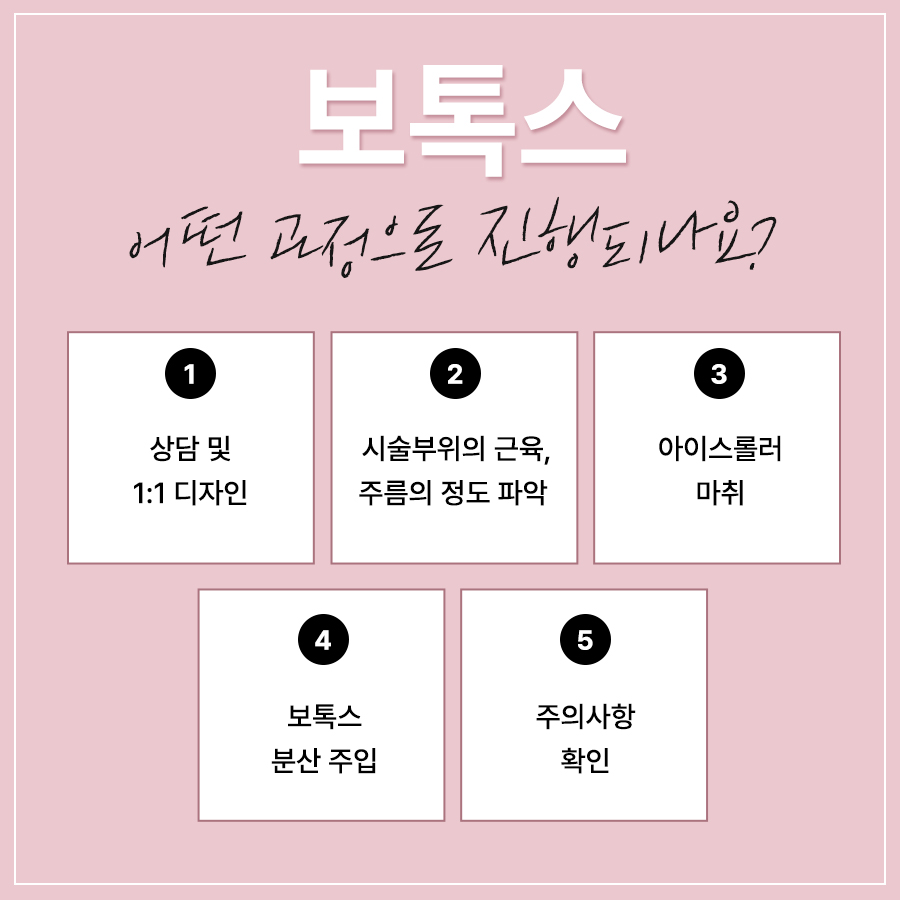
A typical Botox consultation at a specialized plastic surgery clinic in Seocho-gu follows several steps.
Pre-consultation
You will usually be asked to fill out forms about your medical history, current medications or supplements, allergies, previous Botox or filler treatments, and any chronic conditions. This information helps the doctor identify potential risks and adjust your plan.
Facial analysis
The doctor will observe your face at rest and in motion. You may be asked to raise your eyebrows, frown, smile, squint, or clench your jaw. This allows the doctor to assess muscle strength, asymmetry, habitual expressions, and skin elasticity.
Treatment design
Based on this analysis, the doctor will suggest specific areas to treat, such as forehead, glabellar lines, crow’s feet, masseter muscles, chin, or neck bands. They will decide how many units to use in each area and may discuss whether you might benefit from fillers or lifting in the future.
Explanation and expectations
You should receive a realistic explanation of:
- Onset time: usually a few days.
- Peak effect: around one to two weeks.
- Duration: several months, varying by area and individual metabolism.
- Limitations: for example, Botox cannot lift sagging skin significantly; it mainly works on muscle-related lines.
Consent and photography
Before treatment, you will sign consent forms and, in most clinics, have standardized photographs taken. These help with before-and-after comparison and serve as part of your medical record.
Injection procedure
Botox injections are performed by a qualified doctor using fine needles. Many patients describe the sensation as quick pinches. If you are sensitive, a topical numbing cream or ice may be used to reduce discomfort.
Post-injection guidance
After the procedure, staff will explain what to avoid for a short period, such as rubbing the treated area, lying flat immediately, or doing intense exercise right away. They will also tell you when to return for follow-up, and what to do if you notice any unexpected changes.
Safety, risks, and side effects
Botox is widely used and generally well tolerated, but like any medical procedure, it has potential side effects.
Common, usually mild side effects include:
- Temporary redness or small bumps at injection sites.
- Minor bruising.
- Slight swelling or tightness.
- Mild headache in some patients.
These usually resolve on their own within a few days.
Less common but more important risks can include:
- Eyelid or brow droop if the product spreads to nearby muscles.
- Asymmetry of expression.
- Changes in smile if injections around the mouth are not precisely placed.
- Difficulty chewing if masseter Botox is overdosed.
- Flu-like symptoms in rare cases.
Careful dosing, correct injection depth, and a strong understanding of facial anatomy help reduce these risks. A clinic with a structured safety system and an in-house anesthesiology specialist is better prepared to monitor patients and respond to any unexpected issues, even though serious complications from cosmetic Botox are rare.
It is important to tell your doctor about all medications and supplements you are taking, any neuromuscular conditions, pregnancy or breastfeeding status, and any previous reactions to Botox or similar products.
This article is for general information only and does not replace an in-person consultation with a qualified doctor.
Expected results and maintenance
Most patients notice the first effects of Botox within several days. Lines gradually soften, and muscles feel less tense. The peak effect usually appears around one to two weeks after treatment.
Over the next few months, the effect slowly wears off as nerve signals recover. The exact duration depends on the treated area, the dose used, and your individual metabolism. Many people find that forehead and crow’s feet Botox last around three to four months, while masseter Botox for jaw slimming may last a bit longer.
In a clinic that prioritizes natural results, the aim is not to erase every line but to create a softer, more rested appearance. Expressions remain, but the harshest creases are reduced.
For maintenance, many patients repeat Botox two to three times a year. Choosing a clinic in Seocho-gu that is easy to visit from your home, office, or hotel makes regular follow-up more convenient.
Local convenience and access for international patients
Seocho-gu, especially the Gangnam-daero area, is a central and well-connected part of Seoul. A clinic located on a high floor along this main road is easy to reach by subway and bus, which is helpful if you are staying in nearby districts.
A schedule with weekday hours, extended Thursday evening service, and Saturday availability suits busy professionals and travelers. You can often have a consultation and treatment on the same day, then return for a follow-up within the same trip or on your next visit to Korea.
Multilingual support in English, Chinese, and Japanese can make it easier for overseas patients to understand the procedure, sign consent forms confidently, and follow aftercare instructions.
Online consultation and pre-visit preparation
Before you travel to Seoul, it is wise to arrange an online consultation.
To prepare:
- Take clear photos of your face from the front and both sides, at rest and while making expressions (raising eyebrows, frowning, smiling, clenching your jaw).
- Prepare a list of your current medications, supplements, and any chronic health conditions.
- Note any previous Botox or filler treatments, including when and where you had them and whether you were satisfied with the results.
- Write down your main goals, such as softening forehead lines or slimming the jaw, and any specific worries, like avoiding a frozen look.
During the online consultation, ask about the suggested areas, approximate units, expected number of visits, and how soon after arrival you can be treated. This helps you plan your travel schedule realistically.
Typical Korea visit timeline for Botox
For most overseas patients, a Botox-focused visit can be quite short.
Day 1: In-person consultation and treatment
Arrive at the clinic for an in-person consultation. The doctor confirms your medical history, examines your face, and finalizes the plan. If everything is appropriate, Botox can often be performed on the same day. The procedure itself is usually quick, often under 30 minutes.
Days 2–3: Early changes and mild sensitivity
You may notice mild redness or tiny marks at injection sites, which usually fade quickly. Some patients feel slight tightness. Most people can return to normal daily activities immediately, avoiding only heavy exercise or massage in the treated areas for a short time.
Days 4–14: Main effect period
Wrinkles and muscle activity gradually soften. Around one to two weeks, the result is near its peak. If you are still in Korea, this is a good time for a brief follow-up visit if needed.
After 2 weeks and beyond
You can usually return to your home country well before the full effect appears. If any questions arise later, you can contact the clinic online, send photos, and discuss your next maintenance session when you plan your next trip.
Aftercare guidance
After Botox, clinics typically recommend:
- Avoid rubbing or massaging the treated areas for several hours.
- Avoid lying completely flat for a few hours after treatment, depending on the doctor’s advice.
- Delay intense exercise or sauna use for a short period.
- Avoid alcohol on the same day if possible.
If you notice unusual symptoms such as significant drooping, difficulty closing your eyes, or changes in chewing or speech, you should contact the clinic promptly for advice.
FAQ about Botox in Seocho-gu
Is Botox very painful and is there downtime?
Most patients describe Botox injections as quick pinches rather than strong pain. Fine needles are used, and topical numbing or ice can be applied if you are sensitive. There is usually little to no downtime. You may see small red marks or slight swelling that fade within hours to a couple of days, so many people return to work or sightseeing immediately.
How long does Botox last and how often should I repeat it?
The effect of Botox generally starts within a few days, peaks at one to two weeks, and then gradually wears off over several months. Many people find that facial wrinkle treatment lasts about three to four months, while jaw slimming effects can last a bit longer. Most patients repeat treatment two to three times a year, but the exact interval depends on your goals and how your body responds.
Will Botox make my face look frozen or unnatural?
When Botox is planned and dosed carefully by a doctor who understands facial anatomy, the aim is to soften lines while maintaining natural expressions. In a clinic that prioritizes subtle, proportionate results, doses are adjusted to your muscle strength and lifestyle. If you clearly communicate that you want a very natural look, the doctor can plan a more conservative approach and adjust over time.
When is a good age to start Botox?
There is no single “correct” age. Many people in their late 20s or 30s start Botox when they notice that expression lines remain even when the face is relaxed. Others begin in their 40s to soften more established wrinkles. The decision depends on your skin condition, muscle activity, and personal preference. A consultation with a qualified doctor in Seocho-gu can help determine whether now is an appropriate time for you.
Can overseas patients safely get Botox during a short trip to Seoul?
Many overseas patients receive Botox during short visits, as the procedure is quick and has minimal downtime. The key is to choose a clinic with experienced plastic surgeons, a strong safety system, multilingual support, and clear follow-up channels after you return home. Planning an online consultation before your trip and scheduling at least one to two days in Seoul after treatment can make the process smoother.
Balanced call to action
If you are considering Botox in Seocho-gu and want natural, subtle results rather than aggressive over-injection, it may be helpful to consult a clinic that combines detailed facial anatomy knowledge with a strong safety system and multilingual support. An online consultation with a clinic such as The Plus Plastic Surgery can help you understand which areas to treat, how many visits you might need, and how to fit Botox into your travel schedule.
Use this guide as a starting point, prepare your questions in advance, and choose a clinic where you feel fully informed and comfortable before proceeding with treatment.

- 공유 링크 만들기
- X
- 이메일
- 기타 앱


댓글
댓글 쓰기