Sinnonhyeon Forehead Contouring Consultation — Results and Expectations

Direct answer: what results can you expect?
Forehead contouring consultations in the Sinnonhyeon and Gangnam area usually aim to smooth a flat or uneven forehead, soften forehead and glabellar lines, and create a gentler side profile. When hyaluronic acid is used in the forehead and glabella, some patients report a rounder, more balanced forehead, reduced shadowing above the eyes, and a softened expression; however, individual results vary and depend on factors such as product choice, injection technique, and personal anatomy.
Many clinicians report that initial changes can often be seen right after the procedure, with the treated area settling over a period of days to a few weeks as any swelling decreases. Longevity varies widely by product, placement, and individual factors, so ask your treating clinician for product‑specific expectations. Because this is a non‑surgical procedure, downtime is generally short, though bruising or swelling can occur and will vary by person.
This article explains how forehead vision consultation is planned and performed, what realistic before and after changes look like, how long the results usually last, and how to prepare if you are visiting Korea from overseas for treatment in the Sinnonhyeon and Gangnam area.

What is forehead vision consultation with hyaluronic acid?
In this context, forehead vision consultation means a non-surgical contouring approach around the upper face to improve how the forehead and glabella area look and how they influence the overall impression of the eyes. Instead of focusing only on the eyeball or vision correction, this type of consultation considers how the forehead shape, frown lines, and shadows around the brow region affect your expression and profile.
Hyaluronic acid contouring of the forehead and glabella uses an injectable gel that is similar to a substance naturally found in the body. It is placed in precise layers of the forehead and between the eyebrows to:
- Create a smoother, rounder forehead when the area is flat or sunken
- Reduce the depth of horizontal forehead lines
- Soften vertical frown lines between the eyebrows
- Improve the transition between the upper nose bridge and forehead
Because this procedure is often done in an eye clinic setting, the doctor may also consider how the forehead contour interacts with the brow position, eyelid area, and upper eye socket. The goal is not only a prettier forehead, but also a softer overall gaze and more harmonious upper face.
Who may consider forehead vision consultation in Sinnonhyeon
People around the Sinnonhyeon and Gangnam area, including international visitors, commonly look into forehead vision consultation when they notice one or more of the following:
- A very flat forehead that makes the side profile look sharp or masculine
- Uneven forehead contour with small depressions or bumps that show in photos
- Deep horizontal lines across the forehead that make them look tired or older
- Strong vertical frown lines between the eyebrows that give a harsh or angry expression
- A sharp transition between the nose bridge and forehead that looks too angular

You may consider this procedure if:
- You want a non-surgical option to improve forehead shape and expression
- You prefer a relatively quick treatment with short downtime
- You understand that results are temporary and will gradually fade
- You are in generally good health and can follow aftercare instructions
On the other hand, this procedure may not be suitable if you have certain medical conditions, are pregnant or breastfeeding, have a history of severe allergies to injectable products, or have unrealistic expectations of permanent or dramatic change. A detailed consultation with a doctor is essential before deciding.
How the consultation and planning process works
At a clinic that focuses on vision-related procedures and upper face harmony, the consultation usually includes more than a quick look at the forehead. The doctor may:
Review your concerns in detail
Ask what you dislike most: lines, flatness, asymmetry, or a harsh expression
Check your forehead at rest and while you raise your brows or frown
Evaluate how your forehead shape affects the appearance of your eyes and brow area
Review your medical history, medications, allergies, and any previous procedures
Photo analysis and profile evaluation
Many clinics in the Sinnonhyeon and Gangnam area use front and side profile photos to plan forehead contouring. From these images, the doctor can:
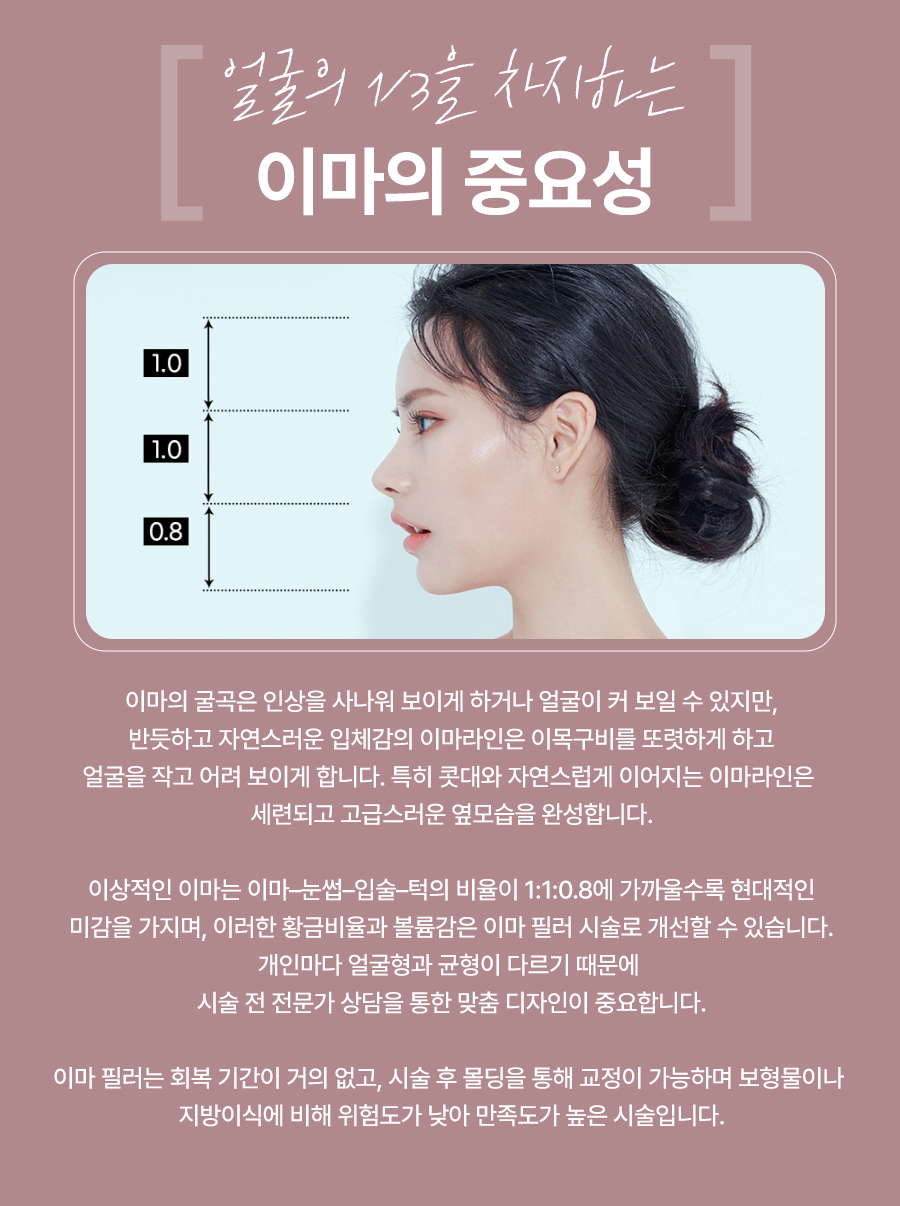
- Assess the degree of flatness or depression in the forehead
- Check for asymmetry between the right and left sides
- Evaluate the angle between the nose bridge and forehead
- Plan how much hyaluronic acid is needed and where to place it
Some clinics may also use digital imaging to show possible changes. This is not a guarantee of results, but it can help you understand the direction of the planned contour.
Setting realistic expectations
During consultation, it is important to discuss:
- How much improvement is realistic for your starting anatomy
- How natural you want the result to look
- How you feel about a slightly fuller forehead in the first weeks
- How long the effect is expected to last for the specific product used
A good consultation leaves time for your questions and does not rush you into a decision.
Step-by-step overview of the procedure
While each clinic has its own protocol, forehead and glabella hyaluronic acid contouring in an eye clinic setting often follows these steps.
1. Pre-procedure assessment
The doctor confirms the treatment plan, checks your forehead and glabella again, and may mark key areas on the skin. They will review consent forms and answer any last questions.
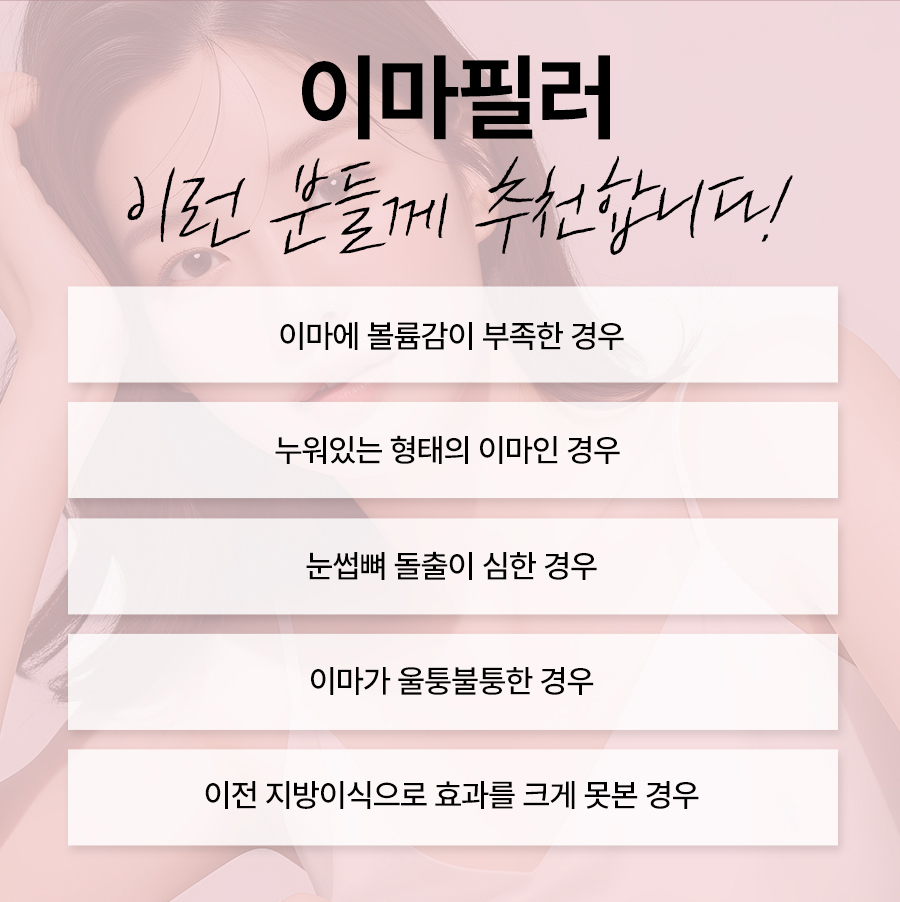
2. Cleansing and anesthesia
The skin is cleansed to reduce the risk of infection. Depending on the clinic and your pain tolerance, options may include topical numbing cream, local anesthetic injection in specific points, or using a product that already contains a numbing ingredient.
3. Injection technique
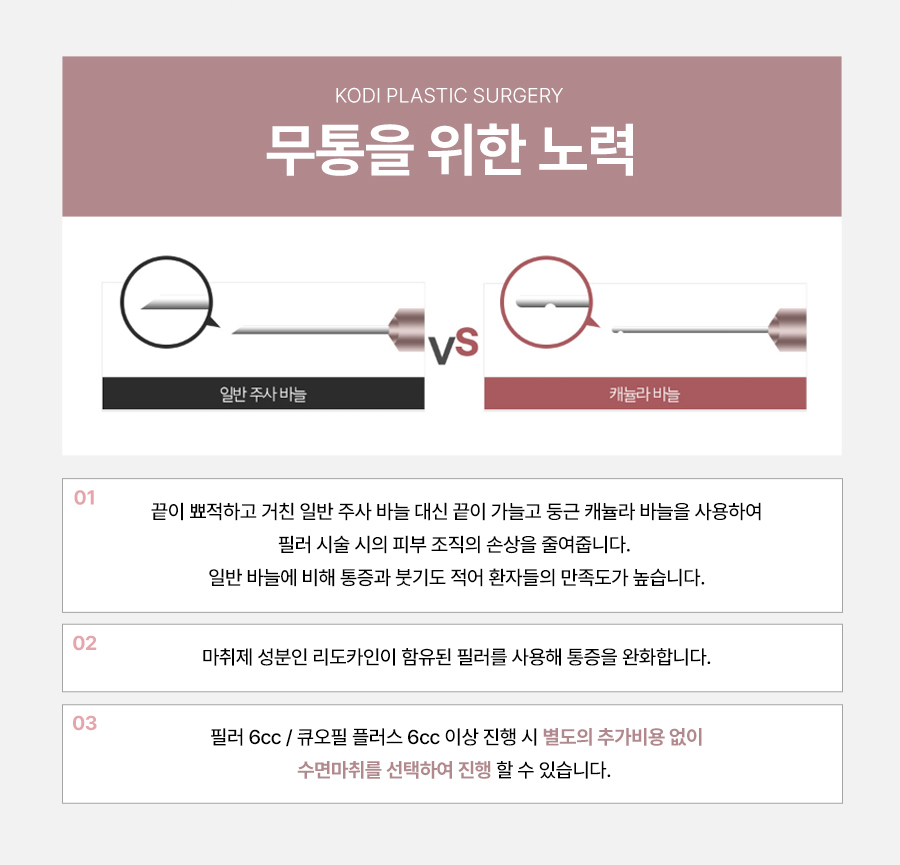
The doctor may use a fine needle or a blunt‑tipped cannula. Some clinicians prefer a blunt‑tipped cannula in the forehead because it may reduce bruising in certain cases and can allow smoother placement of the product; the choice of technique varies with clinician preference and patient anatomy.
Typical target areas include:
- Upper and central forehead to add gentle volume and roundness
- Lateral forehead to balance the sides
- Glabella area between the eyebrows to soften frown lines and harsh shadows
The doctor will slowly place small amounts of hyaluronic acid and shape it with gentle pressure to create a smooth contour.
4. Checking symmetry and contour
You may be asked to sit up so the doctor can check the contour in a more natural position. They may add small adjustments to improve symmetry or smoothness.

5. Immediate aftercare in the clinic
After the injections, the area is usually cooled with a pack to minimize swelling. The staff will give you instructions about what to avoid in the first hours and days.
The entire procedure time, including preparation, is often under one hour, but this can vary.
Realistic before and after changes
Forehead vision consultation with hyaluronic acid contouring does not change the bone structure, but it can significantly alter how light and shadow fall on your upper face. Realistic changes may include:
From flat to gently rounded forehead
A flat forehead can make the face look longer and more angular. After contouring, the forehead often appears slightly fuller and more rounded. This can soften the overall impression and make the side profile look more balanced.
Softening forehead lines
Horizontal lines may appear less deep because the skin is supported from underneath. However, very strong dynamic lines caused by muscle movement may still appear when you raise your eyebrows. In such cases, some people combine contouring with other treatments after discussing with the doctor.
Smoother glabella and less harsh expression
Vertical frown lines between the eyebrows can cast shadows and create a stern or worried look. Hyaluronic acid in the glabella can reduce these shadows and make the central forehead smoother. Many patients feel their expression looks more relaxed, especially in photographs.

Improved transition from nose bridge to forehead
A sharp angle between the upper nose bridge and forehead can be softened by adding volume just above this area. The result is often a more continuous curve from nose to forehead, which can influence how the eyes and brow area are perceived.
Individual results vary, and subtle, natural-looking changes are usually the goal. It is important to understand that photos shown by clinics are examples, not promises.
How long do results last?
The duration of forehead and glabella hyaluronic acid results depends on several factors:
- Type and density of hyaluronic acid product used
- Amount injected and depth of placement
- Your metabolism and lifestyle
- Movement of the forehead muscles
Results can last several months to more than a year depending on the product used and individual factors; the forehead's lower mobility can sometimes contribute to longer persistence in some people, but duration varies and is best discussed with the treating clinician.

Over time, the hyaluronic acid gradually breaks down and is absorbed by the body. You can choose to repeat the procedure when you feel the effect has decreased, after discussing timing and safety with the doctor.
Safety considerations and possible side effects
Any injectable procedure carries potential risks. Common, usually temporary side effects include:
- Redness, swelling, or mild pain at injection sites
- Small bruises
- Sensation of fullness or tightness in the forehead for a few days
Less common but more serious complications can include unevenness, visible lumps, prolonged swelling, or vascular issues. This is why it is important to:
Choose a clinic where the doctor is experienced with forehead and glabella anatomy
Share your full medical history and any medications or supplements
Follow all aftercare instructions
Contact the clinic promptly if you notice unusual pain, color change, or vision changes
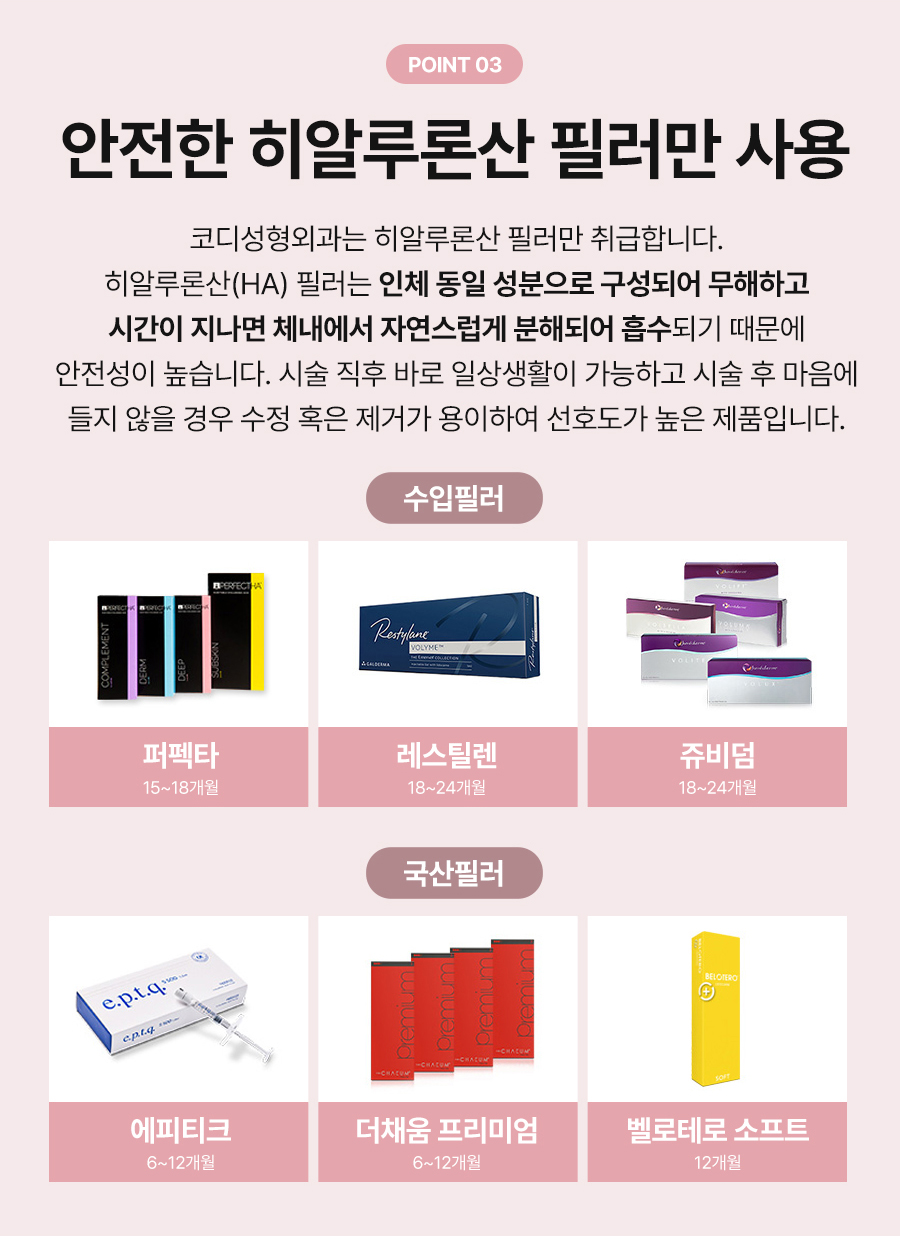
A clinic that regularly performs vision-related procedures and upper face treatments is often familiar with the delicate structures around the eyes and forehead, which can be helpful in planning and performing this type of contouring.
Preparing for your visit to Korea
If you are an overseas patient planning forehead vision consultation near Sinnonhyeon Station on Gangnam-daero in Seocho-gu, it is helpful to organize your trip in advance.
Online consultation before you fly
Most clinics that welcome international patients offer some form of online or video consultation. Before booking flights, you can usually:
- Send clear photos of your face from the front, 45-degree angle, and side
- Explain your main concerns and what kind of change you hope for
- Share any previous procedures in the forehead or brow area
- List your medical conditions, medications, and allergies
During online consultation, ask about:
- Whether you are a likely candidate based on your photos
- What kind of product and approximate volume they usually use for similar cases
- How many days they recommend you stay in Korea after the procedure
- What to do if you experience issues after returning home
Documents and information to prepare
Before your visit, prepare:
- Passport and travel insurance details
- A list of medications and supplements you take
- Information about any past eye surgeries or upper face procedures
- Contact details of your local doctor in case follow-up is needed
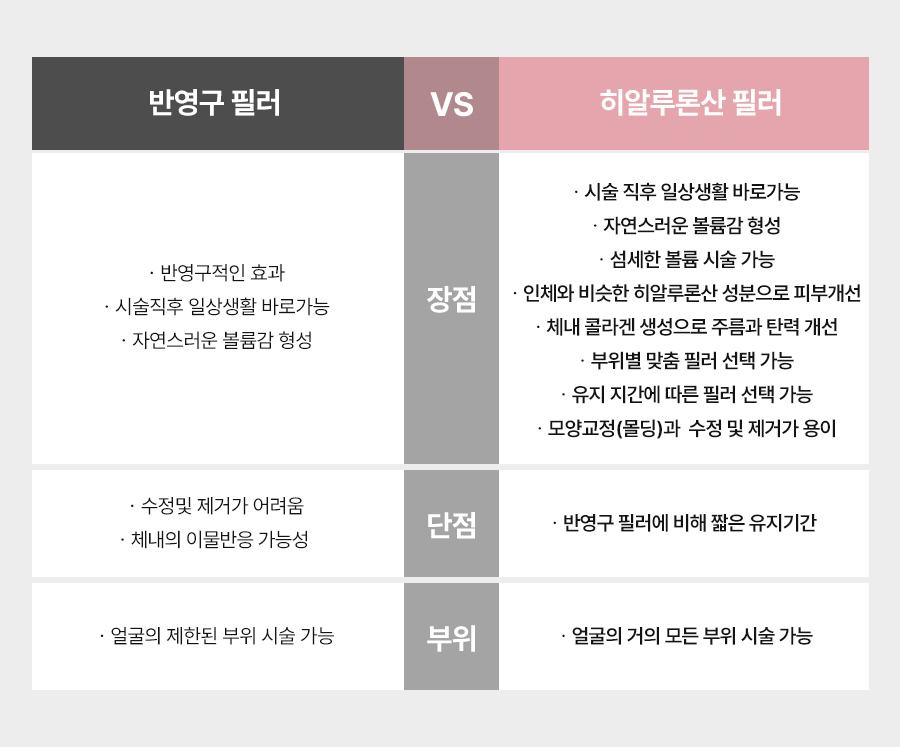
If you wear contact lenses or glasses, bring them, as the clinic may wish to check how your forehead and brow position interact with your eye area.
Typical Korea visit timeline for forehead vision consultation
The schedule can be adjusted, but a common timeline for international patients might look like this.
Day 1: Arrival and consultation
Arrive in Seoul and check into your accommodation near Sinnonhyeon or Gangnam. Many patients choose hotels or guesthouses within walking distance of Gangnam-daero for convenience.
Visit the clinic for an in-person consultation. The doctor will:
- Reconfirm your concerns and goals
- Examine your forehead, glabella, and upper face
- Explain the plan and answer questions
Some patients choose to have the procedure on the same day if both they and the doctor agree and there are no medical reasons to delay.

Day 1 or Day 2: Procedure day
If your procedure is scheduled for the next day, you may be asked to avoid alcohol and certain supplements that can increase bruising. On the day of treatment, allow enough time for numbing, the procedure itself, and a short rest afterward.
Day 2 to Day 4: Early recovery
Mild swelling or small bruises can appear and are usually most visible in the first 2 to 3 days. Many people feel comfortable going out with light makeup after 24 hours, but this can vary.
If you are combining this with other eye-related procedures, the clinic will guide you on the safest sequence and timing.
Day 5 to Day 7: Follow-up visit and departure
If your stay allows, a brief follow-up visit can be scheduled to check the contour, symmetry, and your comfort level. Small adjustments, if needed and appropriate, may be discussed at this time.
Many international patients plan to stay in Korea for about one week to allow for consultation, treatment, and at least one follow-up before flying home.
Aftercare and recovery tips
Proper aftercare supports smoother recovery and more stable results. General guidance often includes:

First 24 hours
- Avoid pressing or massaging the forehead and glabella unless instructed
- Keep your head elevated when resting
- Use a cool pack wrapped in a clean cloth for short periods to reduce swelling
- Avoid heavy exercise, saunas, and hot baths
First week
- Do not undergo facial massages or strong skin treatments in the forehead area
- Avoid excessive alcohol and very salty foods that may increase swelling
- Use gentle skincare and avoid harsh exfoliants on the treated area
- Protect your skin from strong sun exposure with a hat or sunscreen once the skin is calm
Longer term
- Monitor how the contour settles over 2 weeks
- Contact the clinic if you notice persistent lumps, pain, or color changes
- Plan future touch-up treatments only after discussing timing with your doctor
Remember that everyone heals at a different pace. Mild asymmetry or unevenness often improves as swelling decreases.
Questions to ask before you decide
When comparing clinics around Sinnonhyeon and Gangnam, it helps to look beyond price alone. Consider preparing these questions in a memo before your consultation:

How many forehead and glabella contouring procedures does the doctor perform regularly?
What type of hyaluronic acid product will be used, and why was it chosen for me?
Will a needle or cannula be used, and what are the pros and cons for my case?
What level of pain should I expect, and what anesthesia options are available?
How long should I plan to stay in Korea for safe follow-up?
What is the plan if I experience a complication after I return home?
You can also ask about practical details such as language support, how to contact the clinic via messaging apps, and whether they provide written aftercare instructions in English.
Frequently asked questions
How long does forehead vision consultation with hyaluronic acid take?
The treatment itself is usually quite quick. Including cleansing, numbing, and the injection process, many patients spend around 30 to 60 minutes in the procedure room. However, you should allow extra time for consultation and rest afterward, especially if it is your first visit.
Is the procedure painful?
Most people describe the sensation as mild to moderate discomfort rather than severe pain. Numbing cream, local anesthetic, and products containing a numbing ingredient can make the procedure more comfortable. Pain tolerance varies, so it is important to tell the doctor if you feel too much discomfort so they can adjust.
When will I see the final result?
You can see an immediate change in forehead shape right after the procedure, but this is not the final result. Swelling and minor redness can make the area look fuller at first. Over about 1 to 2 weeks, swelling usually decreases and the contour looks more natural. If any small irregularities remain after this period, discuss them with your clinic.
Can I fly soon after the procedure?
Many international patients do fly after forehead and glabella contouring, but it is generally safer to allow at least a couple of days between the procedure and a long flight. This gives you time to monitor early healing and contact the clinic if needed. Your doctor can give you more specific advice based on your health, the extent of treatment, and your travel schedule.
Soft call to action
If you are considering forehead vision consultation to improve a flat or uneven forehead, forehead lines, or a harsh profile while visiting the Sinnonhyeon and Gangnam area, an online consultation can help you understand your options before you travel. By sharing clear photos and your concerns in advance, you can receive a more personalized plan, an estimated treatment schedule, and practical guidance for your stay in Seoul.
Contact a clinic that focuses on vision-related and upper face procedures for a detailed evaluation, and use the questions in this guide to make sure you feel informed and comfortable with your decision.






댓글
댓글 쓰기