Sinnonhyeon forehead filler results and what to expect in Korea
- 공유 링크 만들기
- X
- 이메일
- 기타 앱
Direct answer: what results to expect near Sinnonhyeon
If you're considering forehead filler near Sinnonhyeon, expect an immediate improvement toward a smoother, rounder forehead and a softer brow-to-hairline profile that can make you look less tired. For the most natural outcome, volume should be matched to your facial structure and balanced with the temples and brow area.
This guide explains how forehead filler works, what kind of changes you can realistically expect, how long it lasts, and what to watch out for as an overseas visitor coming to the Sinnonhyeon and Gangnam-daero area.
What is forehead filler and how does it change the forehead shape
Forehead filler overview
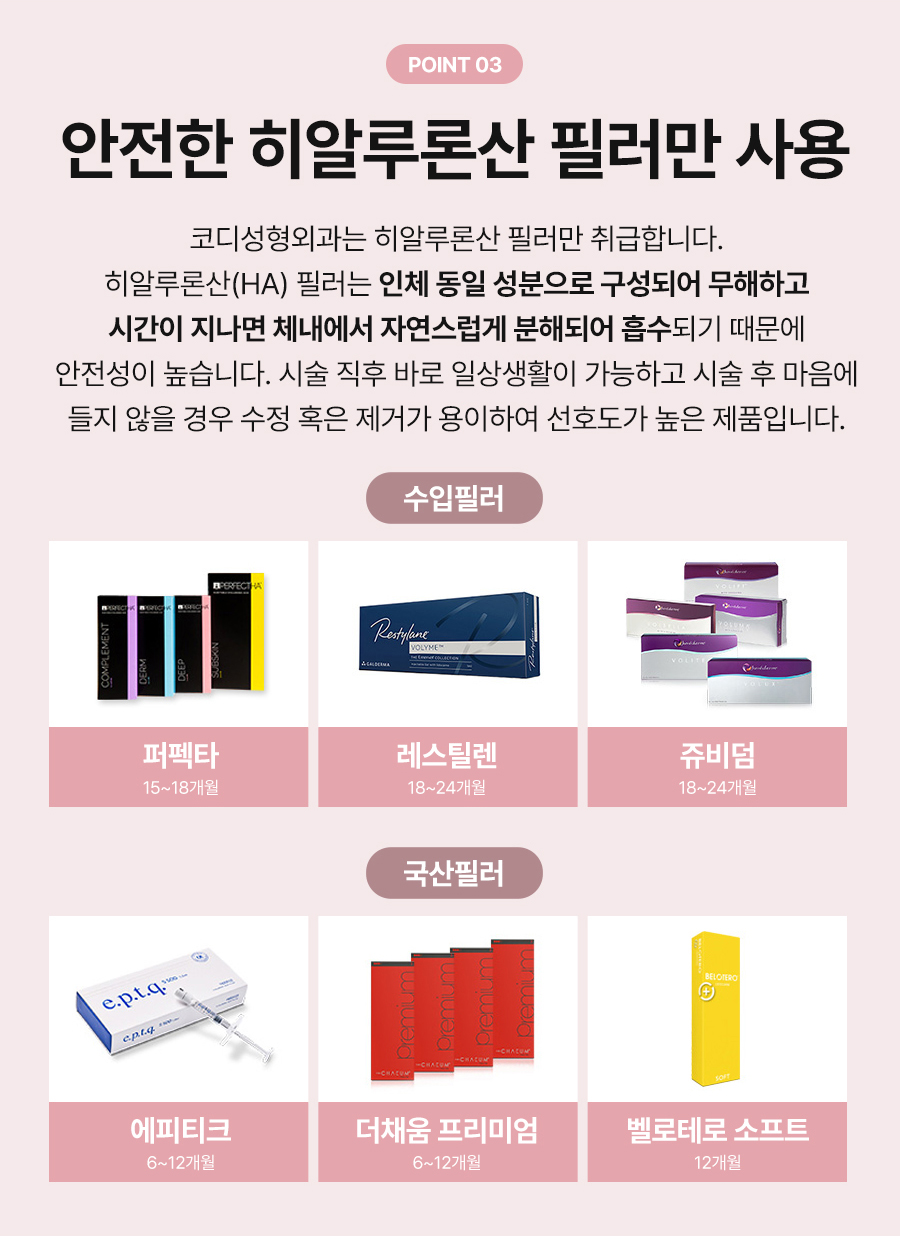
Forehead filler is a non-surgical contouring procedure that uses injectable hyaluronic acid (or a similar gel-like filler) to add volume to the upper face.
By placing filler in specific layers of the forehead, the doctor can:
- Fill flat or sunken areas that make the forehead look hollow
- Soften a bony or strongly masculine contour
- Smooth shallow horizontal lines and small dents
- Create a gentle, continuous curve from the brow to the hairline

Because hyaluronic acid attracts water, it can also give the skin a more hydrated, plump appearance. The effect is volumizing rather than lifting, so it is best for shaping and softening rather than tightening sagging skin.
How the forehead line changes
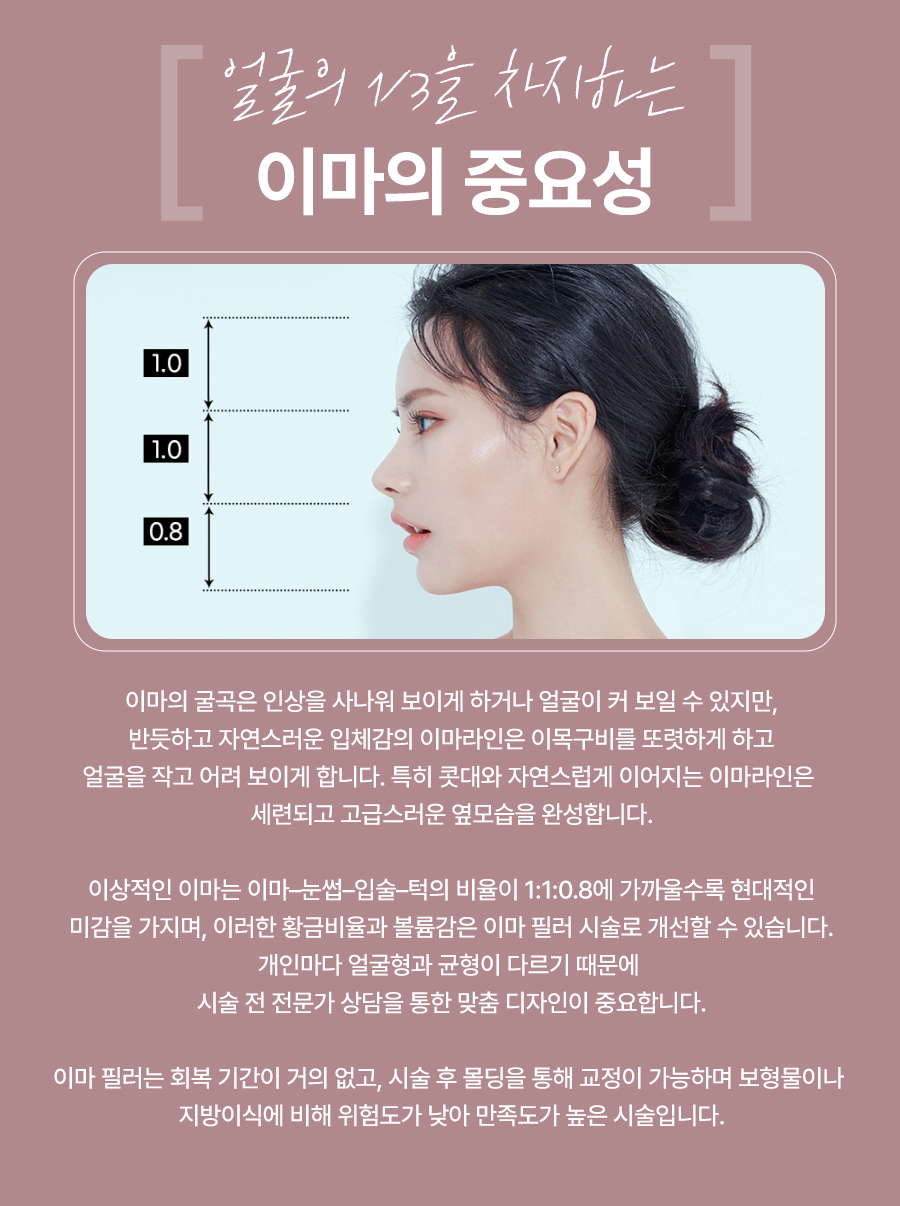
From the side view, many people notice that their forehead looks flat or even slightly concave, with a sharp step between the brow and the hairline. Forehead filler can round out this area so the transition is smoother and more continuous.
From the front, the forehead can look less bony and less harsh. Subtle asymmetries between the left and right side can sometimes be improved by carefully adjusting the volume on each side. When the forehead is designed together with the temples and brow area, the upper face can look more harmonious overall.
Main effects and benefits of forehead filler near Sinnonhyeon
Softer forehead contour
Many people around Sinnonhyeon who ask about forehead filler want a softer, more refined contour. Typical changes include:
A flat or slightly sunken forehead becomes more rounded
The side profile shows a gentle convex curve instead of a sharp angle
The transition from the brow bone to the hairline looks smoother and less abrupt
This softening effect can be adjusted. Some patients want only a subtle change, while others prefer a more noticeable roundness. During consultation, the doctor can show reference angles and discuss how much volume is appropriate for your face.

Younger, less tired impression
Loss of volume in the upper face can make the forehead look bony and the overall face look older or more tired. By restoring some of this volume with filler, the upper third of the face can look less hollow and more hydrated.
This does not replace full anti-aging treatment, but it can:
Reduce a skeletal or harsh look in the forehead area
Make the skin surface appear smoother where shallow lines are filled from underneath
Shift attention toward the eyes in a more balanced way
More balanced facial proportions
Forehead filler is often chosen not only for the forehead itself but for overall facial balance. A slightly fuller forehead can:
Harmonize with the nose, brow, and temples
Make the mid-face and eyes appear more three-dimensional, even without touching those areas
Improve the overall profile line when viewed from the side
This area-specific filler lineup allows the doctor to design a forehead that matches the rest of the face rather than treating it in isolation.
Improvement of mild lines and irregularities
When volume is added under the skin, shallow horizontal lines and small dents can look smoother. However, it is important to understand the limits:
Static lines and small irregularities can often be softened by filler
Deep dynamic wrinkles caused by strong muscle movement (for example, when raising the eyebrows) may still be visible and may require botulinum toxin in combination if appropriate
Your doctor can explain which lines are likely to improve with filler alone and which might need combined treatment.
Non-surgical and reversible
Forehead filler is a non-surgical procedure.
Other points that reassure first-time patients include:
Immediate visible effect after injection
Hyaluronic acid filler can be dissolved with a special enzyme (hyaluronidase) if necessary, for example in case of overfilling, asymmetry, or certain complications
Adjustable volume over time through touch-up sessions
Who may consider forehead filler
Typical candidates
Forehead filler can be considered by a wide age range of patients, especially:
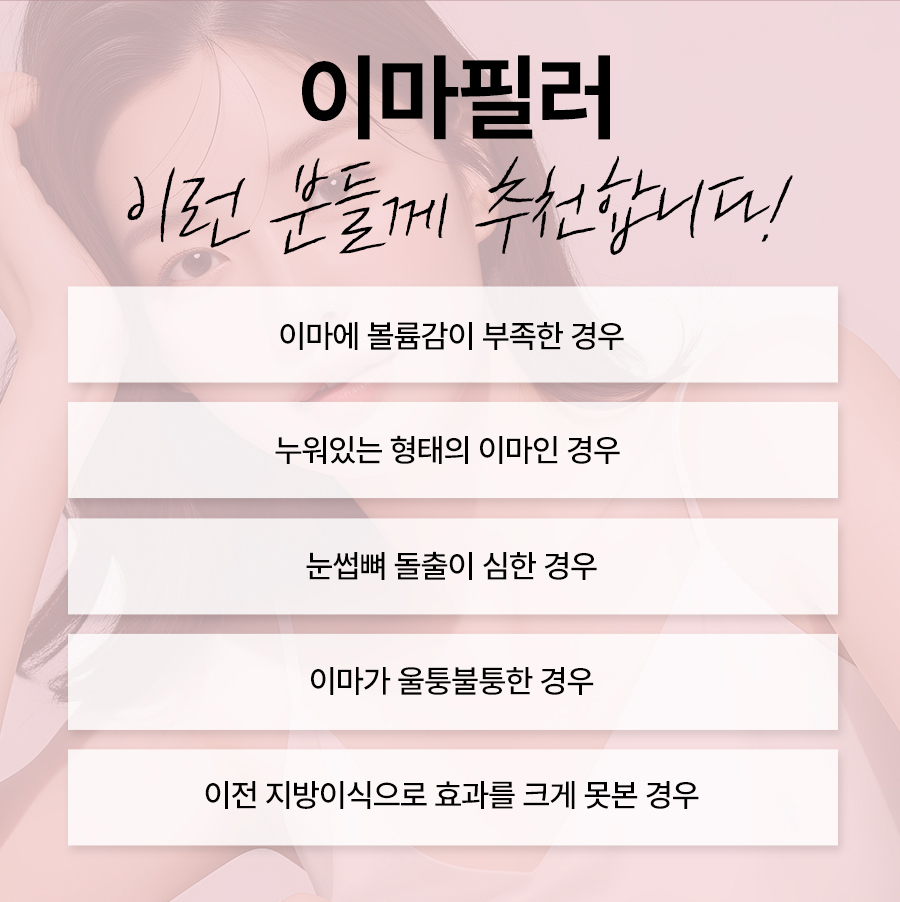
People in their 20s and 30s with naturally flat or slightly sunken foreheads who want a softer, more feminine or refined contour
People in their 30s to 50s who notice early volume loss in the upper face and want a younger impression without surgery
Those who want to test how a fuller forehead looks before deciding on longer-lasting options such as fat grafting
Patients who prefer a quick, outpatient treatment with relatively short downtime
Who should be cautious
You should discuss your situation carefully with a doctor if you:
Have a history of severe allergies or reactions to fillers
Previously had filler or surgery in the forehead area
Have underlying medical conditions or are taking medications that affect healing or blood clotting
In these cases, a detailed medical history and risk assessment are important before deciding on the procedure.
Treatment process: what to expect on the day
Consultation and facial analysis
Your visit usually starts with a consultation and examination of your forehead from both the front and side. The doctor will ask about your concerns, such as:
- Flatness or hollowness
- Asymmetry between left and right
- A bony or masculine look
- Shallow lines or small dents
They will also evaluate how your forehead relates to your brow, nose, and hairline, and whether the temples or brow area also need attention for a natural result. Based on this, they will suggest a filler type, approximate volume, and injection depth.
Safety checks
Before treatment, the clinic team will review your medical history, allergies, and any previous filler or surgery in the upper face. The forehead has important blood vessels, so understanding your anatomy and any past procedures helps reduce risk.
Some clinics on Gangnam-daero, including KODI Plastic Surgery, note that forehead filler is performed by board-certified plastic surgeons who are familiar with the area's vascular anatomy. KODI also has a board-certified anesthesiology and pain medicine specialist on staff, which can support monitoring and emergency preparedness during procedures.
Design and marking
Once you decide to proceed, the doctor will design the target shape and mark key injection points on your forehead. The goal is to:

- Avoid overfilling or creating visible lumps
- Blend smoothly into the temples and glabella area
- Maintain symmetry between left and right
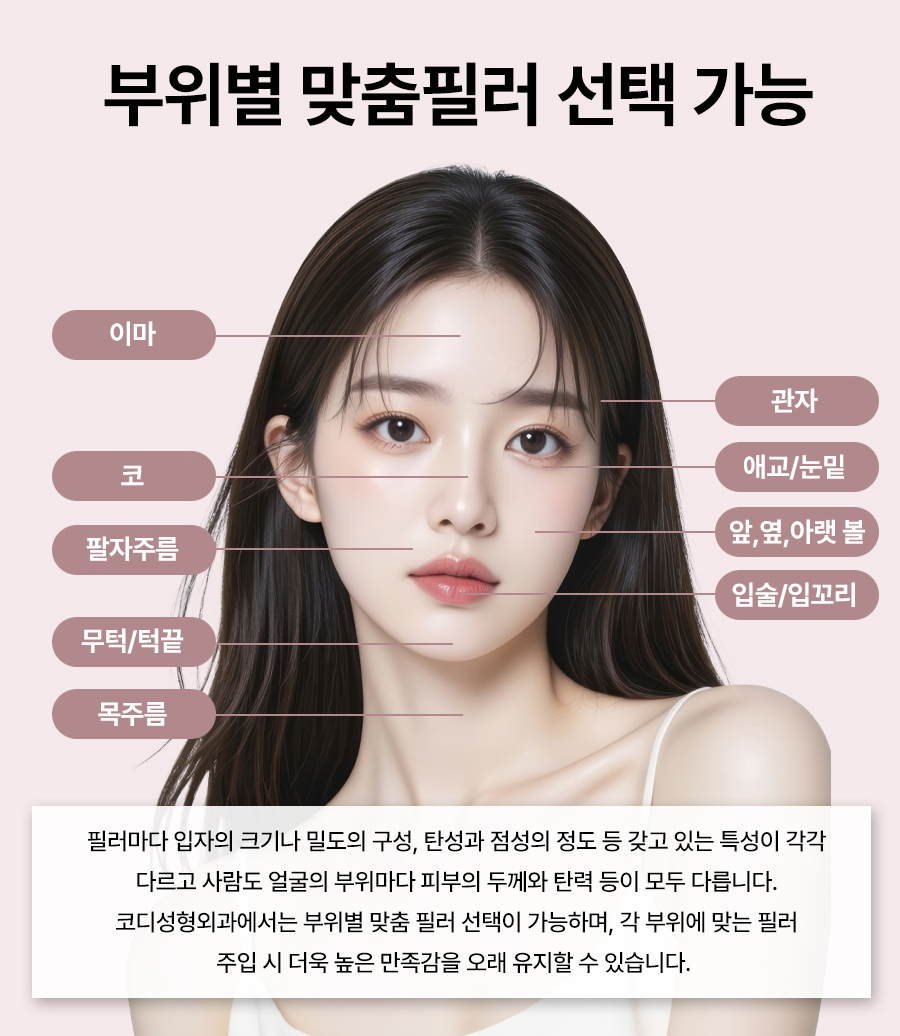
At clinics with a dedicated facial filler center and segmented filler menu by area, this design step is usually detailed, because each part of the upper face has a different ideal volume and injection depth.
Anesthesia
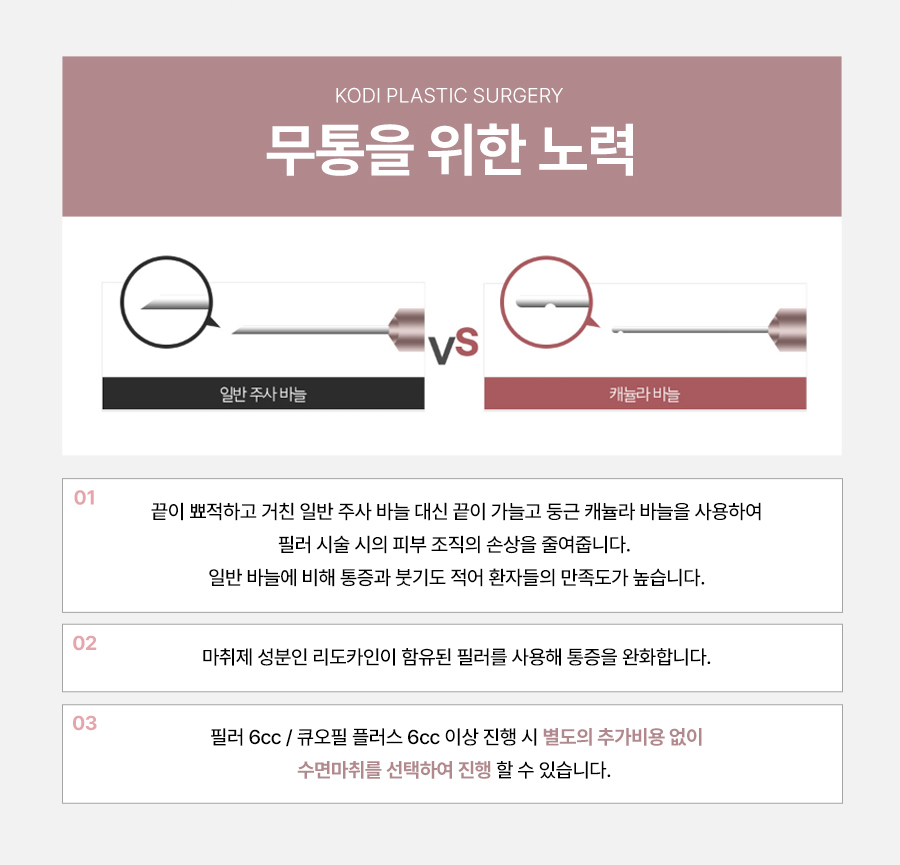
To reduce discomfort, topical numbing cream is applied and sometimes a local anesthetic is used. Most patients describe the sensation as pressure or mild stinging rather than strong pain. The injection time itself is usually short, and any discomfort tends to be brief.
Injection
The doctor may use a cannula (a blunt-tipped instrument) or a needle, or a combination, depending on your anatomy and the planned design. The choice is based on safety and the level of precision required.
Filler is injected gradually, often with you in a sitting or semi-sitting position. This allows the doctor to check the curve and symmetry in a position that closely matches how you look in daily life. They may pause several times to assess the shape from different angles and adjust the volume.
Immediate check and photos
After the injections, the doctor will gently smooth the area if needed and check the contour from the front, side, and three-quarter angles. Reference photos are often taken to document the initial result and to help evaluate changes at follow-up.
Expected timeline of results
Right after treatment
Immediately after forehead filler, you will see a visible change in volume and shape. The forehead may look slightly more pronounced than the final result because of mild swelling. There can also be temporary redness or small marks at the injection sites.
1–2 days after
Over the first couple of days, swelling usually decreases. The contour starts to look more natural, and any minor redness tends to fade. Some patients may notice slight tenderness or a feeling of fullness, which typically improves on its own.
1–2 weeks after
Around 1–2 weeks, the filler has generally settled, and the final shape is easier to evaluate. This is often the time when follow-up checks are scheduled to assess symmetry and decide whether a small adjustment is needed.
How long results last
The duration of forehead filler varies, but many patients experience results lasting from several months to over a year. Factors that influence longevity include:
- Type and firmness of the filler used
- Injection depth and technique
- Individual metabolism and lifestyle
- Movement and tension in the forehead muscles
As the filler gradually breaks down, the forehead slowly returns toward its original shape. Touch-up sessions can help maintain the preferred contour over time.

Safety, risks, and how specialized filler centers manage them
Common, usually mild effects
Most patients experience only mild and temporary side effects such as:
- Swelling and redness at injection sites
- Minor bruising
- Tenderness or a feeling of pressure
- Slight asymmetry during the early settling phase
These usually improve over several days. If a small asymmetry remains after swelling has resolved, it may be corrected with a minor adjustment.
Less common issues
Less common but possible issues include:
Lumps or unevenness if filler is not evenly distributed
Overfilling that leads to an overly bulging or unnatural forehead
These can sometimes be managed by gentle massage as instructed by the doctor, small additional injections to balance the contour, or in some cases dissolving a portion of the filler.
Rare but serious risks
Forehead filler, like any filler procedure, carries rare but serious risks, particularly related to blood vessels. These include:
Vascular occlusion, where a vessel is blocked by filler, potentially affecting the skin
In extreme cases, if a vessel connected to the eye is involved, there can be a risk to vision
Because of these possibilities, it is important to choose a clinic where the procedure is performed by doctors experienced in forehead anatomy and where safety protocols are in place.
Safety systems in specialized clinics
Clinics with a strong focus on filler procedures often highlight the following safety measures:
Procedures performed by board-certified plastic surgeons familiar with forehead vascular anatomy
Use of cannula where appropriate to reduce the chance of vessel injury
In-house anesthesiology and pain medicine specialist for monitoring and emergency response
Clear protocols for early detection and management of complications
Availability of hyaluronidase to dissolve hyaluronic acid filler quickly if needed
These systems do not remove all risk, but they are designed to reduce risk and respond promptly if a problem occurs.
Aftercare and what overseas patients near Sinnonhyeon should know
Immediate aftercare
After forehead filler, you will receive specific instructions, which often include:
Avoid pressing, massaging, or rubbing the forehead for several days unless your doctor specifically instructs you to do so
Do not sleep face-down or with strong pressure on the forehead
Refrain from intense exercise, saunas, hot baths, and heavy alcohol consumption for a short period, as these may increase swelling or bruising
Avoid tight hats, helmets, or headbands that press on the forehead right after the procedure
Monitoring for warning signs
You should contact the clinic immediately or seek urgent care if you notice:
- Unusual or severe pain that does not improve
- Sudden color changes in the skin (for example, pale or dark patches)
- Visual symptoms such as blurred vision or sudden visual changes
These can be signs of vascular problems and need prompt evaluation.
Follow-up visits
For overseas patients, it is helpful to plan at least one follow-up visit within 7–14 days after treatment, if your travel schedule allows. During this visit, the doctor can:
- Check how the filler has settled
- Evaluate symmetry and contour from multiple angles
- Discuss whether a small top-up or adjustment is appropriate
If you are staying for a shorter time, inform the clinic in advance so they can plan your schedule accordingly.
Comparison with other options
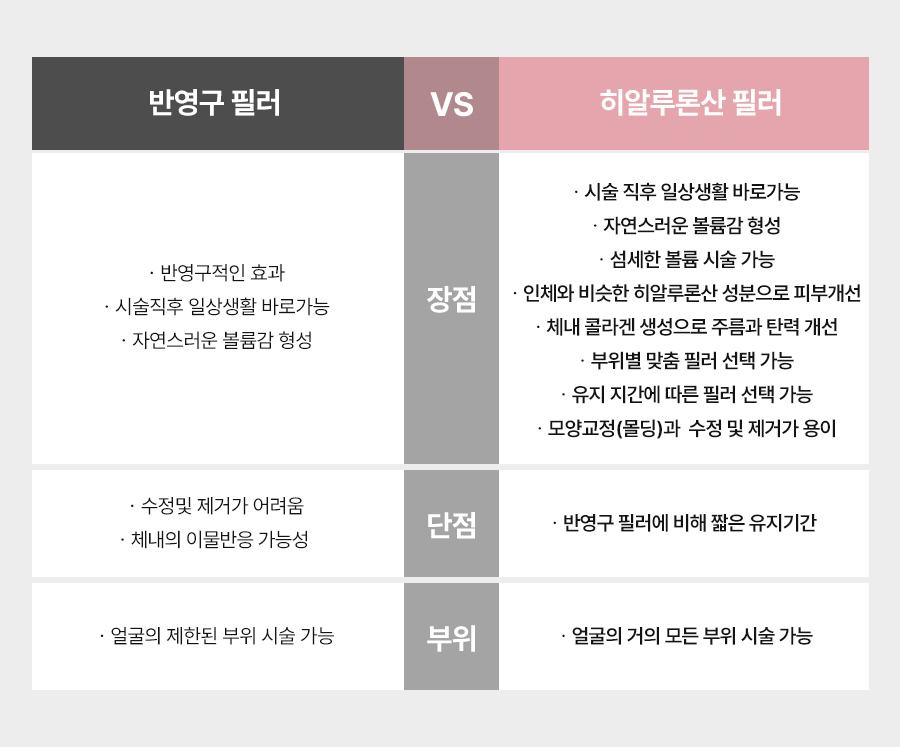
Forehead filler versus fat grafting
Forehead filler and fat grafting both aim to add volume, but they differ in several ways:
- Forehead filler
- Non-surgical injection
- Shorter downtime
- Reversible with hyaluronidase (for hyaluronic acid fillers)
- Temporary, usually several months to over a year

- Fat grafting
- Uses your own fat, harvested from another area of the body
- Involves a more invasive procedure and longer recovery
- Some of the transferred fat may survive long term, but results can be less predictable
- Not easily reversible once integrated
Many patients choose filler first to test how a fuller forehead suits their face before considering fat grafting.
Forehead filler versus doing nothing
It is also valid to keep your natural forehead shape. Some people feel comfortable with a flat or slightly bony forehead and do not feel the need for change. Others find that a smoother, fuller forehead improves their confidence or balances their facial features.
The key is to have realistic expectations and to understand that filler can refine and soften, but it will not completely change your basic bone structure or solve all signs of aging.
Online consultation and pre-visit preparation for overseas patients
Preparing before you travel
If you are planning to visit the Sinnonhyeon and Gangnam-daero area for forehead filler, it is helpful to arrange an online consultation in advance. Before your consultation, prepare the following:
Clear photos of your face from the front, both sides, and a three-quarter angle in good lighting
Information about previous fillers or surgeries in the face
A list of medications, supplements, and any medical conditions
Your desired level of change, for example very subtle, moderate, or more noticeable

During the online consultation, you can ask about the expected number of sessions, approximate volume range, estimated downtime, and recommended length of stay in Korea.
Questions to ask before booking
To compare clinics and make an informed decision, many patients find it useful to ask:
Who performs the forehead filler injections and what is their training background
Whether the clinic has a dedicated facial filler center and area-specific filler options
What safety systems are in place, including emergency protocols and availability of hyaluronidase
How follow-up and possible touch-ups are handled for overseas patients
This helps you look beyond price alone and focus on experience, design detail, and safety.
Expected Korea visit timeline for forehead filler
If you are visiting from overseas, a common schedule might look like this:
Day 1: Arrival in Seoul, rest, and recovery from travel
Day 2: In-person consultation, facial analysis, and treatment if you decide to proceed
Days 3–4: Mild swelling or tenderness may still be present, but many people can sightsee or work with basic precautions
Days 5–7: Swelling usually improves; the contour looks closer to the final result
Days 7–14: Optional follow-up visit for check and minor adjustment if needed
If possible, plan to stay in Korea for at least several days after the procedure. If your schedule is shorter, discuss this with the clinic in advance so they can advise whether it is realistic for your case.
Local context: choosing a forehead filler clinic around Sinnonhyeon
The Sinnonhyeon area along Gangnam-daero is a popular location for aesthetic procedures, including forehead filler. People searching in this area often look for:
Clinics with a strong focus on eye and filler procedures rather than very general services
Detailed consultation and design instead of quick, one-size-fits-all injections
Clear explanation of risks, safety systems, and aftercare, not only before-and-after photos
KODI Plastic Surgery, located on Gangnam-daero in Seocho-gu within convenient reach of Sinnonhyeon Station, is one example of a clinic that emphasizes eye surgery and filler procedures, with a dedicated facial filler center and segmented filler menu by facial area. The clinic is accessible by public transport and offers weekday, evening, and Saturday availability, which can be convenient for overseas visitors with limited time.
FAQ about Sinnonhyeon forehead filler results
How natural can forehead filler look?
Forehead filler can look very natural when the volume is matched carefully to your facial structure and when the forehead is designed together with nearby areas such as the temples and brow. The aim is a gentle, continuous curve rather than a very round or swollen look. During consultation, you can discuss how subtle or noticeable you want the change to be, and your doctor can adjust the plan accordingly.
Is forehead filler painful?
Most patients describe the procedure as mildly uncomfortable rather than very painful. Numbing cream and sometimes local anesthetic are used to reduce sensation. You may feel pressure or brief stinging during the injections. After treatment, there can be mild tenderness or a feeling of fullness, which usually improves over a few days.
How long do forehead filler results last?
The duration varies, but many people experience results lasting from several months to over a year. Factors include the type of filler, injection depth, individual metabolism, and how expressive your forehead muscles are. Over time, the filler is gradually broken down by the body, and touch-up sessions can help maintain the preferred contour.
What should I watch out for after forehead filler?
In the first days, avoid pressing or massaging the forehead unless your doctor instructs you to do so, and try not to sleep face-down. Refrain from intense exercise, saunas, and heavy alcohol for a short period. Watch for unusual pain, sudden skin color changes, or visual symptoms and contact the clinic immediately if they occur. Planning a follow-up visit helps ensure the result is settling well.
Soft call to action for online consultation
If you are considering forehead filler in the Sinnonhyeon and Gangnam-daero area and want to know what kind of results are realistic for your face, an online consultation can be a practical first step. By sharing photos and your concerns in advance, you can receive a preliminary assessment, discuss possible treatment plans, and plan your visit to Seoul with more confidence.
This article is for general information only and does not replace a personal consultation or medical examination. Individual suitability, risks, and expected results should always be discussed directly with a qualified medical professional before deciding on any procedure.




- 공유 링크 만들기
- X
- 이메일
- 기타 앱


댓글
댓글 쓰기