Thread lifting in Gangnam‑gu for natural facial tightening

Thread lifting in Gangnam‑gu: quick guide for overseas patients
These treatments are commonly chosen by people who want a facial refresh with relatively short downtime.
This guide explains what thread lifting is, who it may suit, how a visit to Korea typically works for international patients, and what to expect before and after the procedure at a clinic that focuses on facial aesthetics.
Direct answer summary
Non‑incisional thread lifting is a minimally invasive procedure that uses dissolvable threads to lift areas such as the cheeks, jawline, and nasolabial folds. act timing and results differ—confirm expected duration and outcomes with your chosen clinic. Recovery is often quicker than for a surgical facelift, which may suit busy residents and visitors seeking moderate improvement without major surgery.
What is non‑incisional thread lifting
Thread lifting is a minimally invasive anti‑aging treatment that uses fine, dissolvable threads placed under the skin to lift and support sagging tissues. The threads act in two ways. First, they mechanically reposition the skin and underlying tissue for an immediate lifting effect. Second, they stimulate collagen production around the threads over time, which can improve firmness and skin texture.
Unlike a traditional surgical facelift, thread lifting is non‑incisional. There are no long skin cuts. Instead, the doctor uses very small entry points and fine cannulas or needles to place the threads. The procedure is usually performed under local anesthesia, and many patients can return to daily activities relatively quickly.

Common treatment areas include the midface and lower face. This may involve lifting sagging cheeks, softening nasolabial folds, improving marionette lines around the mouth, and defining the jawline. In some cases, the midface is also addressed to create a more youthful contour from the cheekbones down to the jaw.
Results are typically visible immediately after the procedure because the tissues are physically lifted. Over the following weeks to months, collagen forms around the threads, which can further refine the lifting effect and support the skin from within.
Benefits of thread lifting for Gangnam‑area patients
For people living or working in Gangnam‑gu or nearby Seocho‑gu, thread lifting offers several advantages.
It is non‑surgical. There are no large incisions, and the risk of visible scarring is generally lower than with full facelift surgery. This can be appealing if you want to improve sagging but are not ready for an operation.
Procedure time is relatively short. Depending on the number of threads and areas treated, the session often takes around 30–60 minutes. This makes it easier to fit into a busy schedule, especially if you are combining it with work or a short stay in Seoul.
Downtime is usually limited. Mild swelling, tightness, or bruising can occur, but many patients can return to light daily activities soon after the procedure. You may need to avoid certain movements or pressure on the face for a short period, but most people do not require a long recovery period.
Thread lifting offers a dual effect. You can see an immediate lift from the mechanical support of the threads, and then a gradual improvement in firmness and texture as collagen builds around them.
The treatment is customizable. The direction, depth, and number of threads can be tailored to your facial structure, skin condition, and degree of sagging. This flexibility allows the doctor to design a plan that aims for natural‑looking results rather than a one‑style approach.

Why choose a facial‑focused plastic surgery clinic
When you are considering thread lifting close to Gangnam‑gu, it is helpful to look for a plastic surgery clinic that concentrates on facial aesthetics. A clinic that performs many eye surgeries and filler procedures tends to have detailed experience with delicate facial structures, which is important when placing threads safely and symmetrically.
In such a setting, thread lifting is usually part of a broader anti‑aging program. Alongside thread lifting, the clinic may offer treatments such as Botox, contour injections, fat grafting, mini lifting, and full facelift surgery. This range allows the medical team to recommend the most appropriate option or combination for your degree of sagging and your expectations, rather than promoting only one procedure.
Choosing a clinic where experienced, credentialed plastic surgeons perform thread lifting may be beneficial, since familiarity with facial anatomy, nerve pathways, and tissue planes contributes to safer thread placement and more balanced results. Ask the clinic about the surgeon's training and certifications so you can verify credentials before treatment.
Some clinics provide on‑site anesthesiology support or collaborate with anesthesiologists; others do not. Ask your clinic about anesthesia options, monitoring during the procedure, and pain‑management protocols. For overseas patients, confirming these arrangements in advance can help address concerns about safety and comfort.
Structured pre‑procedure evaluation
Before deciding on thread lifting, a careful consultation is important. A structured evaluation usually includes facial analysis, skin condition assessment, and a review of your aging pattern.
The doctor will typically examine the degree and pattern of sagging in your cheeks, jawline, and midface. They will also look at the depth of nasolabial folds and marionette lines, and how these features affect your overall facial expression. Your skin thickness, elasticity, and existing volume loss are also considered, because these factors influence how well threads can support the tissues.
During the consultation, you can discuss your main concerns and what kind of change you hope to see. The doctor should explain what thread lifting can realistically achieve in your case, and whether additional or alternative treatments might be more suitable. For example, someone with very heavy or severely sagging tissues may be better served by a surgical lifting procedure, while someone with early sagging may benefit greatly from threads alone.
Ability to combine treatments
One of the strengths of a facial‑focused plastic surgery clinic is the ability to design combination treatment plans. In some cases, thread lifting alone is enough to create a satisfying lift. In others, combining threads with other non‑surgical options can produce a more harmonious result.
For example, threads can be used to lift the cheeks and jawline, while fillers are used to restore volume in deep hollows or to soften specific lines. Botox may be added to relax dynamic wrinkles caused by repeated facial expressions, such as frown lines or crow’s feet. Skin boosters or other skin quality treatments can be considered to improve hydration and fine texture.
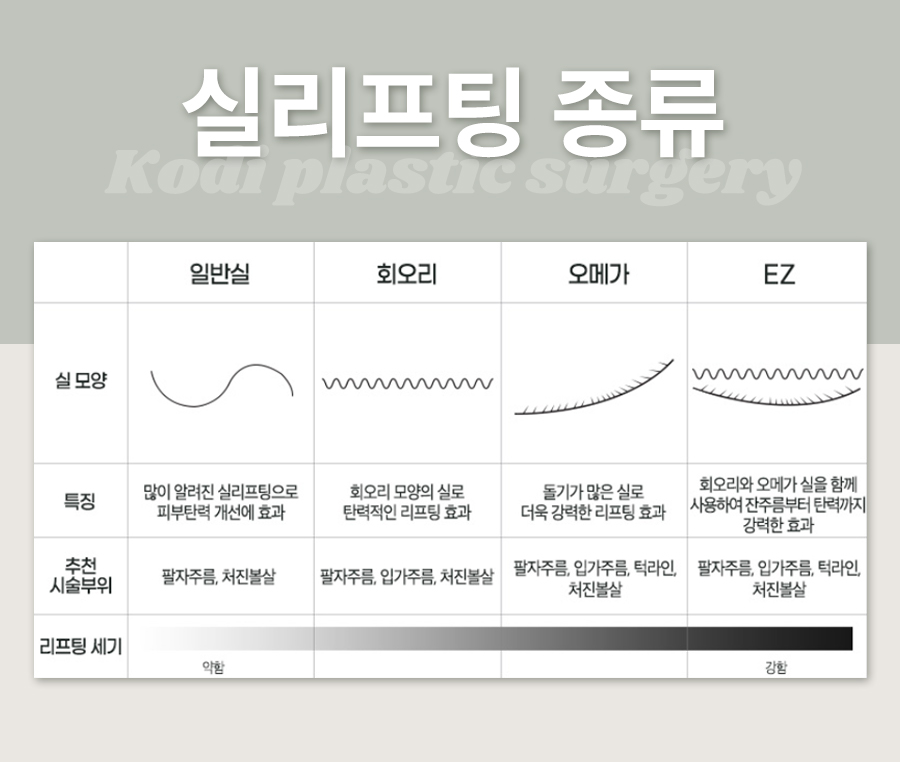
These combinations are not necessary for everyone, but they can be helpful if you want to address several aspects of aging at once. A structured consultation allows the doctor to explain which elements are most important for your face and which can be postponed or skipped.
Who may consider thread lifting
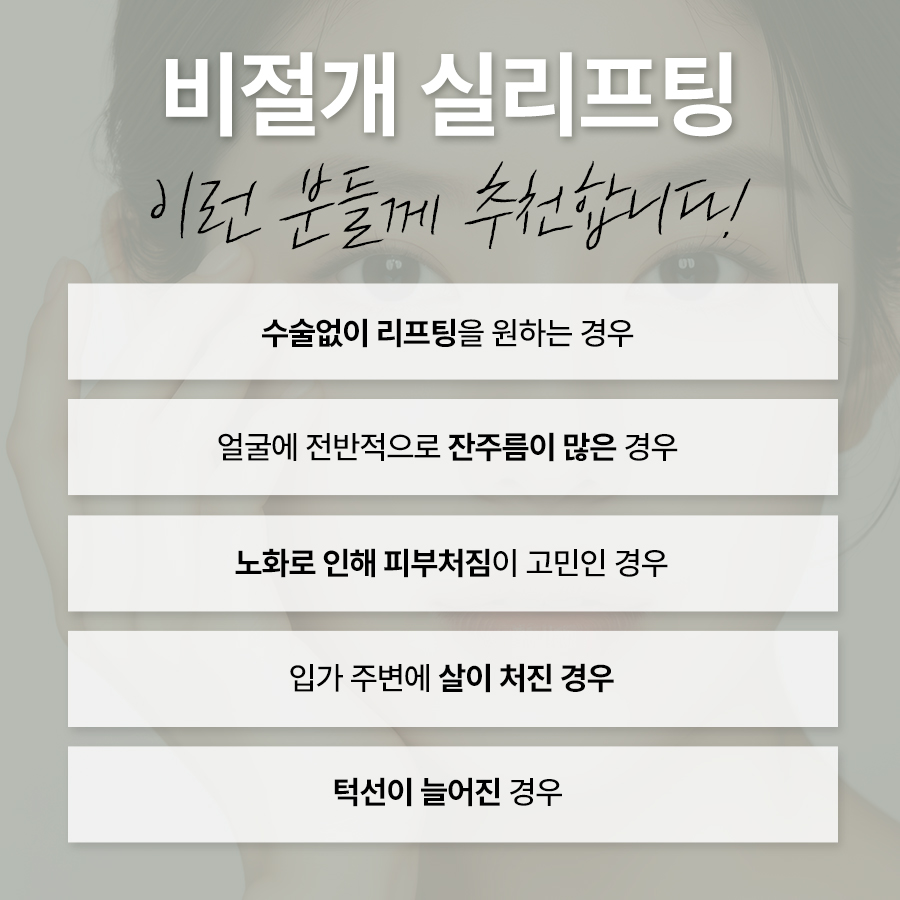
Thread lifting is generally considered for adults with mild to moderate sagging who want visible improvement without full surgery. Typical candidates include women and men in their late 20s to 50s who notice early signs of aging.
You may be a good candidate if you have sagging cheeks that make the midface look flat or tired, a less defined jawline or early jowls, deepening nasolabial folds that run from the nose to the mouth corners, or marionette lines that pull the mouth corners downward.
Thread lifting is also suitable for people who want to postpone or avoid a surgical facelift. It can offer a moderate lift and contour improvement while keeping downtime relatively short. However, it is important to accept that the results are not permanent and will gradually decrease as the threads dissolve and natural aging continues.
People with very severe sagging or very heavy tissues may not see enough benefit from threads alone. In such cases, a surgical lifting procedure may be recommended. The clinic can advise you during consultation after examining your skin and tissue condition.
Overview of the procedure step by step
For most patients, the thread lifting process follows several clear steps.
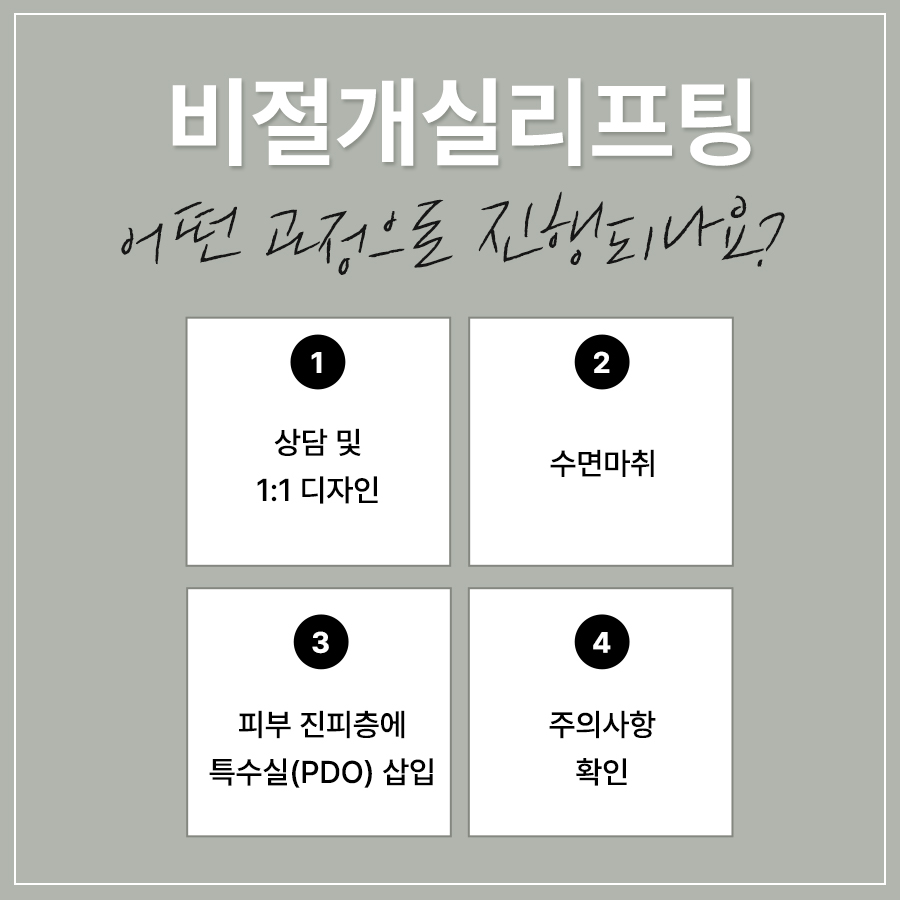
First is the pre‑consultation and medical history review. The clinic will ask about your general health, medications, allergies, and any previous facial procedures. This helps to identify factors that could affect healing or increase the risk of side effects.
Next is the design stage. The doctor will mark lifting vectors and entry points on your face while you are sitting upright. These lines indicate the direction in which the tissues will be lifted and where the threads will be inserted. The design is based on your facial structure and the pattern of sagging, with the goal of achieving a natural, balanced result.
Local anesthesia is then administered to numb the entry points and the paths where the threads will travel. In clinics with an anesthesiology specialist, your vital signs can be monitored throughout the procedure, and pain control is managed systematically.
Thread insertion follows. Using fine cannulas or needles, the doctor introduces the threads through small entry points under the skin. The threads are gently positioned along the planned vectors and then tightened to lift and support the tissues. You may feel pressure or pulling, but the local anesthesia is intended to minimize pain.
After the threads are placed, any excess thread is trimmed, and the entry points are cleaned. Small dressings may be applied if needed. The entire process typically takes around 30–60 minutes, depending on how many areas are treated and how many threads are used.
Recovery, aftercare, and precautions
Immediately after thread lifting, you can expect some swelling, tightness, or mild discomfort. Bruising can also occur along the thread paths or around the entry points. These effects usually improve over several days to a couple of weeks.
To protect the new thread positions, you will receive specific aftercare instructions. Common advice includes avoiding strong facial massage or beauty treatments that involve pressing or rubbing the face for a certain period. You may also be asked to avoid very hard foods or excessive chewing, and to limit very wide mouth opening, such as big yawns, for a short time.
Sleeping on your back and avoiding pressing your face into the pillow can help keep the threads stable in the early phase. Some clinics recommend using a slightly elevated pillow to reduce swelling.
Follow‑up visits are important. The doctor will check the thread positions, your healing progress, and whether any adjustments or additional care are needed. If you notice asymmetry, dimpling, or if a thread seems visible or palpable in an unusual way, you should contact the clinic promptly so the medical team can evaluate and manage it.
As with any procedure, side effects and complications are possible. These may include infection, unevenness, or temporary nerve irritation. Choosing an experienced medical team and following aftercare instructions carefully can help reduce these risks, but they cannot be completely eliminated.
Results and realistic expectations
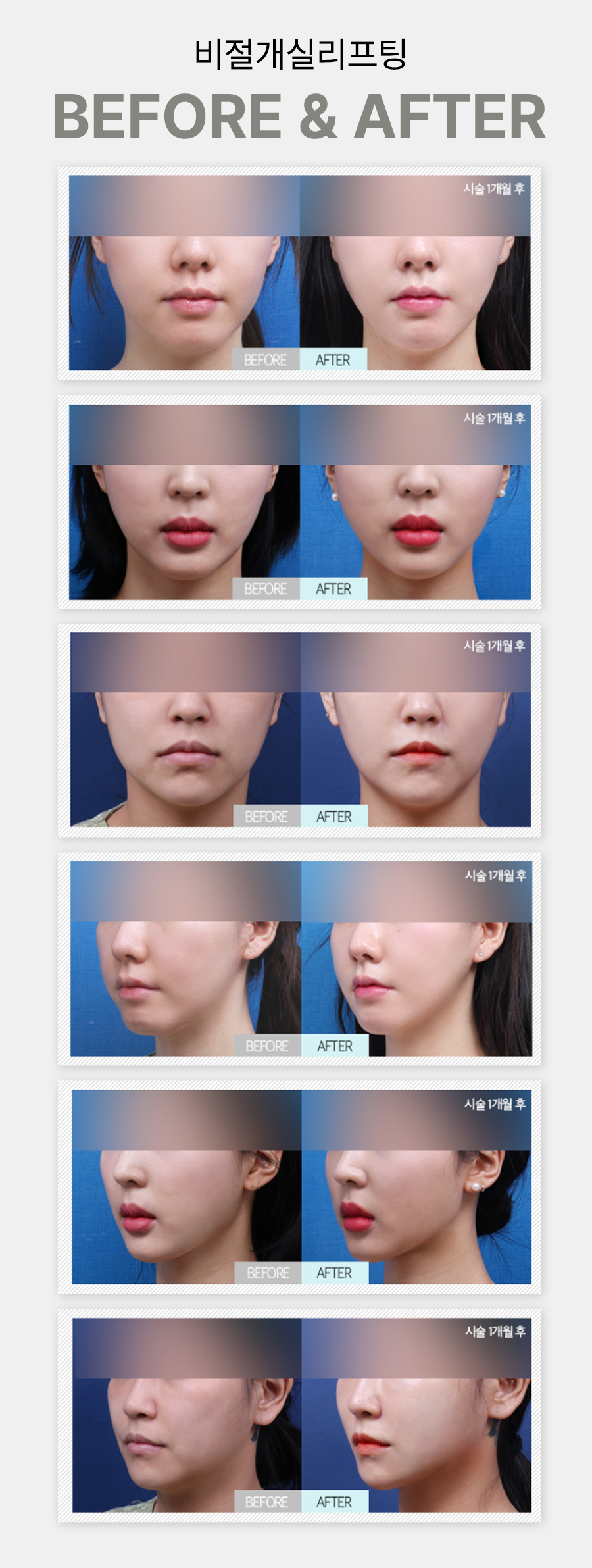
Thread lifting can provide a noticeable but moderate lifting effect. Many patients see a clearer jawline, lifted cheeks, and softer nasolabial folds or marionette lines. However, it is important to understand that thread lifting does not produce the same degree of change as a full surgical facelift.
How long results last varies. Some people experience effects for several months, while others may see benefits that persist for a few years; longevity depends on the type of threads used, individual skin condition, lifestyle, and the natural aging process. As threads dissolve, the mechanical lifting effect diminishes, though any collagen stimulation may remain to some degree. Discuss the expected duration for your situation with your doctor.
For longer‑term management, maintenance thread lifting or combination treatments may be suggested at intervals. The timing and type of maintenance depend on your individual situation and preferences. During follow‑up consultations, you can discuss how your face is changing and whether additional procedures are appropriate.
Online consultation and pre‑visit preparation
If you are an overseas patient planning to visit the Gangnam area for thread lifting, an online consultation is a practical first step.
Before your online consultation, it is helpful to prepare clear facial photos in good lighting from the front and both sides. Avoid heavy makeup, and keep your hair away from your face so the doctor can see your natural contours and sagging pattern.
You should also prepare a brief medical history, including any chronic conditions, allergies, and medications or supplements you are taking. Note any previous facial procedures such as fillers, fat grafting, or lifting treatments, and when they were done.
Make a list of your main concerns and questions. For example, you might ask which areas the doctor recommends lifting, whether combination treatments are advisable in your case, how many days of rest you should plan after the procedure, and how many follow‑up visits are needed.
Expected Korea visit timeline for thread lifting
For many overseas patients, a short visit schedule can be arranged around thread lifting.
On day one, you may have an in‑person consultation and facial examination. The doctor confirms the plan that was discussed online, checks your skin and tissue in detail, and answers final questions. In some cases, the procedure can be performed on the same day if your health status and schedule allow.
On the procedure day, you should plan several hours at the clinic. This includes preparation, marking, anesthesia, the thread lifting itself, and a short rest period afterward. You can usually leave the clinic the same day.
Over the next few days, you may experience swelling or mild bruising. Many international patients stay in Seoul for at least a few days after the procedure so they can attend an early follow‑up visit. This visit allows the doctor to check healing and confirm that the threads are in good position.
If your schedule is tight, discuss it during the online consultation so the clinic can advise how many days you should stay in Korea and when to schedule follow‑up checks. Some follow‑up communication may be possible online, but an in‑person early check is generally recommended when possible.
Local convenience for Gangnam‑area visitors
This guide focuses on thread lifting options accessible from the Gangnam–Seocho area. Clinics near Gangnam‑daero are generally convenient for people traveling from Gangnam‑gu, with public transport connections via subway and bus; check each clinic's directions and transport links before booking an appointment.
Weekday hours, extended Thursday evening hours, and Saturday appointments can be particularly useful for busy professionals. If you are visiting Seoul for a short time, these flexible hours may help you fit consultation, procedure, and follow‑up into your travel schedule.
Foreign‑language support pages in English, Chinese, and Japanese can also make the process smoother for international residents and visitors. You can receive explanations, instructions, and aftercare guidance in a language you understand, which is important for safe and comfortable treatment.
Frequently asked questions
How long does thread lifting near Gangnam‑gu usually take
Most thread lifting procedures in the Gangnam–Seocho area take about 30–60 minutes, depending on how many areas are treated and how many threads are used. You should also allow extra time for consultation, facial design, anesthesia, and a short rest after the procedure. In total, you may be at the clinic for a few hours on the day of treatment.
How soon can I return to work after thread lifting
Many patients with office‑based jobs can return to work within a few days, sometimes even the next day if swelling and bruising are mild and they are comfortable with their appearance. However, it is wise to plan for some visible swelling or bruising for several days to a couple of weeks. If your work involves heavy physical activity or strong facial movements, you may need to follow more specific guidance from your doctor.
Is thread lifting painful
Thread lifting is usually performed under local anesthesia, which numbs the treatment area. During the procedure, you may feel pressure, pulling, or mild discomfort, but sharp pain is generally reduced by the anesthesia. After the procedure, some soreness or tightness is common for a few days. Pain is often manageable with over‑the‑counter medication, but your doctor will advise you on appropriate options.
How long do thread lifting results last
As the threads dissolve, the mechanical support decreases, but some collagen stimulation may remain. Many patients choose to have maintenance treatments or combine thread lifting with other anti‑aging procedures over time.
Soft call to action
If you are considering thread lifting in or near Gangnam‑gu and would like a natural‑looking lift with minimal downtime, an online consultation can help you understand whether this procedure is suitable for you. By sharing photos and your concerns in advance, the medical team can suggest a personalized plan and an estimated visit schedule for your stay in Seoul.
This article is intended for general information only and does not replace a personal consultation with qualified medical professionals. Individual suitability, risks, and expected results should always be discussed directly with a doctor before any procedure.






댓글
댓글 쓰기