Yeoksam Thread Lifting Reviews and What Overseas Patients Can Really Expect
- 공유 링크 만들기
- X
- 이메일
- 기타 앱

Direct answer for Yeoksam thread lifting reviews
If you are searching for Yeoksam thread lifting reviews, Reviews often note an improved V‑line and softer smile lines when sagging is mild to moderate, though some people say results felt less durable in cases of heavier laxity. Outcomes vary depending on the doctor's technique, the type and number of threads, and how closely patients follow aftercare. When you consult a clinic, ask about the practitioner’s experience with your specific concerns, the thread types they use, and typical recovery expectations.
This guide summarizes what people around Yeoksam and Gangnam typically experience, and how an international patient can plan a realistic, safe visit to a clinic on Gangnam‑daero near the Yeoksam area.
What facial thread lifting actually is
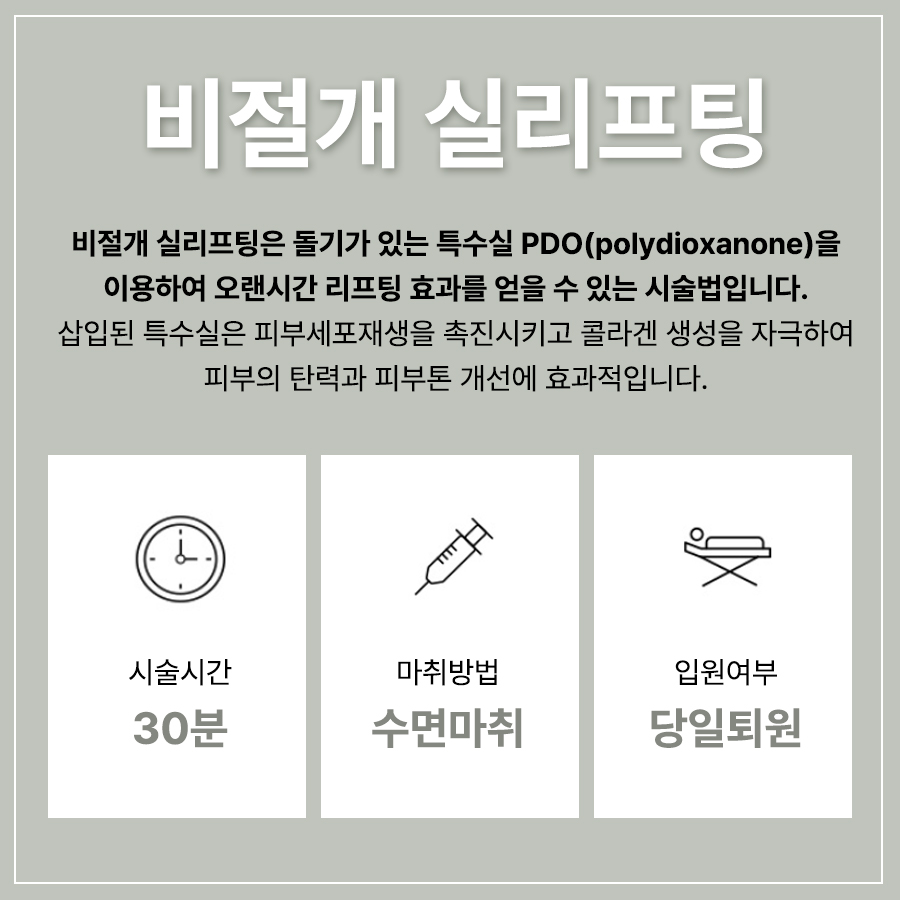
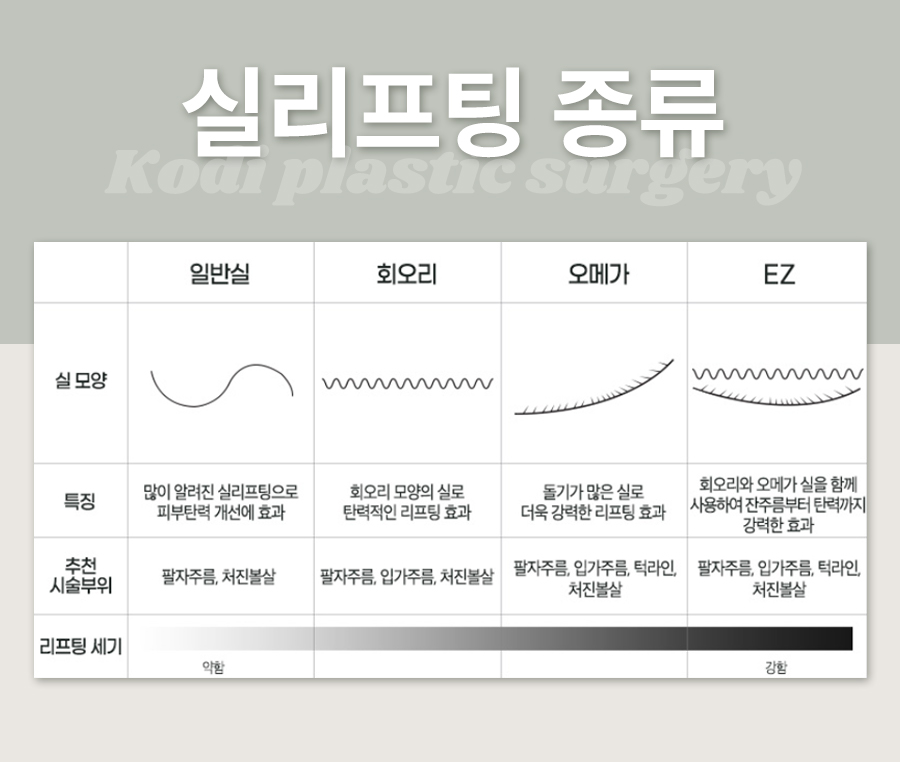
Thread lifting is a non‑surgical lifting procedure that uses thin, dissolvable threads placed under the skin to gently pull up sagging tissue and stimulate collagen. The threads usually have tiny barbs or cones that anchor into the tissue. When they are tightened, they can improve the contour of the cheeks and jawline.
Common target areas include:
- The jawline and early jowls that blur the V‑line
- The nasolabial folds that run from the nose to the corners of the mouth
- Marionette lines around the corners of the mouth
- The midface and cheek area that can look droopy or tired
- Sometimes the upper neck, depending on the plan
The threads slowly dissolve over time, while the collagen they stimulate may help the skin feel firmer for a period even after the material is gone. However, this is not a permanent solution and not a replacement for a full surgical facelift in cases of severe sagging.
Who usually considers thread lifting in the Yeoksam area
Based on common review patterns from the Yeoksam and Gangnam‑daero area, typical thread lifting patients include:
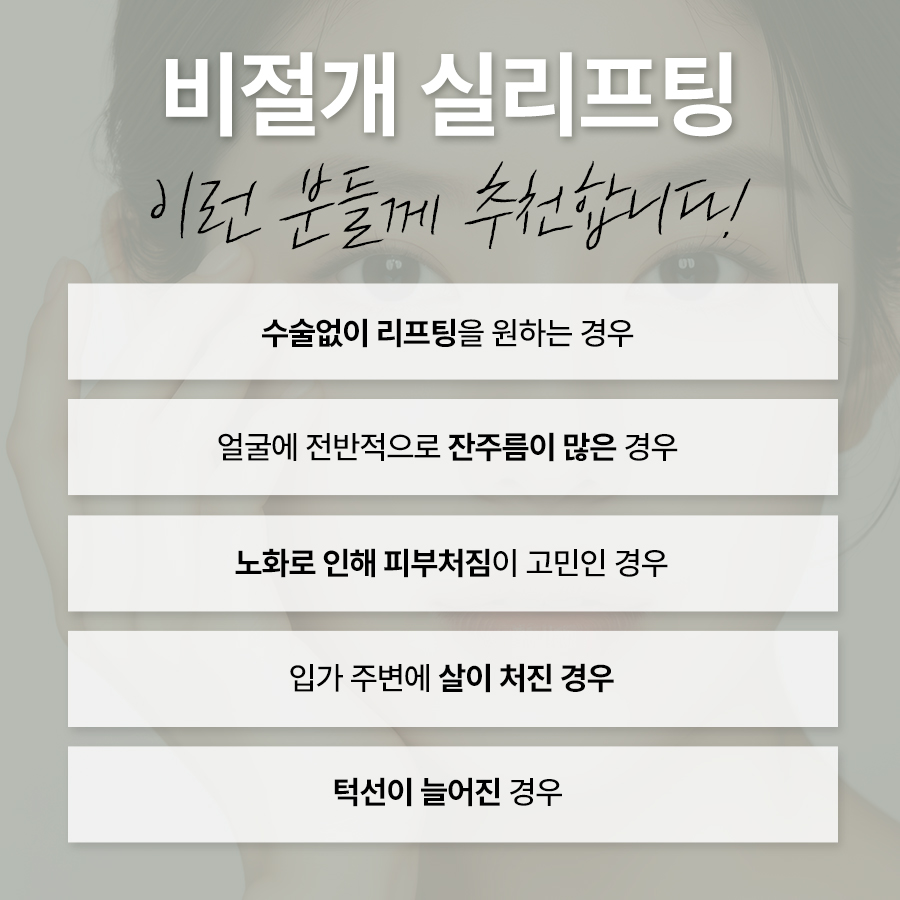
Office workers in their late 20s to 40s who notice early sagging or want prevention
People who feel they look tired or older on video calls despite makeup
Patients who want a sharper V‑line without incisions or a long recovery
Those who have already tried fillers or skin tightening devices and want an extra lifting effect
Thread lifting tends to work best for mild to moderate sagging. If the skin is very loose or heavy, reviews often mention that the result felt subtle or short‑lived. In such cases, some clinics may suggest mini lifting or other options instead, or a combination approach rather than threads alone.
How thread lifting is often combined with other treatments
In clinics that focus on anti‑aging, it is common to combine thread lifting with other non‑incisional procedures. For example:
Threads to lift the cheek and jawline, plus fillers to restore volume in hollow areas
Threads for lifting, plus small doses of wrinkle‑relaxing injections in the forehead or crow’s feet
Threads with skin boosters or laser treatments at separate visits to improve texture
The goal is usually to avoid an over‑pulled look by balancing lifting with volume and skin quality. In the Gangnam‑daero area, many clinics are experienced with such combination plans, but the exact mix should be customized after a face‑to‑face consultation.
Typical patient journey: what reviews often describe
The following is an illustrative example of a common patient journey based on general review patterns; it is not a specific testimonial but is provided to help you understand what the process can involve.
Before consultation
Patients usually start with concerns such as drooping cheeks, a less defined jawline, deepening smile lines, or a tired look on video calls. Many are worried about pain, looking too pulled or unnatural, visible marks, and how long they will need to hide from colleagues.
They often spend weeks reading online reviews and community posts, searching for “Yeoksam thread lifting reviews” or similar phrases. They compare photos, but it can be hard to judge because lighting, makeup, and angles differ.
Consultation day
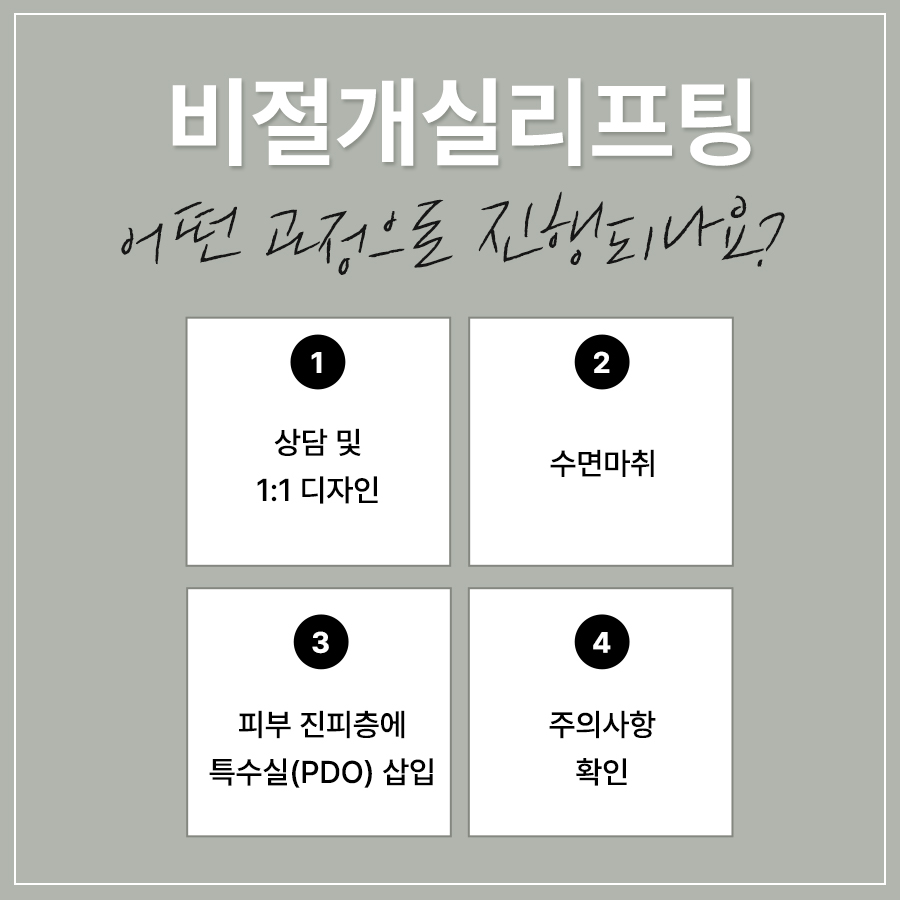
At a clinic on Gangnam‑daero near the Yeoksam area, the consultation typically includes:
Assessment of facial lines: The doctor checks the degree of sagging, skin thickness, and whether you already have fillers or previous threads.
Planning: You discuss which areas bother you most. The doctor suggests thread types, approximate number of threads, and whether it makes sense to combine with fillers or other treatments.
Anesthesia options: For thread lifting, local anesthesia is standard, and some clinics offer light sedation. Clinic staffing and sedation practices vary—some facilities have plastic surgeons and access to anesthesiology support, while others may not. Ask any clinic you consult which types of anesthesia they provide, who will administer and monitor sedation, and what safety protocols are in place for anxious patients.
Risk explanation: A responsible consultation includes a clear explanation of possible bruising, swelling, temporary dimpling, asymmetry, and how long tightness or discomfort may last. The doctor should also explain what thread lifting cannot do, especially if your sagging is more severe.
For overseas patients, clinics with multi‑language support in English, Chinese, and Japanese can make this discussion smoother and reduce misunderstandings.
Procedure day
On the day of the procedure, the steps are usually:
Cleansing and marking: The face is cleaned, and the doctor draws lifting vectors along the cheeks, jawline, and sometimes the side of the face.
Local anesthesia: Small injections are given along the planned entry points. Many patients describe this as the most uncomfortable part, with a brief stinging or burning sensation.
Thread insertion: Once numb, the doctor inserts the threads through tiny entry points using a needle or cannula. Patients often feel pressure, tugging, or a pulling sensation, but not sharp pain. Some clinics may offer light sedation for longer or combined procedures; confirm with your clinic whether sedation will be used, who will administer it, and what monitoring will be in place during the procedure.
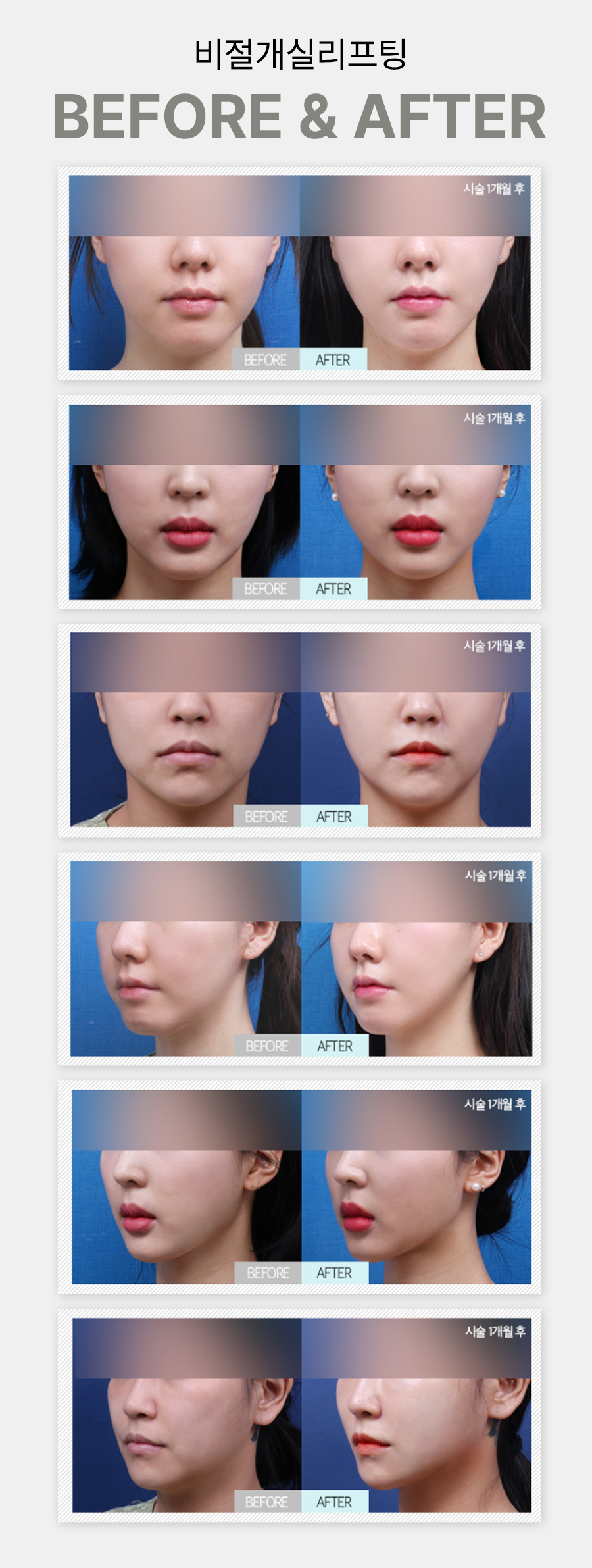
Immediate result check: After the threads are placed and adjusted, the doctor may ask you to sit up and check the mirror. Many reviews mention seeing a sharper jawline and lifted cheeks right away, but also some swelling and a slightly stiff expression at first.
Typical recovery timeline
Everyone heals differently, but many Yeoksam‑area reviews describe a similar timeline:
Day 1 to 3
Swelling and tightness are most noticeable. The face may feel sore, especially around the entry points and along the thread paths. Bruising can appear near the cheeks or jawline.
Opening the mouth wide, laughing, or chewing hard food can feel uncomfortable. Some patients prefer soft foods for a few days.
1 week
Most people can apply makeup, return to the office, and appear normal to others, especially if swelling and bruising are mild. Some tightness and tenderness may remain, but it usually feels manageable.
Any small dimples or irregularities often start to smooth out as the tissue relaxes around the threads.
2 to 4 weeks
The face gradually feels more natural. Tightness becomes less noticeable during daily expressions. The lifting effect settles, and the result looks softer and more blended.
This is often when patients feel comfortable taking close‑up photos again.
3 to 6 months
This period is sometimes described as the collagen phase. The threads are gradually dissolving, and the skin may feel firmer or more elastic compared to before. Some patients notice that their skin texture and overall firmness seem better, even if the initial “pulled” look has softened.
1 year and beyond
The lifting effect usually diminishes over time. Some patients choose to repeat thread lifting, while others transition to different anti‑aging treatments. Reported duration of effect varies widely and depends on individual factors such as age, skin quality, lifestyle, and the thread type used; discuss expected durability with your clinician, who can reference their case experience or relevant studies.
What Yeoksam thread lifting reviews tend to praise
Positive points commonly mentioned in Yeoksam and Gangnam‑daero reviews include:
Limited downtime: Compared with surgical lifting, most people can return to work within a few days, sometimes even the next day if swelling is mild and makeup is allowed.
Improved jawline and smile lines: When the lifting vectors are well planned, patients often notice a clearer V‑line and less prominent nasolabial folds.
Natural look with combination treatments: Reviews are often more positive when threads are combined thoughtfully with volume correction rather than pulling the skin excessively.
Convenient location: For office workers around Yeoksam, clinics on or near Gangnam‑daero are easy to visit during lunch breaks or after work, which makes follow‑up more realistic.
Common regrets or complaints in reviews
On the other hand, some reviews include complaints such as:
Underwhelming effect: If sagging is already advanced, thread lifting alone may not create a dramatic change. Some patients feel they invested time and money for a subtle difference.
Temporary dimpling or irregularities: Small dents or unevenness along the thread paths can appear in the first days or weeks. These usually improve as the tissue relaxes, but they can cause anxiety.
Asymmetry: One side may look slightly higher or tighter than the other. Mild asymmetry often improves as swelling settles, but in some cases, additional adjustment may be needed.
Discomfort when chewing or sleeping: For several days, it may be uncomfortable to sleep on the side or chew very hard foods. Some patients did not expect this and mention it in their reviews.
How to read and interpret reviews
When you search for Yeoksam thread lifting reviews, keep these tips in mind:
Check the reviewer’s age and skin condition. A result that looks impressive on a 32‑year‑old with mild sagging may not apply to someone in their 50s.
Look for context: Was thread lifting done alone, or combined with fillers, skin tightening devices, or other treatments? The final look may come from the combination.
Be cautious with heavily edited photos. Lighting, makeup, filters, and angles can change the impression a lot.
Pay attention to comments about consultation quality, explanation of risks, and follow‑up care, not only the “before and after” images.
How to choose a thread lifting clinic in the Yeoksam / Gangnam area
When comparing clinics near Yeoksam and along Gangnam‑daero, consider the following points.
Doctor qualifications and responsibility
Thread lifting should be planned and performed by experienced specialists. Clinics where thread lifting is done by plastic surgery specialists may offer more structured planning of facial lines and tissue layers.
This structure helps clarify who is responsible for the procedure and who manages anesthesia and pain control.
Safety and anesthesia system
Ask each clinic about:
Whether an anesthesiology specialist is present for procedures that use sedation
What monitoring equipment is used during the procedure
How they respond to emergencies or unexpected reactions
Even if you only receive local anesthesia, it is reassuring to know that the clinic has a clear safety system and protocols.
Experience with anti‑aging and combination treatments
Clinics that focus on anti‑aging, eye surgery, and volume correction often have a detailed understanding of facial balance. This can reduce the risk of an over‑pulled or unnatural look.
When you consult, ask how often they combine thread lifting with other treatments, and how they decide which areas should be lifted versus filled.
Transparent consultation and realistic guidance
A good clinic will:
Explain when thread lifting alone is not enough and suggest alternatives such as mini lifting or staged treatments
Show unedited clinical photos under similar lighting conditions
Discuss possible side effects, recovery timeline, and what can realistically be improved
If a consultation feels rushed or only focuses on quick booking, it may be worth getting a second opinion.
Accessibility and follow‑up system
For thread lifting, follow‑up visits are important to check healing, manage any asymmetry, and answer questions. A location on Gangnam‑daero near Yeoksam station is convenient for repeat visits.
Ask whether follow‑up appointments are included, how many are typical, and how the clinic handles concerns such as prolonged pain, dimpling, or dissatisfaction with the result.
Pre‑visit preparation for overseas patients
If you are visiting Korea from overseas for thread lifting near Yeoksam, preparation can make your trip smoother.
Online consultation
Many clinics in this area, including the featured one, offer online consultations through email or messaging. Multi‑language support in English, Chinese, and Japanese can be especially helpful.
Before your online consultation, prepare:
- Clear, makeup‑free photos from the front and both sides
- Information about previous procedures, such as fillers, threads, or surgeries
- A list of medications and supplements you are taking
- Your main concerns and what kind of change you hope for
This allows the doctor to give a preliminary opinion and suggest a tentative plan and timeline.
Medical and travel planning
Discuss with your own doctor at home if you have any medical conditions, allergies, or are taking blood‑thinning medications. You may need to adjust certain medications only with your doctor’s approval.
Do not schedule important events, photo shoots, or long flights immediately after the procedure. It is safer to allow several days in Seoul for follow‑up and rest.
Expected Korea visit timeline for thread lifting
A simple, non‑incisional thread lifting plan for an overseas patient might look like this:
Day 1: Arrival in Seoul and rest. Optional in‑person consultation if you have not already done an online consultation.
Day 2: Detailed consultation and procedure at a clinic on Gangnam‑daero near Yeoksam. Plan to spend a few hours at the clinic for consultation, preparation, procedure, and rest.
Day 3 to 4: Light sightseeing or rest. Swelling and tightness are usually most noticeable now. Follow basic aftercare instructions, avoid heavy exercise, and sleep on your back.
Day 5 to 7: Follow‑up visit to check healing and remove any dressings if used. Many patients feel comfortable flying home after this point, but individual advice may differ.
If you are combining thread lifting with other treatments, the clinic may suggest adjusting this schedule.
Aftercare and what to do after returning home
Common aftercare instructions include:
Sleep on your back with your head slightly elevated for several days.
Avoid pressing your face into the pillow or sleeping on your side.
Do not open your mouth extremely wide or chew very hard foods for about a week, or as advised.
Avoid facial massages, strong skin treatments, or heavy exercise until your doctor says it is safe.
Use prescribed medications and cold compresses as directed.
If you return to your home country, monitor your condition and contact the clinic if you notice:
- Severe or worsening pain
- Sudden swelling or redness
- Visible thread exposure
- Significant asymmetry that does not improve as swelling goes down
Because you will be overseas, it is important to choose a clinic that is responsive to messages and can guide you remotely if minor issues arise.
FAQ about Yeoksam thread lifting experiences
How painful is thread lifting compared to fillers or wrinkle injections?
Most patients describe thread lifting as more uncomfortable than simple wrinkle injections, but manageable with local anesthesia. The injection of anesthetic can sting or burn briefly. During thread insertion, people usually feel pressure or pulling rather than sharp pain. If you are very sensitive or anxious, some clinics near Yeoksam offer light sedation under the care of an anesthesiology specialist, which can make the experience more comfortable.
How long do swelling and tightness usually last?
Swelling and tightness are usually most noticeable in the first 2 to 3 days. Many patients feel comfortable going back to work with makeup within about a week, although mild tightness or tenderness can continue for several weeks. The feeling of tightness usually becomes less noticeable as the threads settle and the tissue adapts.
How long do thread lifting results last, and how often can it be repeated?
The visible lifting effect often feels strongest in the first several months and gradually softens over time. Some patients repeat thread lifting after a year or more, while others move to different anti‑aging procedures. It is important to discuss timing with your doctor to avoid over‑treating the same area.
Can thread lifting be combined with fillers or wrinkle injections in one session?
In the Yeoksam and Gangnam‑daero area, it is common for clinics to combine thread lifting with fillers or wrinkle injections, either on the same day or in a staged plan. Doing them together can be convenient for overseas patients with limited time. However, the exact order and combination should be decided by your doctor based on your facial structure and safety considerations. Sometimes it is better to stage treatments to observe how the initial lifting settles.
What are the main risks and side effects I should know before booking?
Common temporary side effects include swelling, bruising, tightness, and mild pain along the thread paths. Some patients experience temporary dimpling or irregularities that usually improve as the tissue relaxes. Less common but more serious risks include infection, prolonged pain, significant asymmetry, or thread exposure. Choosing a clinic with experienced specialists, a clear safety system, and proper follow‑up can help reduce these risks, but they cannot be completely eliminated.
How soon can I go back to work after thread lifting?
Many office workers in the Yeoksam area return to work within 1 to 3 days, depending on their job and how visible the swelling or bruising is. If you are comfortable wearing a mask or makeup, it may be easier to return sooner. If you have an important presentation or event, it is safer to allow at least a week between the procedure and that date.
Soft call to action for overseas patients
If you are an overseas patient considering thread lifting near Yeoksam, an online consultation is a practical first step. You can share your photos, medical history, and concerns, and receive a preliminary opinion about whether thread lifting, a mini lifting option, or a combination plan is more suitable.
A clinic on Gangnam‑daero with plastic surgery specialists, a full‑time anesthesiology and pain medicine specialist, and multi‑language support can help you plan your visit, understand realistic expectations, and arrange follow‑up during your stay in Korea and after you return home. Individual results always vary, so a direct consultation with qualified medical staff is essential before making any final decision about thread lifting.


- 공유 링크 만들기
- X
- 이메일
- 기타 앱


댓글
댓글 쓰기