A practical guide to thread lifting clinics near Sinnonhyeon Station for overseas patients
- 공유 링크 만들기
- X
- 이메일
- 기타 앱

Direct answer summary
If you are looking for a thread lifting clinic near Sinnonhyeon Station, focus first on medical safety, the experience of the plastic surgeons, and how carefully the clinic plans your individual anti‑aging treatment. Around Gangnam-daero in Seocho-gu there are several options, including Kodi Plastic Surgery on the 13th floor of the Tongyeong Building near Sinnonhyeon Station, which offers non‑incisional thread lifting as part of a wider facial anti‑aging lineup.
This guide explains what non‑incisional thread lifting is, who it may suit, how to compare clinics near Sinnonhyeon Station, what your visit to Korea might look like, and what to ask during online consultation before you travel.
What is non‑incisional thread lifting?
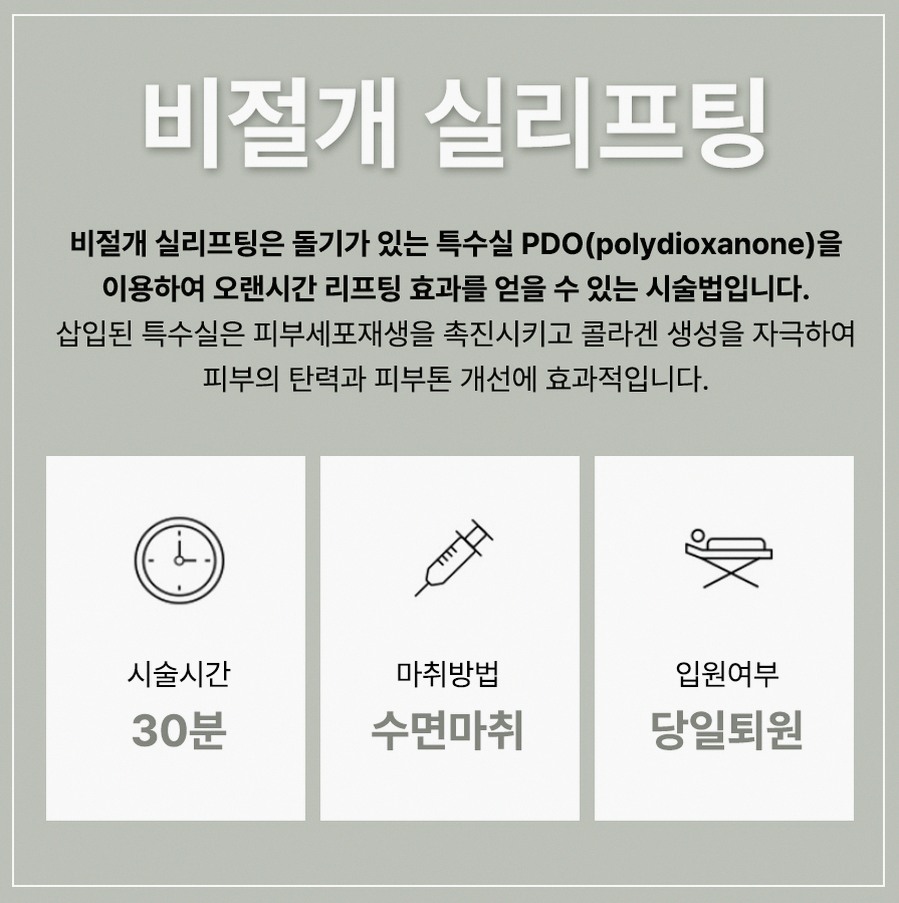
Thread lifting is a minimally invasive anti‑aging procedure that uses thin, dissolvable threads placed under the skin to gently lift sagging tissues and stimulate collagen production.
Unlike a full surgical facelift, thread lifting is non‑incisional. There are no long skin cuts; instead, the doctor makes tiny entry points with a needle or fine cannula. The threads anchor in the deeper layers of the skin and soft tissue, creating a lifting effect and encouraging the skin to become firmer over time.
Most thread lifting procedures are performed under local anesthesia, sometimes with mild sedation for comfort. Typical treatment areas include the jawline, nasolabial folds, marionette lines, cheeks, lower face, and in some cases the brow area.
Because the threads gradually dissolve, the lifting effect is not permanent. However, the collagen stimulation can help improve skin texture and firmness beyond the lifespan of the threads themselves.

Why people near Sinnonhyeon Station choose thread lifting
The Sinnonhyeon Station and Gangnam-daero area is a busy business and shopping district. Many office workers and residents here want facial rejuvenation that fits into a tight schedule.
Non‑incisional thread lifting is often chosen because it usually has a short procedure time, relatively quick recovery, and visible but not overly dramatic lifting. Patients can often return to work within a few days, with swelling and bruising that can usually be covered with makeup after the initial healing period.
Thread lifting is also a bridge between simple injectables and full surgery. For someone who has tried Botox or fillers but is not ready for a full facelift, threads can provide structural lifting without the commitment and downtime of major surgery.
How to choose a good thread lifting clinic near Sinnonhyeon Station
When you search for a thread lifting clinic near Sinnonhyeon Station, it is important to look beyond price or aggressive before‑and‑after photos. The following criteria can help you compare clinics more safely and realistically.
Board‑certified plastic surgeons and clear responsibility
Thread lifting may look simple from the outside, but it requires a detailed understanding of facial anatomy. The direction of each thread, the depth of placement, and the tension applied all affect both the result and the risk of complications.
Choosing a clinic where thread lifting is performed by board‑certified plastic surgeons helps ensure that the doctor has formal training in facial structures, aging patterns, and complication management. It should also be clear who is responsible for your procedure, from consultation to follow‑up.
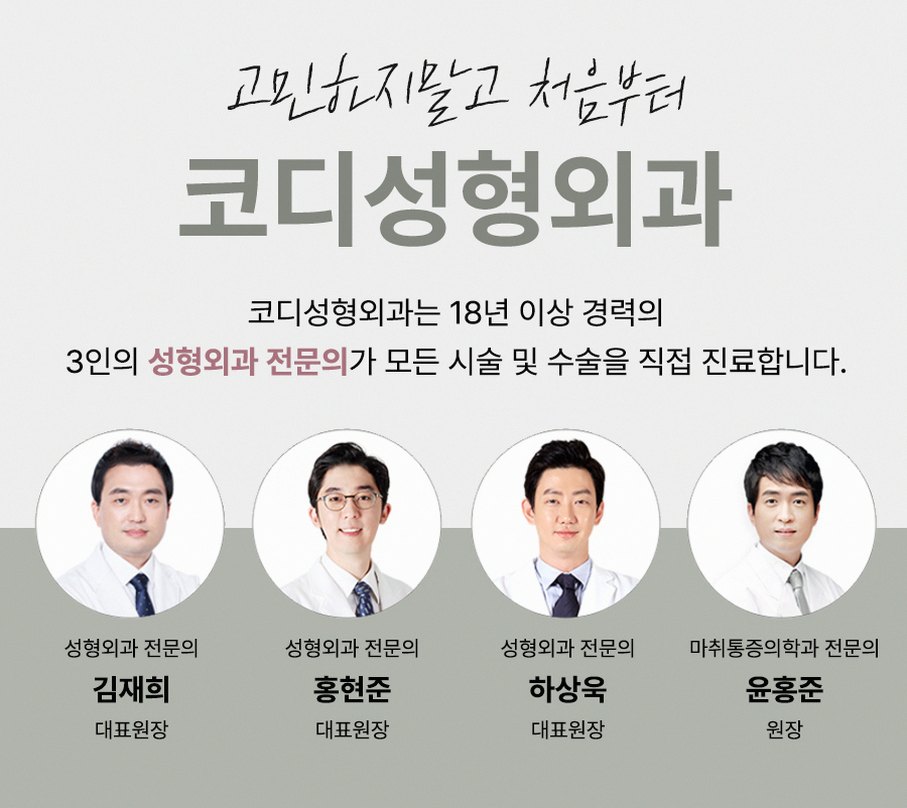
At Kodi Plastic Surgery near Sinnonhyeon Station, thread lifting is part of a system that includes three board‑certified plastic surgeons. This kind of team structure can be reassuring if you value specialist training and shared decision‑making among experienced doctors.
Anesthesia safety and presence of an anesthesiology specialist
Even though thread lifting is a non‑incisional procedure, anesthesia and pain control are still important. Local anesthesia is usually used, and some patients may receive mild sedation to reduce anxiety and discomfort.
A clinic with a robust anesthesia system, ideally including a board‑certified anesthesiology and pain medicine specialist, can offer safer sedation, better monitoring, and more tailored pain control. This is especially important for patients with underlying medical conditions such as high blood pressure, heart disease, or anxiety about procedures.
Kodi Plastic Surgery has a full‑time board‑certified anesthesiology and pain medicine specialist on site. For overseas patients, this kind of in‑house anesthesia support can be a significant safety net during procedures that involve local anesthesia and optional sedation.
Customized lifting design instead of one standard pattern
A good thread lifting clinic does not use the same pattern for every face. Instead, the medical team should:
Assess skin thickness, fat volume, and the degree of sagging.
Evaluate facial shape, such as V‑line, jawline width, and midface volume.
Review your age, lifestyle, and any previous procedures such as fillers, fat grafting, or surgery.
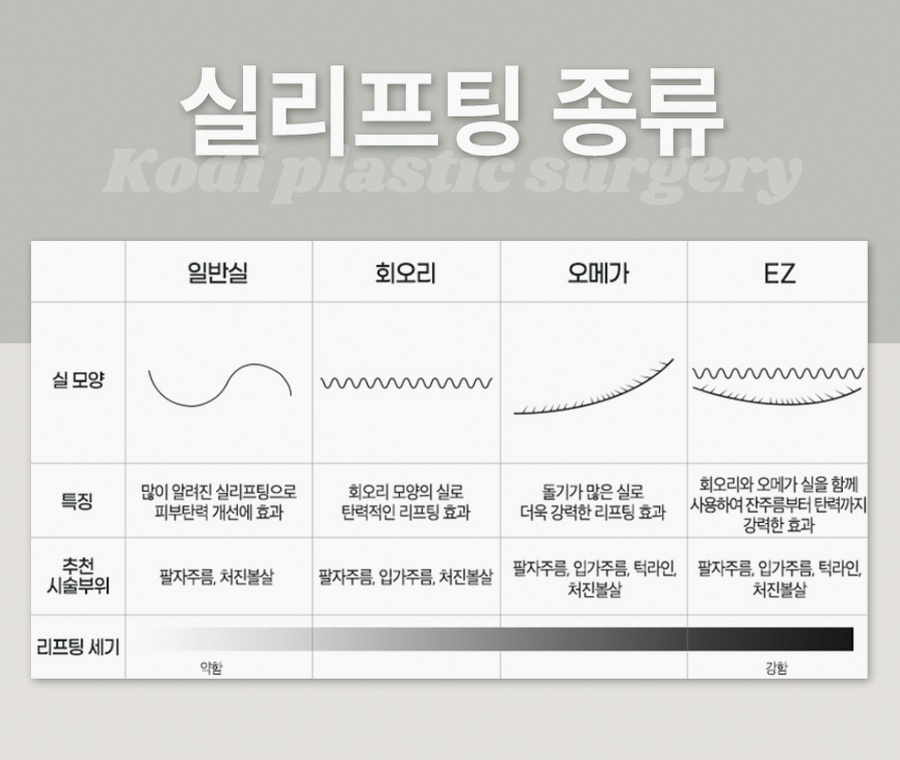
Based on this, the doctor designs the number of threads, their type, and the direction of each lifting vector. For example, someone with early jowl formation may need more focus on the jawline, while another person with flat cheeks and deep nasolabial folds may benefit from midface support.
Ability to combine thread lifting with other anti‑aging options
Thread lifting is strong at lifting and repositioning tissues, but it does not replace all other anti‑aging methods. Many patients achieve more natural and balanced results when threads are combined with other treatments.
In a well‑organized clinic, the doctor may suggest:
Thread lifting for structural lifting of sagging tissues.
Fillers for restoring lost volume in areas such as the cheeks, chin, under‑eye area, or nasolabial folds.
Botox or similar injections for muscle‑related issues, such as frown lines or masseter hypertrophy.
Mini lifting or full facelift when sagging is too advanced for threads alone.
Kodi Plastic Surgery has a strong focus on facial aesthetics, especially eye surgery and fillers. It offers a detailed filler lineup for areas such as the nose, forehead, cheeks, chin, under‑eye area, nasolabial folds, and lips. This kind of integrated approach can be useful when planning thread lifting that must harmonize with existing or planned fillers.
Transparent consultation and realistic expectations
During consultation, the clinic should clearly explain what thread lifting can and cannot do. Important points include:
How long the expected effect may last, typically around 1 to 2 years depending on thread type, skin condition, and lifestyle.
Possible side effects such as bruising, swelling, temporary asymmetry, or dimpling.
The possibility of needing touch‑up treatments or combination procedures for optimal results.
Thread lifting is not a permanent solution like a full surgical facelift. It is important that the clinic does not promise unrealistic, long‑lasting results or guarantee that you will look a certain way. Instead, the doctor should help you understand the likely range of improvement and how it fits into your long‑term anti‑aging plan.
Safety protocols and follow‑up system
A trustworthy clinic near Sinnonhyeon Station should have clear safety protocols and follow‑up systems. This usually includes:
Pre‑procedure evaluation of medical history, medications, and allergies.
In‑procedure monitoring, especially when sedation is used.
Post‑procedure follow‑up visits to check healing, symmetry, and the stability of the lift.
For overseas patients, it is helpful if the clinic can schedule follow‑up visits within your travel period and offer remote check‑ins after you return home, for example via photos or video calls.
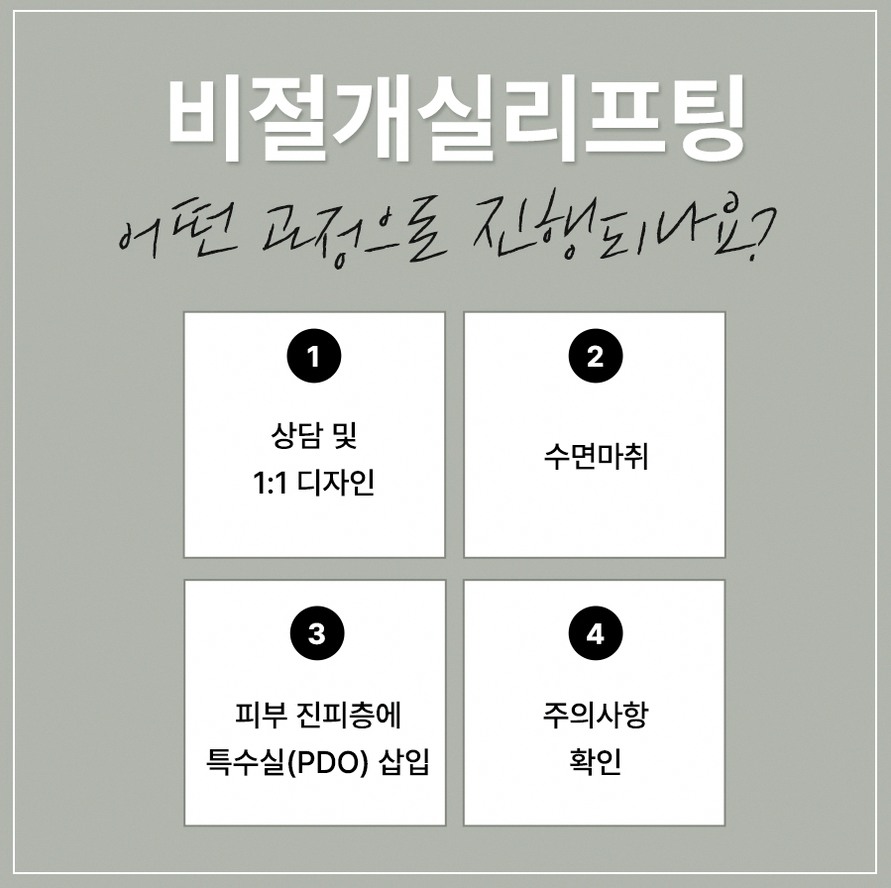
Thread lifting procedure overview
Although details vary by clinic and patient, the general steps of non‑incisional thread lifting are similar.
Consultation and facial analysis
First, the doctor listens to your concerns and examines your face. Photos may be taken from different angles. The doctor checks skin elasticity, the pattern of sagging, and any previous procedures such as fillers or fat grafting.
Design of lifting vectors
Next, the doctor plans the lifting design. Entry points and thread directions are marked on the skin while you are sitting upright, so gravity’s effect on your tissues can be accurately assessed. The number and type of threads are decided based on your goals and anatomy.
Anesthesia
The skin is cleaned, and local anesthesia is injected along the planned thread paths and entry points. If you and the doctor agree, mild sedation may be given under the supervision of an anesthesiology specialist to help you relax.
Thread insertion
Using fine cannulas or needles, the doctor inserts the dissolvable threads under the skin along the planned vectors. The threads are positioned to anchor in firm tissue and then gently tightened to create lift. This step commonly takes about 30–60 minutes depending on the number of areas treated, but actual duration can vary by clinic and patient — confirm expected timing during your consultation.
Immediate post‑procedure check
After the threads are placed, the doctor checks symmetry, the degree of lift, and your comfort. Small adjustments can sometimes be made at this stage. You may be asked to make certain facial expressions to confirm that the lift looks natural.
Recovery and downtime
Most patients experience mild to moderate swelling, bruising, and a feeling of tightness for several days. Pain is usually manageable with oral pain relief. Many people return to light daily activities within a day or two, but it is wise to avoid important public events for about one to two weeks in case of visible bruising.
You will usually be advised to avoid heavy facial massage, extreme facial movements, or sleeping face‑down for a certain period. The clinic should give you written aftercare instructions in a language you understand.
Who may consider thread lifting near Sinnonhyeon Station
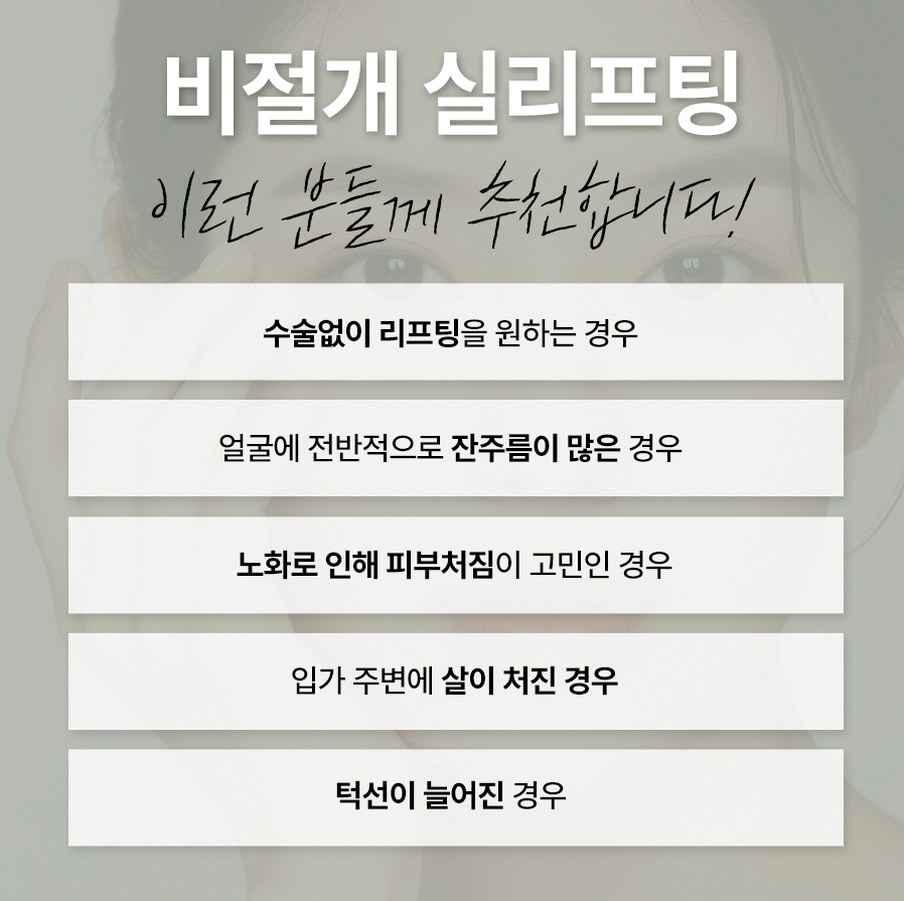
Good candidates for non‑incisional thread lifting typically include:
People in their 30s to 50s with mild to moderate sagging of the cheeks, jawline, or lower face.
Those who want a non‑incisional option with relatively quick recovery.
Patients who accept that results are temporary and may require maintenance.
Individuals who are medically fit for local anesthesia and minor procedures.
Less ideal candidates include:
People with very severe sagging or heavy tissues, where a mini lifting or full facelift may be more appropriate.
Those with unrealistic expectations, such as wanting permanent or extremely dramatic change from threads alone.
Patients with certain medical conditions or medications that increase bleeding or impair healing. These must be evaluated individually during consultation.
If you are unsure whether you are a good candidate, an online consultation with photos can help the clinic give you a preliminary opinion before you decide to travel.
Expected results and longevity
Most patients notice an immediate lifting effect after thread insertion, although there may also be some temporary swelling. Over the following weeks, the tissues settle, and collagen production around the threads can gradually improve skin firmness.
The visible lifting effect commonly lasts around 1 to 2 years, depending on factors such as:
Type and number of threads used.
Your age and skin quality.
Lifestyle factors such as smoking, sun exposure, and weight changes.
Whether you combine threads with other treatments like fillers or skin tightening.
Gravity and aging continue, so thread lifting does not stop the aging process. However, it can delay the need for more invasive procedures and maintain a fresher appearance when combined with a long‑term anti‑aging plan.
Risks and side effects
All medical procedures carry some risk, and thread lifting is no exception. Common, usually temporary side effects include:
Swelling and bruising.
Mild pain or tightness, especially when moving facial muscles.
Temporary dimpling or irregularity of the skin, which often smooths out as tissues settle.
Less common but more serious complications can include:
Infection along the thread path.
Thread exposure or visibility under thin skin.
Prolonged asymmetry or irregular contours.
Nerve irritation or prolonged pain.
Choosing an experienced team and a clinic with proper safety systems, including anesthesia and emergency protocols, can reduce risks and improve management if problems occur. It is important to follow all aftercare instructions and attend scheduled follow‑up visits.
Online consultation and pre‑visit preparation for overseas patients
If you are traveling from overseas to the Sinnonhyeon Station area for thread lifting, good preparation can make your trip smoother and safer.
Before you book flights, consider arranging an online consultation. Most clinics can review facial photos and basic medical information to give you an initial assessment. Useful steps include:
Prepare clear photos of your face from the front, 45‑degree angle, and side, with neutral expression and good lighting.
List any previous procedures, such as fillers, fat grafting, or surgery, and when they were done.
Prepare a summary of your medical history, including medications, allergies, and chronic conditions.
Write down your main concerns and what kind of change you hope to see.
During online consultation, you can ask about:
Whether you are a suitable candidate for thread lifting.
How many days you should stay in Korea for the procedure and follow‑up.
What kind of anesthesia is used and how pain is managed.
How the clinic handles complications or unexpected issues.
Expected Korea visit timeline for thread lifting near Sinnonhyeon Station
Every patient’s schedule is different, but a typical visit for overseas patients might look like this:
Day 1: In‑person consultation and facial analysis. If both you and the doctor agree, the procedure may be performed the same day or scheduled for the next day.
Day 1 or 2: Thread lifting procedure under local anesthesia, with or without mild sedation. You rest at the clinic for a short time afterwards before returning to your accommodation.
Days 2 to 4: Initial recovery period with swelling and possible bruising. Light sightseeing or indoor activities are usually possible, but it is better to avoid heavy exercise.
Day 3 to 7: Follow‑up visit to check healing, adjust aftercare if needed, and confirm that you are safe to fly home.
Staying in Seoul for at least 4 to 7 days after the procedure is often recommended, so that any early issues can be addressed before you travel back.
Aftercare and long‑term planning
After thread lifting, follow the clinic’s instructions carefully. These may include:
Keeping the treated area clean and avoiding makeup for a short period.
Sleeping on your back with your head slightly elevated for a few days.
Avoiding strong facial massage, dental procedures that require wide mouth opening, or intense exercise for a certain time.
Taking prescribed medications such as pain relief or antibiotics as directed.
In the longer term, you can discuss maintenance options with your doctor. This may include repeat thread lifting after the effect diminishes, or combining threads with fillers, skin tightening, or other anti‑aging treatments.
About Kodi Plastic Surgery near Sinnonhyeon Station
Kodi Plastic Surgery is located on Gangnam-daero in Seocho-gu, in the Sinnonhyeon Station area, on the 13th floor of the Tongyeong Building. This makes it convenient for people who work or stay around Gangnam, with easy access by subway and bus.
The clinic focuses on facial aesthetics, with particular emphasis on eye surgery and filler procedures, alongside a broader anti‑aging lineup that includes non‑incisional thread lifting, Botox, fat grafting, mini lifting, and full facelift. Having three board‑certified plastic surgeons and a full‑time board‑certified anesthesiology and pain medicine specialist allows the team to design personalized treatment plans while maintaining attention to safety and monitoring.
Operating hours generally include weekday daytime consultations, extended evening hours on at least one weekday (often Thursday), and Saturday hours, with closure on Sundays and public holidays. Because schedules can change, it is best to check the official website or contact the clinic directly for the most up‑to‑date information and to book your consultation.
Frequently asked questions about thread lifting near Sinnonhyeon Station
How long should I stay in Seoul for thread lifting?
For most overseas patients, staying in Seoul for at least 4 to 7 days after thread lifting is recommended. This allows time for the initial swelling to settle and for at least one follow‑up visit before you fly home. Your exact schedule may vary depending on your health, the extent of treatment, and your doctor’s advice.
Is thread lifting very painful?
Thread lifting is usually performed under local anesthesia, so you should not feel sharp pain during the main part of the procedure. You may feel pressure, pulling, or mild discomfort. After the anesthesia wears off, it is common to experience soreness or tightness for a few days, which is usually manageable with oral pain relief. If you are very anxious, you can discuss mild sedation options with the clinic.
Can I combine thread lifting with fillers or Botox in one trip?
Many patients combine thread lifting with fillers or Botox during the same visit to Seoul, either on the same day or on separate days. Whether this is appropriate for you depends on your facial anatomy, previous treatments, and goals. A clinic with strong experience in fillers and facial design, such as Kodi Plastic Surgery, can help you decide the safest and most effective sequence of treatments.
How do I know if thread lifting is enough, or if I need surgery?
Thread lifting is generally best for mild to moderate sagging. If you have very loose skin, deep folds, or heavy tissues, a mini lifting or full facelift may be more suitable. During consultation, the doctor will examine your skin elasticity, fat distribution, and bone structure. They should explain the pros and cons of threads versus surgery in your specific case, so you can choose based on both medical advice and your tolerance for downtime.
Soft call to action for online consultation
If you are considering non‑incisional thread lifting near Sinnonhyeon Station and would like a professional opinion before planning your trip to Korea, you can arrange an online consultation with a clinic in the Gangnam-daero area such as Kodi Plastic Surgery. By sharing clear photos and your medical history in advance, you can receive a more personalized assessment of whether thread lifting is suitable for you, how long you should stay, and what kind of combined anti‑aging plan may work best.
This article is for general information only and does not replace a personal consultation with qualified medical professionals. Always discuss your individual situation, medical history, and treatment options directly with your doctor before making any decisions.
- 공유 링크 만들기
- X
- 이메일
- 기타 앱


댓글
댓글 쓰기