Forehead filler near Sinnonhyeon Station: practical guide for international patients
- 공유 링크 만들기
- X
- 이메일
- 기타 앱

Direct answer: forehead filler near Sinnonhyeon Station
If you are looking for forehead filler near Sinnonhyeon Station, you will find many clinics along Gangnam-daero in Seocho-gu. Instead of choosing only by location or price, focus on clinics that specialize in facial fillers, offer detailed forehead design, and have systems in place for safety and aftercare. KODI PLASTIC SURGERY, located in the Sinnonhyeon Station commercial area, is one example of a clinic that focuses on eye surgery and filler procedures with area-specific filler know-how.
This guide explains what forehead filler is, who it may suit, how to prepare for treatment in Korea, what your visit schedule might look like, and how to choose a clinic around Sinnonhyeon Station with safety in mind.
What is forehead filler
Forehead filler is a non-surgical procedure that uses injectable hyaluronic acid filler to add volume and shape to the forehead.
The goal is to turn a flat, bony, or uneven forehead into a smoother, gently curved surface. By filling in depressions and softening strong bony lines, the forehead can look softer from the front and more balanced from the side. Many people also feel that a smoother forehead makes the overall face look more youthful and harmonious with the nose and chin.
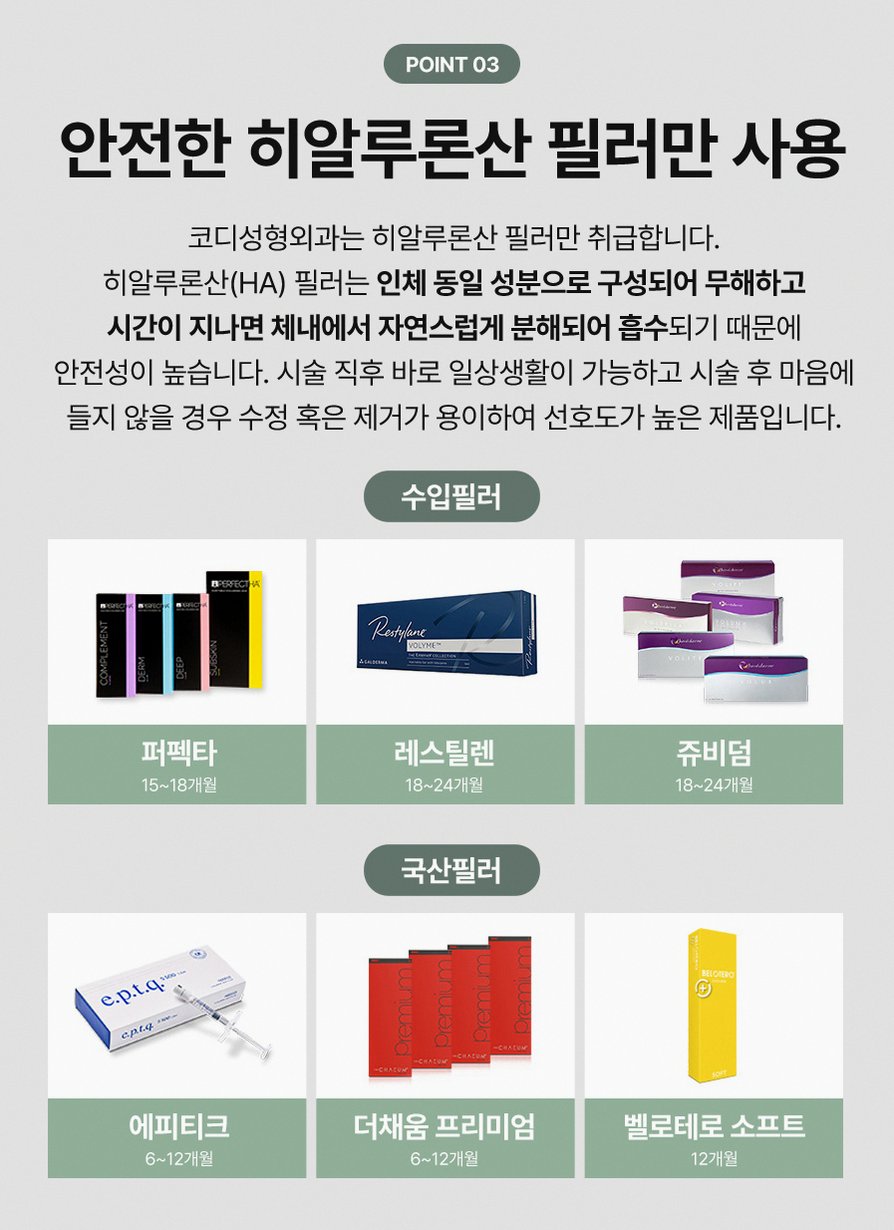
In most cases, hyaluronic acid filler is used. This is a gel-like substance that already exists naturally in the body. It can be shaped during injection and, if necessary, can usually be dissolved later with a special enzyme.
What forehead filler can improve
Forehead filler may help if you have one or more of the following concerns:
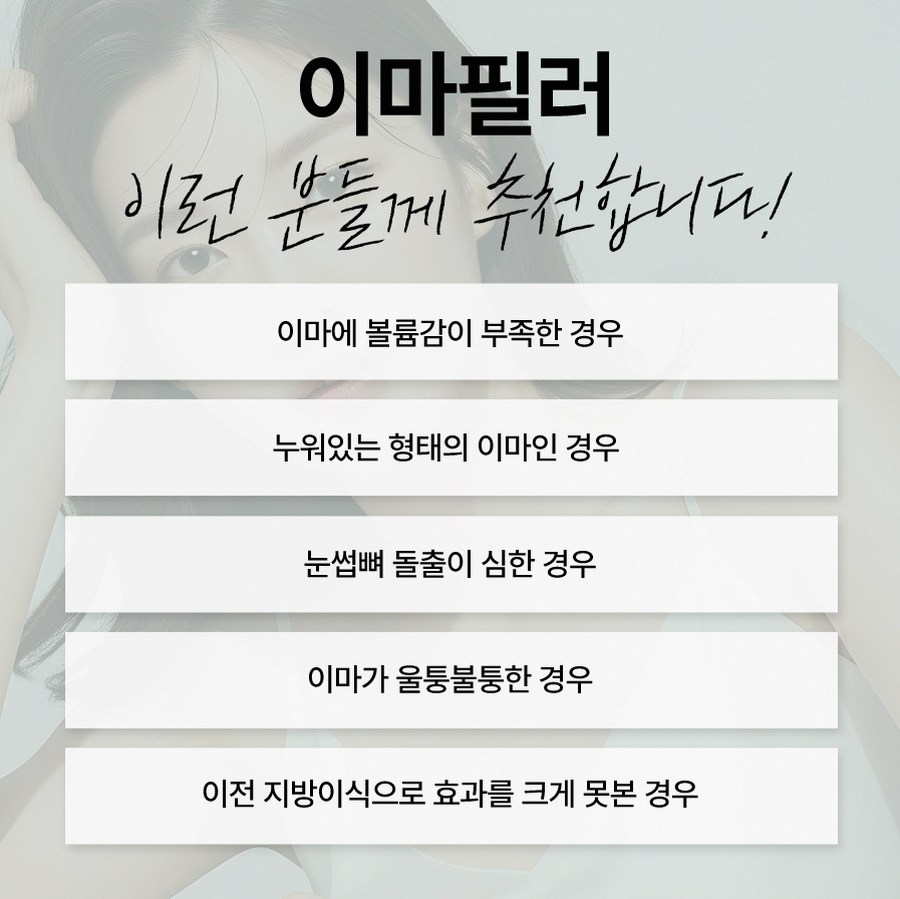
A very flat forehead that makes the face look long or severe from the side.
Visible bony ridges or hollows that catch light in an unflattering way.
A strong brow bone with a sharp step between the eyebrows and hairline.
Mild asymmetry between the left and right sides of the forehead.
A wish to improve profile balance without surgery or implants.
By adding volume in carefully planned areas, the injector can create a gentle curve from the eyebrows up toward the hairline, and smooth the transition toward the temples.
Who may consider forehead filler
Forehead filler may be suitable if you:
Have a flat or slightly sunken forehead and want more volume without surgery.
Feel your brow bone is too prominent and want a softer, more feminine or balanced look.
Have mild to moderate irregularities or small dents in the forehead.
Prefer a reversible option rather than permanent implants.
Are in generally good health and can follow aftercare instructions.
Forehead filler may not be ideal if you:
Have very severe volume loss or need large structural changes, where surgical fat grafting or implants might be discussed.
Have active skin infection or inflammation in the forehead area.
Are pregnant or breastfeeding, in which case many clinics recommend postponing elective fillers.
Have a history of strong allergic reactions to filler ingredients.
The final decision should always be made after direct consultation with a qualified doctor who can examine your forehead from different angles and discuss realistic expectations.
How forehead filler is performed
While each clinic has its own protocol, the basic steps are similar.
Consultation and analysis
The doctor examines your forehead from the front and side, checking:
Forehead height and width.
How prominent the brow bone is.
The shape of the hairline and how far the forehead extends.
Any asymmetry or previous filler or surgery.
How the forehead line connects with the nose, eyes, and chin.
You can discuss what kind of look you prefer: a very round, youthful forehead, or a more natural, subtle curve. Photos or profile images can help the doctor understand your taste.
Design and planning
The injector plans:
Where to place more volume (center, upper part, or sides).
How to blend the filler into the temples and glabella area between the eyebrows.
Which depth to use (superficial, deeper, or layered) to avoid lumps and an artificial look.
How much total filler volume is likely to be needed.
Clinics that specialize in area-specific fillers often use different injection strategies for the center of the forehead, the sides, and the transition to the temples, instead of one simple pattern.
Anesthesia and preparation
The skin is cleansed thoroughly. A topical numbing cream and sometimes local anesthetic injections are used to reduce discomfort. Some clinics may offer mild sedation for very anxious patients, in which case monitoring by an anesthesiology and pain medicine specialist is important.
Injection process
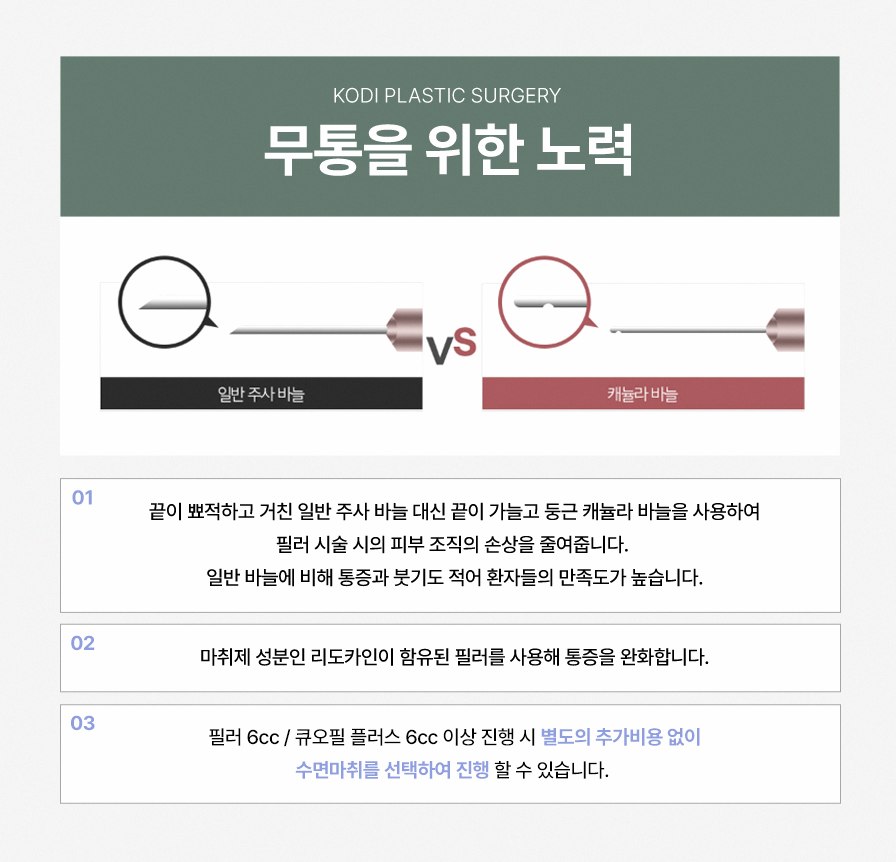
The doctor injects the filler using a needle, a blunt-tipped cannula, or a combination of both. Cannulas are often used to reduce the risk of bruising and to navigate safely around important blood vessels.
The filler is placed in small amounts and gently shaped by hand. The doctor checks the forehead from different angles during the procedure to avoid overfilling and to keep the curve natural.
Total treatment time, including design and anesthesia, is usually around 20 to 40 minutes.
After the injection
You may see immediate volume change, but the final shape will settle over several days as swelling decreases. Mild swelling, redness, or small bruises can appear and usually improve within a few days to a week.
Expected results and longevity
When forehead filler is done carefully, you can usually expect:
A smoother, rounder forehead line.
A softer side profile, with less contrast between the brow bone and the upper forehead.
A less bony, more youthful impression.
The duration of results depends on the filler type, how deep it is placed, and your own metabolism. For many people, forehead filler can last several months to over a year. Some prefer a conservative first session and then a touch-up after a few weeks or months to fine-tune the shape.
Because hyaluronic acid filler can be dissolved with an enzyme, adjustments may be possible if you are not satisfied with the shape or if there is unevenness.
Safety and risks of forehead filler
Forehead filler is a minimally invasive procedure, but it is still a medical treatment with real risks.
Common temporary side effects
Swelling and redness at injection sites.
Mild pain or tenderness when touching the forehead.
Small bruises.
Slight asymmetry in the first days as swelling is not perfectly even.
Small lumps that usually soften as the filler settles.
These usually improve within a few days to a couple of weeks.
Less common but serious risks
Because the forehead has important blood vessels connected to the eye area, incorrect injection technique can, in rare cases, cause serious complications:
Vascular occlusion, where filler blocks a blood vessel.
Skin damage or necrosis if blood flow is reduced for too long.
Visual problems if filler enters or compresses vessels related to the eyes.

This is why the choice of clinic and injector is critical. Doctors with detailed anatomical knowledge and experience in forehead filler can plan safer injection paths and depths, use cannulas where appropriate, inject slowly, and monitor skin color and patient feedback during the procedure.
Why clinic choice near Sinnonhyeon Station matters
The Sinnonhyeon Station area on Gangnam-daero has many aesthetic clinics, so it is important to compare more than just distance and price.
When choosing a forehead filler clinic near Sinnonhyeon Station, consider the following points:
Specialization in fillers
Look for clinics that clearly focus on facial filler procedures, not just offer them as a small part of many services. A segmented filler lineup by area (forehead, nose, cheeks, chin, under-eye, nasolabial folds, lips, and so on) suggests that the clinic has developed specific techniques and dosing strategies for each region.
Medical staff and supervision
Check whether board-certified plastic surgeons are performing or directly supervising filler injections. Their training in anatomy and surgical planning can contribute to safer and more precise results.
For patients who may need sedation, having an in-house anesthesiology and pain medicine specialist, such as Dr. Yoon Hong-jun at some clinics, adds another layer of safety through tailored anesthesia plans and continuous monitoring.
Consultation style
During consultation, observe whether the doctor:
Examines your forehead from multiple angles.
Asks about your preferences and daily habits.
Explains where and how much filler is planned.
Discusses possible side effects and how they would be handled.
Be cautious if the consultation is very brief, if only before-and-after photos are shown, or if the plan is a one-pattern injection without considering your unique forehead shape.
Safety systems and aftercare
A reliable clinic should:
Have emergency protocols for managing vascular complications.
Stock reversal agents such as hyaluronidase for hyaluronic acid fillers.
Offer clear aftercare instructions and scheduled follow-up visits.
Provide a way to contact the clinic if you notice unusual symptoms after treatment.
KODI PLASTIC SURGERY, located on Gangnam-daero in the Sinnonhyeon Station commercial area, is one example of a clinic that emphasizes eye surgery and facial fillers, operates dedicated centers for these areas, and offers a detailed filler lineup including forehead, nose, cheeks, chin, under-eye, nasolabial folds, lips, and premium products like Q.O. Fill Plus.
Online consultation and pre-visit preparation
If you are an overseas patient planning forehead filler near Sinnonhyeon Station, it is helpful to start with an online consultation.
Information to prepare
Before contacting the clinic, prepare:
Clear front and side photos of your face in good lighting, without heavy makeup or filters.
Any previous filler or surgery history, especially in the forehead, temples, or upper face.
A list of medications and supplements you are taking.
Any medical conditions, allergies, or history of abnormal scarring.
Your preferred travel dates and how many days you can stay in Seoul.
Questions to ask during online consultation
You may want to ask:
How many forehead filler cases the doctor performs regularly.
What type of filler products are commonly used for the forehead.
How much downtime you should expect and what signs would require immediate contact.
Whether it is possible to combine forehead filler with other areas such as nose or chin in one visit.
What follow-up options exist for international patients who may leave Korea soon after treatment.
Clinics like KODI PLASTIC SURGERY also run foreign-language pages in English, Chinese, and Japanese, which can make it easier for international patients to communicate and understand instructions.
Expected Korea visit timeline for forehead filler
For most overseas patients, forehead filler can be planned within a short stay. A common schedule might look like this.
Day 1: Consultation and treatment
Arrive at the clinic near Sinnonhyeon Station.
Have an in-person consultation and facial analysis.
Confirm the treatment plan, including filler type and estimated volume.
Sign consent forms and receive pre-procedure photos if the clinic provides them.
Undergo forehead filler treatment.
Rest in the clinic for a short time after the procedure, then return to your accommodation.
Day 2–3: Early recovery
Mild swelling or bruising may appear or become more visible.
You can usually continue light sightseeing or work, but avoid heavy exercise, saunas, and strong pressure on the forehead.
If the clinic offers a short follow-up visit, you may return for a quick check.
Day 4–7: Shape settling
Swelling usually improves, and the forehead shape becomes closer to the final result.
If you are staying longer in Seoul, a follow-up visit can be scheduled to confirm that there are no issues.
If your schedule is tight, many clinics can combine consultation and procedure on the same day, but it is still wise to allow at least a few days in Korea in case minor adjustments or checks are needed.
Aftercare and what to avoid
Proper aftercare helps the filler settle smoothly and reduces the risk of complications.
In the first few days, clinics commonly recommend:
Avoiding strong pressure or massage on the forehead unless your doctor specifically instructs you to massage certain areas.
Sleeping on your back if possible, especially the first night, to avoid pressing the forehead into the pillow.
Avoiding saunas, hot baths, and very intense exercise that can increase swelling.
Limiting alcohol and very salty food, which may worsen swelling.
Keeping the injection sites clean and avoiding makeup on them for the first day if advised.
Watch for warning signs such as severe pain, sudden color change of the skin (especially pale or dark patches), or visual disturbances. If any of these occur, contact the clinic immediately or seek urgent medical care.
Frequently asked questions about forehead filler near Sinnonhyeon Station
How do I know if I am a good candidate for forehead filler or if I need forehead fat grafting instead
Forehead filler is usually suitable for people with mild to moderate flatness or small irregularities who want a reversible, non-surgical option. If you need a very large volume increase or long-lasting structural change, a doctor might discuss surgical options such as fat grafting or implants.
During consultation, the doctor will evaluate how much volume is needed, the quality of your skin, and your long-term goals. Many patients start with filler first because it is adjustable and allows them to test a new forehead shape before considering more permanent procedures.
How much filler is typically used for the forehead, and can it still look natural
The amount of filler needed for the forehead varies widely depending on how flat or sunken it is and what kind of curve you want. Some people may need only a small volume for subtle smoothing, while others may require more for a noticeable rounder shape.
A natural result depends more on design and technique than on the exact number of milliliters. By distributing filler in layers and blending carefully into the temples and upper forehead, an experienced injector can create a gentle curve rather than a round, artificial-looking bulge.
How long does swelling last, and when will I see the final shape
Most people notice some swelling in the first 1 to 3 days after forehead filler. Bruising, if it occurs, can take up to a week or slightly longer to fade. You can usually return to daily activities quickly, but it is wise to avoid important photo events or major social occasions in the first few days.
The forehead shape typically looks close to final after about 1 to 2 weeks, once swelling has settled and the filler has integrated with the tissues. Minor changes can still occur over the following weeks as the filler softens.
Can forehead filler be dissolved or adjusted if I do not like the result
If hyaluronic acid filler is used, it can usually be adjusted. Small uneven areas may sometimes be corrected with additional filler. If there is too much volume or an unwanted shape, a doctor can inject an enzyme called hyaluronidase to dissolve some or all of the filler.
However, dissolving filler also has its own risks and should be done by an experienced doctor who understands the anatomy of the forehead and surrounding vessels. Always discuss the possibility of reversal before your initial treatment so you know what options you have.
Is it safe to combine forehead filler with other facial fillers in one visit
Many patients choose to combine forehead filler with other areas such as nose, chin, under-eye, or nasolabial folds in a single session to improve overall facial balance. This can be safe when properly planned and when the total filler volume and injection sites are carefully considered.
Clinics with an area-specific filler program, including forehead, nose, cheeks, chin, and under-eye, can design a balanced plan that respects the natural proportions of your face. However, combining multiple areas may increase total procedure time and the amount of swelling, so you should discuss your schedule and tolerance with the doctor.

How often will I need maintenance treatments, and can repeated filler cause sagging
Forehead filler usually lasts several months to over a year, depending on the product and your metabolism. Many people choose maintenance sessions when they notice the volume gradually decreasing or when the forehead starts to look flatter again.
Current evidence does not clearly show that properly placed hyaluronic acid filler causes sagging by itself. However, overfilling or very frequent large-volume injections may stretch the skin over time. This is another reason to choose a clinic that favors conservative, well-planned dosing and regular evaluation rather than simply adding more filler at every visit.
Soft call to action
If you are considering forehead filler near Sinnonhyeon Station and would like a structured consultation with area-specific filler planning, you can contact KODI PLASTIC SURGERY for an online evaluation before your trip. By sharing photos and your goals in advance, you and the medical team can discuss whether forehead filler is suitable for you, how it might be combined with other areas, and how to fit the procedure into your Korea travel schedule.
This article is for general information only and does not replace a personal consultation with qualified medical staff. Always discuss your individual situation, medical history, and expectations directly with a doctor before deciding on any procedure.




- 공유 링크 만들기
- X
- 이메일
- 기타 앱


댓글
댓글 쓰기