Gangnam Station forehead filler guide for a smoother profile
- 공유 링크 만들기
- X
- 이메일
- 기타 앱
https://iwriting.co.kr/media/transformed/fb00ba1897b04403a1a92286f4a63598.jpg
Direct answer: Gangnam Station forehead filler in one glance
If you are searching for forehead filler near Gangnam Station, you are looking at a non-surgical injectable treatment that , including the glabella between the brows. It is performed on an outpatient basis, often with immediate visible change and relatively short downtime. This can suit office workers and visitors to the Gangnam area. The clinic operates Thursday evening hours until 8pm and offers KakaoTalk consultation for convenience.
A plastic surgery clinic on Gangnam‑daero in Seocho, within walking distance of Gangnam Station, offers this type of forehead contouring in a dedicated facial filler center, alongside other areas such as nose, cheeks, chin, under‑eye, nasolabial folds, and lips. The team includes three plastic surgeons and one anesthesiology and pain medicine specialist on site, which is helpful for safety and pain control during injectable procedures.
What is forehead filler
Forehead filler is an injectable contouring treatment that uses hyaluronic acid or similar gel fillers to add volume and shape to the forehead. The goal is to create a smoother, fuller curve from the hairline down toward the eyebrows and the transition to the nose.

Instead of surgery or implants, the surgeon injects filler into specific layers of the forehead and, when needed, the glabella and upper orbital rim. By placing the filler in carefully planned planes, the forehead can look less flat or sunken, bony edges can be softened, and the side profile line can appear more harmonious.
Because it is non‑surgical, forehead filler is usually done in an outpatient setting. You come to the clinic, have your consultation, preparation, and injection, and then return to daily activities with some simple precautions. Compared with fat grafting or implants, downtime is generally shorter and the result is reversible if needed.
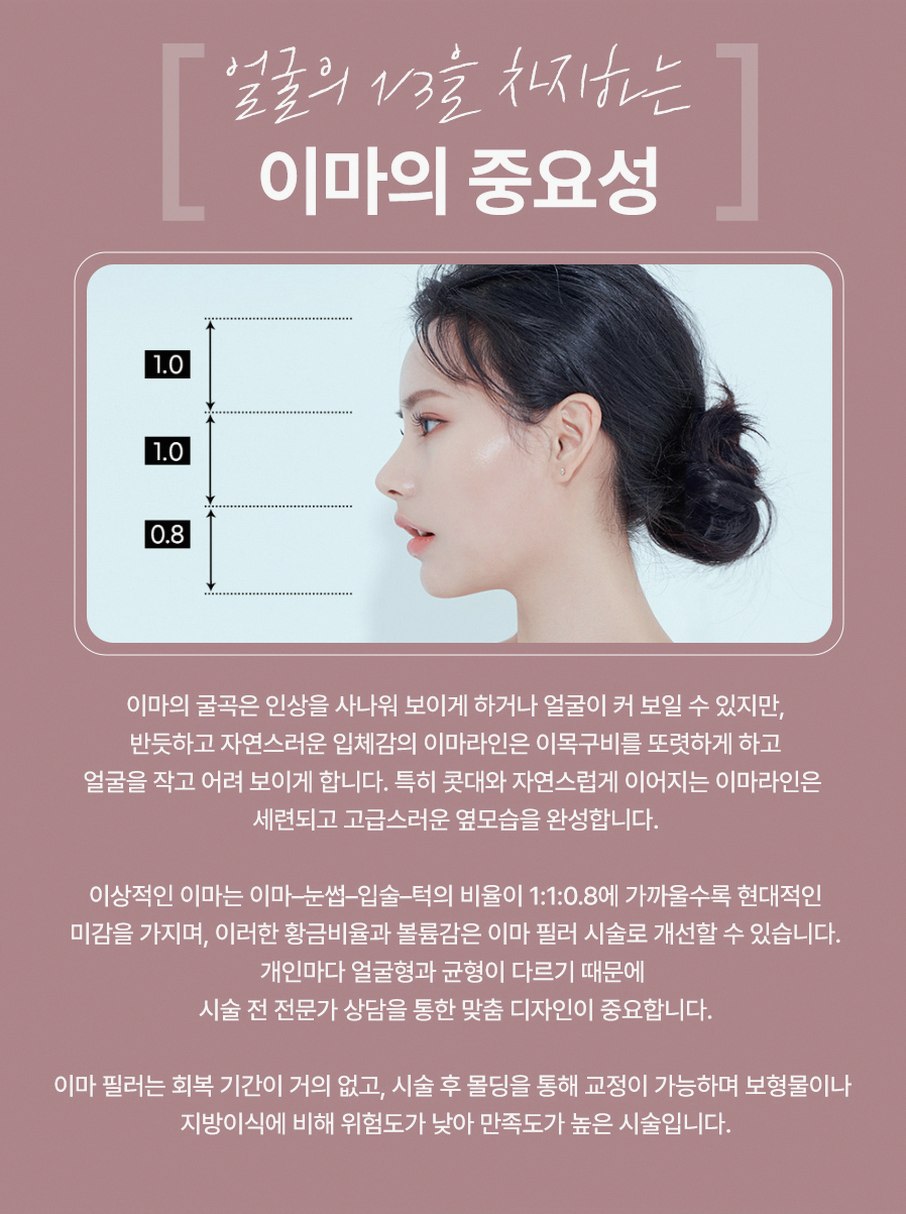
How forehead filler changes the profile
A well‑designed forehead filler treatment can:
Smooth a flat or slightly depressed forehead so it looks more rounded and continuous in side view.
Soften visible bony ridges or irregularities that make the forehead look harsh.
Improve the transition line from the hairline to the nose bridge, so the entire upper face looks more balanced.
Fill hollows between the brows or along the upper orbital rim, which can make the eyes look less tired or severe.
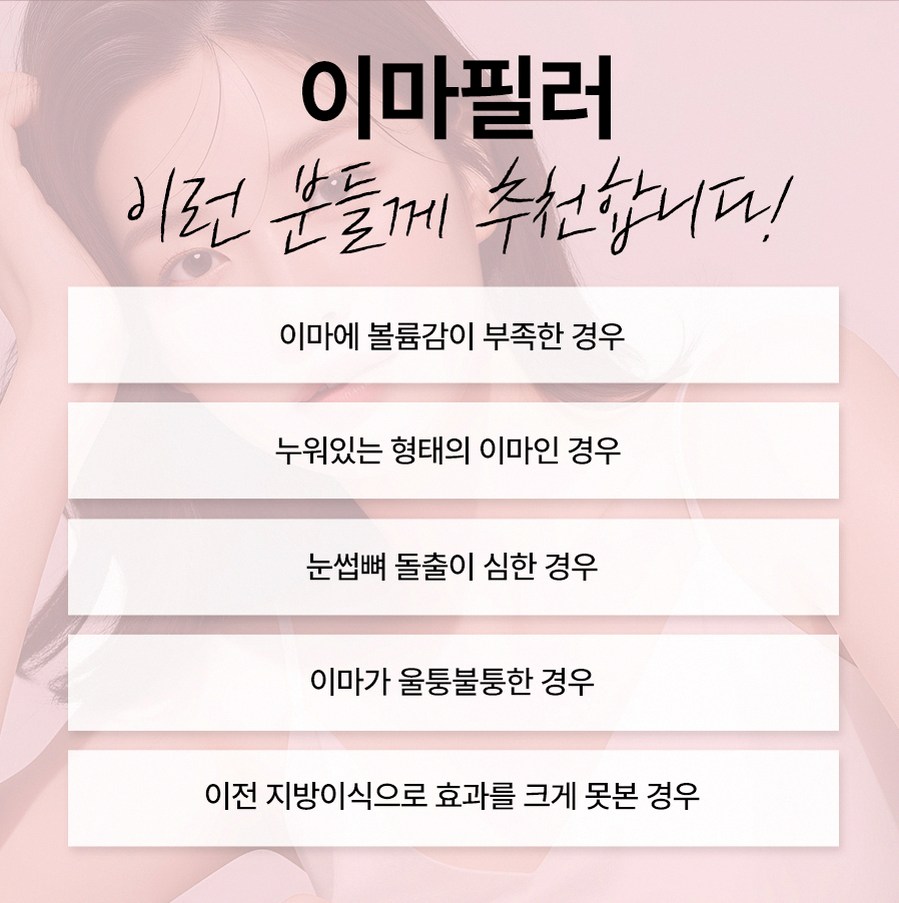
The exact degree of roundness is customized. Some patients prefer a very subtle, natural curve, while others want a more pronounced, youthful fullness. During consultation, the surgeon will usually show you how different curves affect the harmony of the nose, eyes, and chin.
Who typically considers forehead filler near Gangnam Station
Around Gangnam Station, many people considering forehead filler are busy office workers or residents in southern Seoul who want a noticeable but natural improvement without taking long time off.

Typical candidates include:
People who feel their forehead looks too flat or slopes backward when viewed from the side.
Those who notice bumpy or uneven contours due to bone structure.
Individuals with a hollow or sunken area between the brows or at the upper orbital rim, which can create a tired, stern, or older impression.
Patients planning fat grafting in the future who want to test the ideal volume and shape using a reversible filler first.
People who have already had treatments such as nose filler or eye surgery and now want the upper face contour to match and balance the rest of the face.
International residents and medical tourists staying in the Gangnam area may also choose forehead filler because the clinic environment is multilingual, with separate English, Chinese, and Japanese information, which makes communication smoother.
Treatment overview: how forehead filler is performed
Forehead filler is more than simply injecting gel under the skin. The forehead has important blood vessels and is closely related to the eye area, so detailed planning and technique are essential.
Assessment and consultation
At a specialized filler center, the consultation usually includes:
Front and side analysis: The surgeon looks at forehead height, curvature, and brow position, and how these relate to the nose and chin. Photos may be taken from multiple angles.
Skin and soft tissue evaluation: The thickness of the skin and the amount of natural soft tissue help determine which filler type, depth, and injection method are appropriate.
Style discussion: Some patients want a soft, almost flat natural forehead; others prefer a more rounded, youthful look. The surgeon will discuss what suits your facial proportions and cultural preferences.
Medical history review: You will be asked about allergies, previous filler or other injectables, medical conditions, and any medications such as anticoagulants or supplements that can affect bruising.
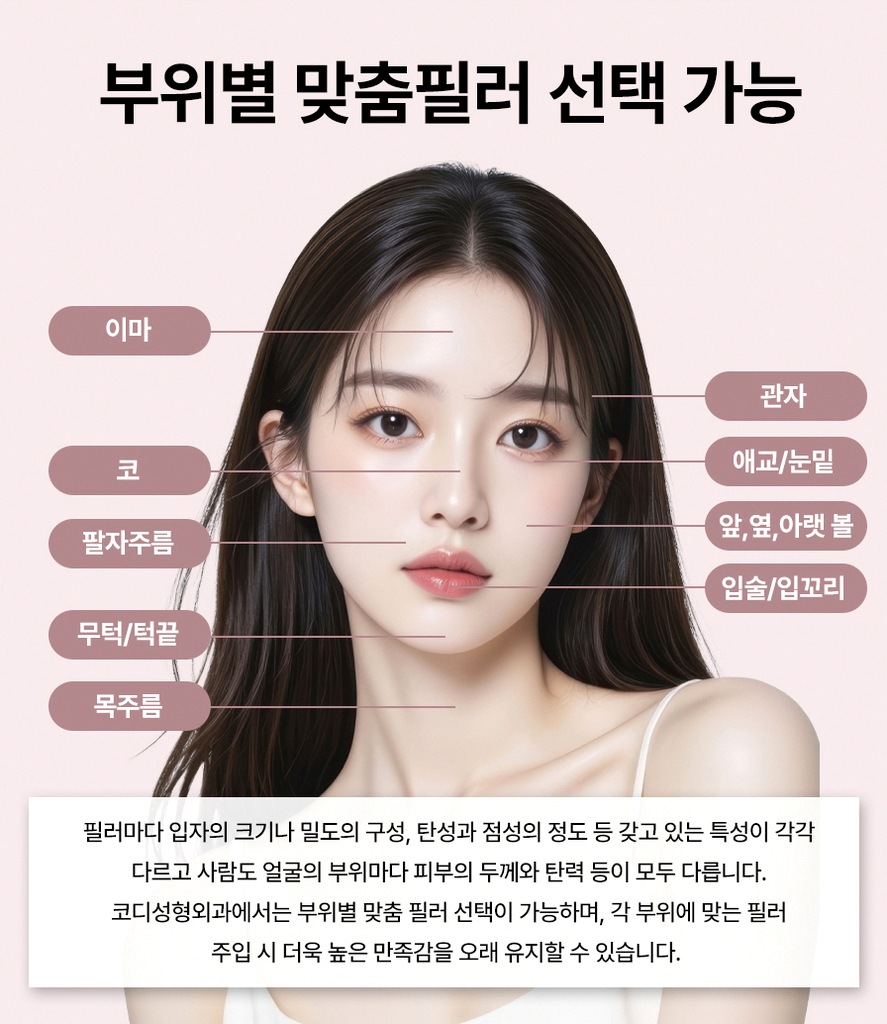
Customized area planning: Instead of injecting in a single straight line, the plan usually divides the forehead into zones: central forehead, lateral forehead, glabella, and transition to the temples. Each zone may require different depth and volume.
If you are visiting from overseas, an online consultation before your trip can help pre‑plan the design and timing so your in‑clinic visit is efficient.
Step by step procedure
While details vary by clinic and patient, a typical forehead filler session near Gangnam Station follows this type of flow:
Cleansing and marking
The forehead is thoroughly cleansed to reduce infection risk. The surgeon then marks key anatomical landmarks, injection points, and areas to avoid. These markings guide the safe placement of filler and help achieve symmetry.
Anesthesia and pain control
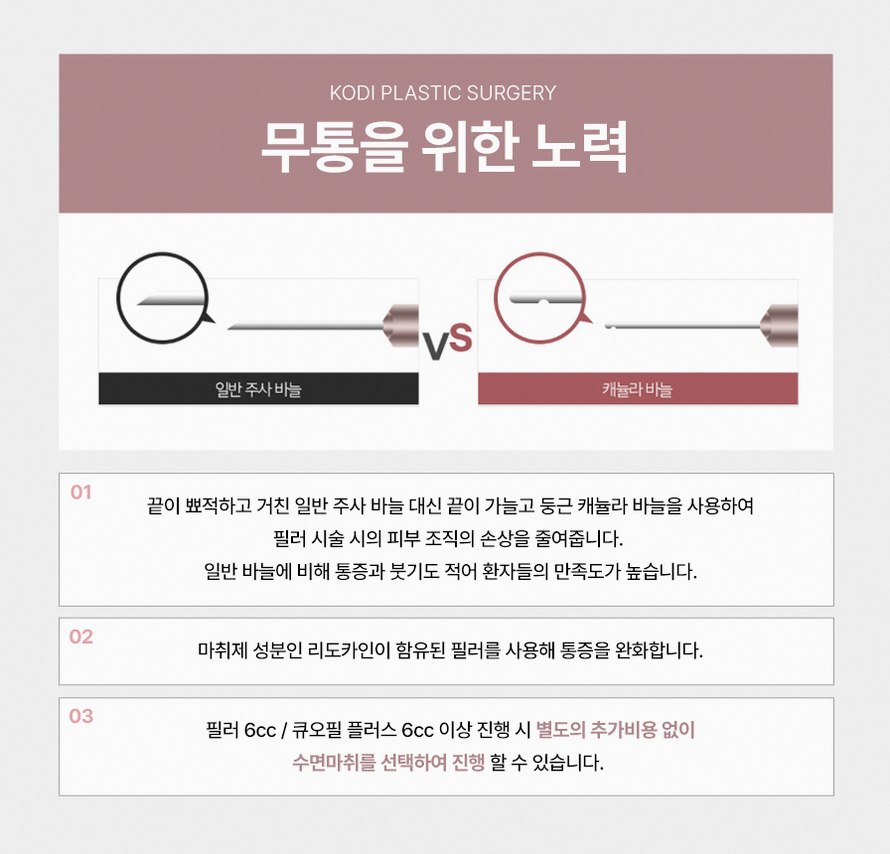
To keep you comfortable, the clinic may use topical numbing cream and local anesthetic injections. In a clinic with an on‑site anesthesiology and pain medicine specialist, pain control can be more closely monitored and adjusted. For anxious patients, additional monitored methods can sometimes be considered, depending on your health status and the clinic’s protocol.
Injection method
The surgeon may use a blunt‑tip cannula, a needle, or a combination of both. Cannulas are often used in higher‑risk areas because they can help reduce the chance of penetrating blood vessels. The filler is placed in gradual layers, building up the curve rather than injecting a large amount at once.
Shaping and molding
After each stage of injection, the surgeon gently molds the filler with their fingers to smooth out any irregularities and blend the edges. This helps prevent visible lumps and ensures a continuous contour.
Final check in natural posture
You will usually be asked to sit up so the surgeon can check your forehead and profile in a natural position. Small adjustments can be made at this stage to refine symmetry and volume.
Total time including preparation is often brief and may fit into a long lunch break or an after-work appointment for people working around Gangnam Station.
Results, longevity, and maintenance
One of the main advantages of forehead filler is the immediate visible change. Right after the procedure, you will see a smoother, fuller forehead and a softer side profile. There may be mild swelling, so the final settled shape becomes clearer over the next few days.
Duration of effect
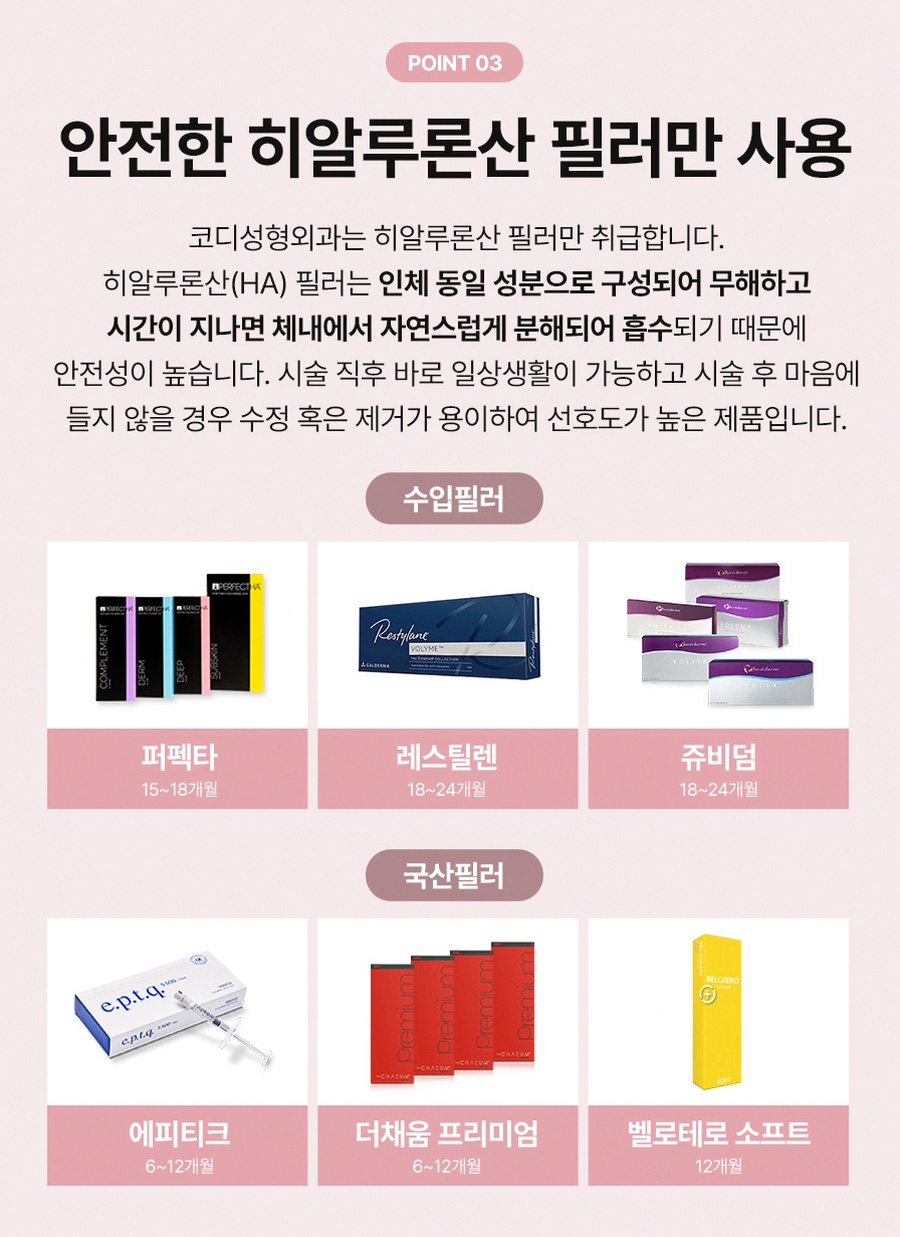
For hyaluronic acid forehead filler, effects typically last for several months but can vary by product, technique, and individual. Factors that influence longevity include:
Filler characteristics: Different products have different degrees of cross‑linking and firmness, which affect how long they maintain volume.
Individual metabolism: People who metabolize filler quickly, or who are very active, may notice a shorter duration.
Injected volume and depth: Larger volumes and deeper placement may last longer, within safe limits.
Lifestyle: Smoking, heavy sun exposure, and overall health can influence how long fillers last.

Maintenance and touch‑ups
To keep a stable shape over time, your surgeon may suggest planned touch‑up sessions before the filler has fully broken down. These sessions often require less volume than the first treatment.
One important point is reversibility. Because hyaluronic acid fillers can usually be dissolved with an enzyme called hyaluronidase, adjustments or corrections are possible if you are not satisfied with the shape or if there are issues. This is one reason forehead filler is often chosen as a first step before more permanent procedures.
Safety, risks, and why technique matters
The forehead is considered a more delicate area for filler compared with some other facial zones. This is because of the presence of important blood vessels, the proximity to the eyes, and relatively tight soft tissue over bone.
Common temporary side effects
After forehead filler, it is normal to experience:
Mild swelling and redness at injection points.
Bruising in some areas, especially if needles were used.
Tenderness or a feeling of tightness when raising the brows.
These usually improve over several days. The clinic will provide specific instructions on how to manage them.
Possible complications
Less common but important risks include:
Asymmetry or overfilling, which may require additional shaping, small top‑up injections, or partial dissolving.
Nodules or unevenness if filler is placed too superficially or in irregular layers.
Rare vascular complications, such as skin damage or visual disturbance, if filler unintentionally enters a blood vessel.
Because of these possibilities, it is important to choose a clinic where the surgeons are experienced in forehead anatomy and have clear emergency protocols.
Safety systems in a structured filler center
A plastic surgery clinic with a dedicated facial filler center near Gangnam Station usually emphasizes:
Experienced plastic surgeons who routinely perform forehead and other facial fillers.
Use of appropriate injection planes and, when suitable, cannulas to reduce risk.
On‑site anesthesiology and pain medicine specialist who can assist with monitoring and rapid response if needed.
Preparedness with emergency medications and protocols, including hyaluronidase, in case of vascular compromise.
This structured environment is different from casual filler settings where such systems may not be fully in place. For international patients, this can be an important factor when choosing where to have treatment.

Comparison with fat grafting and implants
When you research forehead contouring, you may also encounter options such as fat grafting or implants. Each method has its own characteristics.
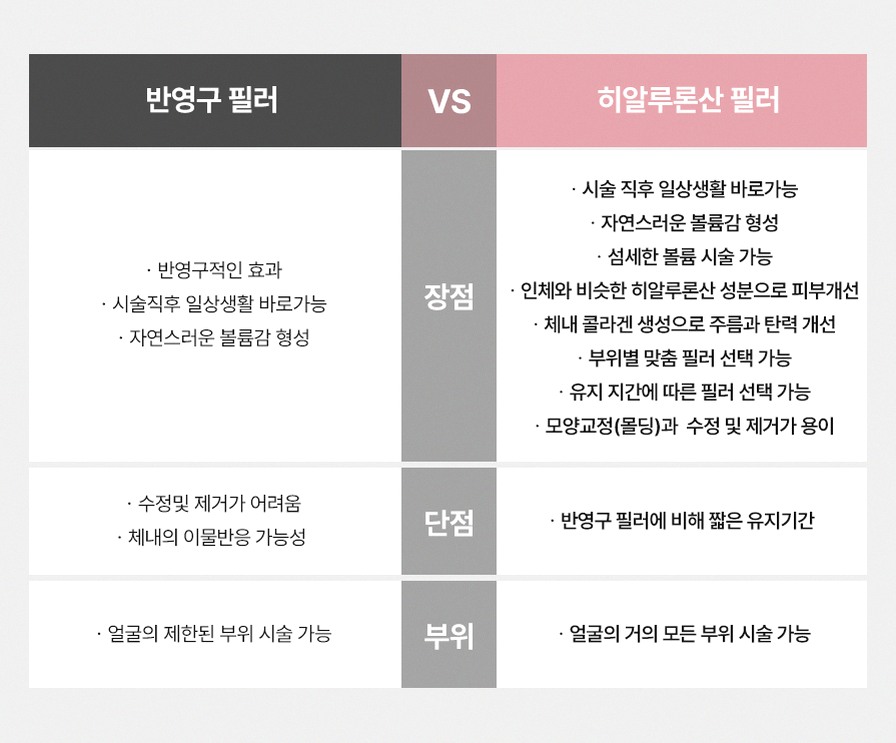
Forehead filler
Non‑surgical, outpatient.
Immediate results, short downtime.
Reversible and adjustable.
Needs maintenance as filler gradually breaks down.
Fat grafting
Uses your own fat, harvested from another area of the body.
More invasive, usually requires stronger anesthesia and a longer procedure.
Results can be longer lasting, but the amount of fat that survives can be unpredictable.
More downtime due to both donor site and forehead recovery.
Implants
Surgical placement of a fixed‑shape implant.
Less commonly chosen for the forehead compared with filler or fat.
Not easily reversible and requires surgery for removal or adjustment.
For many first‑time patients or those visiting Korea for a short period, forehead filler is often a practical choice. It allows you to see how a fuller forehead changes your appearance, and you can later decide whether to continue with fillers, switch to fat grafting, or maintain your natural shape.
Gangnam Station location advantages for overseas patients
Choosing a clinic near Gangnam Station offers several conveniences, especially if you are an international visitor or a foreign resident in Seoul.
Easy access
Gangnam Station is a major transportation hub on Gangnam‑daero, with multiple subway lines and many bus routes. A clinic located within walking distance on Gangnam‑daero is easy to reach from hotels, guesthouses, and other districts.
Flexible scheduling
Weekday hours, extended evening hours on certain days such as Thursday, and Saturday availability make it easier to fit treatment into a short trip or a busy work schedule. Many patients schedule consultation and procedure on the same day, depending on the clinic’s policy and their own medical suitability.
Multilingual support
For overseas patients, communication is key. A clinic that maintains separate English, Chinese, and Japanese web pages and has staff accustomed to international patients can help you understand the procedure, consent forms, and aftercare clearly.
Structured follow‑up
Forehead filler can continue to settle over days to weeks. A clinic that emphasizes scheduled follow‑up visits can check symmetry, monitor for any delayed reactions, and plan touch‑ups if needed. If you are staying in Korea for a limited time, this follow‑up schedule can be discussed in advance.
Online consultation and pre‑visit preparation
Before flying to Korea or visiting the clinic, you can often start with an online consultation. Preparing well for this step will make your visit smoother.
Information to prepare
Clear photos: Front, 45‑degree, and side views of your face in good lighting, without heavy makeup on the forehead.
Medical history: List of current medications, allergies, previous filler or other cosmetic procedures, and any chronic conditions.
Goals and concerns: Short notes on what you dislike about your forehead and what kind of change you hope for (for example, slightly rounder, more youthful, softer brow area).
Schedule: Your planned arrival and departure dates, and any other medical or sightseeing plans that might affect timing.
Questions to ask during online consultation
How the surgeon approaches forehead filler design and which areas they usually treat (central forehead, glabella, temple transition).
Which filler products are commonly used for the forehead and why they are chosen.
How pain is managed during the procedure and what role the anesthesiology specialist plays.
Expected number of visits, including follow‑up, within your travel schedule.
Policies for corrections, dissolving filler, or managing complications.
By clarifying these points in advance, you can arrive in Seoul with a clear plan and realistic expectations.
Expected Korea visit timeline for forehead filler
The exact schedule depends on your travel plan, but a common timeline for international patients might look like this:
Day 1: Arrival and rest
Arrive in Korea, check into your accommodation, and rest from the flight. Avoid scheduling procedures immediately after a long flight if you are very tired or swollen.
Day 2: In‑clinic consultation and procedure
Visit the clinic near Gangnam Station for an in‑person consultation. The surgeon will examine your forehead, confirm the design, and review consent and safety information. If both you and the surgeon agree, the procedure can often be performed on the same day.
Day 3 to 4: Early recovery
Mild swelling or bruising may appear or peak during this period. You can usually carry on with light sightseeing or work, avoiding heavy exercise, sauna, and alcohol as advised.
Day 5 to 7: Follow‑up visit
A follow‑up appointment allows the surgeon to check the contour as swelling decreases, confirm symmetry, and answer any questions. Minor adjustments may be discussed if necessary.

Beyond 1 week
Most patients feel comfortable returning to normal routines and travel. If you are staying longer in Korea, another check‑up can be arranged. If you leave earlier, you can keep in touch with the clinic by email or messaging for any later questions.
Pre‑ and post‑treatment care
Pre‑treatment preparation
Discuss medications: Ask your primary doctor whether you can safely pause blood‑thinning medications or supplements, such as certain herbal products, that increase bruising risk. Follow medical advice carefully.
Arrive with a clean forehead: Minimize makeup and skincare products on the treatment area on the day of the procedure.
Plan your schedule: Avoid scheduling intense exercise, sauna visits, or important photo events immediately after the procedure.
Post‑treatment care
Swelling and bruising: Mild swelling and bruising are common. Use cold compresses as directed by the clinic, usually in short intervals.
Avoid pressure: Do not press, massage, or sleep face‑down on your forehead for several days. Try to sleep on your back with your head slightly elevated the first night or two.
Activity restrictions: Limit intense exercise, hot baths, and sauna for a short period, often around several days, according to your surgeon’s instructions. Alcohol intake is usually best minimized during early recovery.
Skin care: Be gentle when cleansing or applying skincare around the forehead. Avoid harsh scrubs or strong pressure.
Follow‑up: Attend scheduled follow‑up visits so the surgeon can check the filler position and overall result.
Always follow the specific guidelines given by your own surgeon, as protocols can differ slightly by clinic and by individual case.
Frequently asked questions about Gangnam Station forehead filler
How long does forehead filler last and when should I plan a touch‑up visit to Korea
Forehead filler with hyaluronic acid typically lasts around 9 to 18 months, but this varies between individuals. If you are an overseas patient, you may want to schedule a possible touch‑up visit around the time you plan to return to Korea for other reasons, such as business or travel. During online consultation, you can discuss a long‑term plan that matches your expected travel frequency.
Is forehead filler painful and how is pain managed
Most patients describe forehead filler as mildly to moderately uncomfortable rather than very painful. Numbing cream and local anesthesia are usually applied before injection. In a clinic with an anesthesiology and pain medicine specialist on site, pain control can be tailored more closely, and anxious patients can receive additional support. Communicating your pain tolerance and anxiety level in advance helps the team prepare the right approach for you.
Can I go back to work immediately after forehead filler near Gangnam Station
Many office workers return to work the same day or the next day after forehead filler. You may have mild swelling, small needle marks, or bruising that can be covered with makeup after a short period, depending on clinic instructions. If your work involves heavy physical activity or wearing tight headgear, you should discuss this with your surgeon so they can advise on the best timing.
What should I check when choosing a forehead filler clinic around Gangnam Station
Beyond location and cost, it is important to check how many forehead filler cases the surgeons handle, their approach to safety in this high‑risk area, and what systems are in place for emergency management. Ask whether they use cannulas for certain zones, what filler products they prefer for the forehead, and how follow‑up and correction policies work. For international patients, it is also helpful to confirm language support and how online communication will be handled after you return home.
Soft call to action
If you are considering forehead filler near Gangnam Station and would like a smoother, fuller forehead without surgery, an online consultation can be a good first step. By sharing your photos, medical history, and goals in advance, the clinic team can suggest a personalized plan, explain the procedure in detail, and help you organize your visit to Seoul around consultation, treatment, and follow‑up.
This article is for general information only and does not replace a personal consultation with qualified medical professionals. Individual suitability, risks, and outcomes should always be discussed directly with your own surgeon before deciding on any treatment.




- 공유 링크 만들기
- X
- 이메일
- 기타 앱


댓글
댓글 쓰기