Gangnam Station Thread Lifting Effects and What Overseas Patients Can Expect
- 공유 링크 만들기
- X
- 이메일
- 기타 앱

Direct answer summary
If you are commuting through Gangnam Station and considering non‑incisional thread lifting, expect a subtle to moderate lifting and tightening effect rather than a dramatic surgical facelift. Some patients report a sharper jawline, softer nasolabial folds, and a slightly lifted midface soon after the procedure, with further firmness developing over several weeks as new collagen forms; individual results vary. Visible lifting duration varies widely by individual—consult the clinic for typical timelines based on thread type and your skin. A personal consultation with a qualified plastic surgeon is essential to understand what is realistic for your own face.
What is non‑incisional thread lifting near Gangnam Station
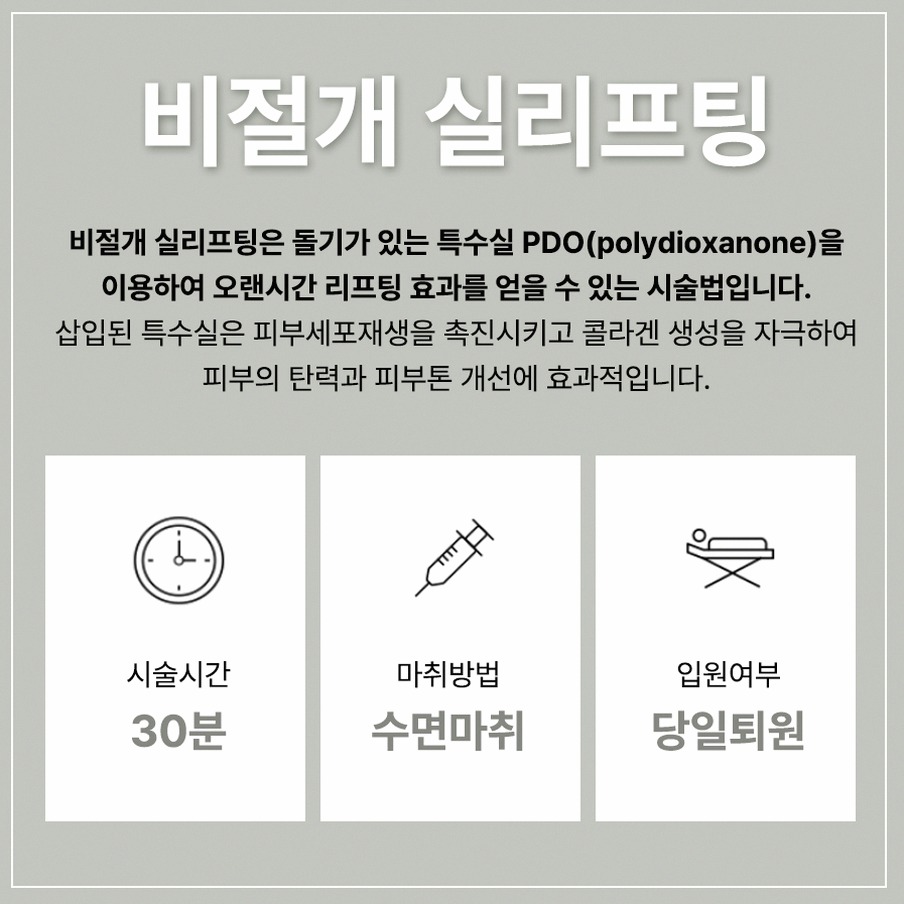
Non‑incisional thread lifting is a minimally invasive anti‑aging procedure where fine lifting threads are inserted under the skin through tiny puncture points rather than long incisions. Around Gangnam Station in Seocho‑gu, many clinics offer this as a convenient option for office workers who want visible lifting but are not ready for surgery.
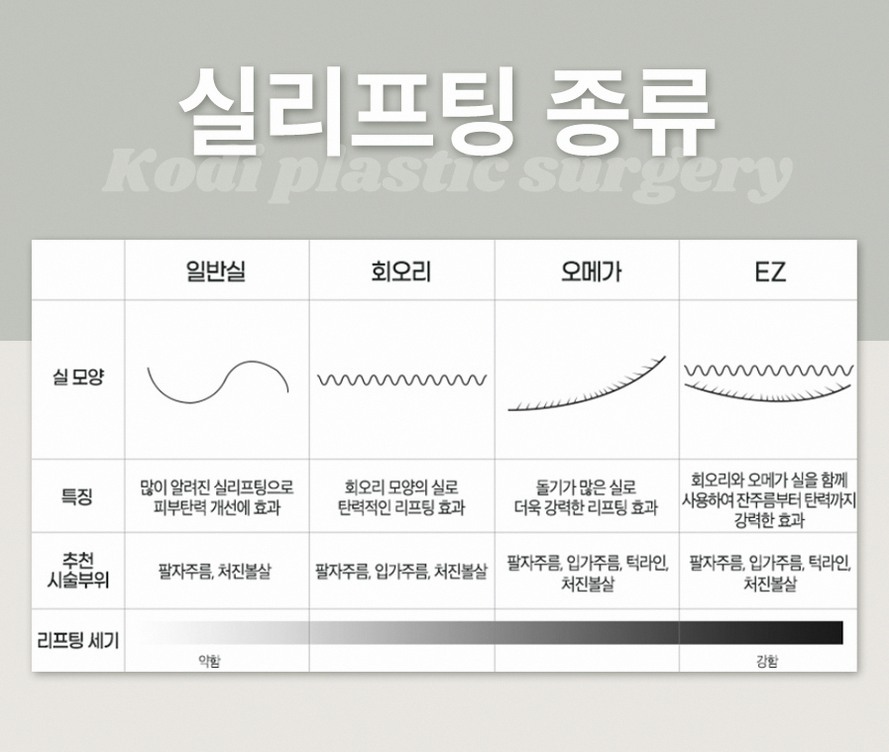
The threads are usually made of absorbable materials similar to those used in medical sutures. They have tiny barbs or cogs that catch the tissue and allow the surgeon to gently reposition sagging areas. Over time, the presence of the threads stimulates collagen production along their path, which can improve firmness and elasticity even after the threads themselves dissolve.
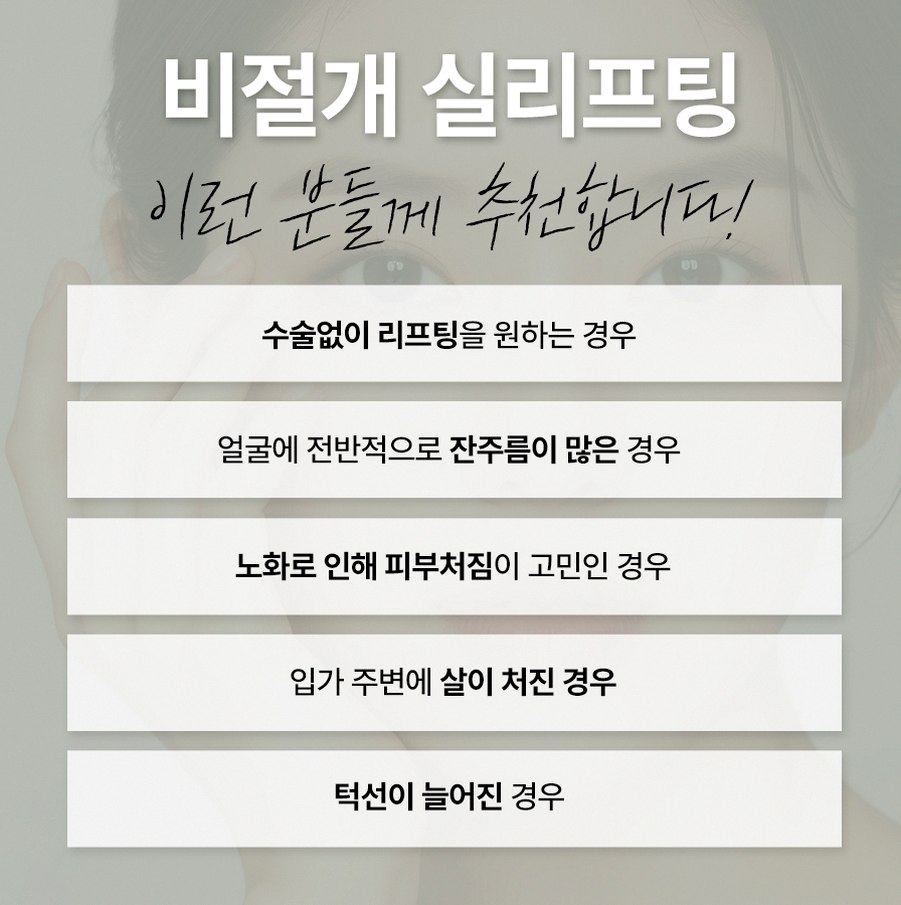
Typical target areas include the cheeks, early jowls, jawline, nasolabial folds, marionette lines around the mouth, and sometimes the midface. The goal is to restore a cleaner contour and reduce the tired or droopy look that appears in the late 20s to 40s.
How thread lifting works in the face
During the procedure, the surgeon plans lifting vectors that follow the natural lines of your face. Threads are inserted along these vectors using a fine needle or blunt cannula. Once the threads are in place, the surgeon gently pulls them to lift the tissue and then anchors them in a stable position.

There are two main mechanisms of effect. First, the mechanical lift: the barbs or cogs physically hold the tissue in a higher position, which you can see immediately after the procedure. Second, the biological response: your body forms collagen around the threads over several weeks to months, which can help maintain some firmness even after the threads dissolve.
Main lifting effects by facial area
Jawline and jowls
For many office workers in their 30s and 40s, the first concern is a blurred jawline and small jowls near the corners of the mouth. In suitable candidates, thread lifting can create a cleaner jawline by pulling up and back on the sagging tissue. The effect is usually most noticeable when viewed from the side or three‑quarter angle, rather than in a strict front view.
Nasolabial folds and marionette lines
Threads placed from the cheek toward the temple or ear can gently reposition the midface tissue that is sliding down and deepening the nasolabial folds. This often softens the folds rather than erasing them. Marionette lines at the corners of the mouth may also look less heavy when the surrounding tissue is lifted.
Cheeks and midface
In the midface, thread lifting can slightly raise the cheek fat pads that have begun to descend, giving a fresher and less tired appearance. This is usually a mild to moderate change, not a complete reshaping. In some cases, combining threads with fillers in specific areas can better restore youthful volume and contour.
Lower face contour
By lifting the sides of the face and jawline, thread lifting can create a more defined V‑line or slimmer lower face in people whose main issue is sagging, not bone structure. However, it does not change the actual bone shape and is less effective if the skin is very heavy or thick.
Skin quality and texture
Beyond the visible lifting, many patients notice that their skin feels slightly firmer and more elastic after several weeks. This is due to collagen stimulation around the threads. Fine lines and mild laxity may appear improved, especially when thread lifting is combined with energy‑based treatments or skincare.
How long do thread lifting effects last
The duration of thread lifting effects varies, but a common range is around 6 to 18 months for the visible lifting. Several factors influence this timeline.
Thread material and design. Different absorbable materials and barb designs can last for different periods. Some threads maintain their mechanical support longer before dissolving.
Number and placement of threads. Using enough threads in the correct vectors helps distribute tension and may support a longer‑lasting result.
Age and skin elasticity. Younger patients with better skin elasticity often maintain the lifting effect longer than older patients with more advanced laxity.
Lifestyle factors. Smoking, significant weight fluctuations, strong sun exposure, and poor sleep can accelerate skin aging and shorten the visible benefit.
Even after the threads dissolve, the collagen framework they leave behind can support mild firmness. However, natural aging continues, so some sagging gradually returns. Some patients schedule repeat treatments at intervals chosen with their surgeon, or combine thread lifting with other treatments as part of a long‑term anti‑aging plan; timing depends on individual results and the thread used.
Who tends to see better effects
Thread lifting is usually most effective for people in their late 20s to 40s with mild to moderate sagging rather than severe laxity.
Ideal candidates often share these features. They have relatively good skin elasticity and not very heavy or thick skin. They show early jowls, a slightly blurred jawline, or mild drooping of the midface. They have nasolabial folds and marionette lines that are becoming noticeable but are not extremely deep. They want a fresher, lifted look but do not want or do not yet need a surgical facelift.
In contrast, patients with very loose, heavy tissue or advanced aging often do not get enough benefit from threads alone. In such cases, a surgical facelift or mini‑lifting may be more appropriate, sometimes combined with threads or other treatments. A qualified plastic surgeon can evaluate your skin and facial structure and recommend the most suitable option.
Realistic expectations and limitations
It is important to understand what thread lifting can and cannot do.
Thread lifting cannot fully replace a surgical facelift. The strength and longevity of the lift are more limited. The goal is usually a natural, slightly refreshed appearance rather than a dramatic transformation.
The effects are subtle to moderate. People around you may think you look more rested or slimmer in the face, but they may not immediately guess you had a procedure. If you expect a complete reversal of aging or a much younger appearance, you may be disappointed.
There can be some degree of asymmetry or partial relapse. The human face is naturally asymmetric, and threads interact with each person’s anatomy and healing response differently. One side may relax a bit faster than the other, or the lift may be less than expected in certain areas.
Thread lifting also does not directly address deep wrinkles caused by repeated muscle movement, such as frown lines or crow’s feet. These are usually better treated with other modalities, which can be combined with threads in a comprehensive plan.
Procedure overview at a Gangnam Station area clinic
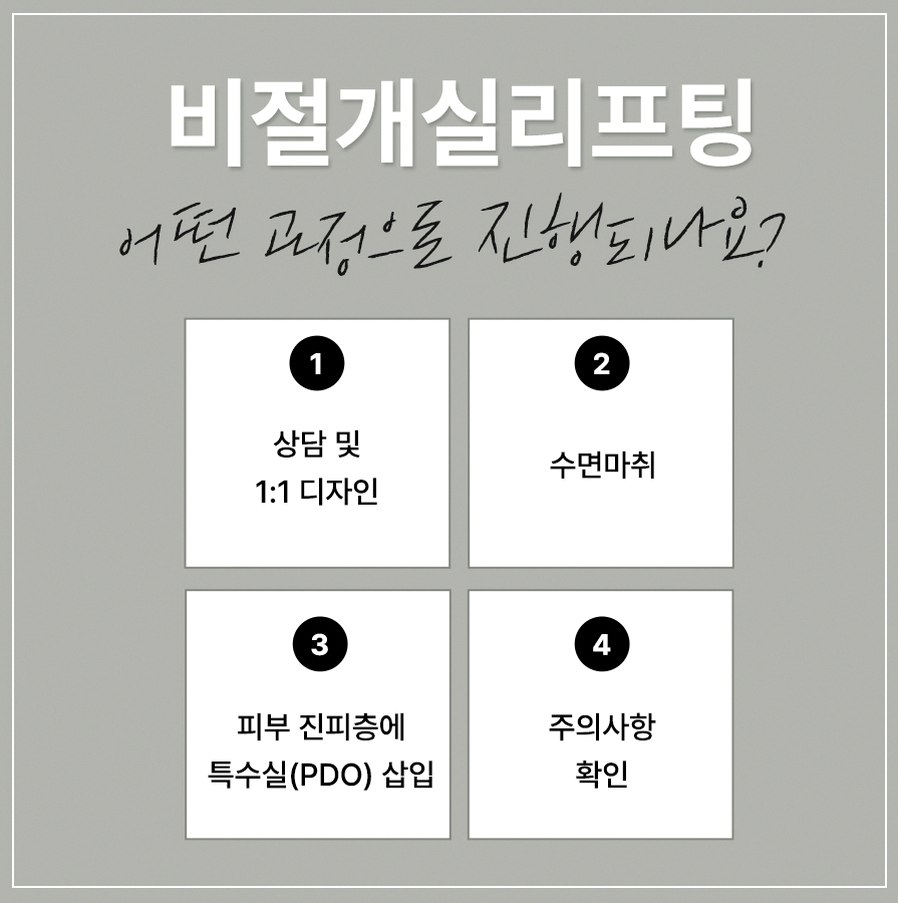
For international patients visiting a clinic near Gangnam Station, the typical non‑incisional thread lifting process includes several steps.
Pre‑procedure consultation. A board‑certified plastic surgeon will examine your face, check skin laxity, and review your medical history. They will ask about your main concerns, such as sagging cheeks or jawline, and explain what degree of improvement is realistic for you.
Planning lifting vectors. The surgeon marks the skin to map out the direction of lift and the entry and exit points for the threads. This planning is crucial for a balanced and natural result.
Anesthesia and monitoring. Local anesthesia is usually used to numb the treatment areas. Some clinics near Gangnam Station have a board‑certified anesthesiology and pain medicine specialist on staff to manage sedation and monitor safety when needed. This can be reassuring for patients who are nervous about discomfort.
Thread insertion. Using fine needles or blunt cannulas, the surgeon inserts the threads along the planned vectors. You may feel pressure or pulling, but pain is usually controlled with local anesthesia and, if chosen, light sedation.
Adjustment and symmetry check. After placing the threads, the surgeon gently adjusts the tension to achieve the desired lift and checks both sides of the face for symmetry. Small corrections can be made at this stage.
Procedure length varies by case; your clinic will advise the expected duration based on the number of threads and areas treated. Most patients can leave the clinic the same day and return to their accommodation.
Recovery, downtime, and precautions
Recovery after thread lifting is generally shorter than after surgical lifting, which is one reason it is popular among busy professionals near Gangnam Station.
Common early symptoms include mild to moderate swelling, bruising along the thread paths, a tight or pulling sensation when moving the face, and mild discomfort or tenderness at entry points. These are usually most noticeable in the first few days.
Most people can resume light daily activities within a day or two, such as office work, walking, and simple errands. Visible swelling and bruising typically improve over 1 to 2 weeks, though this can vary.
Short‑term precautions often include avoiding wide mouth opening, such as big yawns or large bites, for about 1 to 2 weeks; avoiding strong facial massage, facial treatments, or pressure over the treated areas; avoiding sauna, hot baths, and very intense exercise for a short period; and sleeping on your back with your head slightly elevated and avoiding sleeping face‑down or on one side if possible.
Your clinic will provide specific instructions based on your case. Following these guidelines carefully helps the threads settle in place and reduces the risk of complications.
Safety, risks, and possible side effects
Thread lifting is considered a minimally invasive procedure, but it still carries risks. Understanding them helps you make an informed decision.
Possible side effects include bruising and swelling, which are common and usually temporary; dimpling or irregularities on the skin surface where the thread pulls the tissue; feeling or seeing the thread under thin skin; infection at entry points or along the thread path; mild asymmetry or uneven lifting; temporary nerve irritation causing tenderness or altered sensation; and rare cases of thread extrusion where part of a thread becomes visible and needs to be adjusted or removed.
The risk of complications can be reduced by choosing an experienced surgeon, a clinic that follows strict sterile technique, and appropriate thread types and placement for your anatomy. Having an anesthesiology specialist or robust monitoring system available is also valuable when sedation is used.
If you are traveling from overseas, it is wise to stay in Korea for at least several days after the procedure so that any early issues can be checked and managed before you fly home.
How thread lifting compares with other anti‑aging options
Versus surgical facelift or mini‑lifting. Surgical lifting involves incisions, deeper tissue repositioning, and a longer recovery, but it generally provides a stronger and longer‑lasting lift, especially for severe sagging. Thread lifting is less invasive, has shorter downtime, and is often better suited for earlier stages of aging or for people who want a smaller change.
Versus fillers. Fillers are used to restore lost volume and can help support folds by filling from underneath. Thread lifting, on the other hand, repositions sagging tissue upward. In many cases, the best result comes from combining the two: threads to lift, and fillers to refine contours or replace volume in specific areas.
Versus energy‑based devices. Treatments such as HIFU or radiofrequency focus on stimulating collagen and tightening the skin from the outside. They can improve mild laxity and texture but usually do not provide as much immediate mechanical lift as threads. Some patients use energy‑based treatments to maintain or enhance the effect of thread lifting over time.
A clinic near Gangnam Station that offers a range of options, from thread lifting and injectables to surgical lifting, can design a tailored plan based on your age, skin condition, and schedule.
Preparing from overseas and online consultation
If you live abroad and are considering thread lifting in Seoul, it is helpful to start with an online consultation before booking flights.
You can usually send clear photos of your face from the front, 45‑degree angles, and sides, with neutral expression and good lighting. The clinic can then give you a preliminary opinion about whether thread lifting is suitable, how many threads might be needed, and whether combination treatments should be considered.
Prepare information about your medical history, including any chronic illnesses, current medications, allergies, and previous facial procedures. This helps the surgeon plan safely.
Before your consultation, it is useful to write down questions such as what degree of lift is realistic for your age and skin, which areas are likely to benefit most, what type of threads will be used and how long they are expected to last, what the recovery schedule looks like for someone flying in from overseas, and what follow‑up options are available once you return home.
Expected Korea visit timeline for thread lifting
For many international patients, a short visit to Seoul is enough for thread lifting, as long as the schedule is planned carefully.
Day 1. In‑person consultation and detailed examination. The surgeon confirms the plan, explains risks and benefits, and reviews consent forms. Some patients can have the procedure on the same day, especially if they already completed an online consultation.
Day 1 or 2. Thread lifting procedure at the clinic near Gangnam Station. The procedure itself usually takes under an hour, but you should allow extra time for preparation and observation afterward.
Days 2 to 4. Early recovery in Seoul. Swelling and mild discomfort are common. You may be able to walk around and do light sightseeing, but it is better to avoid very crowded or physically demanding activities.
Days 5 to 7. Follow‑up visit to check healing, remove any remaining marks or sutures if used, and confirm that the threads are settling well. Many patients feel comfortable flying home after this period, though some choose to stay longer.
If you have limited time, discuss your travel dates with the clinic in advance so they can recommend a safe schedule and follow‑up plan.
Aftercare once you return home
After you leave Korea, you can usually manage most aftercare on your own if you follow the clinic’s instructions.
Continue to avoid strong facial massage and very wide mouth movements for the period advised. Protect your skin from strong sun with sunscreen and hats, as UV exposure accelerates aging. Maintain a stable weight as large weight changes can affect facial sagging.
If you notice unusual pain, redness, or visible thread segments, contact the clinic promptly and, if needed, see a qualified local doctor. Many clinics near Gangnam Station offer follow‑up by email or messaging, so you can send photos and ask questions even after you return home.
How to choose a thread lifting provider near Gangnam Station
When you search for thread lifting effects around Gangnam Station, you will find many options. To choose safely and realistically, consider these points.
Check that the procedure is performed by a board‑certified plastic surgeon or similarly qualified specialist. Ask about their experience with thread lifting specifically.
Confirm that there is an anesthesiology specialist or a robust monitoring system if sedation is used. This is especially important for overseas patients who may feel more anxious.
Ask which thread brands and types are used, how many threads are typically placed for a case like yours, and what duration of effect they usually observe in patients with similar skin.
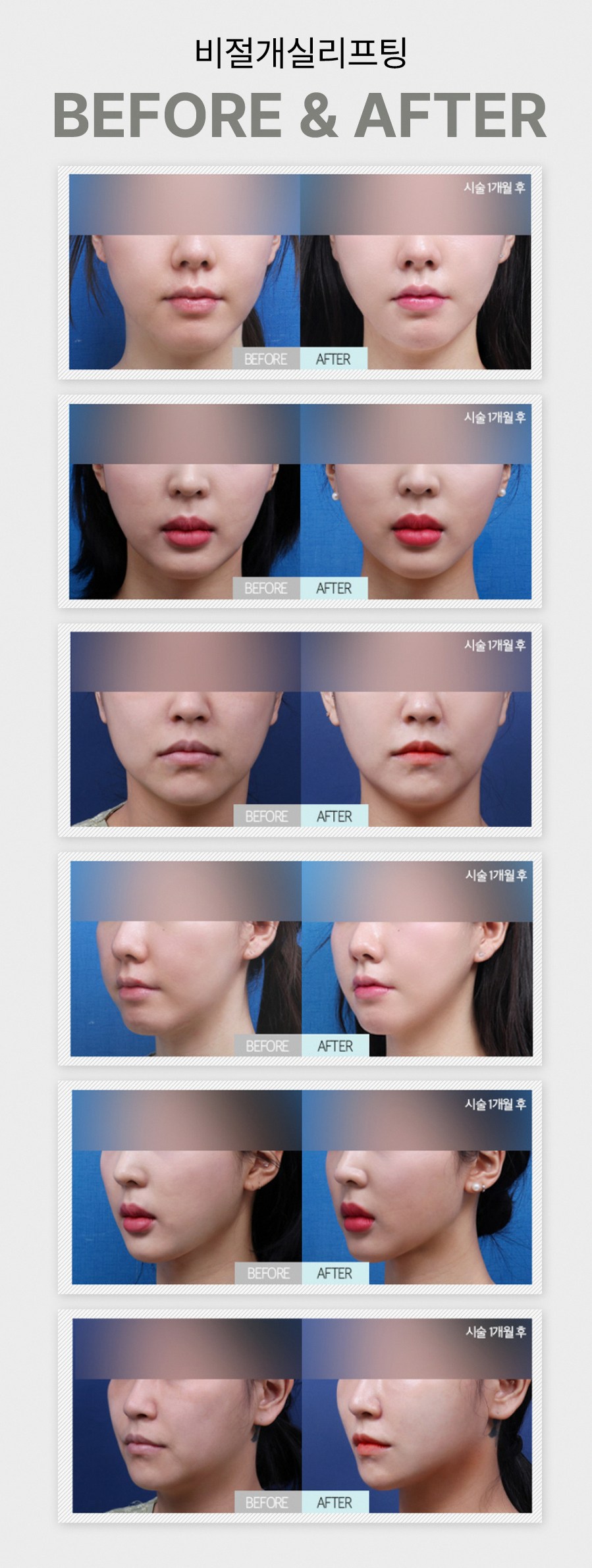
Request to see before‑and‑after photos of patients with a similar age range and facial condition. This helps you understand the level of change that is realistic, rather than expecting an extreme transformation.
Also check the clinic’s follow‑up system: how they handle questions after you leave, what to do if you experience side effects, and whether they can communicate comfortably in your language or in English.
Frequently asked questions about thread lifting near Gangnam Station
How much lift can I realistically expect from thread lifting
Most patients in their 30s and 40s with mild to moderate sagging can expect a subtle to moderate improvement. This often means a cleaner jawline, softer nasolabial folds, and a slightly lifted cheek area. It is not the same as a surgical facelift, so you should expect a fresher version of yourself rather than a completely different face.
How long should I stay in Seoul after thread lifting
For overseas patients, plan to stay several days after the procedure to allow for early follow‑up and for swelling to begin settling; confirm the clinic's recommended timeline before you travel. Some people choose to stay longer for comfort.
Is thread lifting very painful
Most patients report discomfort rather than severe pain. Local anesthesia numbs the treatment area, and some clinics offer light sedation managed by an anesthesiology specialist. After the procedure, you may feel tightness, tenderness, or pulling for several days to a couple of weeks, which usually improves with time and simple pain relief if needed.
Can thread lifting be combined with other treatments during my Korea trip
Yes, many patients combine thread lifting with other anti‑aging treatments such as fillers, botulinum toxin injections, or energy‑based skin tightening. The exact combination and order depend on your facial condition and schedule. It is important to discuss this in advance so the clinic can design a safe and efficient treatment plan for the time you have in Seoul.
Soft call to action
If you are starting to notice sagging around your cheeks or jawline and are curious about what non‑incisional thread lifting near Gangnam Station can realistically do for you, an online consultation is a practical first step. By sharing photos and your concerns in advance, you can receive a personalized assessment, a suggested treatment plan, and a realistic idea of recovery and travel timing before you decide to visit Korea. This helps you use your time in Seoul efficiently and approach thread lifting with clear expectations and greater peace of mind.



- 공유 링크 만들기
- X
- 이메일
- 기타 앱


댓글
댓글 쓰기