Seocho-gu Safety Checklist for Forehead Fillers
- 공유 링크 만들기
- X
- 이메일
- 기타 앱
Forehead filler in Seocho-gu: how to choose a safe, natural-looking clinic
Direct answer summary
If you are searching for forehead filler in Seocho-gu, you will find many clinics along the Gangnam-daero area offering hyaluronic acid fillers. A structured approach, clear explanations in your language, and reliable follow-up care are especially important for overseas patients.
Forehead filler overview
Forehead filler is a non-surgical procedure that uses hyaluronic acid gel to add volume to a flat, bony, or slightly sunken forehead. By filling in hollow or uneven areas, the forehead curve can look smoother and softer, which often improves the side profile and facial balance.
The goal is usually not to create a very large forehead, but to gently round sharp angles, reduce visible bony ridges, and harmonize the forehead with the nose bridge, eyebrows, and upper eyelids. For many people, this can create a calmer, more youthful impression without surgery.
Hyaluronic acid is a substance that naturally exists in the skin, and the filler form is designed to hold shape for several months. Over time, the body gradually breaks it down. Depending on the product used, injection depth, and your own metabolism, forehead filler can last from several months to over a year before a touch-up is considered.
Who may consider forehead filler
People in Seocho-gu and the Gangnam-daero area commonly consider forehead filler when they feel their forehead looks too flat, bony, or uneven in photos or in profile.
Typical reasons to consider forehead filler include:
A flat or slightly sunken forehead that makes the face look sharp or tired from the side
Visible bony ridges or irregularities that catch light in an unflattering way
Desire for a smoother, more rounded forehead without undergoing fat grafting or more invasive surgery
Previous fat grafting that did not fully correct volume loss, where subtle additional refinement with filler is desired
Forehead filler can also be an option for people who are unsure about long-lasting changes. Because hyaluronic acid filler is temporary and can be adjusted or dissolved, some patients use it as a way to “test” a new forehead contour before deciding on longer-lasting options.
Key safety points for forehead filler
The forehead is a sensitive area with important blood vessels that connect to the eye region. For this reason, forehead filler requires more caution than many people expect.
If filler is injected at the wrong depth, in the wrong plane, or with excessive pressure, it can affect blood flow. Although serious complications are rare when performed carefully, they can be significant if they occur. Overfilling can also create an unnatural bulge or heaviness that looks obvious in certain lighting.
When you compare forehead filler clinics in Seocho-gu, it is helpful to use a simple safety checklist:
Ask which filler products are used and whether they are approved and traceable, with clear documentation of the brand, lot number, and injection volume.
Look for a detailed consultation that includes analysis of your forehead anatomy, skin thickness, existing asymmetry, and how the forehead connects with your nose and brow.
Confirm that the clinic has emergency protocols, including the availability of hyaluronidase (the enzyme that can dissolve hyaluronic acid filler), and that your condition will be monitored during and after the procedure.
Having an in-house anesthesiology and pain medicine specialist is an additional safety advantage, even for minimally invasive procedures. This allows for more precise monitoring, safer sedation when needed, and a structured response if you feel unwell or anxious during treatment.
How to choose a forehead filler clinic in Seocho-gu
In the Gangnam-daero corridor, many clinics advertise fillers, but their level of focus and systems can differ. For overseas patients, it is helpful to choose a clinic where forehead filler is part of a clearly organized facial filler program, not just an occasional add-on.
Check specialization in filler procedures
Clinics that clearly present a segmented filler lineup by facial area often have more nuanced know-how. This means they regularly perform fillers for the forehead, nose, cheeks, chin, under-eye area, nasolabial folds, and lips, and understand how changing one area affects the others.
When a clinic has this kind of structure, the doctor is more likely to think in terms of overall balance: how much volume is appropriate, how to avoid a heavy or artificial look, and how to maintain a natural transition from the forehead to the eyebrows and nose bridge.

Look at consultation style and design planning
A careful consultation is especially important for forehead filler. During your pre-procedure meeting, it is helpful if the doctor:
Assesses your forehead curvature from multiple angles, including side profile and three-quarter view
Checks eyebrow position, hairline shape, and any asymmetry between the left and right sides
Explains how much volume is likely to be needed and where it will be placed
Uses simple sketches, digital images, or mirror-based explanation so you can visualize the expected change
This design process helps align expectations and reduces the chance of feeling that the result is too subtle or too strong.
Confirm follow-up and touch-up policies
Before booking, ask how the clinic handles follow-up care:
When is the first check-up after the procedure
What happens if there is noticeable asymmetry after swelling goes down
Whether small touch-ups are possible and how they are scheduled
How the clinic manages situations where filler needs to be partially dissolved
Clear policies give reassurance, especially if you are visiting from overseas and have limited time in Korea.
Forehead filler at KODI PLASTIC SURGERY in Seocho-gu
This makes it convenient for people who commute through the Gangnam–Seocho axis, as well as for international visitors staying in nearby hotel areas.
The clinic focuses on two main pillars: eye surgery and filler-based facial contouring. Within this structure, it operates dedicated centers for eye surgery, revision eye surgery, and nose and face filler. This kind of organization reflects a focus on detailed facial work rather than very broad, unrelated services.
In terms of fillers, the clinic offers a segmented lineup by area, including the nose, forehead, several cheek zones, chin, under-eye area, nasolabial folds, and lips. For forehead filler, this allows the doctor to plan volume in harmony with neighboring regions such as the brow and nose bridge, rather than treating the forehead as an isolated area.
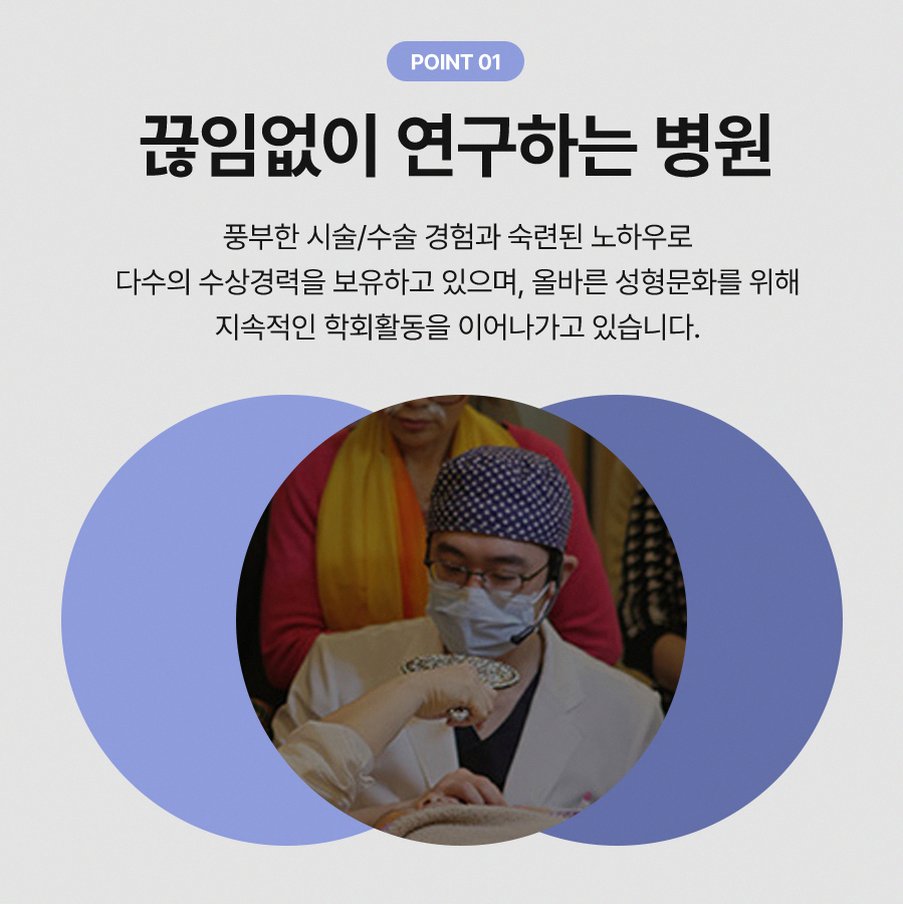
The medical staff includes three board-certified plastic surgeons and one board-certified anesthesiology and pain medicine specialist. Having a full-time anesthesiology specialist supports safer procedures through continuous monitoring, tailored pain control, and readiness to respond if you feel unwell or anxious.

For international and expatriate patients in Seocho-gu, the clinic provides foreign-language web pages in English, Chinese, and Japanese. This can make it easier to understand procedure explanations, consent forms, and aftercare instructions.
What to expect during a forehead filler procedure
If you are planning to travel to Korea for forehead filler, it can be helpful to understand the typical steps from consultation to aftercare.
Consultation and planning
Your visit usually starts with a medical history review. The doctor or staff will ask about:
Any allergies, especially to previous fillers or anesthetic creams
Past cosmetic procedures on the face, including fillers, fat grafting, or surgery
Current medications, such as blood thinners or supplements that may affect bruising
Next, the doctor examines your forehead shape, skin condition, and symmetry. You can discuss your goals, such as whether you want only a subtle smoothing of bony lines or a more noticeable rounding of the forehead.
It is useful to bring reference photos that show the type of forehead contour you like, but remember that each person’s bone structure and skin thickness are different. The doctor will explain what is realistic for your face and suggest an approximate filler volume.
Procedure steps
On the day of the procedure, the typical steps are:
Cleansing of the forehead and surrounding area to reduce infection risk
Marking of key injection points or lines based on your design plan
Application of topical anesthetic cream or local anesthesia to reduce discomfort
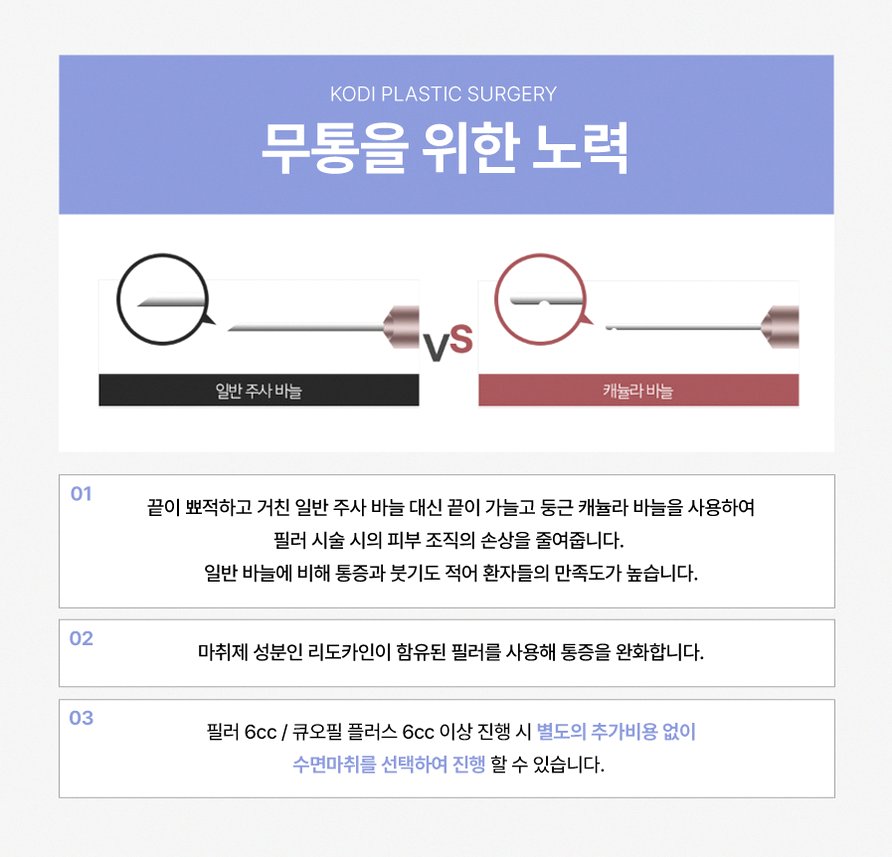
Gradual injection of hyaluronic acid filler, often using a fine needle or cannula, while the doctor checks the contour from multiple angles
You may be asked to sit up during or near the end of the procedure so the doctor can evaluate the shape in a natural position. Small adjustments can be made at this stage to refine the curve.
The procedure time for forehead filler is usually short, but you should allow extra time for consultation, numbing, and observation after the injections.
Aftercare and downtime
After forehead filler, it is common to experience mild swelling, redness, or tenderness for a few days. Some people may have small bruises at injection points, which usually fade over time.
Typical aftercare advice includes:
Avoid pressing or massaging the forehead unless your doctor specifically instructs you to do so
Try not to sleep face-down or with heavy pressure on the forehead for a certain period
Avoid intense exercise, saunas, hot baths, and alcohol for a short time, as these can increase swelling or bruising
Monitor for unusual pain, color changes, or visual symptoms, and contact the clinic immediately if anything feels concerning
Most people can return to work or daily activities soon after the procedure, especially if their job does not involve heavy physical activity. However, it is wise to schedule the procedure at least a few days before important events or photo sessions.
Forehead filler vs. fat grafting
When planning forehead volume correction, you may hear about both filler and fat grafting. Each option has its own characteristics.
Forehead filler uses hyaluronic acid gel and is non-surgical. It is relatively quick, involves minimal downtime, and can be adjusted or dissolved if needed. This makes it a common choice for first-time patients, those who want to test a new contour, or people who prefer not to undergo surgery.
Fat grafting involves harvesting your own fat from another area of the body, processing it, and injecting it into the forehead. It is more invasive and requires a longer recovery period, but can provide longer-lasting volume in some cases.
The best choice depends on your anatomy, desired longevity, tolerance for downtime, and whether you have enough donor fat. A plastic surgeon can examine you and explain which option is more suitable, or whether a combination approach is reasonable.
Online consultation and pre-visit preparation for overseas patients
If you live outside Korea or are an expatriate planning treatment in Seocho-gu, an online consultation is a practical first step.
Before your online consultation, prepare the following:
Clear photos of your face from the front, both sides, and three-quarter angles, taken in natural light without heavy makeup or filters
A short summary of your concerns about your forehead shape and what you hope to change
A list of past procedures, especially any fillers, fat grafting, or surgeries in the forehead, brow, or upper face
A list of medications and supplements you are currently taking
During the online consultation, you can ask about recommended filler volume, expected duration of results, possible side effects, and how many in-person visits are needed. This helps you plan your travel schedule and understand whether forehead filler is appropriate for you.

Expected Korea visit timeline for forehead filler
For many overseas patients, forehead filler can be coordinated within a short stay in Seoul.
A common timeline might look like this:
Day 1: In-person consultation and facial analysis. If you are deemed clinically suitable and clinic scheduling permits, the forehead filler procedure may be performed on the same day — confirm availability and suitability with the clinic in advance.
Day 2–3: Rest and light sightseeing. Mild swelling or bruising may be visible but usually manageable with simple makeup, if approved by your doctor.
Day 3–5: Optional follow-up visit to check the result, review symmetry, and discuss any minor concerns before you leave Korea.
If your schedule is tight, discuss with the clinic in advance whether the consultation and procedure can be done on the same day and when they recommend a follow-up. It is safer to allow at least one or two days after the procedure before flying long distances, so you can return for a check-up if needed.
Practical information about visiting a Seocho-gu clinic
Clinics in Seocho-gu, including KODI PLASTIC SURGERY, typically follow a schedule such as:
Weekdays: Morning to early evening, with one weekday (often Thursday) offering extended evening hours for after-work visits
Saturday: Daytime hours available for people who cannot visit on weekdays
Sunday and public holidays: Usually closed
Because schedules can change, it is important to confirm the latest opening hours on the clinic’s official website or by direct contact. For overseas visitors, booking in advance is strongly recommended, especially for after-work weekday evenings and Saturdays, which are often the busiest times.
FAQ about forehead filler in Seocho-gu
How long does forehead filler last, and when should I plan a touch-up?
Forehead filler with hyaluronic acid typically lasts from several months to over a year. The exact duration depends on the product used, injection depth, your metabolism, and how expressive you are with your forehead. Many patients consider a touch-up around 9–18 months after the first procedure, but this can vary. Your doctor can suggest a more specific timeline based on your initial result and follow-up visits.
Is forehead filler very painful, and what kind of anesthesia is used?
Most people describe forehead filler as mildly to moderately uncomfortable rather than very painful. Clinics usually apply topical anesthetic cream and may also use local anesthesia injections to numb the area. Some filler products also contain lidocaine, a numbing agent, which reduces discomfort during injection. If you are very sensitive to pain or anxious, you can discuss additional options for comfort with the clinic in advance.
Can forehead filler be reversed if I do not like the result?
Hyaluronic acid fillers can generally be dissolved using an enzyme called hyaluronidase. If the result feels too full, uneven, or not what you expected, your doctor can inject this enzyme to reduce or remove the filler. However, dissolving should also be done carefully, and sometimes it is better to wait until swelling has fully settled before deciding. This is why clear communication and a conservative, natural-first approach at the initial procedure are important.
How soon can I go back to work after forehead filler?
Many people return to office work or light daily activities on the same day or the next day after forehead filler. There may be mild swelling, redness, or small bruises, which can often be covered with makeup after a certain period, if your doctor agrees. If your work involves heavy physical activity, heat exposure, or wearing tight headgear, you may need to adjust your schedule for a few days based on your doctor’s advice.
What should I avoid before and after the procedure?
Before forehead filler, clinics often recommend avoiding blood-thinning medications or supplements, such as certain painkillers, vitamin E, or high-dose fish oil, if your prescribing doctor agrees, to reduce bruising risk. After the procedure, you are usually advised to avoid strong pressure on the forehead, intense exercise, saunas, and alcohol for a short time. Always follow the specific instructions given by your doctor, as they may adjust guidance based on your health and the exact technique used.
Soft call to action for online consultation
If you are considering forehead filler in Seocho-gu and would like a structured, safety-focused approach, you can explore an online consultation with KODI PLASTIC SURGERY before your trip. By sharing photos and your goals in advance, you can receive preliminary guidance on suitability, expected steps, and a realistic treatment plan that fits your travel schedule.
This article is for general information only and does not replace a personal consultation with a qualified medical professional. Individual conditions, risks, and results can vary, so please discuss your specific situation directly with your doctor before deciding on any procedure.




- 공유 링크 만들기
- X
- 이메일
- 기타 앱


댓글
댓글 쓰기