Sinnonhyeon nose filler reviews and what overseas patients really experience
- 공유 링크 만들기
- X
- 이메일
- 기타 앱

Direct answer summary
If you are searching for Sinnonhyeon nose filler reviews, At the same time, reviews often mention that results are temporary, shape and touch feel different from bone, and that choosing a clinic with precise technique and good follow-up matters more than anything else.
Below is a practical guide based on what people commonly share in reviews, and what you can expect if you visit a filler-focused clinic near Sinnonhyeon Station on Gangnam-daero.
What nose filler is and who it suits
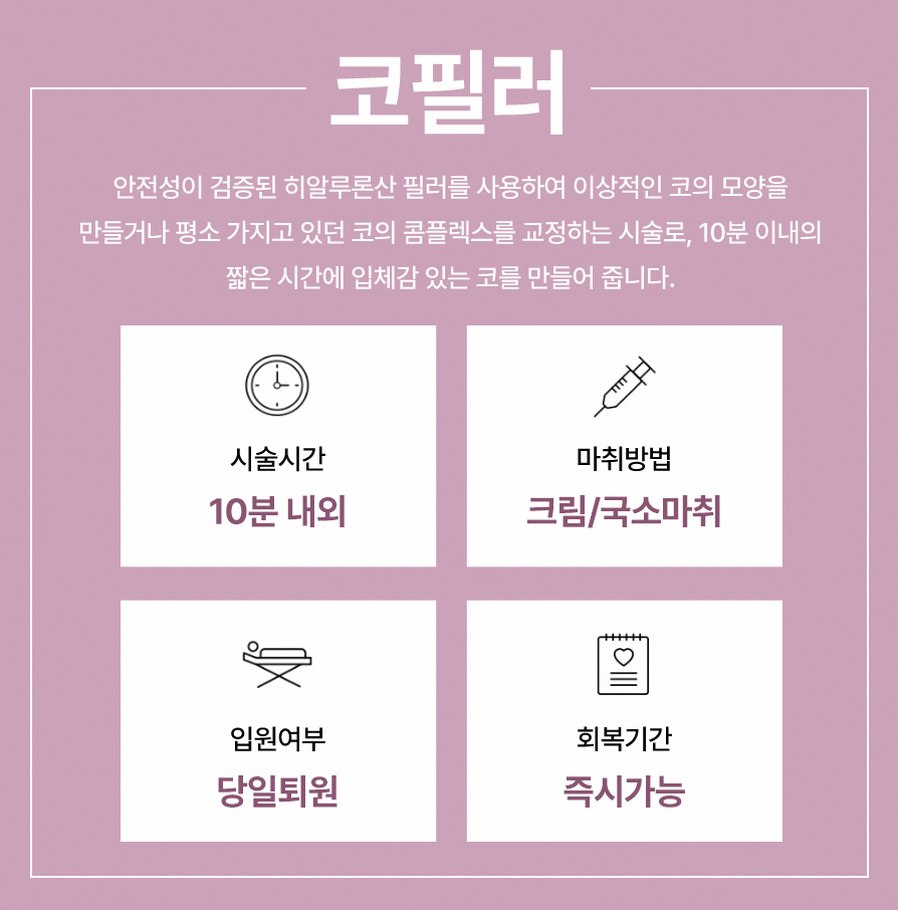
Nose filler, often called liquid rhinoplasty, is a non-surgical procedure that uses hyaluronic acid filler to reshape the nose. Instead of changing bone or cartilage, the doctor injects filler into specific layers to raise a low bridge, soften a mild hump, or create a smoother side profile.
Because no bone is cut and no cartilage is removed, the procedure is usually much faster than surgical rhinoplasty and is typically performed without general anesthesia, though exceptions may apply for combined or higher-risk procedures.
Nose filler may be suitable if you have a naturally low bridge and want it slightly higher, a small hump that can be visually camouflaged by adding volume around it, mild irregularities that show on side photos, or a desire to try a reversible, temporary change before considering surgery.
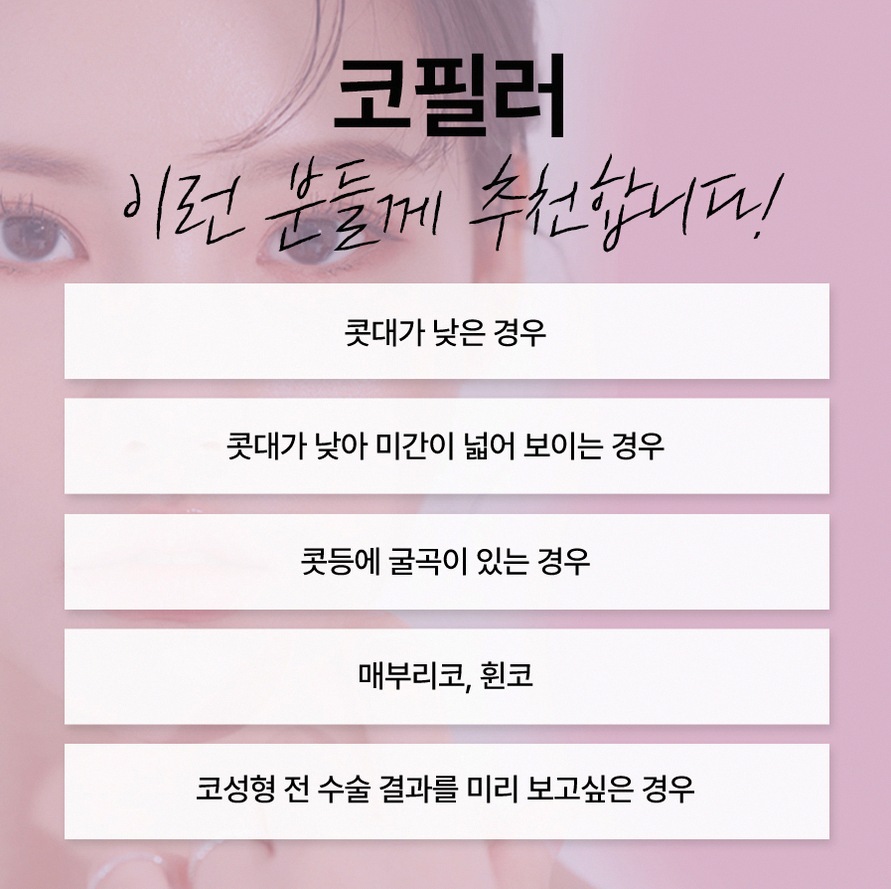
However, nose filler has clear limits. It cannot remove a large hump, straighten a severely crooked nose, or solve major breathing problems. In those cases, surgical rhinoplasty is usually more appropriate. Also, because filler adds volume, it is not ideal for noses that already look large in size or width.
What people usually mention in Sinnonhyeon nose filler reviews
When you read Sinnonhyeon nose filler reviews, you will notice several recurring themes. Understanding these points can help you read other people’s experiences more clearly and decide what matters most to you.
Common positive points
Many reviews mention convenience and speed. People often describe going for a consultation and having the procedure on the same day, with the actual injection time being relatively short. This is attractive for office workers and travelers who have limited time in Seoul.
Immediate visual change is another frequent comment. Patients often say they could see a higher or straighter bridge as soon as they looked in the mirror after the injections. This instant feedback is one of the reasons nose filler is popular around busy areas like Sinnonhyeon.
Common concerns and negative points
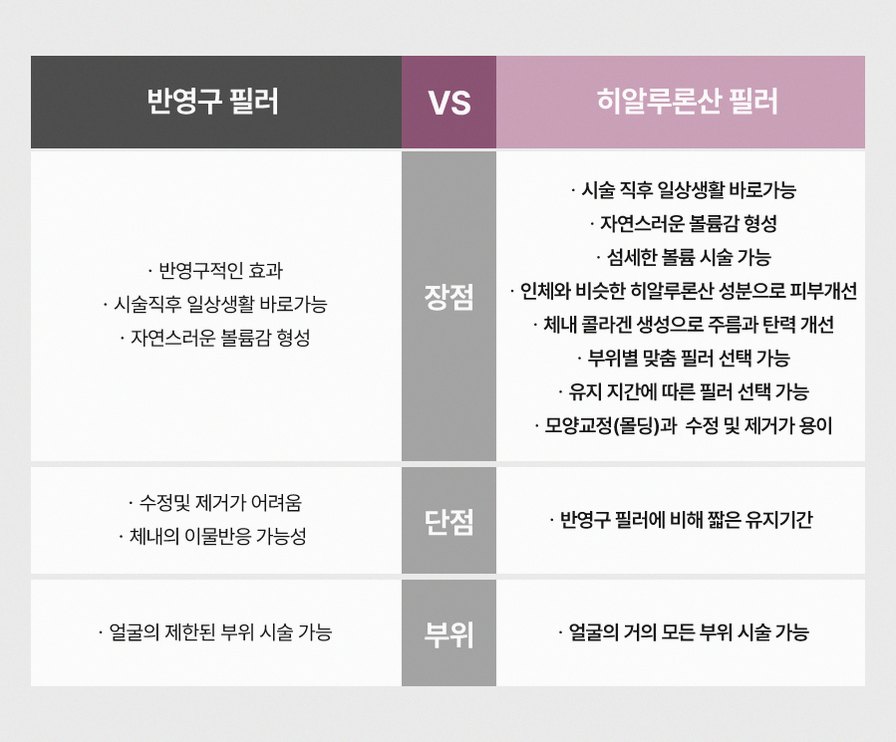
Duration is a realistic concern. Reviews often mention that the effect lasts several months to over a year, depending on the filler type, amount, and individual metabolism. Some people feel disappointed if they expected permanent results, so it is important to remember that hyaluronic acid fillers are temporary.
Touch and shape are also mentioned. Some people feel the filler when they touch the bridge, especially in the early weeks. Others worry about overfilling or an artificial look if too much volume is added. This is where the injector’s sense of proportion and restraint becomes critical.
A few reviews talk about minor asymmetry or fear of filler moving from where it was placed. While true migration is not common with proper technique, unevenness can happen if the injection depth or layer is not well controlled, or if the nose is pressed too much during the early healing period.
How to read Sinnonhyeon nose filler reviews critically
When you look at online reviews, it helps to go beyond simple star ratings.
Check before-and-after photos that show the face from the same angle, with similar lighting and facial expression. This makes it easier to judge whether the change is natural and in line with your own taste.
Look for comments about the consultation itself. Good reviews often mention that the doctor explained the difference between filler and surgical rhinoplasty, discussed risks and limits, and did not push for more volume than the patient wanted.
Pay attention to follow-up care. Helpful reviews describe whether the clinic checked the nose after a few days or weeks, how they responded if the patient wanted a small touch-up, and whether they explained what to do if any unusual symptoms appeared.
Why a filler-focused clinic matters for nose filler
Nose filler may look simple from the outside, but it is a high-precision procedure. The nose has important blood vessels that connect to the eye area, so safe injection technique and detailed anatomical knowledge are essential.
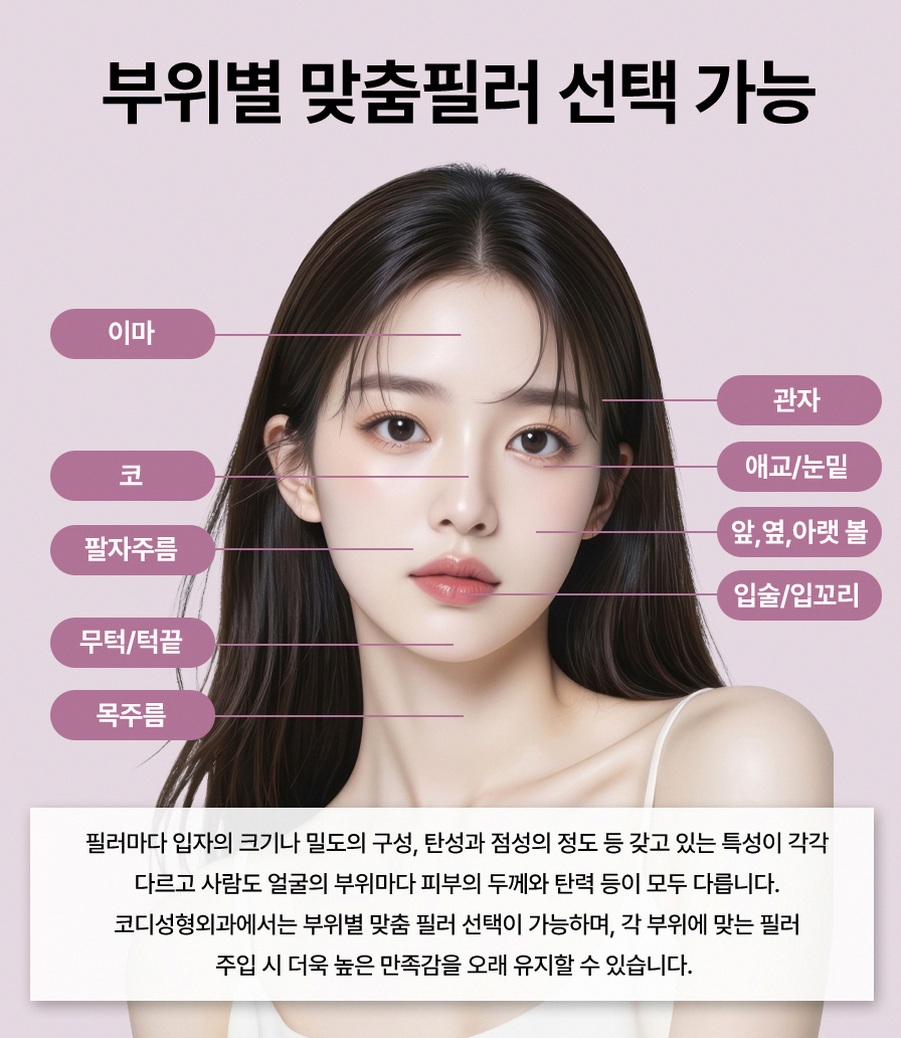
A clinic with a dedicated nose and facial filler center usually has a structured system for different facial areas, such as nose, forehead, cheeks, chin, under-eye, nasolabial folds, and lips. This kind of segmented filler menu suggests that the team is used to working at different depths and planes, and understands how filler behaves in each region.
In the Sinnonhyeon area on Gangnam-daero, there are clinics whose main focus is eye surgery and filler procedures. Working daily around the eyes and mid-face means the medical team is accustomed to delicate areas where even one millimeter can change the overall impression. This experience can be valuable when designing a nose line that fits your eyes, forehead, and chin rather than just raising the bridge.
Another point some international patients appreciate is the presence of a board-certified anesthesiology and pain medicine specialist in the clinic. Even though nose filler is minimally invasive, having an anesthesiologist on site can be reassuring for those who are very sensitive to pain, nervous about injections, or considering combined procedures that may require sedation or closer monitoring.
Some clinics near Sinnonhyeon Station also provide information pages in English, Chinese, and Japanese. While this does not guarantee quality, it does show experience in communicating with a diverse patient base.
Step-by-step: a typical Sinnonhyeon nose filler experience
Pre-visit and online consultation
For overseas patients, the process usually starts online. You can contact the clinic by email, website form, or messaging app. At this stage, you may be asked to send clear photos of your face from the front, 45-degree angle, and side, without heavy makeup or filters.
It is helpful to prepare information about any previous nose procedures, such as past fillers, thread lifts, or rhinoplasty, as well as other facial treatments you have had. If you know the brand or type of filler used before, mention it. Also list any medical conditions, allergies, and medications.

You can also prepare a simple wish list: for example, “slightly higher bridge,” “smoother side line,” or “I do not want my nose to look bigger from the front.” Reference photos can help, but it is better to choose realistic examples rather than heavily edited images.
In-clinic consultation
When you arrive at the clinic near Sinnonhyeon Station, you will usually fill out a medical questionnaire. Then you will meet the doctor for a face-to-face consultation.
The doctor typically analyzes your face from the front and side, checking the relationship between your nose, eyes, forehead, and chin. They may take standardized photos for planning and for your own record.
During this discussion, you can explain what you like or dislike about your current nose. The doctor should clarify what can be improved with filler and what cannot. For example, they may explain that filler can create a straighter visual line but cannot reduce the width of the nostrils.
You should also hear about the type of filler recommended, estimated volume, expected duration, and the cost range. A careful doctor will also explain possible side effects, such as bruising, swelling, redness, and rare but serious vascular complications. They should mention that hyaluronidase can be used to dissolve hyaluronic acid filler if there is a problem or if you strongly dislike the result.
Procedure process
If you decide to proceed, the treatment usually follows these steps.
The nose and surrounding skin are cleansed thoroughly. The doctor may mark injection points along the bridge and tip according to the agreed plan.
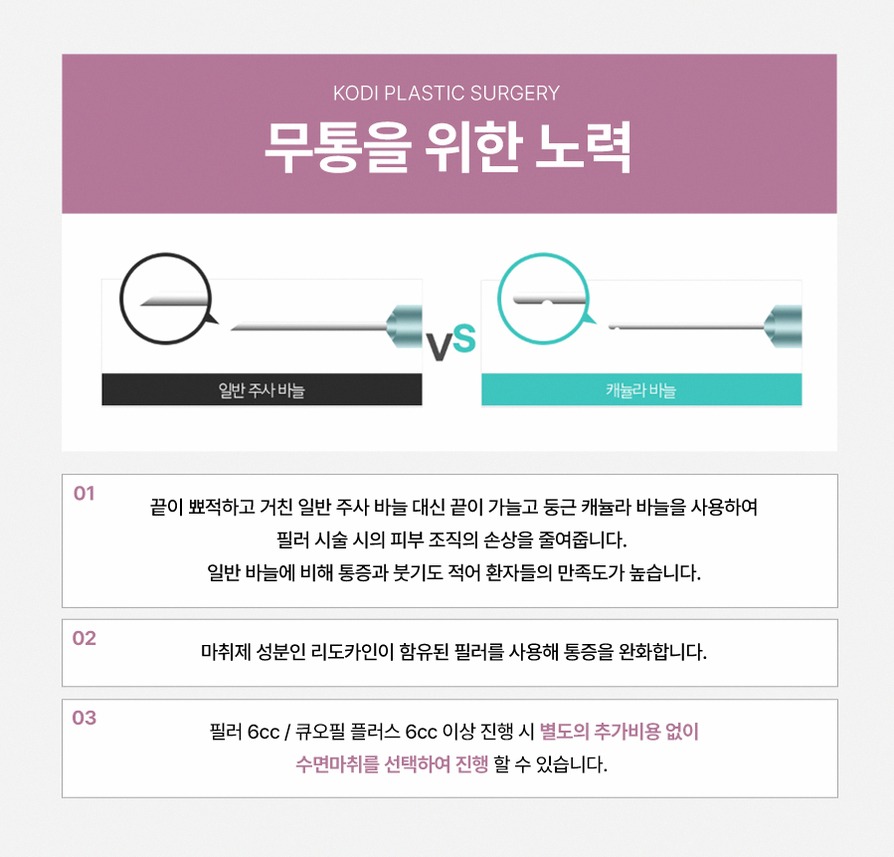
Topical anesthetic cream is often applied and left for a short time. In some cases, local anesthetic injections may be used in specific points. Many patients describe the pain as tolerable but slightly sharp in certain moments; sensitivity varies by person.
The doctor then injects the filler using a fine needle or a blunt-tipped cannula, depending on the area and technique. They usually inject slowly, shaping and molding the filler with gentle pressure while checking symmetry from both the front and side.
You will often be asked to sit up so the doctor can see the nose in a natural position. At the end, you can look in the mirror and discuss whether small adjustments are needed. It is important not to chase perfection but to aim for a balanced, natural result that suits your face.
Aftercare and follow-up
After the procedure, you will receive instructions such as avoiding strong pressure on the nose, not wearing heavy glasses that press on the bridge for a certain period, and avoiding saunas, hot baths, and intense exercise for a few days.
Mild swelling, redness, or tenderness are common in the first days. Small bruises may appear at injection sites. These usually improve within several days, and many people can cover them with makeup after 24 hours if the skin is intact.
You should also be informed about warning signs that require urgent contact, such as sudden severe pain, pale or dark discoloration of the skin, or any visual disturbance. These can indicate vascular problems and need immediate attention.
Some clinics schedule a follow-up visit within one to two weeks to check the shape, take after photos, and discuss whether you are satisfied. If a minor touch-up is needed, it may be done at this time, depending on the clinic’s policy.
Safety and risk management
Although nose filler is minimally invasive, it is not risk-free. The nose has blood vessels that are connected to the eye and surrounding areas, so improper injection can, in rare cases, lead to serious complications.
For this reason, many patients in their reviews emphasize how safe they felt during the procedure and how carefully the doctor worked. It is reasonable to ask who will perform the injections, what their qualifications are, and how often they perform nose filler specifically.
Experienced plastic surgeons familiar with nose and facial fillers usually pay close attention to injection planes, depth, and technique. They may inject slowly, use small amounts at a time, and stay aware of known danger zones. Having emergency medications such as hyaluronidase available, and monitoring by an anesthesiologist for higher-risk patients, are additional safety layers.
When reading reviews, look for comments about how thoroughly risks were explained, whether the staff checked on the patient during and after the procedure, and how quickly the clinic responded if the patient had concerns later.
How to choose a Sinnonhyeon clinic for nose filler based on reviews
When comparing clinics around Sinnonhyeon, it helps to use a simple checklist rather than focusing only on photos or price.
First, check whether the clinic shows many nose-specific filler cases, not just general filler examples. A dedicated nose and facial filler center on Gangnam-daero, for instance, usually has a clear portfolio of nose work from different angles.
Second, look at the quality of before-and-after photos. Are they clear, with consistent lighting and angles, and without extreme editing or filters? Natural-looking results in multiple cases are more meaningful than a few dramatic examples.
Third, read whether reviewers mention detailed consultation and customized design. Phrases like “the doctor listened to my concerns,” “they explained what filler can and cannot do,” or “they suggested a conservative amount for my first time” are good signs.
Fourth, pay attention to follow-up care and attitude. Reviews that describe helpful responses to touch-up requests or careful monitoring after the procedure suggest that the clinic values long-term relationships, not just one-time treatments.
Finally, check whether the clinic is transparent about the type of filler used and expected longevity. Some clinics near Sinnonhyeon Station also mention having multiple plastic surgeons and an in-house anesthesiologist, which can reassure patients who are anxious about procedures or planning combined treatments.
Expected Korea visit timeline for overseas patients
If you are visiting from overseas, it is useful to plan your stay with some buffer time.
Many international patients schedule an online consultation one to three weeks before arriving in Seoul. This allows the clinic to review your photos, discuss suitability, and suggest a rough plan.
Once in Korea, you can usually have an in-person consultation and the nose filler procedure on the same day or the next day, depending on the clinic’s schedule. The actual time in the clinic is often between one and two hours, including preparation and rest time.
Most people feel comfortable going out with light makeup within a day or two. If you are worried about bruising or swelling in photos, you may want to stay in Seoul for at least three to five days after the procedure before any important events or flights.
If possible, schedule a short follow-up visit a few days to two weeks later, especially if you are staying longer. If your schedule is tight, ask the clinic in advance how they handle follow-up for overseas patients and what to do if you have concerns after returning home.
Who may consider nose filler near Sinnonhyeon
Nose filler in the Sinnonhyeon area may be a good option if you are looking for a modest but noticeable improvement in your nose profile, want a quick procedure with minimal downtime, prefer a reversible treatment before deciding on surgery, or are comfortable with the idea of maintenance every year or so.
On the other hand, if you want a major structural change, need functional correction for breathing problems, or dislike the idea of repeating procedures, a consultation about surgical rhinoplasty might be more appropriate.
Aftercare tips for international patients
For overseas visitors, aftercare planning is especially important because you may not be able to return to the clinic easily.
Before you leave Korea, make sure you understand the aftercare instructions clearly. Ask for them in English or your preferred language if available. Confirm how to contact the clinic if you notice anything unusual after you go home.
Take clear photos of your nose at different angles before the procedure, immediately after, and during the first weeks. These can help both you and the clinic monitor changes.
Avoid strong pressure on the nose during flights, such as tight eye masks or heavy glasses. Try to sleep on your back for the first few days and avoid rubbing the nose when washing your face.
Frequently asked questions about Sinnonhyeon nose filler
How long does nose filler usually last, and how often do people redo it?
Hyaluronic acid nose filler typically lasts from several months to over a year. In many Sinnonhyeon reviews, people mention coming back roughly once a year for maintenance, though some return earlier and others later. Longevity depends on the filler brand, amount, injection depth, and your own metabolism. Your doctor can give a more specific estimate after examining your nose and skin.
Can nose filler fix a crooked nose or a large hump?
Nose filler can visually improve mild crookedness or a small hump by adding volume around the irregular area and creating a smoother line. However, it cannot remove bone or cartilage, so it has limits. For a very crooked nose, a large hump, or significant asymmetry, surgical rhinoplasty is usually more effective. A careful consultation will help determine whether filler alone is reasonable or whether surgery should be considered.
What is the usual downtime after nose filler, and when can I go back to work or social events?
Most people experience mild swelling, redness, or small bruises for a few days. Many patients in the Sinnonhyeon area report returning to work the next day or within two to three days, often with light makeup. If you have an important event or photoshoot, it is safer to allow at least several days after the procedure so that any visible marks can settle.
What should I do if I do not like the result of my nose filler?
If you are not satisfied, the first step is to return to the clinic and explain specifically what bothers you. Sometimes a small touch-up can improve symmetry or shape. If the problem is more fundamental, hyaluronic acid filler can usually be dissolved with hyaluronidase. Your doctor will assess the situation and discuss the safest approach. This is another reason to choose a clinic that clearly explains follow-up options in advance.
Is nose filler painful, and what kind of anesthesia or pain control is used?
Most patients describe nose filler as mildly to moderately uncomfortable rather than extremely painful. Clinics near Sinnonhyeon typically use topical anesthetic cream, and sometimes local anesthetic injections in key points. Some fillers also contain lidocaine, which reduces pain as the product is injected. In clinics with an in-house anesthesiologist, additional pain control or monitoring can be arranged for particularly anxious patients or combined procedures.
Soft call to action
If you are considering nose filler in the Sinnonhyeon area and want more than just brief online reviews, an online consultation can be a good first step. By sharing your photos and concerns in advance, you can receive a more personalized explanation of what is realistically possible, how long it may last for you, and how to plan your visit to Seoul. This preparation helps you use your time in Korea efficiently and make a calmer, better-informed decision about your nose filler treatment.
This article was prepared with information provided by KODI PLASTIC SURGERY.




- 공유 링크 만들기
- X
- 이메일
- 기타 앱


댓글
댓글 쓰기