Sinnonhyeon under eye hollow filler duration and visit guide for overseas patients
- 공유 링크 만들기
- X
- 이메일
- 기타 앱

Direct answer: how long under eye hollow filler lasts
Many clinicians commonly report that under‑eye hollow fillers using hyaluronic acid in the Sinnonhyeon and Gangnam area may last approximately 6 to 12 months in practice, with some patients noticing partial effects that extend longer. Individual results vary depending on the product, technique, and metabolism—confirm expected duration with your treating clinic.
The under eye zone moves less than the lips or smile lines, so filler in this area can sometimes appear to last slightly longer than in high‑movement areas. However, the result does not vanish overnight. Volume and smoothness gradually decrease over time, and many patients choose a conservative touch‑up around 6 to 9 months if they want to maintain a consistent look.
This article explains what under eye hollow and aegyo‑sal style filler is, what affects how long it lasts, what to expect if you travel to Seoul for treatment, and how to plan your visit to a clinic near Sinnonhyeon.
About the clinic near Sinnonhyeon
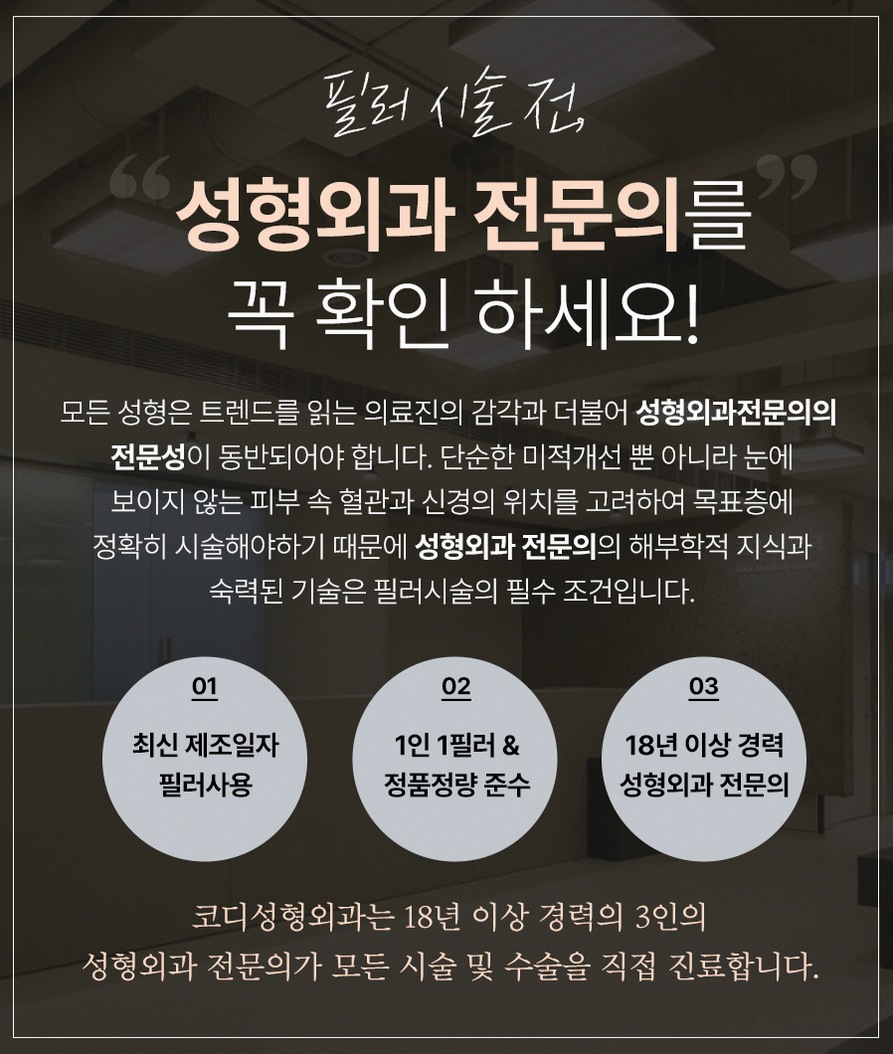
KODI PLASTIC SURGERY is located at 405 Gangnam‑daero, 13th floor, Seocho‑dong, Seocho‑gu (Tongyeong Building), within easy reach of Sinnonhyeon station. The clinic focuses on eye surgery and facial filler procedures and operates a dedicated eye and facial filler center.
There are multiple board‑certified plastic surgeons and a full‑time anesthesiology and pain medicine specialist on staff. This structure is designed to support safer procedures around the eyes, including under eye hollow and aegyo‑sal filler, as well as surgical options when needed.
What under eye hollow and aegyo‑sal filler is
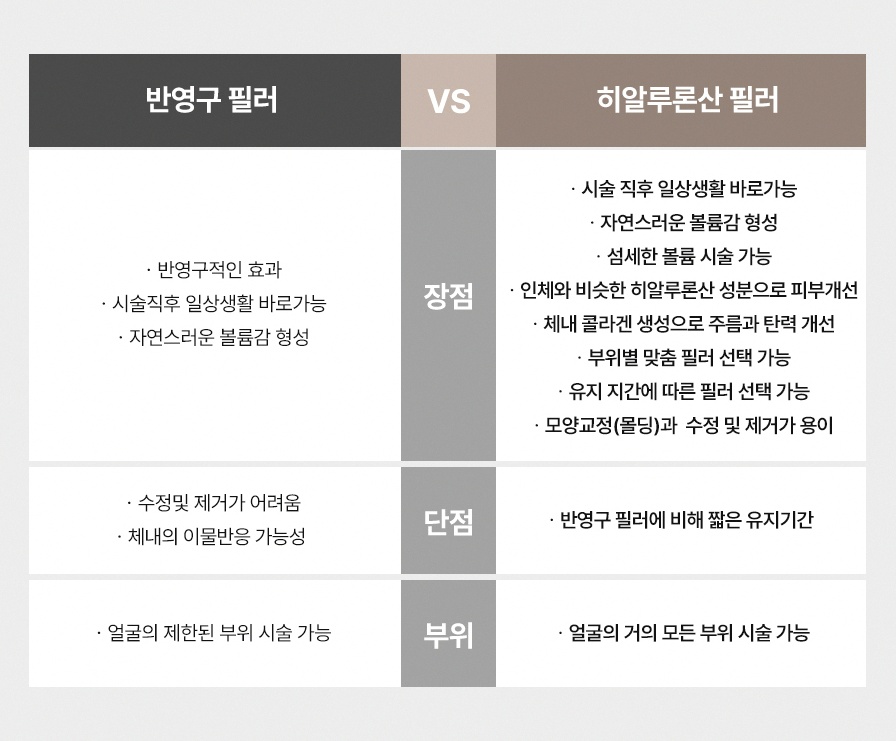
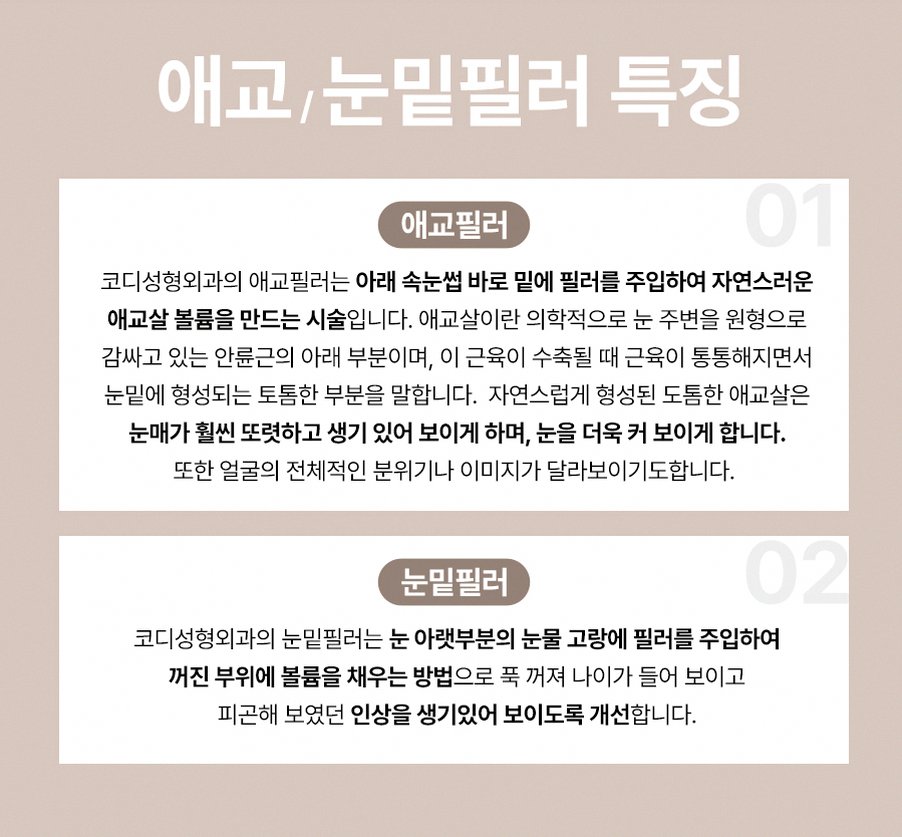
Under eye hollow filler is a non‑surgical injection treatment that restores volume in the hollow area under the eyes, often called the tear trough. It is commonly combined with aegyo‑sal style filler, which gently enhances the small roll of tissue just under the lower lash line to create a brighter and more youthful look.
In most cases, hyaluronic acid fillers are used. Hyaluronic acid is a gel‑like substance already present in the body, and filler formulations are temporary and gradually absorbed over time. Because results are not permanent, adjustments and touch‑ups may be possible; ask the clinic about available options and protocols, including whether reversal agents such as hyaluronidase are offered.
This approach is different from lower eyelid fat repositioning surgery. Surgery moves or redistributes existing fat and can give a longer‑lasting structural change, but it involves incisions, a recovery period, and is not as easily reversible. Filler, by contrast, is non‑surgical, usually has shorter downtime, and can be adjusted or reversed, but its results are temporary.
Typical duration of under eye hollow filler
For hyaluronic acid under eye filler in the Sinnonhyeon area, a realistic expectation is:
Around 6 to 12 months of noticeable improvement for most patients.
Up to about 18 months of partial effect in some cases, especially with certain products and in areas with less movement.
Because the under eye region does not move as much as the mouth, filler here often appears to last longer than in the lips or nasolabial folds. However, the visible duration is not a fixed number. Over time, the filler slowly integrates and is absorbed, so the under eye area may very gradually return toward its original shape.
Many people notice that the most striking change is in the first several months, then the effect becomes softer. This is why some choose a small touch‑up before everything has fully disappeared, rather than waiting until the hollows are completely back.
Factors that affect how long filler lasts
Several factors influence how long under eye hollow and aegyo‑sal filler will last for you.

Type of filler product
Under eye skin is thin and delicate. For this area, softer, lower‑viscosity hyaluronic acid fillers are often chosen to reduce the risk of lumpiness and to create a smooth, natural transition from lower eyelid to cheek.
These softer gels can sometimes be absorbed a bit faster than very dense fillers used in the nose or chin. However, using a product that is too dense under the eyes can increase the risk of puffiness, irregularities, or a bluish tint known as the Tyndall effect. For this reason, the clinic prioritizes appropriate softness and safety over simply chasing maximum longevity.
Injection depth and technique
Correct placement of filler in the right tissue layer is crucial. If it is injected too superficially, it may show through the skin or cause unevenness. If it is placed at an appropriate depth and distributed evenly, the result tends to look smoother and can last in a more predictable way.
Experienced injectors around the eyes often use a stepwise, conservative approach, adding small amounts and checking the effect from multiple angles. This helps avoid overfilling and can support a more stable duration.
Individual metabolism and lifestyle
Each person’s body breaks down hyaluronic acid at a different rate. Younger patients, very active individuals, or those with a naturally fast metabolism may see their filler absorbed more quickly.
Lifestyle factors also matter. Smoking, frequent intense exercise, poor sleep, high stress, and strong UV exposure can accelerate overall skin aging and may indirectly shorten how long the result looks fresh. Good skincare, sun protection, and healthy habits help you get the most from your treatment.
Amount injected
Very conservative volumes can look extremely natural but may appear to fade sooner because there is less reserve volume. However, injecting too much filler under the eyes in an attempt to extend longevity is not recommended. Overfilling can cause puffiness, a heavy look, or the Tyndall effect.
The clinic generally aims for the minimum volume that achieves a balanced, rested appearance, and then uses periodic small touch‑ups if needed.
When to consider touch‑ups
Many patients plan a conservative touch‑up at around 6 to 9 months after their first under eye filler session if they wish to maintain a stable appearance.
During a follow‑up visit, the doctor will assess several points:
How much of the original filler remains and how the under eye contour looks in natural light.
Whether the skin quality, laxity, or eye bags have changed.
Whether it is better to add a small amount of filler, dissolve and re‑inject for a cleaner result, or discuss surgical options if hollows are severe.
Under eye filler is often combined with aegyo‑sal design. The timing of touch‑up may differ slightly between the deeper hollow and the superficial aegyo‑sal line, so the plan is usually customized.
Overview of the under eye and aegyo‑sal filler procedure
Pre‑consultation and assessment
Before any injection, a detailed eye and facial assessment is important. The doctor will usually evaluate:
Whether your tired look is mainly from true volume loss, pigment, skin laxity, or protruding fat pads.
How strong your eye bags are and whether there is significant loose skin.
The relationship between your lower eyelid, cheek volume, and midface.
Under eye filler tends to be most suitable for mild to moderate hollows without very prominent eye bags or severe sagging. If there is strong fat protrusion, lower eyelid surgery or fat repositioning may be more appropriate, either alone or in combination with filler.
Design and plan
Next, the doctor plans the desired line of light reflection from the lower eyelid to the cheek. This includes deciding:
How much to emphasize aegyo‑sal for a youthful, smiling look.
How much to focus on deeper tear trough correction to reduce the tired shadow.
How to balance both eyes so that the result is symmetrical and natural.
The clinic evaluates the under eye region together with cheek volume, eyelid position, and overall facial balance, rather than treating the hollow as an isolated line.
Anesthesia and comfort
For most under eye filler procedures, topical numbing cream and sometimes a small amount of local anesthetic are used. Many modern hyaluronic acid fillers also contain a local anesthetic inside the gel, which further reduces discomfort during injection.
For patients who are very anxious or sensitive, the presence of a full‑time anesthesiology and pain medicine specialist allows the clinic to provide safer sedation or additional pain control options when appropriate.
Injection method
The doctor may use a fine needle, a blunt‑tip cannula, or a combination of both.
A cannula can help reduce the risk of bruising and vascular injury because it is less likely to pierce blood vessels. It is often used for deeper placement in the tear trough area.
A needle may be used for precise small adjustments or for aegyo‑sal design close to the lash line.
The filler is usually injected gradually while the doctor checks the contour in sitting or semi‑sitting position, since gravity and expression can change how the under eye looks.
Immediate aftercare
Right after the procedure, you may notice mild swelling, redness, or small needle marks. Common recommendations include:
Applying a gentle cold compress for short periods to reduce swelling.
Avoiding rubbing or pressing the under eye area.
Sleeping with your head slightly elevated the first night.
Avoiding heavy exercise, sauna, hot baths, and alcohol for a few days.
Most patients can return to light daily activities the same or next day. Makeup is often allowed after a set number of hours, depending on the doctor’s advice.

Safety and risk management
The under eye region is anatomically complex, with important blood vessels and thin skin. For this reason, filler in this area should be performed by experienced, board‑certified plastic surgeons who are familiar with detailed eye anatomy.
Possible side effects include:
Temporary swelling and bruising.
Mild asymmetry or unevenness.
Overcorrection or puffiness.
Tyndall effect, where the skin looks slightly bluish if filler is too superficial.
Lumpiness or irregular texture.
In rare cases, vascular complications.
Using hyaluronic acid fillers provides an important safety advantage: if there is an unwanted result or certain complications, the filler can often be dissolved with hyaluronidase. The clinic performs careful pre‑procedure evaluation and uses a conservative, stepwise injection style to reduce the risk of overfilling and unnatural results.
Who is a good candidate and who is not
Good candidates for under eye hollow and aegyo‑sal filler typically include:
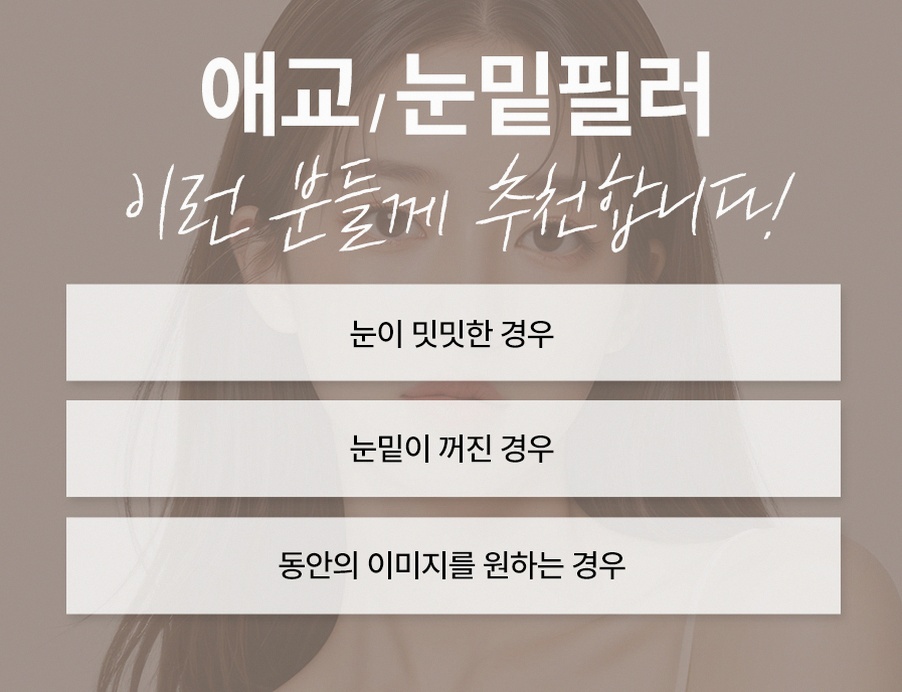
People with mild to moderate hollows under the eyes who look tired even when well‑rested.
Those who want a subtle aegyo‑sal enhancement without surgery.
Patients whose main issue is volume loss or a shadow, not large eye bags.
Less suitable candidates may include:
Patients with very prominent eye bags due to fat protrusion.
Those with severe skin laxity and strong wrinkles.
Individuals whose main concern is deep pigmentation rather than hollowing.
In such cases, lower eyelid surgery, fat repositioning, skin tightening treatments, or pigment‑focused therapies may be more appropriate, either alone or combined with a smaller amount of filler. Because this clinic also offers lower eyelid surgery and fat repositioning, it can recommend filler, surgery, or a combination based on an objective assessment instead of pushing a single option.
How this clinic approaches under eye filler
The clinic is structured around an eye surgery center, an eye revision center, and a facial filler center. This dual focus on eyes and filler allows the doctors to consider both surgical and non‑surgical options for each under eye case.
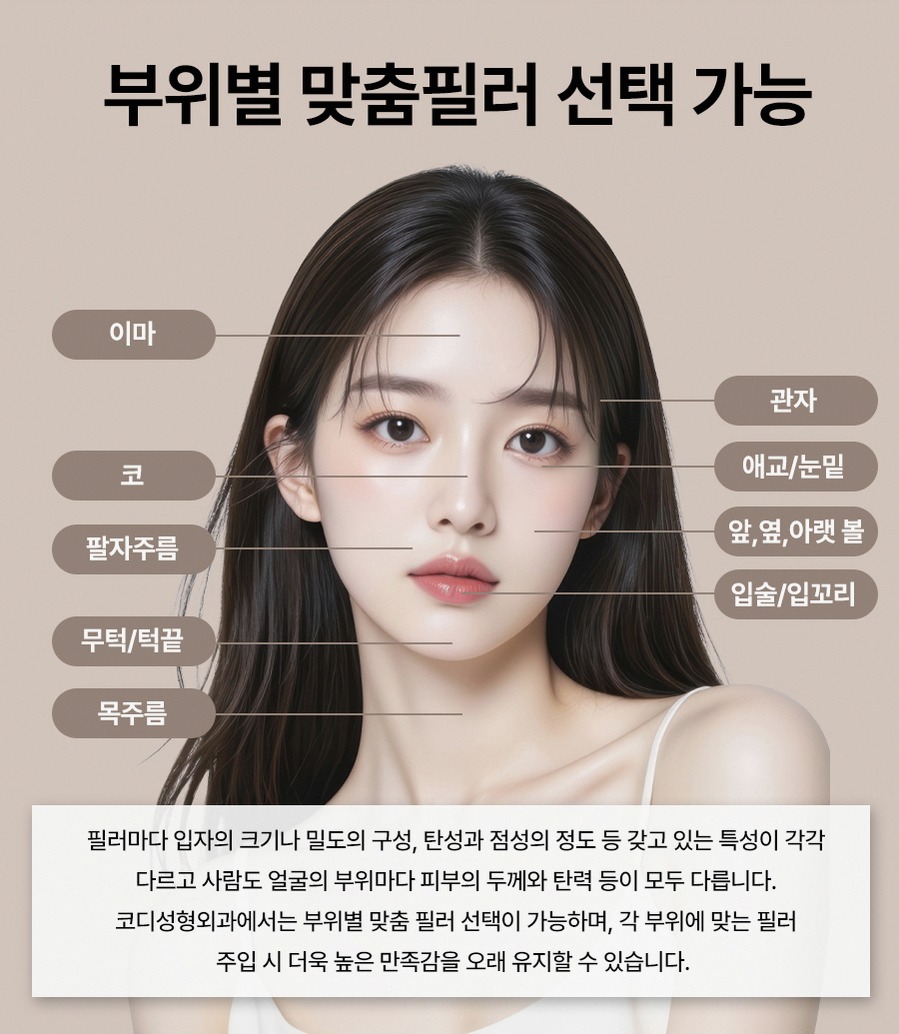
The filler lineup is tailored to different facial areas such as nose, forehead, cheeks, chin, aegyo‑sal, under eye, nasolabial folds, and lips. For the under eye region, products and techniques are chosen specifically for the thin lower eyelid skin and the need for smooth transitions.
With three board‑certified plastic surgeons and a full‑time anesthesiology and pain medicine specialist, the clinic places emphasis on safety, anesthesia management, and systematic consultation rather than one‑time quick injections.
Preparing for an online consultation
If you are an overseas patient considering under eye hollow filler near Sinnonhyeon, an online consultation is a practical first step. To make this consultation more effective, it helps to prepare:
Clear photos of your face from the front, 45‑degree angle, and side, both in neutral expression and smiling.
Information about any previous filler or surgery around your eyes or face.
Details about allergies, medical conditions, and medications.
Your main concerns and what kind of change you hope to see.
You may want to list questions in advance, such as:
Is filler alone suitable for my degree of hollowing and eye bags?
Which filler type is recommended for my case and why?
How long is the expected visible duration for someone with my age and lifestyle?
How many days should I stay in Korea for the procedure and follow‑up?
Expected Korea visit timeline for under eye filler
For international patients, a typical visit schedule for under eye hollow and aegyo‑sal filler might look like this:
Some patients arrange an in‑person consultation soon after arrival; during that visit the doctor will review the online plan, examine the eyes and face, and may take additional photos. If both you and the doctor agree and clinic availability allows, the procedure can sometimes be scheduled during the same visit. Exact scheduling depends on clinic policy and individual assessment—confirm timing before booking travel.
Day 1 or 2: Procedure day. The injection itself usually takes a short time, but you should allow extra time for consultation, numbing, and post‑procedure observation. After the treatment, you rest at the clinic briefly before going back to your accommodation.
Day 2 or 3: Short follow‑up check. Many patients have a brief review visit to check swelling, symmetry, and early healing. Small adjustments, if needed, can sometimes be done at this stage.
Day 3 to 5: Return home. Most overseas patients feel comfortable flying back within a few days, as long as there are no unusual symptoms. Mild swelling or bruising may still be present but usually improves steadily.
Because the clinic has weekday hours, extended Thursday evening hours, and Saturday availability, it can be convenient for visitors who want to fit treatment around work schedules or short trips.
Aftercare and maintaining your result
To help your under eye filler last as long and as smoothly as possible, general recommendations include:
Follow the clinic’s instructions on cold compresses and sleeping position for the first night or two.
Avoid rubbing your eyes or pressing the under eye area.
Limit heavy exercise, sauna, and alcohol for several days.
Use sunscreen and sunglasses to protect the delicate under eye skin from UV damage.
Maintain a regular sleep schedule and hydration to support skin health.
If you notice significant asymmetry, unusual pain, strong redness, or visual changes, you should contact the clinic immediately. For minor concerns such as small lumps or mild unevenness, these often improve as swelling subsides, but they can also be evaluated at a follow‑up visit.
Frequently asked questions
How long does under eye hollow filler usually last in Sinnonhyeon clinics?
In the Sinnonhyeon and Gangnam area, under eye hollow filler with hyaluronic acid typically lasts around 6 to 12 months for most patients. Some people see a softer effect for up to about 18 months, especially if the filler is placed in a deeper, low‑movement plane. These time frames are averages, not guarantees, and individual results vary depending on product choice, technique, and personal metabolism.
Is it normal for one side to fade faster than the other?
Yes, mild differences between the two sides are common. Each side of the face can move differently when you smile or sleep, and blood flow and metabolism are not always identical. As a result, one under eye may appear to lose volume slightly faster. During touch‑ups, the doctor can adjust the amount on each side to restore balance.
Can I top up a small amount before the filler is completely gone?
You do not need to wait until all filler has disappeared before having a touch‑up. Many patients choose a small top‑up around 6 to 9 months to maintain a consistent look. At your follow‑up, the doctor will check how much filler remains and whether it is better to add a small amount, reshape by dissolving and re‑injecting, or consider other options such as surgery if structural issues are more prominent.
What if I do not like the result or feel it is too puffy?
If you feel the under eye area looks too full or not as expected, you should contact the clinic for an assessment. Because hyaluronic acid fillers are used, it is often possible to partially or fully dissolve the filler with hyaluronidase. In many cases, a conservative reduction can restore a more natural appearance, and a new plan can be made if you still wish to correct hollows.

Downtime and resuming activities: makeup, contact lenses, and returning to work
Most patients can return to office‑type work the same or next day, depending on their comfort level and the degree of swelling or bruising. Light makeup is usually allowed after a certain number of hours, often from the next day, but you should follow the specific instructions given by the clinic. Contact lenses can often be worn again within a short time, as long as you avoid pulling or pressing on the lower eyelids.
Is repeated under eye filler harmful if done every year?
When performed with appropriate products, correct technique, and adequate intervals, repeated under eye filler is generally considered acceptable for many patients. However, it is important not to overfill over time. Regular assessments with the same clinic allow the doctor to check tissue condition, skin quality, and any residual filler before deciding whether to add more, dissolve, or suggest an alternative treatment.
Soft call to action
If you are considering under eye hollow or aegyo‑sal filler during a visit to Seoul and would like to know how long it might last in your specific case, an online consultation with the clinic near Sinnonhyeon can be a helpful first step. By sharing photos and your medical history in advance, you can receive a more personalized plan, an estimated visit schedule, and guidance on whether filler, surgery, or a combination would be most suitable for your eyes.
This information is provided for general educational purposes and does not replace a face‑to‑face consultation with qualified medical professionals. Individual assessment and treatment planning are essential before any procedure.




- 공유 링크 만들기
- X
- 이메일
- 기타 앱


댓글
댓글 쓰기