Thread lifting clinic near Sinnonhyeon for natural facial lifting
- 공유 링크 만들기
- X
- 이메일
- 기타 앱
Direct answer for patients searching near Sinnonhyeon
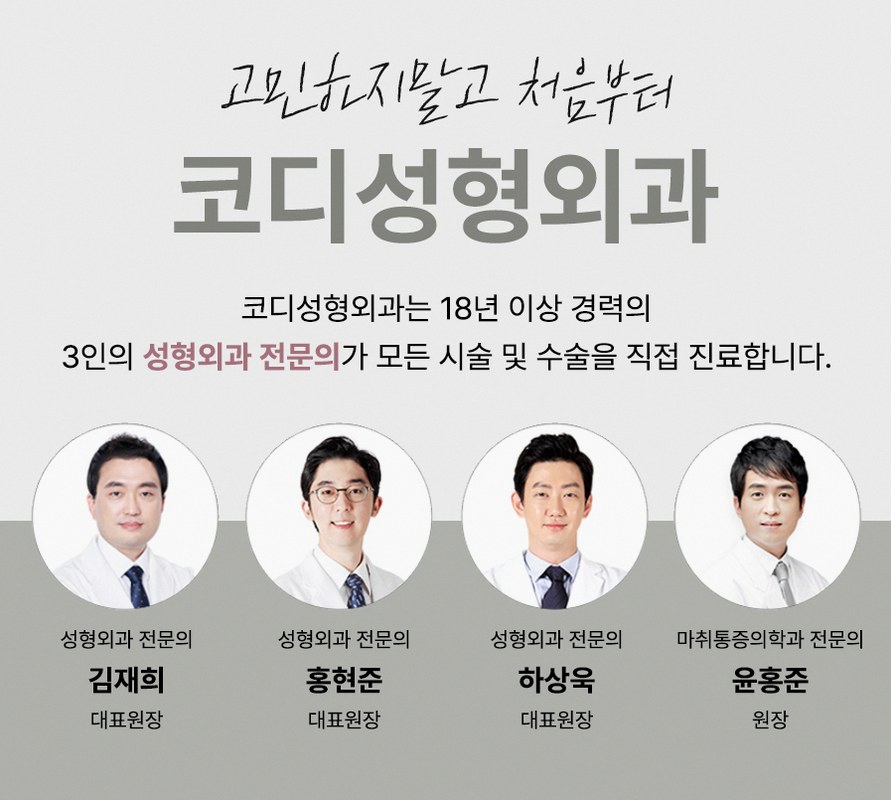
Among the options near Sinnonhyeon Station, there is a plastic surgery clinic on Gangnam-daero that focuses on eye surgery and filler procedures and also runs an anti-aging center offering non-incisional thread lifting. The clinic is staffed by three board-certified plastic surgeons and one board-certified anesthesiology and pain medicine specialist, which can be reassuring for overseas visitors who are concerned about safety and sedation.
This guide will help you understand what thread lifting is, who it may suit, how to choose a reliable clinic around Sinnonhyeon, and what to expect from consultation to recovery if you are visiting Korea for treatment.
What is thread lifting
Thread lifting is a minimally invasive anti-aging procedure that uses thin, dissolvable threads inserted under the skin to gently lift and support sagging facial tissue. The threads often have tiny barbs or cones that anchor into the tissue, allowing the doctor to reposition the skin and underlying fat.
Thread lifting is usually used for mild to moderate sagging rather than very advanced aging. Common target areas include sagging cheeks, a blurred or drooping jawline, nasolabial folds around the nose and mouth, and marionette lines at the corners of the mouth.

Compared with a full surgical facelift, thread lifting involves smaller entry points instead of long incisions, less downtime, and a lighter level of anesthesia. However, the lifting effect is also more limited and temporary. Compared with injectables such as fillers or Botox, thread lifting provides a mechanical lifting and repositioning effect, while fillers mainly add volume and Botox relaxes muscles. In many anti-aging plans, these methods are combined rather than used in isolation.
Who may consider thread lifting
Thread lifting is often considered by people in their late 20s to 40s who are beginning to notice early signs of aging:
People with mild to moderate sagging or loss of elasticity in the mid-face.
People whose jawline is starting to look less defined or who see early jowls.
People bothered by deepening nasolabial folds or marionette lines but who do not feel ready for a surgical facelift.
It can also suit those who want a visible but subtle lifting effect with relatively short downtime, for example busy professionals or overseas visitors with limited time in Korea.
It is important to understand that thread lifting does not stop aging and the results are not permanent. Maintenance treatments may be needed after a period of time, and some patients may later move on to a mini facelift or full facelift if sagging becomes more severe.
For people with very heavy tissue, pronounced jowls, or significant neck sagging, a doctor may recommend alternative options such as a mini facelift, full facelift, fat grafting, or a combination of lifting and volume restoration. A careful in-person consultation is necessary to decide whether thread lifting alone is appropriate.
Thread lifting within a broader anti-aging plan
In the Sinnonhyeon and Gangnam area, many clinics do not use thread lifting as a stand-alone solution. Instead, it is often part of a broader anti-aging lineup that may include fillers, Botox, fat grafting, skin boosters, and mini facelift procedures.
The clinic on Gangnam-daero mentioned earlier focuses strongly on facial aesthetics, with eye surgery and fillers as core specialties. It offers a detailed filler lineup for areas such as the nose, forehead, cheeks, chin, under-eye region, nasolabial folds, and lips. This kind of area-specific filler experience can be useful for thread lifting planning, because it reflects a nuanced understanding of facial volume and soft-tissue balance.
In practice, a doctor may recommend thread lifting for lifting the mid-face and jawline, while using fillers to restore volume in the cheeks or nasolabial folds, and Botox to soften dynamic wrinkles. This combination approach can sometimes achieve a more harmonious and natural-looking result than relying on threads alone.
How the thread lifting procedure typically works
Although details differ between clinics, the general flow of a non-incisional thread lifting procedure is similar.
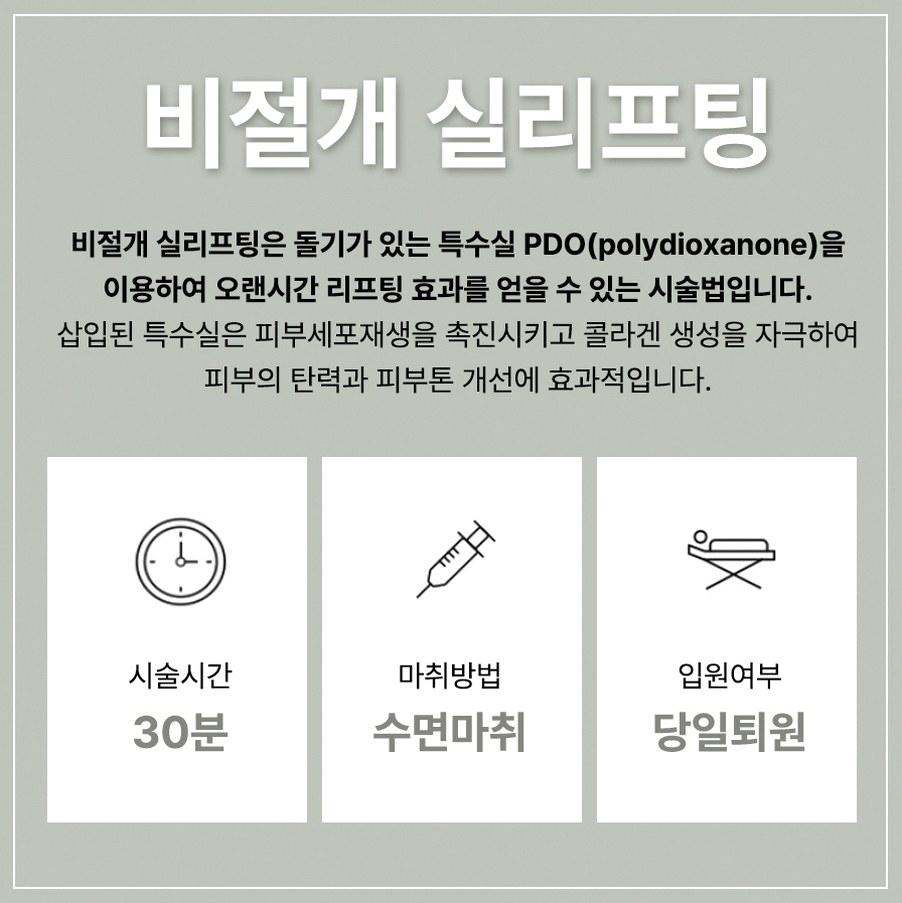
Pre-consultation and facial analysis
During your first consultation, the doctor will usually:
Assess your facial proportions, symmetry, and expressions.
Check skin thickness, elasticity, and fat distribution.
Evaluate the degree and pattern of sagging in the cheeks, jawline, and lower face.
Discuss your concerns, such as jowls, smile lines, or a tired look.
Based on this analysis, the doctor will explain whether thread lifting is suitable for your case, whether it should be combined with other treatments, and what level of improvement you can realistically expect.
Planning the threads
If you decide to proceed, the doctor will plan:
The type of threads to use, depending on your skin and the area to be lifted.
The number of threads, which affects both the lifting strength and cost.
The vector or direction of pull, which is crucial for a natural facial contour.
In clinics that focus on facial aesthetics, planning often takes into account not only sagging but also how your cheeks, chin, and jawline look from different angles, and how they move when you talk or smile.
On the day of the procedure
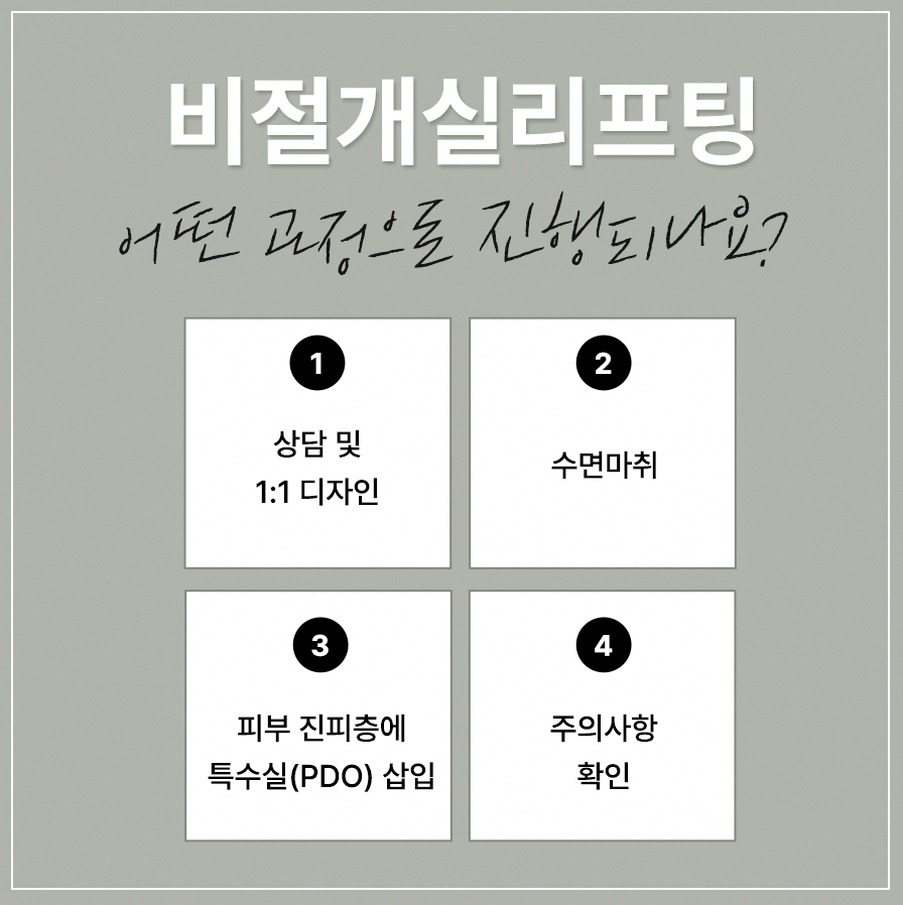
On the procedure day, the typical steps are:
Cleansing and disinfection of the treatment area.
Marking of entry points and lifting vectors on the skin.
Application of local anesthesia to numb the area. Depending on the clinic’s policy and your anxiety or pain tolerance, light sedation may be offered.
Insertion of the threads through small entry points using a needle or cannula, followed by gentle tightening and adjustment.
Cutting and securing the thread ends so they are not visible on the surface.
Procedure time varies depending on the number of threads and any additional treatments performed; confirm the expected duration during your consultation.
Recovery and downtime
After thread lifting, you can expect:
Mild swelling and bruising around the entry points and along the thread paths.
A feeling of tightness, pulling, or mild discomfort, especially when opening the mouth wide or making strong facial expressions.
Possible temporary asymmetry due to swelling.
Most people can return to light daily activities within a day or two, but visible swelling or bruising can last several days to a couple of weeks. Doctors usually advise avoiding vigorous exercise, facial massage, and strong facial movements for a certain period to protect the threads while they settle.
Expected effects and duration
Thread lifting usually provides two main effects.
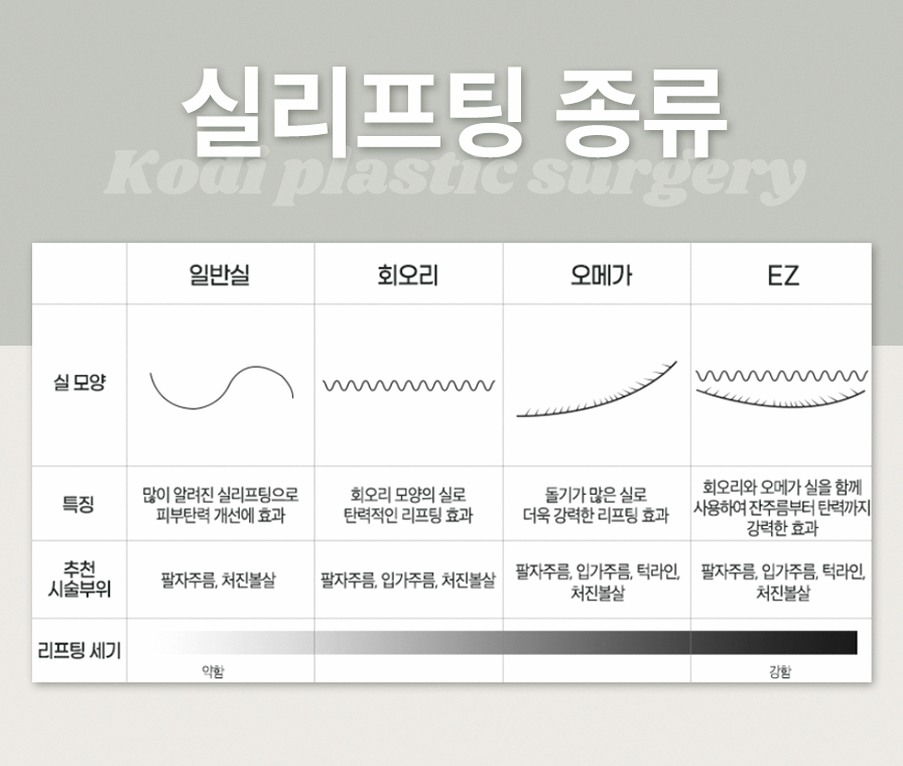
First, there is an immediate lifting effect from the mechanical support of the threads. This can make the cheeks appear higher, the jawline sharper, and folds around the mouth slightly softer.
Second, as the threads gradually dissolve over time, they can stimulate collagen production in the surrounding tissue. This may help improve skin firmness and texture in the treated area.
The visible effect varies depending on factors such as the type and quality of threads used and individual factors like age, skin condition, and lifestyle; exact duration should be confirmed with your treating clinic.
The type and quality of threads used.
Your age, skin condition, and lifestyle.
How much sagging was present before treatment.
Whether you maintain your results with additional treatments or good skincare.
It is important to understand that individual results vary and that thread lifting cannot fully replace a surgical facelift, especially for advanced aging. A responsible clinic will explain these limitations clearly and may suggest alternative or additional procedures if threads alone are unlikely to meet your expectations.
Risks and side effects
Like any medical procedure, thread lifting has potential risks and side effects. Common temporary reactions include:
Swelling, bruising, and tenderness in the treated areas.
A feeling of tightness or pulling, especially when chewing or smiling.
Minor irregularities or dimpling of the skin that usually improve as swelling subsides.
Less common but more significant issues can include:
Asymmetry or contour irregularities if threads are not placed evenly.
Visible or palpable threads if they are inserted too superficially.
Infection or inflammation at the entry points or along the thread path.
Rarely, the need to remove or adjust threads if problems do not resolve.
Choosing an experienced plastic surgeon and a clinic with careful sterilization, monitoring, and follow-up systems can help reduce these risks. During consultation, you should feel free to ask about possible complications and how the clinic handles them.
How to choose a good thread lifting clinic near Sinnonhyeon
Because the Sinnonhyeon and Gangnam-daero area is dense with aesthetic clinics, it is helpful to use clear criteria when selecting where to have your thread lifting.
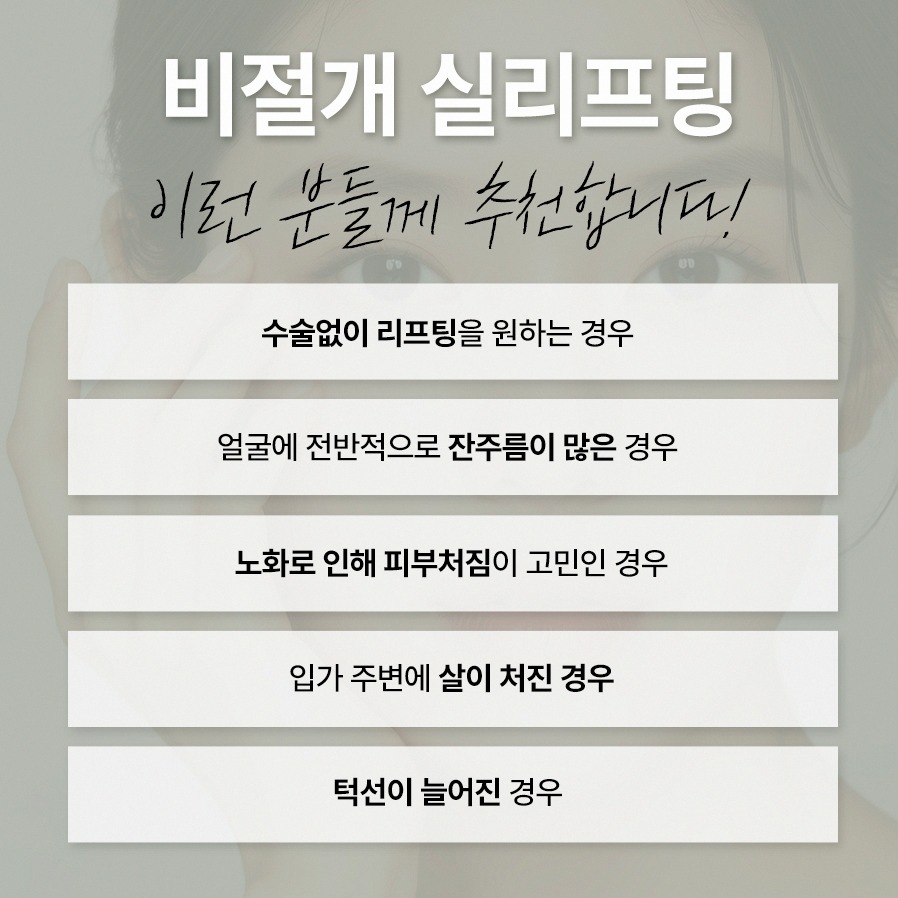
Board-certified plastic surgeons
Check whether thread lifting is performed by board-certified plastic surgeons who are familiar with detailed facial anatomy and anti-aging procedures. You can usually find this information on the clinic’s website or by asking directly through online consultation.
In the clinic introduced earlier on Gangnam-daero, thread lifting and other facial procedures are handled by three board-certified plastic surgeons. For overseas patients, this can be an important reassurance when choosing a clinic in a foreign country.
Safety and anesthesia system
Thread lifting is less invasive than surgery, but it still involves inserting devices under the skin and sometimes using sedation. A good clinic should have:
Clear anesthesia protocols.
Modern monitoring equipment to track vital signs during procedures.
Emergency response systems and trained staff.
The featured clinic has a full-time board-certified anesthesiology and pain medicine specialist. This allows more systematic pre-procedure evaluation, tailored anesthesia plans, and continuous monitoring during sedation or pain control. For patients who are nervous about pain or who have medical conditions, this type of in-house anesthesiology support can be a significant safety advantage.
Focus on facial aesthetics
Clinics that concentrate on facial procedures such as eye surgery, fillers, and facial contouring often develop a refined sense of balance and proportion in the face. This is important for thread lifting, where the direction and strength of lift must match the natural structure of your face.
The clinic near Sinnonhyeon operates structured centers for eye surgery, revision eye surgery, and facial fillers. Its detailed filler lineup for specific areas of the face suggests a high level of attention to local anatomy, which can also benefit planning for thread lifting.
Customized planning, not one-size-fits-all
Avoid clinics that offer a single standard thread lifting package for everyone. Instead, look for:
Individual assessment of age, skin thickness, and degree of sagging.
Customized selection of thread types and numbers.
Careful design of lifting vectors for each side of the face.
In many cases, combining thread lifting with other treatments such as fillers, Botox, skin boosters, or fat grafting can provide a more natural and balanced result. A responsible clinic will suggest a combination only when it is genuinely helpful, rather than overusing threads or injectables.
Transparent consultation and realistic guidance
During consultation, the clinic should clearly explain:
What thread lifting can and cannot achieve in your specific case.
Possible side effects and how they are managed.
Alternative options such as mini facelift, full facelift, or non-thread anti-aging treatments if threads alone are not ideal.
Be cautious of clinics that promise dramatic, permanent results or that minimize discussion of risks. Honest communication is especially important for overseas patients who may not be able to visit frequently for follow-up.
Post-procedure care and follow-up
Good aftercare is an important part of thread lifting. Before you decide, ask the clinic about:
How many follow-up visits are included.
What support is available if you experience swelling, bruising, or discomfort.
Clear written aftercare instructions, including sleeping position, how long to avoid facial massage, when you can resume exercise, and what to do if you notice asymmetry or irregularities.
A clinic that welcomes your questions and provides detailed guidance is usually more prepared to support you through recovery.
Online consultation and pre-visit preparation for overseas patients
If you are planning to travel to Korea for thread lifting near Sinnonhyeon Station, it is helpful to prepare in advance through online consultation.
Before contacting a clinic, you may want to prepare:
Clear photos of your face from the front and both sides, taken in natural light without heavy makeup.
A short description of what bothers you most, such as drooping cheeks, deep folds, or a tired look.
Your medical history, including any chronic diseases, medications, allergies, and previous facial procedures.
Your travel schedule, including how many days you will stay in Seoul and whether you plan to combine thread lifting with other treatments.
During online consultation, you can ask:
Whether you are likely to be a candidate for thread lifting based on your photos.
If the doctor recommends combining threads with fillers or other treatments.
How many days of recovery are recommended before flying home.
What kind of anesthesia is used and whether the anesthesiology specialist will be involved.
The clinic on Gangnam-daero near Sinnonhyeon is accustomed to facial anti-aging cases and can usually provide preliminary guidance through online photos, although final decisions are always made after an in-person examination.
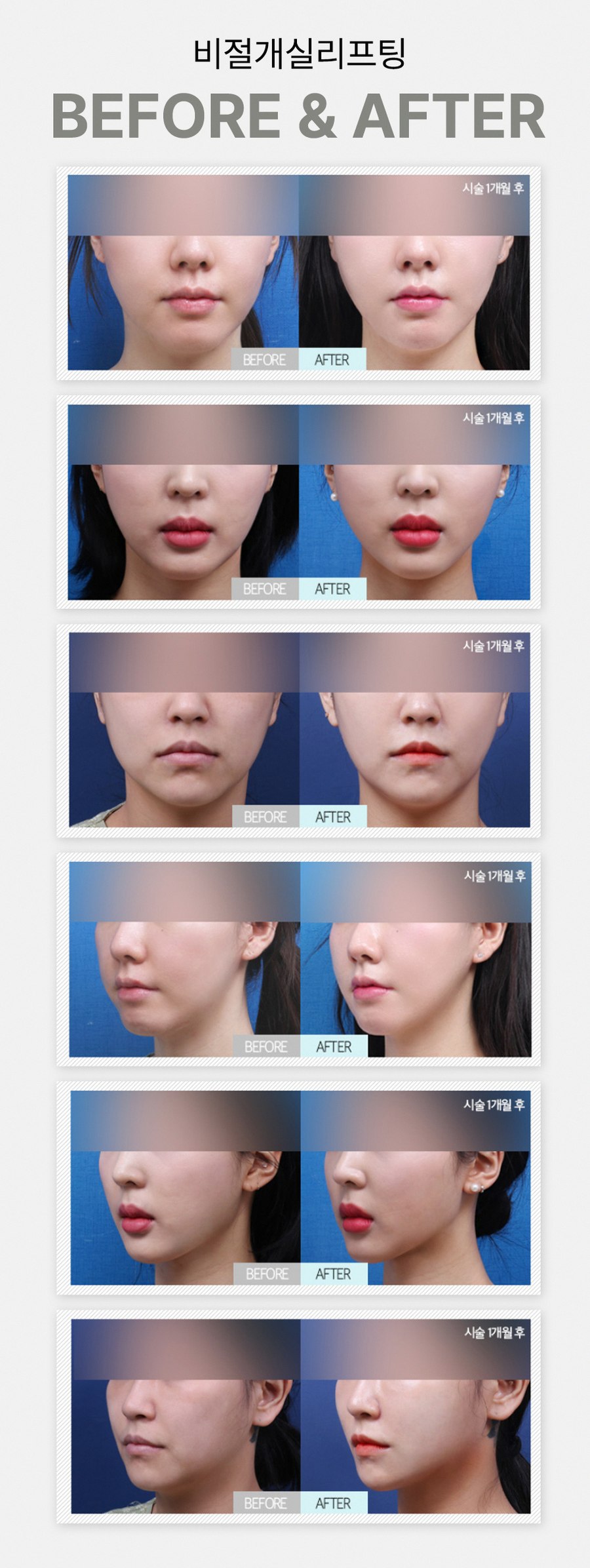
Expected Korea visit timeline for thread lifting
For overseas patients, a typical visit for thread lifting around Sinnonhyeon might look like this:
Day 1: Arrival in Seoul and rest.
Day 2: In-person consultation at the clinic, facial analysis, and confirmation of the treatment plan. In some cases, the procedure can be done on the same day if you and the doctor agree.
Day 2 or 3: Thread lifting procedure, with or without additional treatments such as fillers or Botox.
Days 3 to 5: Initial recovery period. You may experience swelling, bruising, and tightness. Light sightseeing and gentle activities are usually possible, but it is better to avoid intense exercise.
Day 5 to 7: Follow-up check at the clinic to assess healing and answer any questions before you return home.
Your exact schedule will depend on your condition, the treatments you choose, and your travel plans. Discuss timing carefully during online consultation so that your stay in Korea is long enough for safe follow-up.
Aftercare tips for thread lifting
After thread lifting, most clinics recommend:
Sleeping on your back with your head slightly elevated for several days.
Avoiding strong facial movements, wide yawning, or chewing very hard foods for a short period.
Not rubbing or massaging the face unless your doctor specifically instructs you to do so.
Avoiding saunas, very hot baths, and intense exercise until swelling has largely settled.
Following any prescribed medication or topical care to reduce swelling and prevent infection.
If you notice increasing pain, redness, or unusual asymmetry, you should contact the clinic promptly. For overseas patients, it is helpful to know in advance how to reach the clinic by phone or messaging app and whether they can review photos if you have concerns after returning home.
Safety, risks, and realistic expectations
Thread lifting can provide a noticeable but gentle lifting effect for suitable candidates, especially in the mid-face and jawline. However, it is not a substitute for a full surgical facelift in cases of advanced sagging, and it does not stop the natural aging process.
A responsible clinic will:
Evaluate your overall facial condition and skin quality.
Explain the realistic degree of improvement you can expect.
Discuss the temporary nature of results and the possibility of future maintenance.
Review your medical history and perform necessary checks before proceeding.
Monitor you during the procedure, especially if sedation is used.
The clinic has a board-certified anesthesiology and pain medicine specialist on staff, which some patients—especially those traveling from abroad—may find reassuring.
Frequently asked questions about thread lifting near Sinnonhyeon
How long before my flight home should I schedule thread lifting
Many overseas patients prefer to have thread lifting at least three to five days before their return flight. This allows the most visible swelling and bruising to start settling and gives time for a follow-up visit. If you plan to combine thread lifting with other treatments such as fillers, discuss your schedule with the clinic in advance so they can recommend the safest timing.
Can thread lifting be combined with fillers or Botox in one visit
In many cases, thread lifting can be combined with fillers or Botox during the same visit, depending on your condition and the doctor’s judgment. For example, threads may lift the cheeks and jawline, while fillers restore volume in the mid-face and Botox softens dynamic wrinkles. However, combination treatment should be carefully planned to avoid overcorrection. Your doctor will advise which procedures are best done together and which might be better scheduled separately.
Will I need general anesthesia for thread lifting
Thread lifting is usually performed under local anesthesia, sometimes with light sedation for comfort. General anesthesia is rarely necessary. At the clinic near Sinnonhyeon, a board-certified anesthesiology and pain medicine specialist helps design and monitor anesthesia plans, which can make sedation safer and more comfortable. During consultation, you can discuss your pain tolerance and any previous experiences with anesthesia so that the plan can be adjusted for you.
How do I know if I am a better candidate for thread lifting or a mini facelift
The choice between thread lifting and a mini facelift depends on the degree of sagging, skin quality, and your expectations. Thread lifting is generally more suitable for mild to moderate sagging and for patients who want shorter downtime and minimal incisions. A mini facelift or full facelift may be recommended for more advanced laxity or heavy tissue. During consultation, the doctor will examine your face, possibly show you diagrams or examples, and explain which option is more likely to meet your goals and why.
Soft call to action for online consultation
If you are considering non-incisional thread lifting near Sinnonhyeon Station and would like a clinic that focuses on facial aesthetics, you can start with an online consultation. By sharing clear photos, your medical history, and your travel schedule, you can receive preliminary guidance on whether thread lifting is suitable, what combination of treatments might be recommended, and how to plan your visit to Seoul.
A careful, honest consultation is the first step toward a safe and satisfying experience. When comparing clinics along Gangnam-daero, prioritize medical expertise, safety systems, and clear communication, rather than choosing only by price or distance from the station.




- 공유 링크 만들기
- X
- 이메일
- 기타 앱


댓글
댓글 쓰기