Under-Eye Hollow Filler Near Sinnonhyeon Station in Gangnam
- 공유 링크 만들기
- X
- 이메일
- 기타 앱

Direct answer for busy readers
Under-eye hollow filler, often called aegyo filler for the tear trough and lower eyelid area, uses hyaluronic acid to gently fill the hollow between the lower eyelid and cheek. The aim is a softer, brighter, less-tired look rather than a puffy or overfilled result. Because the skin here is thin and delicate, choosing a clinic that understands under-eye anatomy, uses soft filler, and takes a conservative approach is very important.
This guide explains what under-eye hollow filler does, who may benefit, how the procedure is done, what to expect during a short trip to Seoul, and how to prepare as an overseas visitor coming to the Sinnonhyeon and Gangnam area.
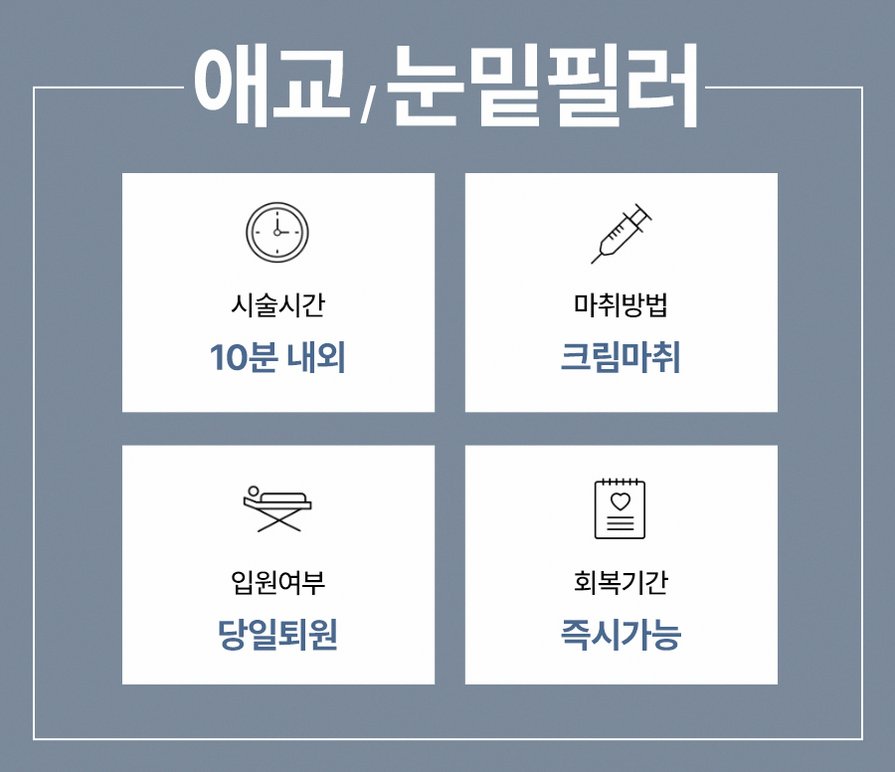
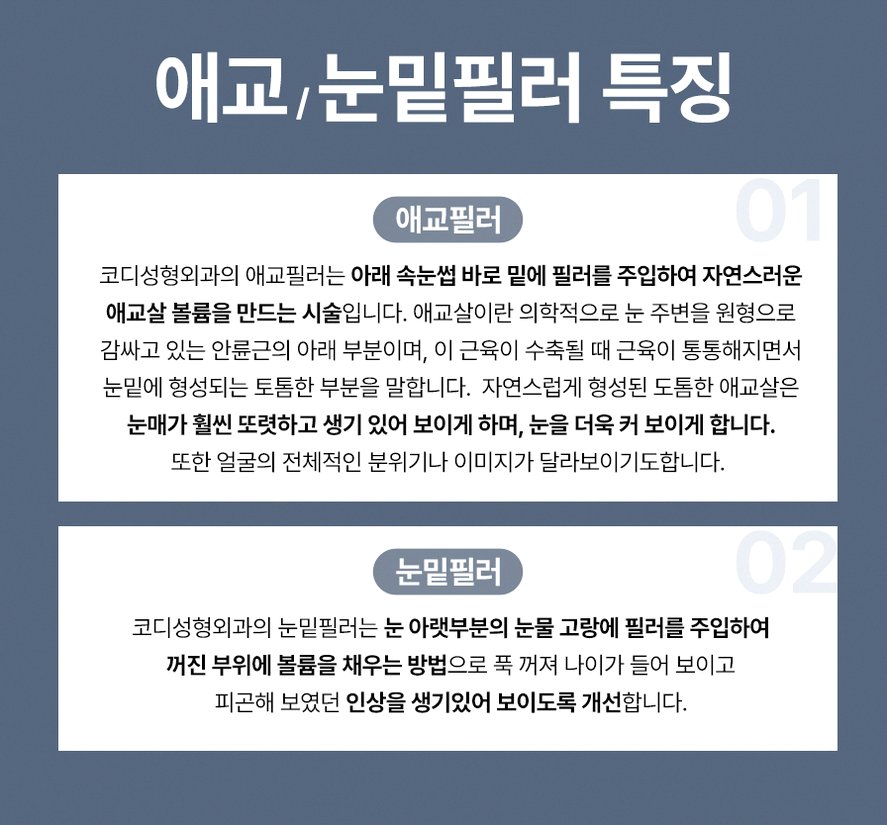
Treatment overview: what is under-eye hollow (aegyo) filler?
Under-eye hollow filler is a non-surgical procedure that uses hyaluronic acid filler along the tear trough and lower eyelid area. The goal is to smooth the transition between the lower eyelid and the upper cheek, soften shadows, and create a gentle aegyo line under the eyes.
Many office workers and young adults around Gangnam notice that, under strong office lighting or in selfies, the area under their eyes looks sunken or dark even when they are well rested. Often this is not only pigmentation, but also a loss of volume that creates a groove. When light hits this groove, it casts a shadow and makes the face look tired.

By placing a small amount of filler at the correct depth, the groove can be softened. This reduces the shadow, helps the eyes look more awake, and can give a slightly younger impression. The effect is immediate, but the final look becomes clearer over several days as minor swelling settles.
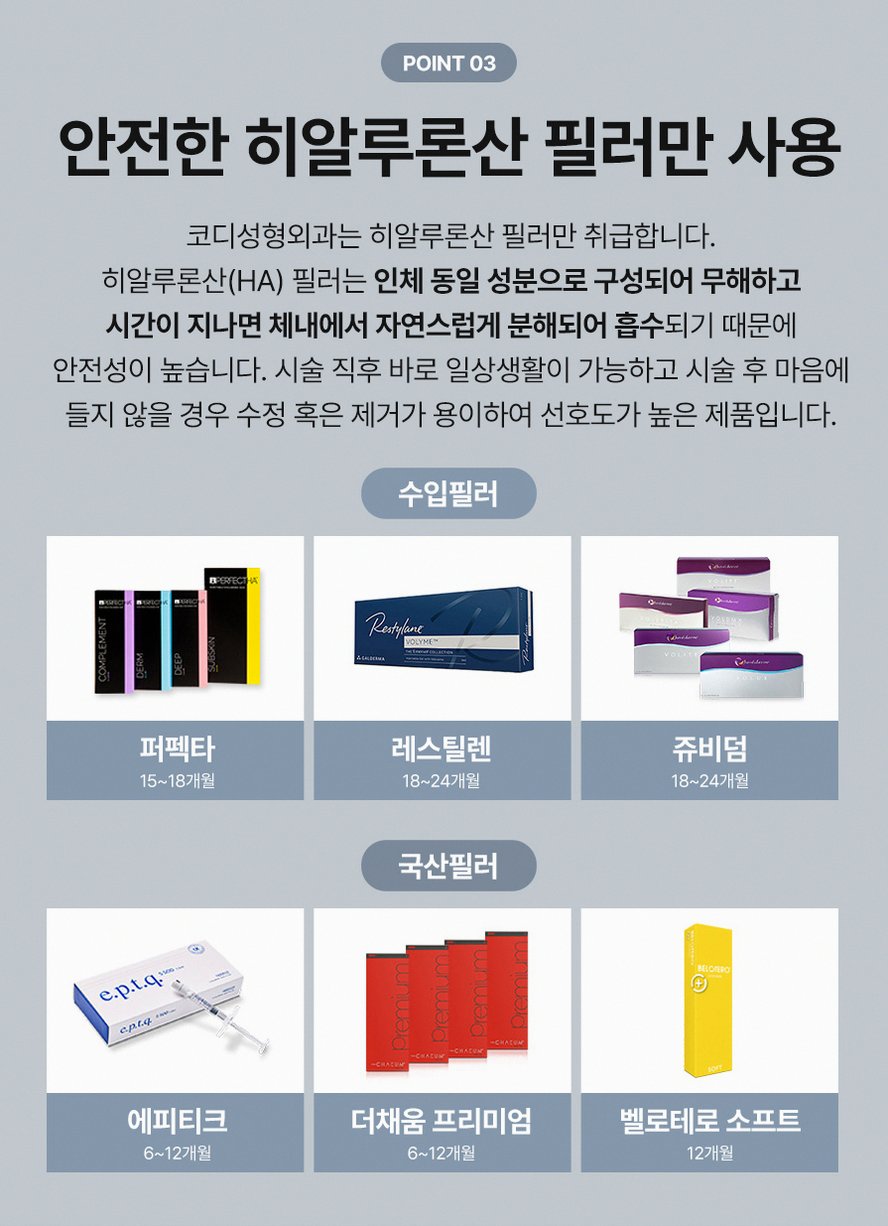
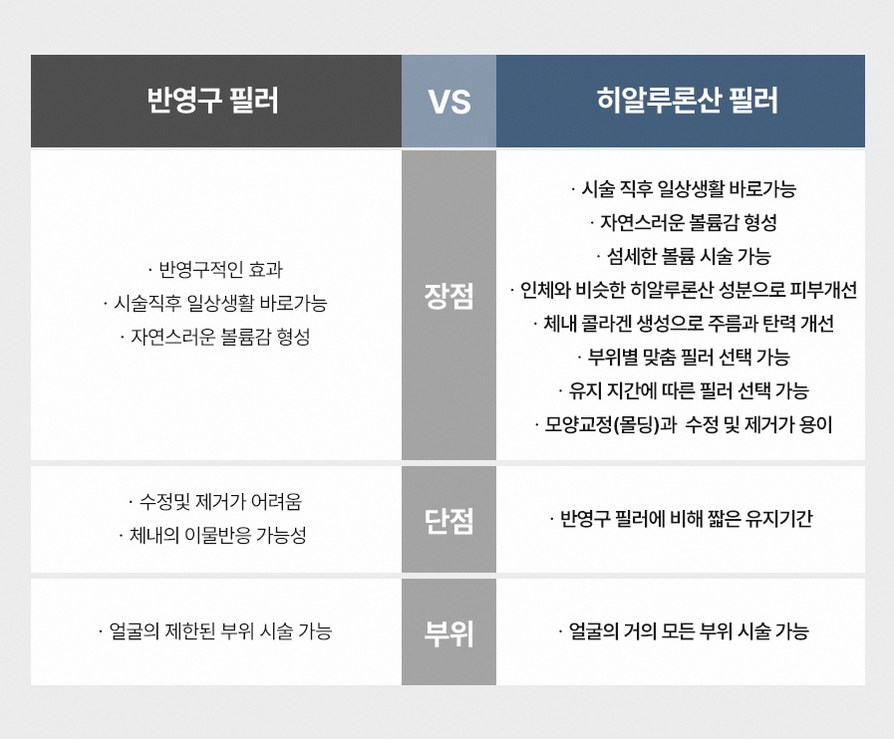
Because hyaluronic acid is a material the body can gradually break down, the result is temporary. The duration varies by product used, the injection depth, and individual metabolism—ask the clinic for typical timelines for the products they use. Touch-ups can be done to maintain or fine-tune the result.
Who may consider under-eye hollow filler near Sinnonhyeon Station
Good candidates
You may be a good candidate for under-eye hollow filler if you recognize the following points in yourself:
You have a visible hollow or groove between your lower eyelid and cheek, especially when looking down or under bright lighting.
Your dark circles improve when the area is gently lifted or filled with your finger, suggesting that shadow and volume loss are the main cause.
You do not want surgery and prefer a quick procedure that you can fit into a lunch break or after work near Sinnonhyeon Station.
You are comfortable with the idea that the result is temporary and may require maintenance.
You are in generally good health and are willing to follow aftercare instructions.
People who need more careful evaluation
Some people may still benefit from filler, but need a more detailed assessment and a cautious plan.
Very thin lower eyelid skin with visible blue veins: In these cases, filler placed too superficially can cause a bluish tint (Tyndall effect) or visible bumps. A conservative approach, careful product choice, or alternative treatments may be recommended.
Prominent under-eye bags from protruding fat: If the main problem is bulging fat rather than a hollow, filler alone may not give a satisfying result. Sometimes lower eyelid fat repositioning or another surgical solution is more appropriate, with or without a small amount of filler.
Significant skin laxity and wrinkles: When the skin is loose and wrinkled, volume alone may not be enough. Energy-based treatments or skin tightening procedures may be suggested together with or instead of filler.
History of complications, allergies, or autoimmune disease: These situations require a detailed consultation, careful product selection, and sometimes coordination with your regular doctor.
If you are unsure which group you belong to, a clear diagnostic consultation is the most important first step.
How the under-eye filler procedure is usually done
Although each clinic has its own protocol, the overall process near Sinnonhyeon Station typically follows these steps.
Consultation and diagnosis
During consultation, the doctor checks:
Whether your tired look is mainly from hollowness, protruding fat, pigmentation, fine wrinkles, or a combination.
How deep and wide the tear trough is.
The thickness and quality of your lower eyelid skin.
Your past history of filler, allergies, or eye procedures.
Based on this, the doctor explains whether aegyo filler alone is suitable, or whether other options such as lower eyelid fat repositioning, cheek filler for support, or skin tightening treatments might be needed for a better result.
Design of the injection plan
If filler is appropriate, the under-eye area is marked to guide injection points. The plan usually includes:
Where to place filler along the tear trough to smooth the hollow.
Whether to extend slightly into the aegyo line to create a soft, natural curve.
How deep to inject, and how much volume to use, to avoid puffiness.
Under-eye filler is not about adding a lot of volume. A careful, conservative design is key to a natural look.
Preparation before injection
Before injection, staff will usually:
Remove makeup from the under-eye and cheek area.
Disinfect the skin to reduce infection risk.
Apply topical anesthetic cream or use local anesthesia, depending on your sensitivity and the clinic’s protocol.
Some fillers also contain a small amount of anesthetic, which can make the procedure more comfortable as it progresses.
Injection technique
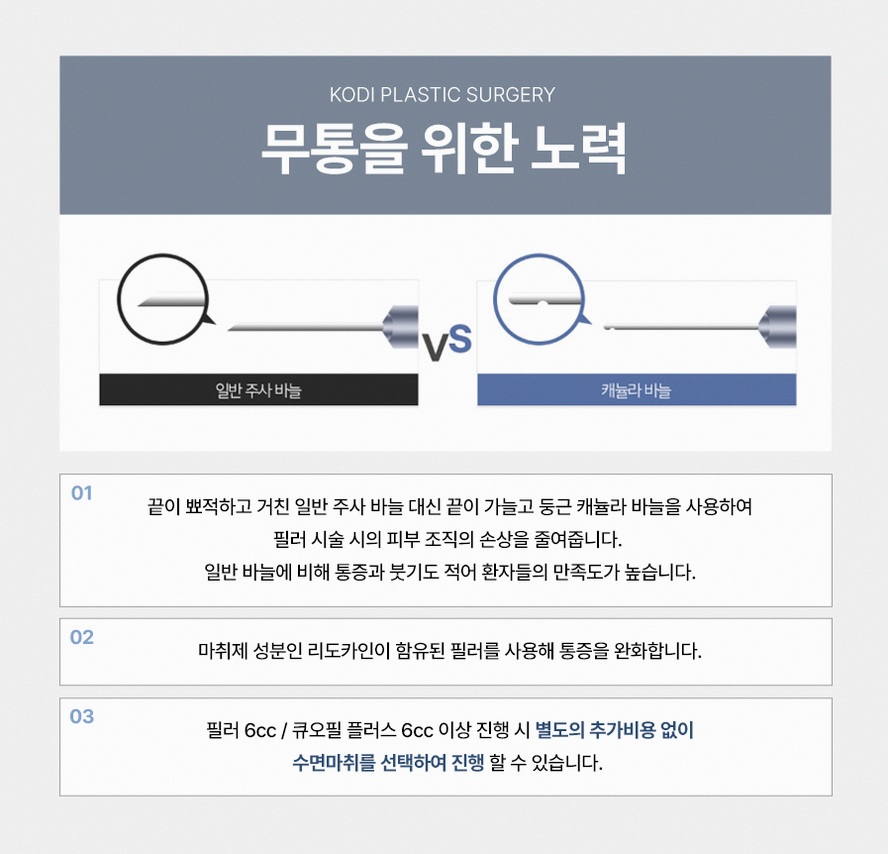
The injection can be done with a fine needle or a blunt-tipped cannula.
Needle: Allows very precise placement but may require several small entry points.
Cannula: Has a rounded tip that glides through tissue with fewer punctures, which can help reduce bruising in some patients.
The filler is placed slowly, in small amounts, and often in layers. The doctor constantly checks for symmetry and surface smoothness. Because the under-eye area has many blood vessels and very thin skin, depth control and gentle handling are extremely important.
Shaping and final check
After injection, the doctor may gently mold the filler to refine the contour. You may be asked to sit up so the under-eye area can be checked in a natural position under normal lighting.
If needed, tiny additional adjustments can be made. Once both sides look balanced, the area is cleaned again and you receive aftercare instructions.
Aftercare explanation and follow-up
Before you leave, staff will explain:
How to cool the area if there is swelling.
What activities to avoid for the first 1 to 2 days.
What is normal (mild swelling, slight bruising) versus what signs require immediate contact.
A follow-up visit may be scheduled, especially if you are staying in Seoul for several days. For overseas patients with a short stay, some clinics offer online follow-up through photos or video calls after you return home.
How under-eye filler differs from other facial fillers
The under-eye region is one of the most delicate areas for filler.
Very thin skin and many blood vessels: This makes the area more prone to bruising and visible irregularities if the technique is not careful.
Need for softer products: Under-eye filler usually uses softer, more elastic hyaluronic acid products that integrate smoothly with the tissue and move naturally when you smile.
Conservative volume: While nasolabial folds or cheeks may require more filler for structural support, the under-eye area usually needs only a small amount. Overfilling can lead to prolonged swelling or a puffy look.
Precise depth control: Filler placed too superficially can cause the Tyndall effect, where the area looks bluish or grayish. This is why experience with under-eye injections is important.
Compared with other common filler areas:
Nasolabial folds: These folds usually receive deeper injections and larger volumes to support the midface. The skin is thicker and more forgiving than the lower eyelid.
Cheeks: Cheek filler is often used to lift and support the midface. Sometimes, improving cheek volume first can indirectly reduce the appearance of the tear trough. In some cases, a combination of cheek and under-eye filler gives a more balanced result.
Expected results, timeline, and longevity
Immediately after treatment
Right after the procedure, most people notice that the hollow under the eyes looks softer and the shadow is less deep. The face may look less tired and more refreshed even with a very small change.
At the same time, there can be:
Mild swelling or a slightly puffy look.
Small red marks at the injection points.
Occasional small bruises.
These early changes usually calm down over several days.
Over the next few days
Swelling typically decreases within 2 to 7 days. As this happens, the final contour becomes clearer. Some people feel one side looks slightly different from the other in the first days; this often improves as swelling settles.
Your clinic may suggest taking photos in similar lighting before and after to help you notice subtle changes.
Longevity and maintenance
On average, under-eye filler lasts about 6 to 12 months, though this can vary. Factors that influence duration include:
Type of filler and its cross-linking.
Depth and exact placement.
Your metabolism and lifestyle.
Touch-up sessions can be done when you feel the hollow or shadow is gradually returning. Sometimes only a very small amount is needed for maintenance.
Risks, side effects, and safety points
Common temporary effects
Most people experience only mild, short-term side effects such as:
Redness at injection points.
Mild swelling or puffiness.
Tenderness when touching the area.
Small bruises.

These usually improve within a few days to two weeks.
Possible complications
Although less common, it is important to be aware of potential complications:
Tyndall effect: A bluish or grayish hue if filler is placed too close to the surface. This can often be improved by dissolving or adjusting the filler.
Lumps or irregularities: Small bumps can appear if filler is uneven or if swelling is localized. Sometimes gentle massage or minor correction is needed.
Prolonged puffiness: If too much filler is used or if the tissue retains fluid, the under-eye area may look swollen for a longer time. In some cases, partial dissolution is recommended.
Vascular complications: Very rarely, filler can affect blood flow in nearby vessels. Sudden severe pain, skin color changes, or vision changes require urgent attention.
Safety considerations near Sinnonhyeon Station
When choosing a clinic around Sinnonhyeon and Gangnam-daero, consider the following safety points:
Whether the doctor has clear experience with under-eye and tear trough filler.
Whether they use hyaluronic acid fillers that can be dissolved with hyaluronidase if needed.
Whether risks and emergency protocols are explained clearly during consultation.
Whether there is an anesthesiology and pain medicine specialist in the clinic for more invasive procedures, which can reflect an overall focus on safety and monitoring.
How this Gangnam-daero clinic positions itself for under-eye filler
Location and access
The clinic is located on Gangnam-daero within easy walking distance from Sinnonhyeon Station. This is convenient for office workers in the Gangnam area who want to visit during lunch time or after work, and for overseas visitors staying in nearby hotels.
Focus and medical staff
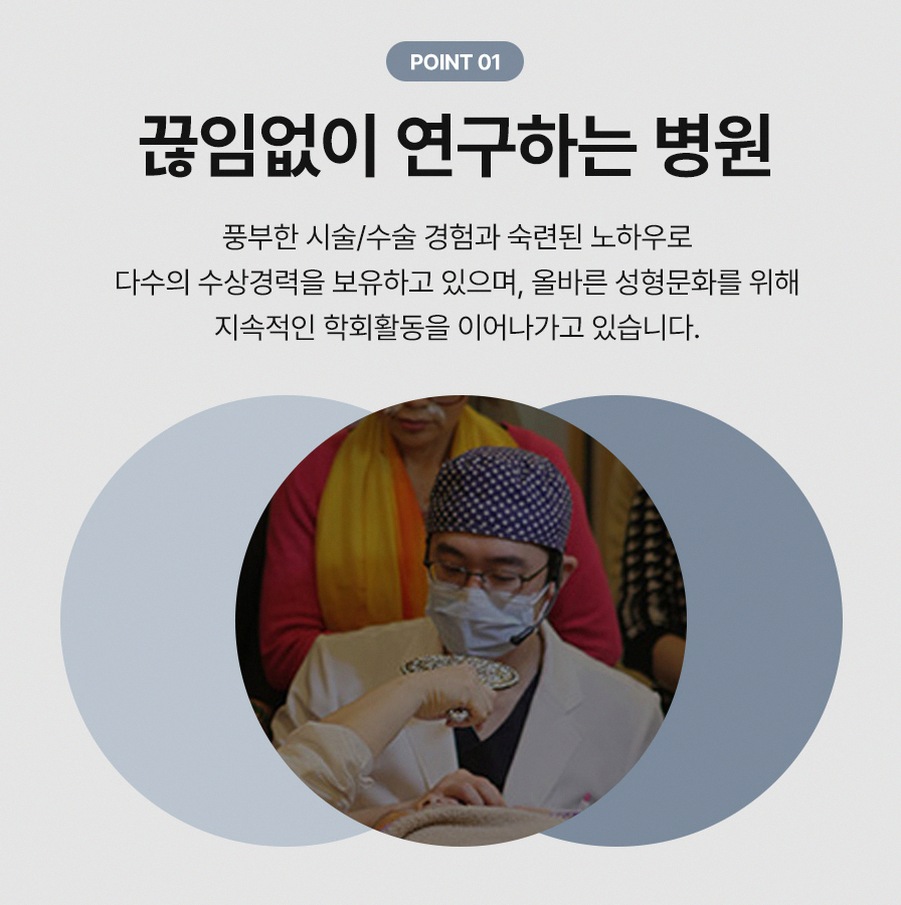
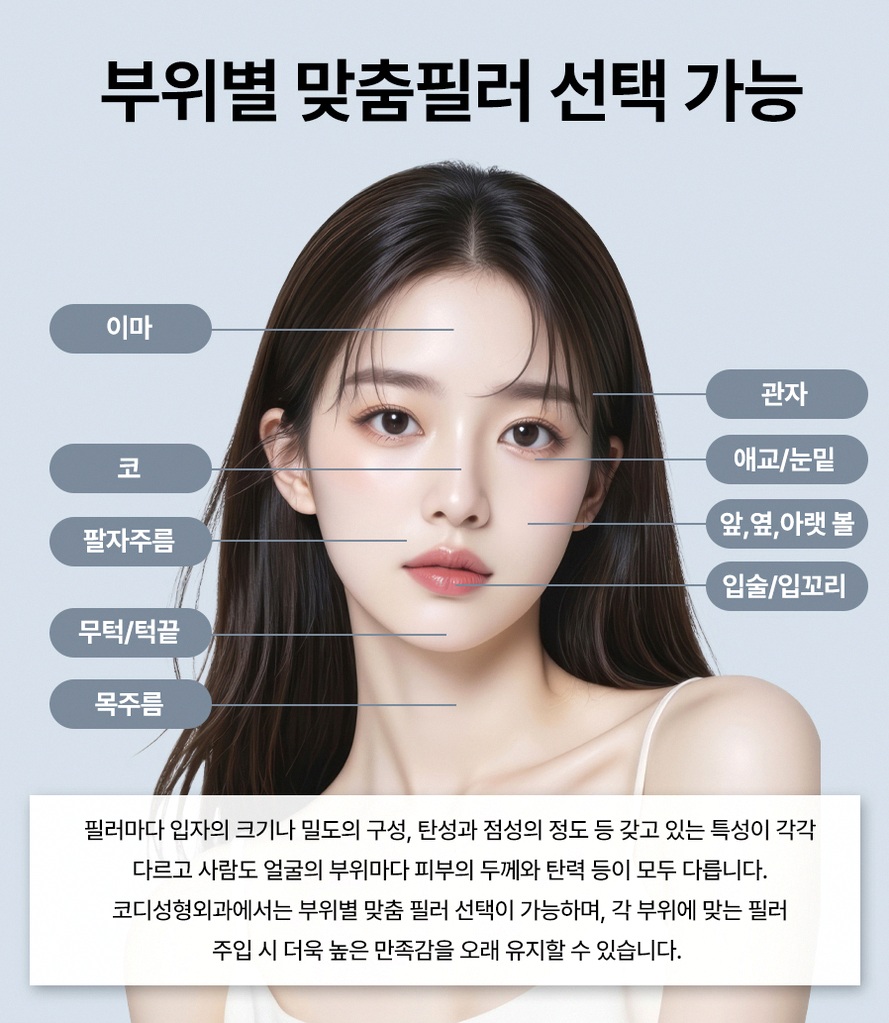
The clinic emphasizes eye-related procedures and filler treatments, with dedicated centers for eye revision and facial filler. It offers a detailed filler lineup by facial area, including nose, forehead, cheeks, chin, under-eye and aegyo area, nasolabial folds, and lips. This supports a customized-by-area approach rather than using the same method for every part of the face.
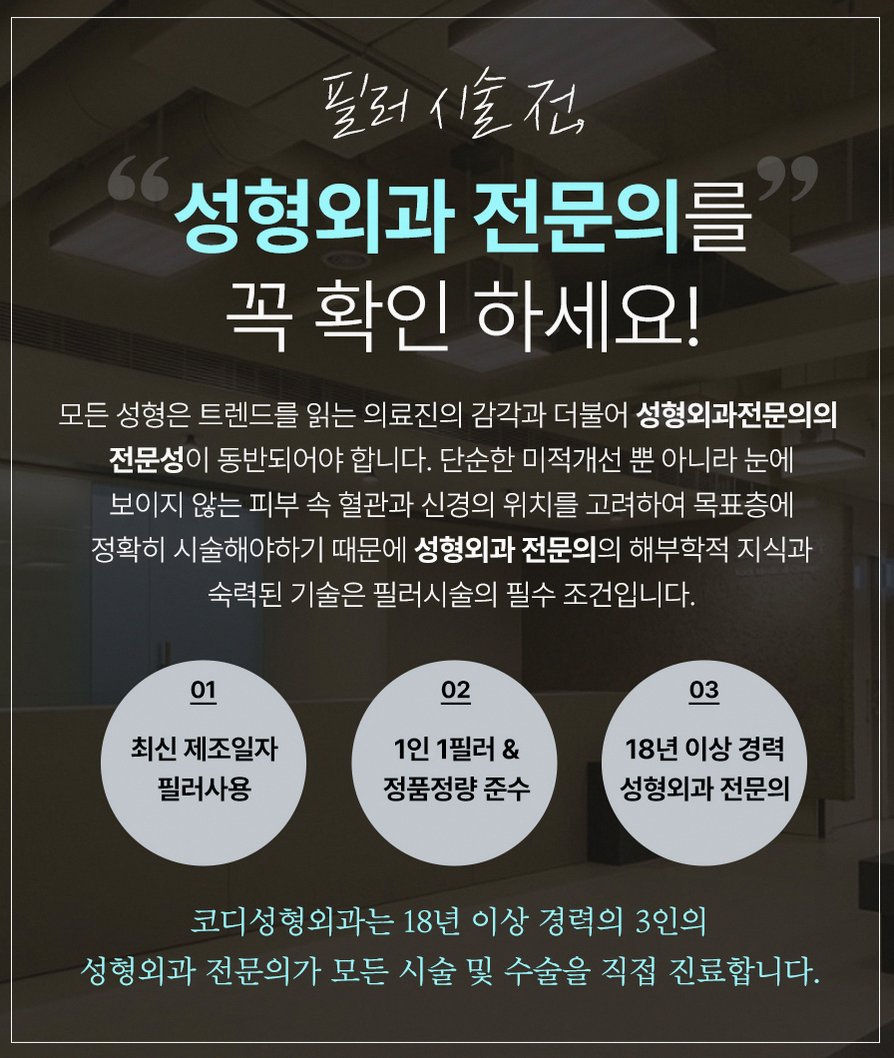
The medical team includes three board-certified plastic surgeons and one board-certified anesthesiology and pain medicine specialist. The presence of an anesthesiology specialist in the clinic supports safer sedation and monitoring for more complex procedures and reflects a safety-oriented environment even when performing relatively minor treatments like under-eye filler.
Service for international patients
The clinic provides foreign-language website pages in English, Chinese, and Japanese, and is accustomed to explaining procedures to international patients. This can make it easier to discuss your concerns, understand risks and benefits, and arrange your visit schedule from overseas.
What to check before booking under-eye filler near Sinnonhyeon Station
Before you decide on a clinic, it can be helpful to prepare a small checklist.
Experience with under-eye filler
Ask the clinic:
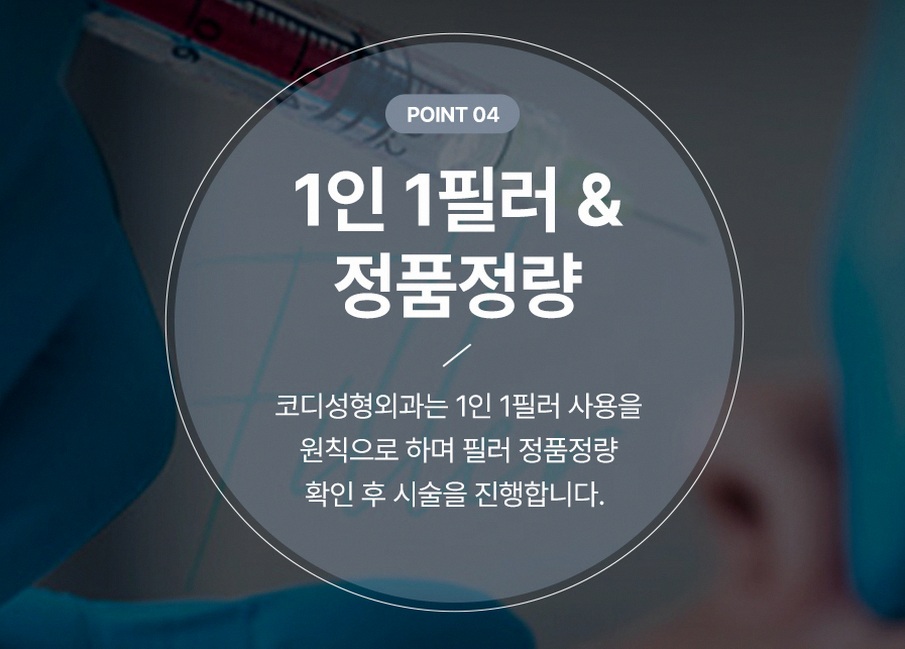
How often they perform under-eye or tear trough filler.
Whether they can show sample cases with natural, not overfilled, results.
What type of filler they prefer for the lower eyelid area and why.
Quality of consultation
During consultation, notice whether the doctor:
Clearly explains whether your problem is mainly hollow, fat protrusion, pigmentation, or skin laxity.
Discusses alternative options if filler is not the best choice for your situation.
Explains both expected benefits and possible risks in understandable language.
Safety and support
You may want to ask:
If they use hyaluronic acid fillers that can be dissolved.
What their protocol is in case of a complication.
Whether an anesthesiology specialist is available in the clinic.
Convenience for your schedule
For people working or staying near Sinnonhyeon Station, check:
How close the clinic is to the station.
Whether they offer evening appointments on certain weekdays or Saturday hours.
Whether they can combine consultation and treatment in one visit if you are coming from overseas.
Online consultation and pre-visit preparation for overseas patients
If you are planning a trip to Seoul, an online consultation before you fly can save time.
What to prepare for online consultation
To make your online consultation more accurate, prepare:
Clear photos of your face from the front and both sides, in natural daylight if possible.
Close-up photos of the under-eye area looking straight ahead, slightly up, and slightly down.
Information about any previous filler or eye procedures, including when and where they were done and what product was used if you know it.
A list of medications, allergies, and medical conditions.
Questions you may want to ask
You can write down questions such as:
Is my under-eye concern mainly hollow, fat bags, or pigmentation?
Is filler alone enough, or would you recommend any other treatment?
How much downtime should I expect, realistically, for my case?
How long after filler should I stay in Seoul before flying home?
If I already have filler from another clinic, should it be dissolved first?
Expected Korea visit timeline for under-eye filler
Many international patients combine under-eye filler with a short stay in Seoul. A typical timeline might look like this.
Day 1: Arrival and in-person consultation
Arrive in Seoul and check into your accommodation near Sinnonhyeon or Gangnam. Visit the clinic for an in-person consultation. The doctor confirms the online assessment, examines your skin and under-eye area directly, and finalizes the plan.
If both you and the doctor agree and there are no medical concerns, the procedure can often be done on the same day.
Day 1 or 2: Procedure day

After the procedure, you can usually go back to your hotel or continue light activities. Many people feel comfortable going to a cafe or restaurant, especially if swelling is mild.
Day 2 to 3: Early recovery
Mild swelling and small bruises may appear or become more noticeable. Using a light concealer after the first day, if the clinic allows, can help you feel more at ease in public.
If you are staying nearby, a short follow-up visit can be arranged to check the result and answer any questions.
Day 3 to 5: Return home
Most overseas patients feel comfortable flying home within a few days after under-eye filler. If you are prone to swelling or bruising, you may prefer to stay slightly longer. Your clinic can advise based on your individual situation.
Aftercare and lifestyle tips
Immediately after treatment
For the first 24 to 48 hours, most clinics recommend:
Avoid rubbing, pressing, or massaging the under-eye area unless specifically instructed.
Apply cold compresses gently to reduce swelling and bruising.
Sleep with your head slightly elevated the first night if swelling is a concern.
Short-term precautions
For 1 to 2 days after treatment, it is usually advised to:
Avoid saunas, hot baths, and very hot showers.
Avoid intense exercise that raises blood pressure significantly.
Limit alcohol, which can increase swelling and bruising.
Avoid heavy makeup directly over injection points on the same day; follow your clinic’s specific guidance.
When to contact the clinic
Contact the clinic immediately if you notice:
Sudden severe pain around the treated area.
Skin color changes such as whitening, mottling, or dark patches.
Vision changes, such as blurring or double vision.
Also contact the clinic if you experience persistent, asymmetric swelling or hard lumps that do not improve over time.
FAQ
Is under-eye filler painful, and what kind of anesthesia is used?
Most people describe under-eye filler as mildly uncomfortable rather than very painful. Clinics near Sinnonhyeon Station typically use topical anesthetic cream and sometimes local anesthesia at the entry point. Many hyaluronic acid fillers also contain a small amount of anesthetic, so the area becomes more numb during the procedure. You may feel pressure or a brief sting, but the sensation is usually manageable.
How long does under-eye hollow filler last, and how often do I need touch-ups?
Under-eye hollow filler generally lasts around 6 to 12 months, though this varies by person and product. Some people notice the effect lasting longer, while others feel the hollow slowly returns sooner. You can schedule touch-ups when you see the shadow or groove coming back. Often, maintenance sessions require less filler than the first treatment.
Can under-eye filler completely remove dark circles?
Under-eye filler can significantly improve dark circles that are mainly caused by hollowness and shadow. However, if your dark circles are mostly due to pigmentation, visible veins, or very thin skin, filler alone will not completely remove them. In such cases, a combination of treatments, such as pigment-focused care or skin tightening, may be discussed during consultation.
What is the difference between aegyo filler and tear trough filler?
In everyday language, aegyo filler usually refers to enhancing the soft, slightly rounded line just under the lower lashes, while tear trough filler focuses more on the deeper groove between the lower eyelid and the cheek. In practice, many under-eye treatments combine both areas in a balanced way. The key is to avoid overfilling so that the eyes look naturally bright and rested, not swollen.
I already have under-eye filler from another clinic; can it be corrected or dissolved before re-treatment?
If you have existing under-eye filler and are not satisfied with the result, hyaluronic acid filler can often be dissolved with an enzyme called hyaluronidase. The doctor will examine your under-eye area, ask about the product used and when it was injected, and then decide whether dissolution is needed before new filler is placed. In some cases, partial dissolution and careful re-filling can lead to a more natural outcome.
How soon can I go back to work after under-eye filler near Sinnonhyeon Station?
Many office workers return to work the same day or the next day after under-eye filler. Mild swelling or small bruises can usually be covered with concealer after the first day, if your clinic agrees. If you are worried about visibility, you might schedule the procedure before a weekend or a day off, but most people can resume normal daily activities quickly.
Call to action for online consultation
If you are considering under-eye hollow or aegyo filler during a visit to Seoul and want a clinic close to Sinnonhyeon Station, an online consultation is a practical first step. By sharing clear photos and your medical history in advance, you can receive a more personalized plan and schedule your visit efficiently. Contact the clinic through its English, Chinese, or Japanese channels, prepare your questions, and use the consultation to understand whether under-eye filler is suitable for you and how to fit it into your travel plans.




- 공유 링크 만들기
- X
- 이메일
- 기타 앱


댓글
댓글 쓰기