Yeoksam-dong Skin Booster Guide: What to Expect from Polynucleotide (PN) Skin Boosters
- 공유 링크 만들기
- X
- 이메일
- 기타 앱

Direct answer summary
If you are searching for a skin booster in the Yeoksam-dong and Gangnam area, you are most likely looking for a series of micro-injections that improve skin quality from the inside rather than a dramatic surgical change.
In Gangnam, many plastic surgery clinics that focus on eye surgery and filler procedures also provide structured skin booster programs as part of a broader anti-aging plan. This can be convenient for overseas patients who want to combine subtle skin rejuvenation with other injectable treatments during a short stay in Seoul.
What is a skin booster and how does it work?
A skin booster is an injectable treatment that delivers active ingredients directly into the dermis, the deeper layer of the skin. Unlike fillers, which are used to add volume or reshape facial contours, skin boosters aim to improve the overall quality of the skin itself.
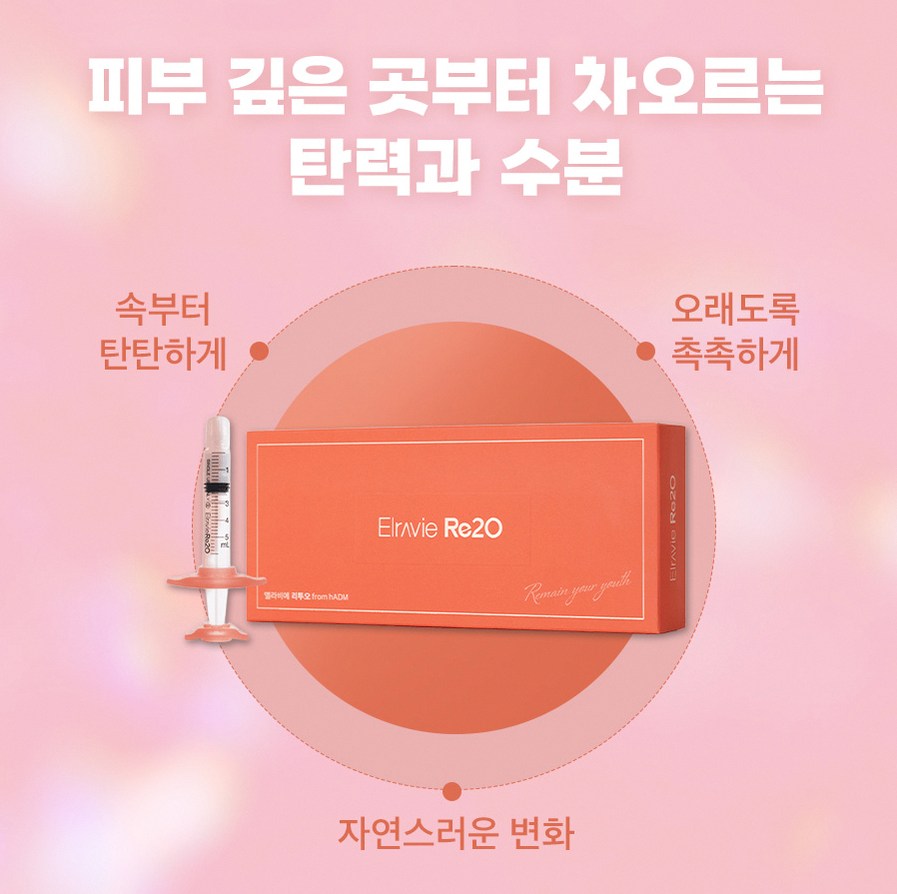
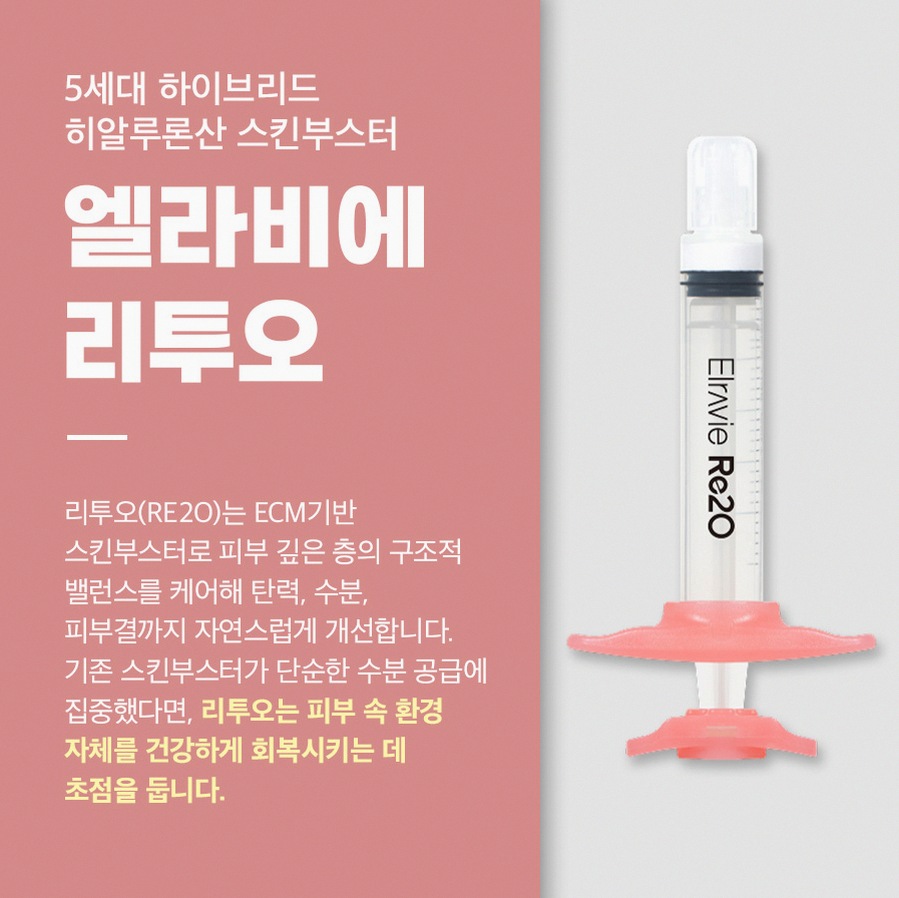
Rejuran-type or polynucleotide (PN) skin boosters contain fragments of nucleotides, which are building blocks of DNA. These polynucleotides are used to support skin regeneration, encourage collagen production, and improve the skin’s ability to retain moisture. Instead of simply filling a line, the goal is to help the skin behave more like healthy, resilient tissue over time.
During treatment, very small amounts of the PN solution are injected using multiple micro-injections across the face or targeted areas such as the cheeks, under-eye region, or around the mouth. The product spreads within the dermis, where it can support repair processes, leading to smoother texture, finer pores, and a more even surface.
Who may consider a skin booster in the Yeoksam-dong area?
The Yeoksam-dong and Gangnam area is full of busy professionals, entrepreneurs, and international residents who often want to look refreshed without obvious signs of cosmetic work. Skin boosters are often chosen by people who prefer a natural, gradual improvement instead of a sudden, dramatic change.
You may consider a Rejuran-type skin booster if you notice:
Dull or tired-looking skin that lacks glow
Fine lines around the eyes or mouth
Rough texture or enlarged pores
Early loss of elasticity or very thin skin
Mild acne scarring or uneven surface
It can be suitable for people in their late 20s to 40s who are starting early anti-aging care, as well as those who have already tried basic skincare and want something more intensive but still subtle. A face-to-face consultation is important to check your skin thickness, current skincare routine, previous procedures, and medical history such as allergies, autoimmune conditions, or pregnancy.
Overview of treatment at a plastic surgery clinic
lso providing anti-aging injections including skin boosters.
This type of clinic setting can be helpful if you are considering a combination of treatments, such as under-eye fillers for volume plus a PN-based skin booster to refine texture and elasticity. The medical team is used to planning injections by facial area and depth, which can be applied to skin boosters as well.
Step-by-step: what to expect during a skin booster session
First consultation and assessment
Your visit usually begins with a consultation with a plastic surgeon. The doctor will review your concerns, examine your skin, and sometimes take standardized photographs to document your baseline condition. This helps in planning injection points and tracking progress over several sessions.
You may be asked about:
Past cosmetic treatments and surgeries
Any history of keloids or abnormal scarring
Current medications and supplements
Tendency for bruising or bleeding
Skin sensitivities, eczema, or rosacea
If you are visiting from overseas, it is helpful to send clear photos and medical information in advance through an online consultation so that the clinic can estimate whether a skin booster is appropriate and how many sessions might be realistic during your stay.
Anesthesia and preparation
Before the injections, a topical anesthetic cream is usually applied over the treatment area and left on for a set period to numb the skin. In some clinics, additional pain control options such as local injections or mild oral medication may be offered for patients who are very sensitive or anxious.
At KODI Plastic Surgery, a full-time anesthesiology and pain medicine specialist is present in the clinic. Even though a skin booster is a non-surgical procedure, having an anesthesiology specialist on site allows for more systematic monitoring, safer use of sedatives when needed, and better management of patients who are nervous about needles.
Injection process
Once the skin is numbed and cleaned, the doctor performs multiple micro-injections using a fine needle or special injector device. You may feel light pinching or pressure, but the discomfort is usually tolerable with proper numbing.
The session time can vary depending on whether you are treating the full face, under-eye area, neck, or other regions. Many patients spend around 30 to 60 minutes in the treatment room, including preparation and injections.
Immediately after treatment, you will likely see small bumps where the product has been placed. These usually flatten as the solution spreads and is absorbed into the skin. Mild redness and swelling can be expected.
Post-treatment observation and scheduling
After the injections, the staff may apply soothing packs or calming products to reduce redness. You will receive instructions on what to avoid over the next few days and when you can apply makeup again. The next session is often scheduled before you leave, especially if you are on a short visit to Korea and need a clear timetable.
Safety, pain control, and anesthesia support
Although skin booster injections are minimally invasive, they still involve needles and injections into the skin. Safety protocols matter, especially for overseas patients who may feel anxious about receiving treatment in another country.
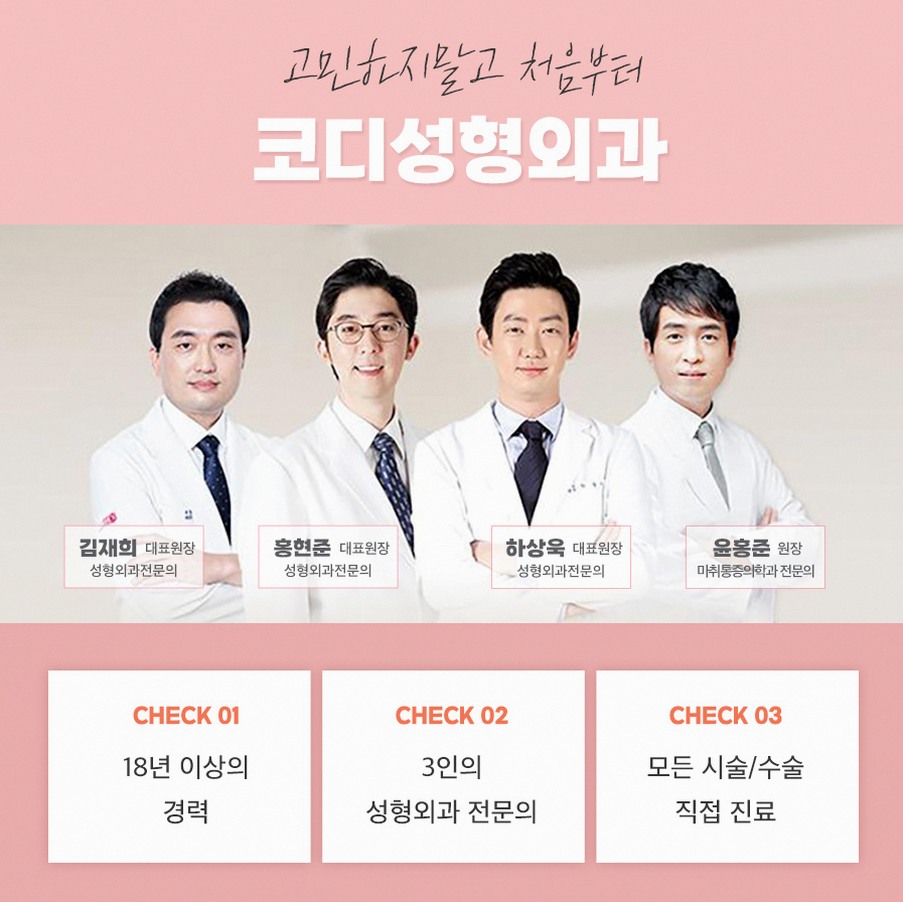
In a plastic surgery clinic setting with multiple plastic surgeons and a full-time anesthesiology and pain medicine specialist, there is usually a structured system for:
Monitoring vital signs when needed
Using sterile techniques and single-use needles
Choosing products from reputable manufacturers
Planning conservative doses and gradual improvements
Handling allergic reactions or unexpected events
For patients who are very sensitive to pain or have had difficult experiences with injections in the past, the presence of an anesthesiology specialist can provide reassurance. They can advise on appropriate pain control methods and ensure that sedatives or additional anesthesia, if used, are administered safely.
Expected results and realistic limits
Rejuran-type PN skin boosters are designed to improve skin quality over time, not to dramatically change facial shape. Most people notice:
Smoother, more refined texture
Subtle softening of fine lines
More even tone and healthy glow
Mild improvement in elasticity and firmness
These changes usually appear gradually over several weeks and sessions. The treatment does not replace surgical lifting or deep wrinkle surgery. If you have significant sagging, heavy jowls, or deep folds, a doctor may recommend combining skin boosters with fillers, thread lifting, or other procedures for a more noticeable effect.
It is also important to remember that individual responses vary. Lifestyle factors such as sun exposure, smoking, sleep, and skincare habits will influence how long the benefits last.
Skin booster vs filler vs Botox vs fat grafting
When you search for skin boosters in Yeoksam-dong or Gangnam, you will also see many options for fillers, Botox, fat grafting, and thread lifting. Understanding the differences can help you discuss a realistic plan with your doctor.
Skin boosters
Goal: Improve skin quality, hydration, texture, and fine lines.
Where used: Entire face, under-eye area, cheeks, neck, sometimes hands.
How they work: Micro-injections of PN or similar ingredients into the dermis to support regeneration and collagen production.
Fillers
Goal: Restore volume, contour the face, or soften deep folds.
Where used: Nose, forehead, cheeks, chin, under-eye hollows, nasolabial folds, lips.
How they work: Hyaluronic acid or other filler materials are injected to physically add volume and shape.
Botox
Goal: Relax muscles that cause dynamic wrinkles.
Where used: Forehead lines, frown lines, crow’s feet, jawline slimming, some neck bands.
How they work: Temporarily reduce muscle movement to smooth expression lines.
Fat grafting and PRP fat grafting
Goal: Restore volume using your own fat, sometimes combined with platelet-rich plasma (PRP) for added regenerative support.
Where used: Cheeks, under-eye area, temples, nasolabial folds, and other volume-deficient regions.
How they work: Fat is harvested, processed, and injected to add volume and potentially improve skin quality.
In a clinic with an area-specific filler center concept, doctors are used to tailoring injection plans by region, which can extend to skin boosters. For example, you might receive a PN-based booster across the face plus focused filler in the under-eye or nasolabial area, depending on your needs.
Aftercare, downtime, and what to avoid
After a skin booster session, you can usually return to light daily activities the same day. However, you should expect:
Redness and small bumps at injection sites for 1 to 3 days
Mild swelling or sensitivity
Occasional small bruises, which may take several days to fade
General aftercare advice often includes:
Avoiding saunas, hot baths, and intense exercise for a few days
Limiting alcohol intake shortly after treatment
Using gentle skincare and avoiding harsh scrubs or acids on the treated area
Applying sunscreen regularly and avoiding strong sun exposure
Waiting until the skin has calmed before applying makeup, usually the next day if the doctor agrees
Visible improvement typically appears gradually over the following weeks as the skin responds to the PN and collagen remodeling takes place. Many people notice better glow and texture after the second or third session.
How many sessions and how often?
Skin boosters are usually planned as a series rather than a one-time procedure. A common approach is:
An initial course of several sessions spaced a few weeks apart
A maintenance session every few months, depending on your skin and lifestyle
The exact schedule depends on:
Age and baseline skin condition
Degree of sun damage or acne scarring
Smoking, stress, and sleep habits
Budget and length of stay in Korea
For overseas patients, the doctor may suggest a slightly adjusted plan to fit your travel schedule. For example, two sessions within a single trip, followed by maintenance in your home country, or a plan that combines skin boosters with other treatments in one visit while leaving enough time for recovery before your flight.
Preparing from overseas: online consultation and planning
Before you travel to Seoul for a skin booster, it is wise to arrange an online consultation. Many Gangnam clinics, including KODI Plastic Surgery, offer information in English, Chinese, and Japanese, which can make communication easier.
To prepare, you can:
Take clear photos of your face in natural light from the front and both sides
List previous cosmetic procedures and any complications
Prepare a brief medical history, including allergies and medications
Clarify your travel dates and how many clinic visits you can manage
During the online consultation, ask about:
Whether PN-based skin boosters are appropriate for your skin type
How many sessions are realistic during your stay
What other treatments, if any, are often combined with skin boosters
Approximate downtime and when it is safe to fly after treatment
This preparation helps you avoid last-minute changes and ensures that your expectations match what can be achieved in the available time.
Typical Korea visit timeline for skin booster patients
If you are visiting from overseas for skin booster treatment near Yeoksam-dong, a common timeline might look like this:
Day 1: Arrival in Seoul, rest, and adjust to time zone.
Day 2: In-person consultation and first skin booster session. Mild redness and bumps are expected afterward.
Day 3 to 4: Redness and bumps settle; light sightseeing and normal activities are usually possible while avoiding intense exercise and saunas.
Day 7 and beyond: Skin starts to look more even and hydrated. If you are staying longer, a second session may be scheduled around 2 to 4 weeks after the first.
If your stay is short, the clinic may prioritize a single session and focus on realistic goals such as hydration and texture support, rather than a full multi-session course.
Choosing a skin booster clinic near Yeoksam-dong
When comparing clinics in the Yeoksam-dong and Gangnam area, consider more than just cost. Points to check include:
Presence of multiple plastic surgeons with experience in injectables
Availability of a full-time anesthesiology and pain medicine specialist for safety
Clear explanation of which PN or Rejuran-type products are used
Transparent discussion of expected results and limitations
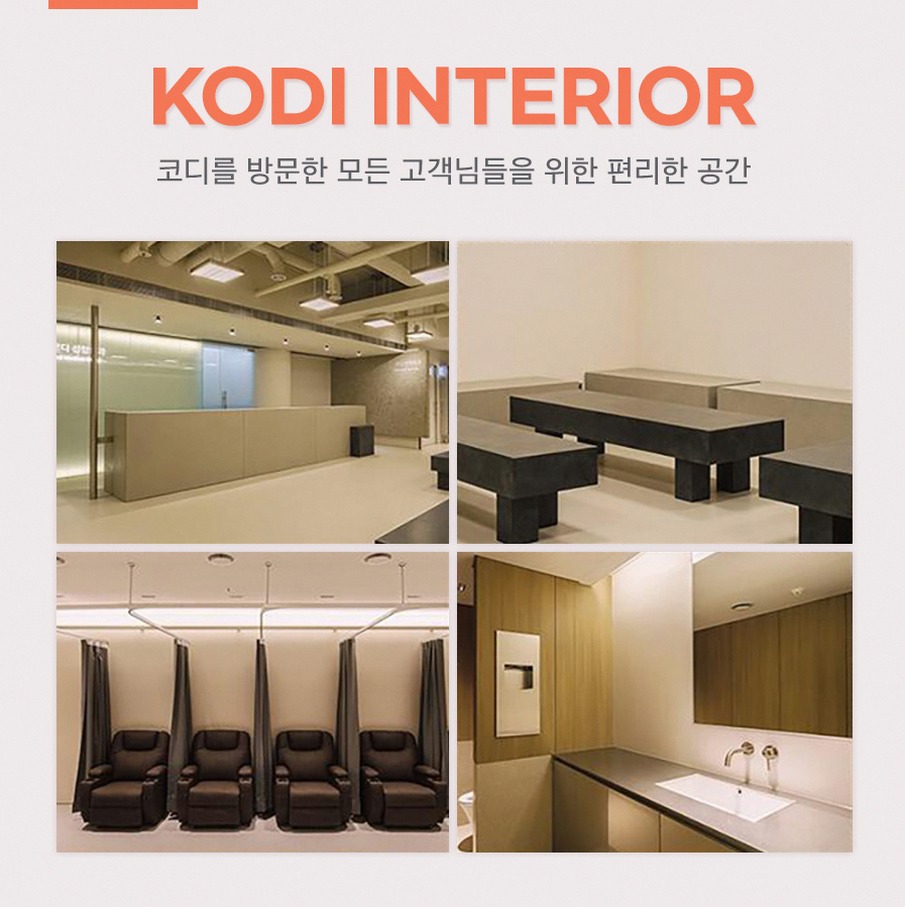
Clean, well-organized treatment rooms and sterile technique
Possibility of communication in your language (English, Chinese, Japanese)
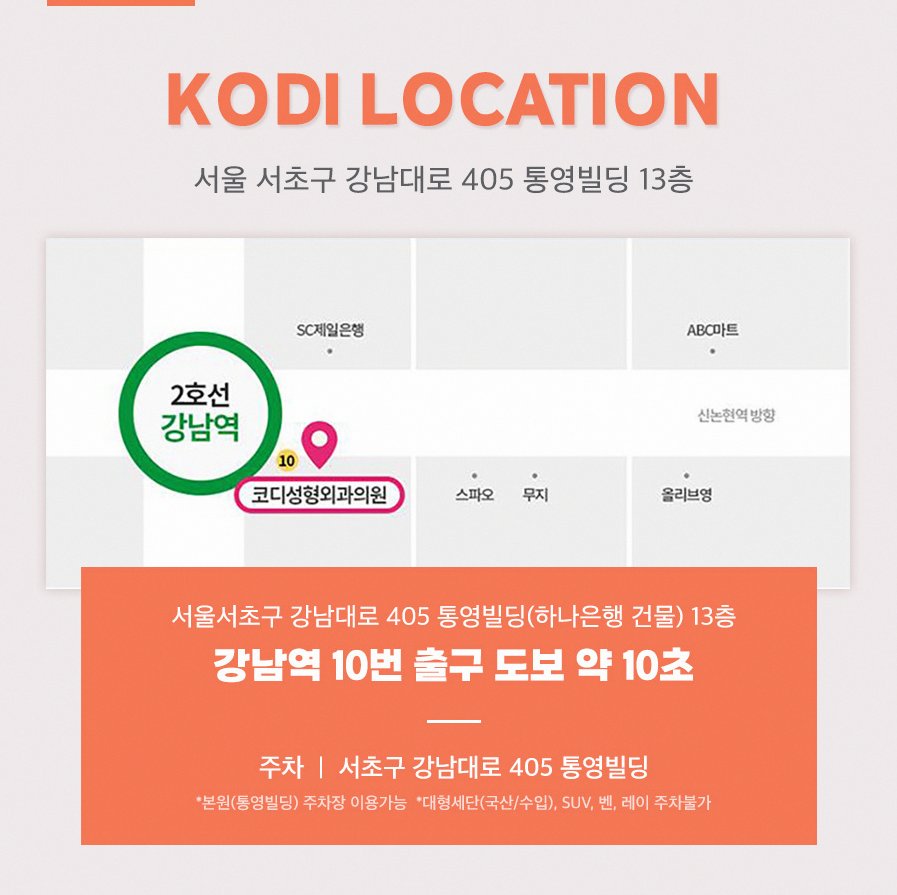
KODI Plastic Surgery is located on the 13th floor of a building on Gangnam-daero in Seocho-gu, within easy reach of Yeoksam-dong and the broader Gangnam area. The clinic focuses on eye surgery and a detailed lineup of area-specific filler procedures, and also offers anti-aging injections such as skin boosters, Botox, PRP fat grafting, and thread lifting. This combination can be convenient if you are planning a comprehensive but still minimally invasive rejuvenation plan.
Visit and consultation information
For overseas patients, it is best to book a consultation in advance, especially if you need an evening or Saturday appointment. Clinics in the Gangnam area typically operate on weekdays, with one or more late evenings, and shorter hours on Saturdays. They are often closed on Sundays and public holidays.
When you contact the clinic, ask for:
Exact address on Gangnam-daero and directions from the nearest subway station
Available languages for consultation and interpretation
Typical waiting times between consultation and treatment
Any documents or test results you should bring with you
A soft call to action is to start with an online consultation. Sharing your photos and travel schedule will help the clinic prepare a realistic skin booster plan tailored to your needs and timeline.
Frequently asked questions
How long does a skin booster session take near Yeoksam-dong?
A typical PN-based skin booster session, including preparation, usually takes around 30 to 60 minutes. This includes time for applying and waiting for the numbing cream to work, the injection process itself, and a short observation period afterward. If you combine the skin booster with other treatments such as fillers or Botox, you should allow more time in your schedule.
Is a Rejuran-type skin booster painful?
Most patients describe the sensation as mild to moderate discomfort, with brief stinging or pressure at each injection point. Topical anesthetic cream is used to reduce pain, and some clinics offer additional pain control options if needed. In a clinic with a full-time anesthesiology and pain medicine specialist, pain management can be tailored more carefully for patients who are very sensitive or anxious.
How soon can I wear makeup after a skin booster injection?
In many cases, light makeup can be applied the next day, once the skin has calmed and any pinpoint bleeding has stopped. However, this can vary depending on your skin type and how your skin reacts to the injections. Your doctor will give you specific instructions; if you have very sensitive skin or more swelling than usual, you may be advised to wait a little longer.
Can I combine a skin booster with filler or Botox in one visit?
Yes, it is common to combine skin boosters with fillers or Botox in a single visit, especially in clinics that specialize in injectable treatments. For example, you might receive a PN-based skin booster for overall texture and glow, fillers for under-eye hollows or nasolabial folds, and Botox for forehead lines. The doctor will assess your face and plan the order of procedures to maintain safety and natural-looking results.
How many skin booster sessions do I need for visible results?
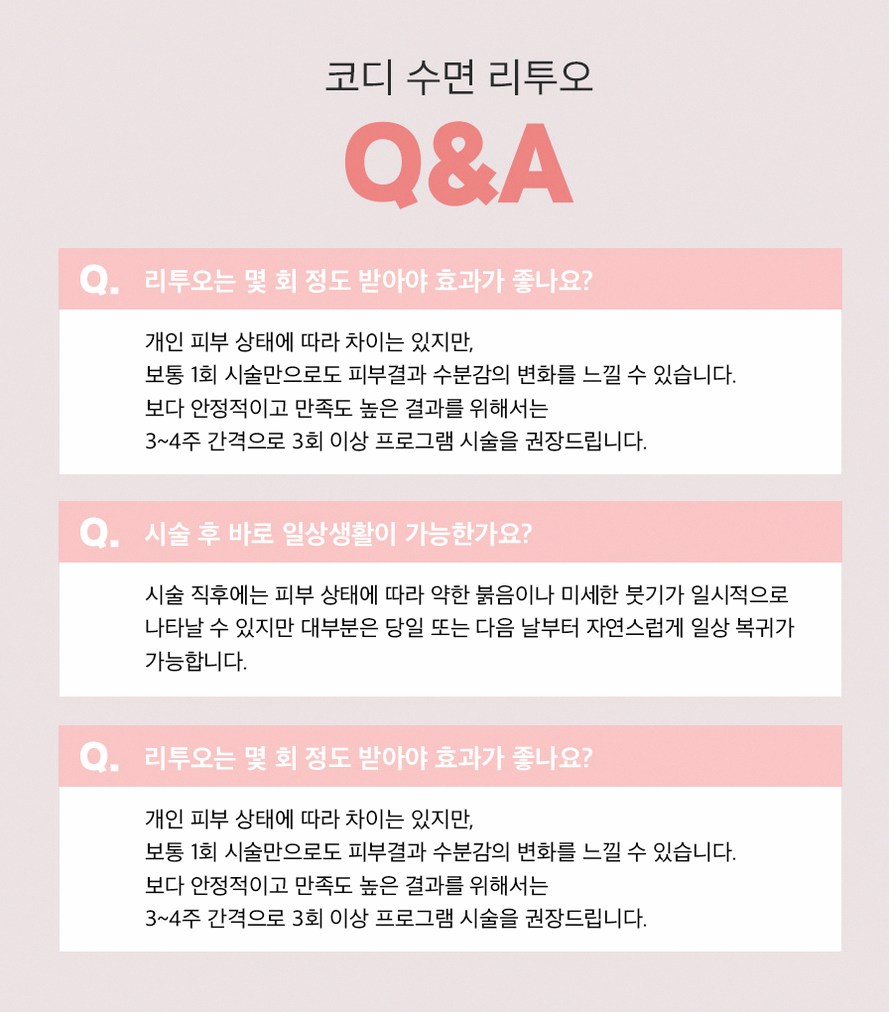
Many people notice some improvement in hydration and texture after the first session, but more visible and longer-lasting changes usually appear after a series of treatments. An initial course of several sessions spaced a few weeks apart is common, followed by maintenance sessions every few months. The exact number depends on your age, skin condition, and goals, so it is important to discuss a personalized plan with your doctor.
This article is for general information only and does not replace a personal consultation with qualified medical professionals. Individual suitability, risks, and results can vary, and all treatment decisions should be made after direct examination and discussion with your medical team.



- 공유 링크 만들기
- X
- 이메일
- 기타 앱


댓글
댓글 쓰기