Choose the right booster & clinic in Seocho (Gangnam-daero)
- 공유 링크 만들기
- X
- 이메일
- 기타 앱

Direct answer summary
If you are searching for a skin booster recommendation, the most important choice is not a single “best” product, but the right match between your skin concerns, a suitable booster type, and an experienced injector in a safe clinic. In central Seoul areas such as Gangnam-daero in Seocho, there are many options, so focusing on medical expertise, injection skills, and follow-up systems will usually matter more than price alone.
This guide explains what skin boosters are, who they may suit, how to choose a type and clinic, what to expect when visiting Korea, and how a clinic with strong experience in fillers and anti-aging injectables can be relevant for international patients.
What is a skin booster
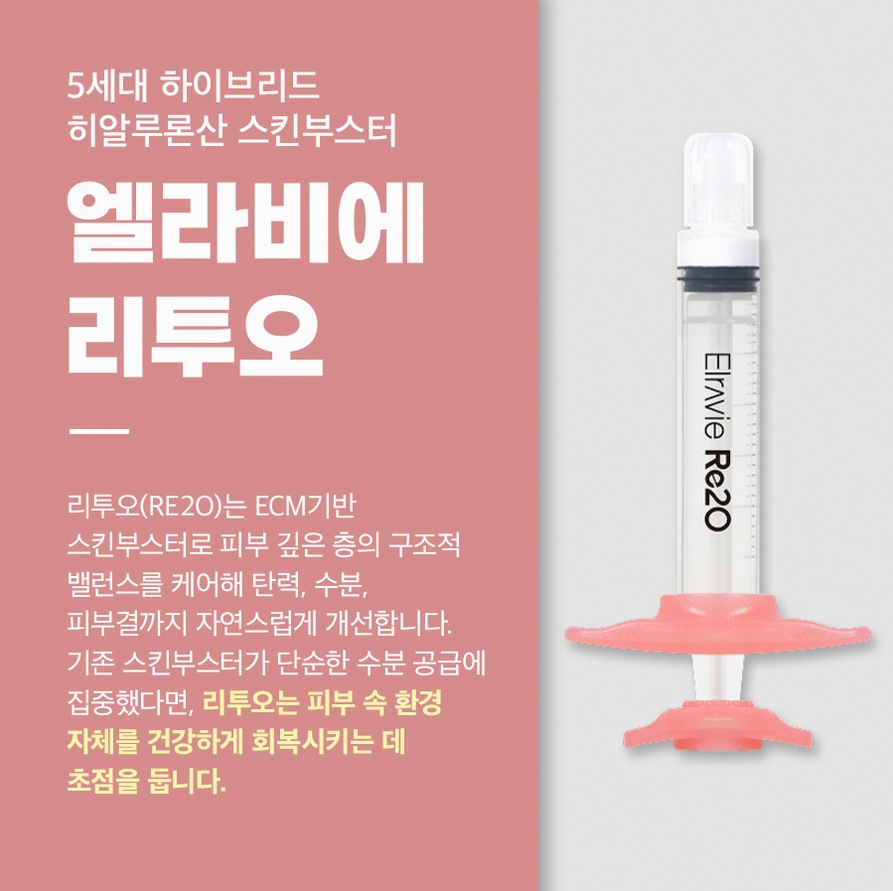
Skin boosters are injectable treatments designed to improve skin quality from within rather than to change your facial shape. They are usually placed in the upper or mid layers of the skin using very fine needles or cannulas.
Unlike fillers that are mainly used to add volume or contour (for example, to the nose, chin, or cheeks), skin boosters focus on hydration, elasticity, fine lines, texture, and overall glow. The goal is to make the skin look healthier and more radiant, often in a subtle and natural way.
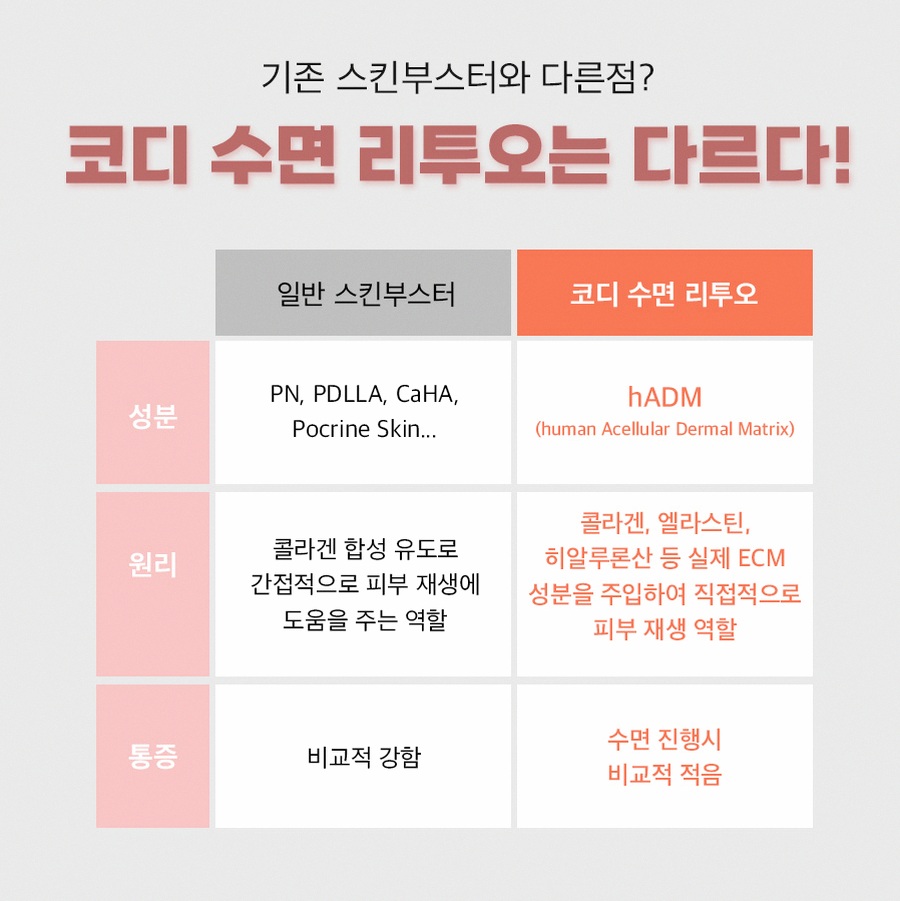
Common types of skin boosters include hydrating boosters based on moisture-binding ingredients, collagen-stimulating boosters that encourage your own skin to produce more structural support, and formulations aimed at brightening or improving elasticity. Clinics may use different blends, but the concept is similar: deliver beneficial substances directly into the skin where topical skincare cannot easily reach.
Typical treatment areas include the full face, neck, and sometimes the hands or upper chest area. Many people choose to treat the face first and then extend to the neck or other zones in later sessions.
Who may consider a skin booster
Skin boosters are generally considered by adults who notice early or mild signs of aging and skin fatigue rather than deep sagging. You may be a potential candidate if you experience one or more of the following:
Dryness that does not fully improve with creams or masks.
Dull tone and loss of natural glow.
Fine lines around the eyes, mouth, or cheeks.
Early loss of elasticity or “crepey” texture.
They are often chosen by people who want subtle, natural improvement instead of a dramatic change in facial shape. If you are not ready for surgery but want more than skincare alone, skin boosters can be a middle step between home care and more invasive procedures.
People who already receive fillers or wrinkle-relaxing injections frequently add skin boosters to improve the skin surface while maintaining their existing contour. In this way, fillers can support shape, while boosters support texture, hydration, and radiance.
How to choose a skin booster type
The right skin booster for you depends on several factors. A proper recommendation should come after a direct consultation, but you can start thinking about your priorities in advance.
Main concern
Hydration: If your skin feels tight, flaky, or rough, a hydrating-focused booster may be suggested. These boosters aim to increase water content in the skin and improve smoothness.
Elasticity and firmness: If your main worry is early sagging or fine crisscross lines, a collagen-stimulating or elasticity-focused booster might be discussed. These are often used in a series of sessions.
Fine lines and texture: If your concern is small wrinkles and uneven texture, a combination approach may be considered, targeting both hydration and structural support.
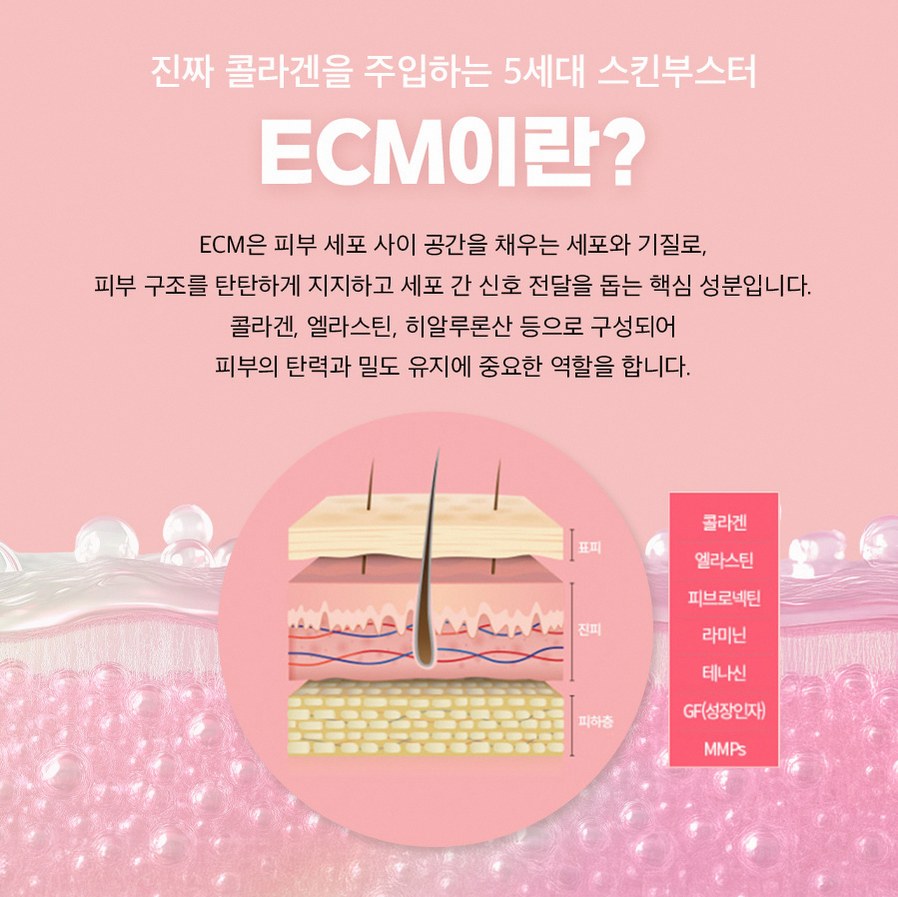
Overall glow and tone: Some boosters are chosen to help improve dullness and support a more even, luminous appearance.
Skin type and sensitivity
Sensitive or reactive skin may need gentler formulations and more conservative injection patterns. If you have a history of allergies, eczema, or other conditions, you should mention this clearly during consultation.
Downtime tolerance
Most skin boosters involve small injection points that can leave tiny bumps, redness, or mild swelling for a short period. These usually settle within a few days. If you have important work or events, your doctor can help you plan the timing and choose a technique that fits your schedule.
Treatment interval and maintenance
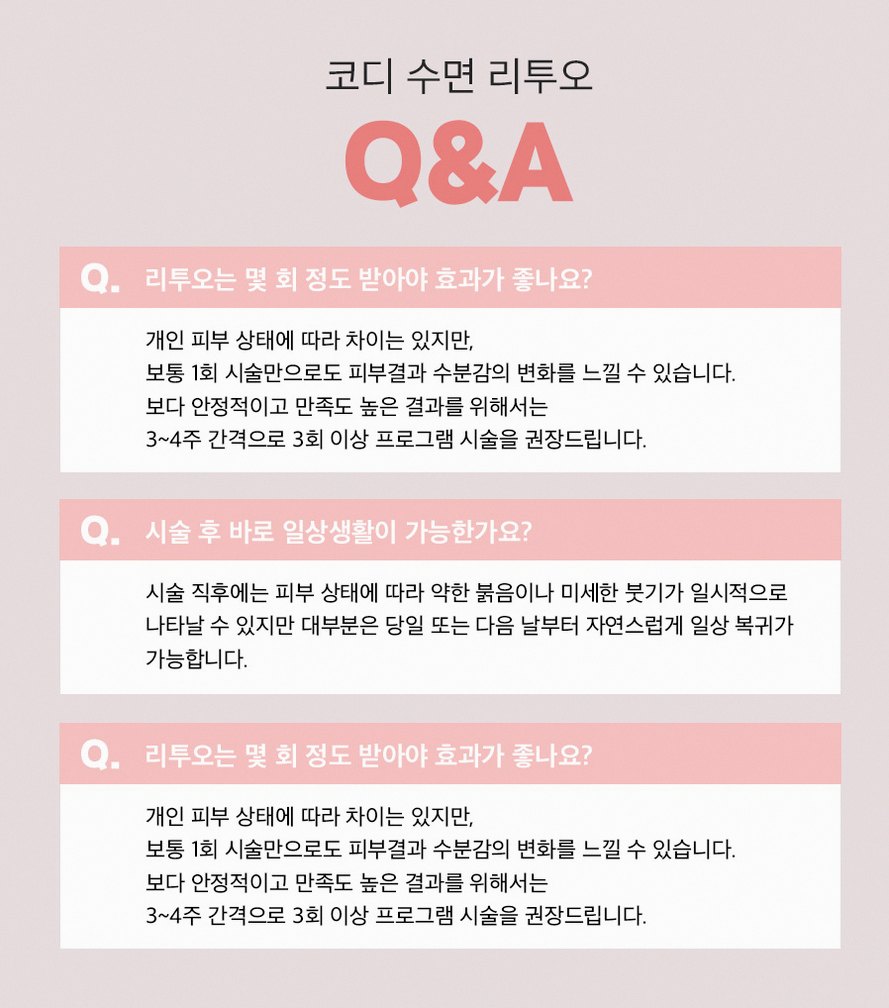
Skin boosters are rarely a one-time procedure. Many protocols use 2–3 initial sessions spaced about 2–4 weeks apart, followed by maintenance sessions commonly every 3–6 months; individual plans vary. During consultation, ask how many sessions are typically recommended for your specific concerns, how long results may last (recognizing this can vary by product and skin), and what maintenance schedule is realistic for your lifestyle and travel plans.
A proper consultation should include a skin assessment, review of your medical history, discussion of medications or supplements, and a clear explanation of what can and cannot be achieved.
How to choose a clinic for skin boosters
When comparing clinics in areas like Gangnam-daero in Seocho, try to look beyond advertisements and focus on the systems behind the treatment.
Injection expertise and anatomy knowledge
Skin boosters are minimally invasive, but they still involve needles entering the skin. Clinics that perform a wide range of facial filler procedures tend to have refined injection techniques and a strong understanding of facial anatomy, including skin layers and blood vessels.
This experience can be helpful in distributing the booster evenly, avoiding overly superficial or deep placement, and reducing the risk of complications such as significant bruising or uneven texture. A clinic with a dedicated facial filler center and detailed filler lineup for areas such as the nose, forehead, cheeks, chin, under-eye region, nasolabial folds, and lips is likely accustomed to tailoring injection depth and technique by zone. The same precision can be applied to skin boosters.
Focused anti-aging lineup
A clinic that concentrates on eye surgery and filler-based anti-aging often develops structured treatment plans that combine different methods. For example, fillers may be used for contouring the cheeks or chin, while skin boosters are applied to improve the overlying skin’s hydration and glow.
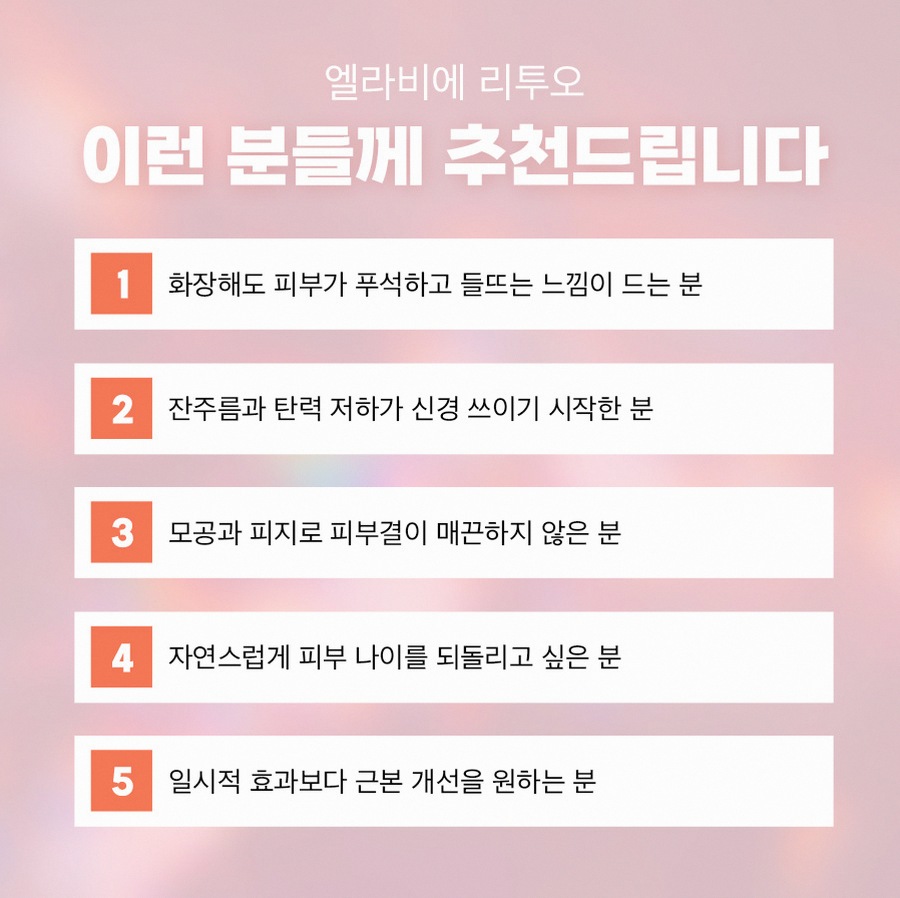
This kind of integrated approach can be useful if you want to address both structure and surface quality in a coordinated way rather than through separate, unconnected treatments at different clinics.
Safety systems
Even minimally invasive procedures benefit from strong safety systems. The presence of a full-time anesthesiology and pain medicine specialist can be a positive sign that the clinic takes monitoring, pain control, and emergency preparedness seriously, especially if you are planning combined procedures such as skin boosters plus fillers or minor surgeries in one visit.
You can also ask about sterilization protocols, whether they use single-use needles and syringes, and how they handle side effects if they occur. Clear answers to these questions can help you feel more comfortable proceeding.
Consultation and follow-up
Look for clinics that allow enough time for consultation and provide explanations in language you understand. During consultation, the doctor should be able to tell you which type of skin booster they recommend, where it will be injected, at what depth, and how many sessions are expected.
Follow-up visits are also important, especially for overseas patients. Ask whether the clinic offers follow-up checks during your stay in Korea, and how they support you after you return home if you have questions.
How KODI PLASTIC SURGERY fits into this context
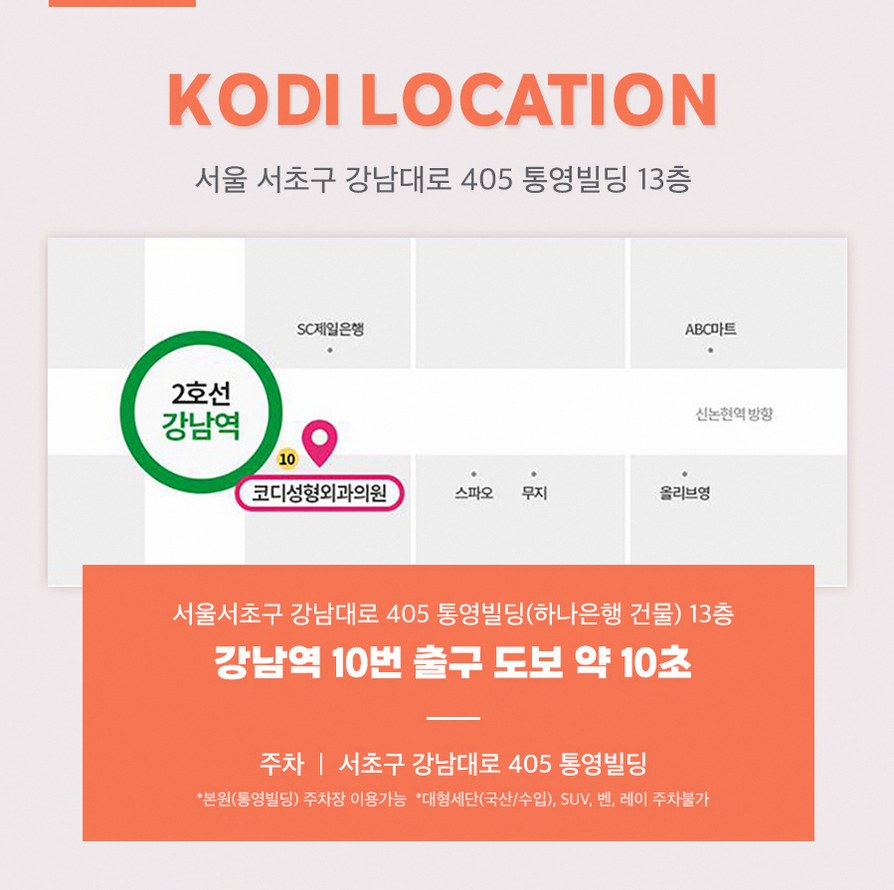
KODI PLASTIC SURGERY is located on the 13th floor of a building on Gangnam-daero in the Seocho district of Seoul, a central medical area that many international visitors find convenient to access.
The clinic’s main focus is eye surgery and filler-based facial contouring, supported by a dedicated facial filler center with a detailed lineup for different facial zones. Multiple board-certified plastic surgeons work together with a full-time anesthesiology and pain medicine specialist, which can be relevant for patients considering combined injectable plans.
For skin booster recommendations, a setting like this can be suitable if you want to coordinate boosters with other anti-aging injectables, such as fillers or wrinkle-relaxing treatments, in a single, structured plan. Doctors who routinely work with specific facial zones can adjust skin booster techniques for areas like the cheeks, under-eye region, or forehead, aiming for natural harmony rather than treating each area in isolation.
Typical skin booster treatment process
While each clinic has its own protocol, the general process for skin boosters often follows these steps.
Consultation and skin analysis
Your visit usually begins with a medical consultation. The doctor or consultant will ask about your main concerns, previous procedures, allergies, medications, and lifestyle. Some clinics may use imaging or skin analysis tools to assess hydration, pigmentation, or texture.
Cleansing and anesthetic
Before injection, your skin is cleansed to reduce the risk of infection. A topical anesthetic cream may be applied to minimize discomfort. In some cases, additional pain control methods can be used, depending on the clinic’s system and your sensitivity.
Injection
The doctor injects the skin booster using very fine needles or a cannula, depending on the technique and area. Small micro-deposits are placed across the treatment zone to create an even distribution. You may feel mild pressure or stinging, but this is usually tolerable with proper numbing.
Cooling and soothing care
After injection, cooling packs or soothing products may be applied to help reduce redness and swelling. The staff will check your condition before you leave.
Aftercare explanation and follow-up schedule
You will receive instructions on what to avoid, how to care for your skin, and when to return for the next session or follow-up check. A typical session may take around 20 to 40 minutes, not including consultation and numbing time. Many protocols recommend several sessions spaced a few weeks apart, followed by maintenance every few months, depending on the product type and your skin response.
Expected results and limitations
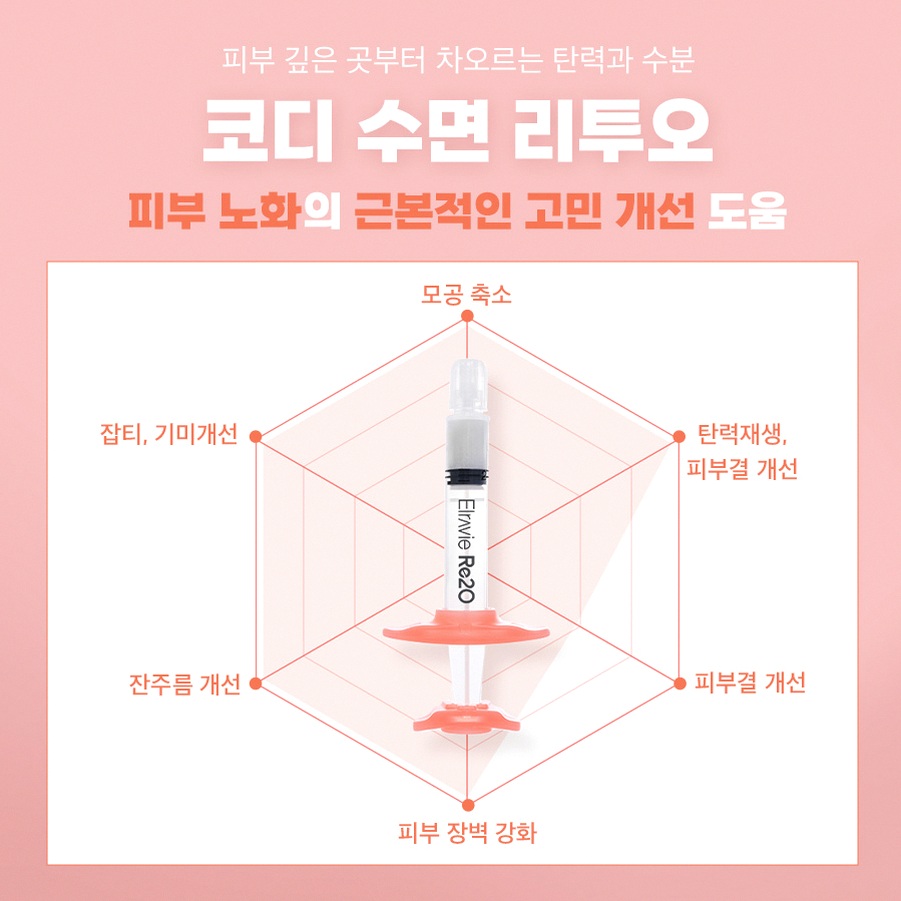
Skin boosters can improve hydration, smoothness, fine lines, and overall radiance. Some people notice a fresher look within days due to increased moisture, while deeper changes in texture or elasticity may develop gradually over several weeks.
Results are not permanent. The duration depends on the formulation, your skin condition, lifestyle factors such as sun exposure and smoking, and how regularly you maintain the treatment. Many patients repeat sessions a few times per year to keep the effect.
It is important to understand the limitations. Skin boosters do not replace surgical lifting or large-volume contouring. They are best suited for improving quality and early signs of aging rather than correcting severe sagging or significant volume loss. A responsible clinic will explain when other approaches may be more appropriate.
Risks, side effects, and aftercare
Like any injectable procedure, skin boosters carry potential side effects. Common temporary reactions include redness, small injection marks, mild swelling, and occasional bruising. These usually settle within a few days.
Less common but more serious risks include infection, persistent nodules, or allergic reactions. Choosing a clinic with experienced injectors, strict sterilization, and clear complication management protocols can help reduce these risks.
Basic aftercare usually includes the following points, though your clinic’s instructions should take priority:
Avoid heavy makeup on the treated area for a short period, often the rest of the day or as advised.
Avoid saunas, very hot baths, and intense exercise for a couple of days to minimize swelling and bruising.
Use gentle skincare without strong acids or irritating ingredients until the skin calms.
Apply sunscreen daily to protect the treated skin.
Contact the clinic promptly if you experience unusual pain, prolonged redness, heat, or lumps.
Online consultation and pre-visit preparation for overseas patients
If you are traveling from overseas to Seoul for skin boosters, an online consultation before booking flights can save time and help align expectations.
During online consultation, you may be asked to send clear photos of your face in natural light from the front and sides. Some clinics also request close-ups of specific concerns, such as under-eye lines or cheek texture. Be honest about any previous procedures, including fillers, lasers, or surgeries, as this can influence your plan.
Before your call or message exchange, prepare a simple list:
Your main priorities in order (for example, “hydration first, then fine lines”).
Any medical conditions, allergies, or medications.
Your available travel dates and how many days you can stay in Seoul.
Whether you are interested only in skin boosters or also considering fillers or other injectables.
Ask the clinic about recommended session numbers, minimum stay in Korea, possible combination treatments, and how they handle follow-up after you return home.
Expected Korea visit timeline for skin boosters
For many international patients, a short stay is enough for initial treatment.
If you plan a single session only, you might:
Day 1: In-person consultation, skin analysis, and first skin booster session.
Day 2–3: Light swelling or redness may be present but usually manageable with basic care. You can often resume sightseeing or work with some makeup, depending on your comfort.
If you plan a series of sessions, some patients schedule two or three visits to Korea over several months, or coordinate boosters with other procedures in one trip. Discuss this with the clinic during online consultation so they can suggest a schedule that fits your travel pattern.
Aftercare for international patients
If you are returning home soon after treatment, ask the clinic to provide written aftercare instructions in a language you understand. Keep their contact information in case you have questions later.
Take photos of your skin at regular intervals after returning home so you can share them if you arrange an online follow-up. If any unusual symptoms appear, contact the clinic and, if needed, seek local medical attention.
Practical checklist when comparing skin booster clinics
When you are comparing clinics in Seoul or elsewhere, this simple checklist can help guide your decision:
Is the consultation done by a qualified doctor, not only by non-medical staff?
Do they clearly explain which type of skin booster they recommend for you and why?
Do they have strong experience with facial injectables such as fillers and other anti-aging injections?
Is there an anesthesiology and pain medicine specialist on staff, or at least a clear safety and emergency protocol?
Are before-and-after photos realistic, without heavy filters or exaggerated promises?
Do they explain the expected number of sessions, maintenance plan, and possible side effects?
Is pricing transparent, with clear information about what is included (consultation, numbing, aftercare)?
If you decide that a central, easily accessible area like Gangnam-daero in Seocho suits your travel plans, you may wish to include clinics with structured filler and anti-aging programs, such as KODI PLASTIC SURGERY, in your initial online inquiries.
Frequently asked questions about skin booster recommendations
What is the best skin booster for first-timers?
There is no single best skin booster for everyone. For first-timers, doctors often recommend a hydrating-focused booster because dryness and dullness are common concerns and the results are easy to notice. However, the ideal choice depends on your skin type, sensitivity, and goals. A direct consultation is necessary to decide which formulation and protocol are most suitable for you.
How long before my trip should I start planning a skin booster in Seoul?
It is wise to start planning at least four to six weeks before your intended travel date. This gives you time to complete an online consultation, share photos, and adjust your itinerary if the clinic suggests multiple sessions or combined treatments. If you want to schedule more than one session during a single trip, you may need a longer stay or multiple visits, so early planning is helpful.
Can I combine skin boosters with fillers in one visit?
In many cases, skin boosters can be combined with fillers during the same visit, depending on your condition and the clinic’s protocol. Clinics experienced in both treatments can design a plan where fillers support contour and skin boosters support texture and hydration. However, the exact order, timing, and areas treated should be decided by the doctor after examining your face and reviewing your medical history.
How long do skin booster results usually last?
The duration of results varies, but many people notice benefits for several months after a full initial series. Hydration and glow may appear quickly, while improvements in texture or elasticity can develop more slowly and may require repeated sessions. Maintenance treatments a few times per year are commonly recommended. Lifestyle factors such as sun protection, smoking, and skincare habits also influence how long the results are visible.
Soft call to action for online consultation
If you are considering a skin booster in Seoul and want a recommendation tailored to your skin, arranging an online consultation with a clinic that regularly performs fillers and anti-aging injectables can be a practical first step. By sharing your concerns, photos, and travel schedule in advance, you can receive a more precise plan and decide whether a clinic in the Gangnam-daero, Seocho area, such as KODI PLASTIC SURGERY, matches your expectations.
Use this guide as a checklist when you contact clinics, and remember that the most suitable skin booster recommendation is a careful balance of product type, medical expertise, safety systems, and realistic communication about what your skin can achieve.


- 공유 링크 만들기
- X
- 이메일
- 기타 앱


댓글
댓글 쓰기