Gangnam chin filler price: expected cost & price drivers
- 공유 링크 만들기
- X
- 이메일
- 기타 앱

Direct answer summary about Gangnam chin filler prices
When you search for Gangnam chin filler price, you will usually find a wide range rather than one clear number. In the Gangnam and Seocho area of Seoul, the fee depends mainly on the brand of hyaluronic acid filler, how many milliliters are needed for your chin, the difficulty of your case, and the experience and safety systems of the clinic. A realistic budget should also include possible touch‑ups and future maintenance sessions, not just the first injection. Because the ideal volume and method differ from person to person, an in‑person consultation is essential before any exact quotation.
This guide explains how chin filler works, what affects the price in the Gangnam area, what is usually included in a reasonable fee, and how to plan your visit to Korea. KODI PLASTIC SURGERY is used as an example of a clinic that focuses on eye surgery and filler procedures, including area‑specific chin filler.
What is chin filler
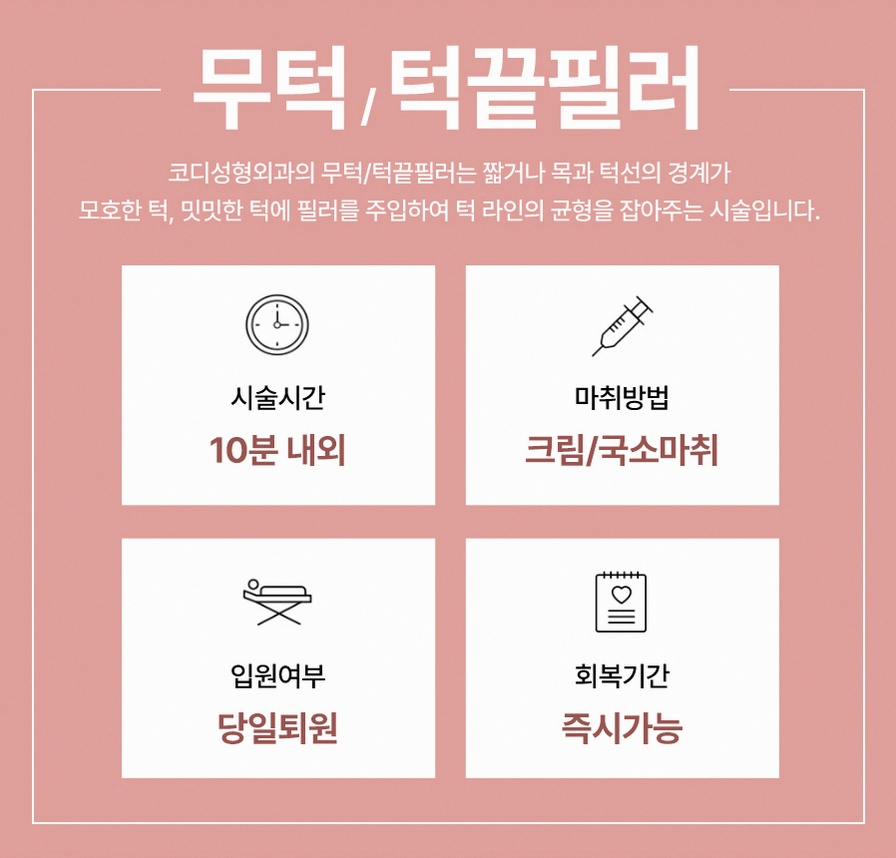
Chin filler is a non‑surgical contouring procedure that uses hyaluronic acid filler to reshape the chin and chin tip. The goal is to improve a weak or receding chin, refine the chin tip, balance the side profile, and sometimes create a slimmer jawline effect.
Unlike surgical chin implants or bone surgery, chin filler does not require incisions or general anesthesia. The filler is injected with a fine needle or cannula and then gently shaped. Downtime is usually short, and most people return to daily activities quickly.
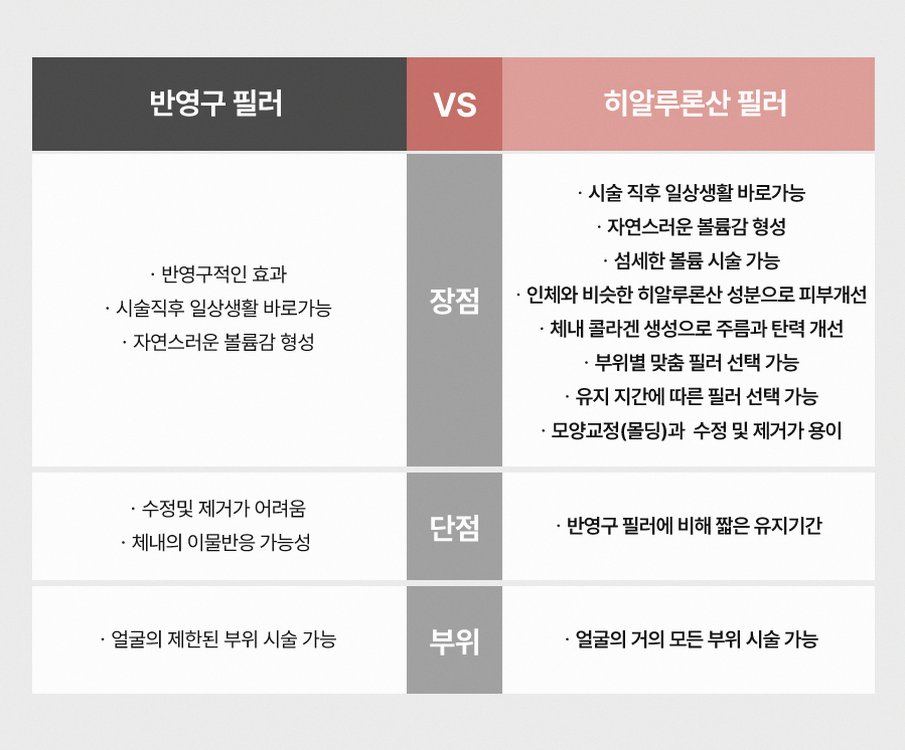
Another important difference is that hyaluronic acid filler is reversible. If necessary, it can be dissolved with a specific enzyme. Surgical implants, in contrast, require another operation if you want to remove or change them.
For many international patients, chin filler in Gangnam is attractive because it offers visible profile improvement in a short trip, with less recovery time than surgery.

Who may consider chin filler
Chin filler may be considered by people who feel that their chin is too short, too round, or receding when viewed from the side. It can also help those who want a slightly sharper V‑line impression without changing the jawbone.
Typical concerns include a weak chin that makes the nose look larger, a round lower face that lacks definition, or a chin tip that is not centered. In some cases, chin filler is combined with jawline or cheek filler for overall balance.
However, not everyone is a good candidate. People with very severe skeletal imbalance, strong bite problems, or unrealistic expectations may be better suited to other treatments. This is why a careful consultation and facial analysis are important before deciding.
How chin filler works in practice
In a usual non‑surgical chin filler session, the doctor first analyzes your face from the front and side. They check the proportion between forehead, nose, lips, and chin, and decide whether to focus on the chin tip, length, or projection.
You and the doctor then discuss your preferred style. Some people want a very subtle, natural enhancement that simply brings the chin into better balance. Others prefer a more defined, sharper V‑line. The plan is adjusted according to your facial structure and preference.
During the procedure, the skin is cleansed and disinfected. A topical anesthetic cream or local anesthesia is used to reduce discomfort. The filler is injected gradually, usually with multiple small injections or via a cannula, while the doctor checks symmetry and contour. After shaping, the area may be cooled briefly to reduce swelling.
Key factors that affect Gangnam chin filler price
When comparing Gangnam chin filler prices, it is helpful to understand what actually drives the cost. The cheapest quote is not always the best value if it compromises safety, product quality, or follow‑up care.
Filler type and brand
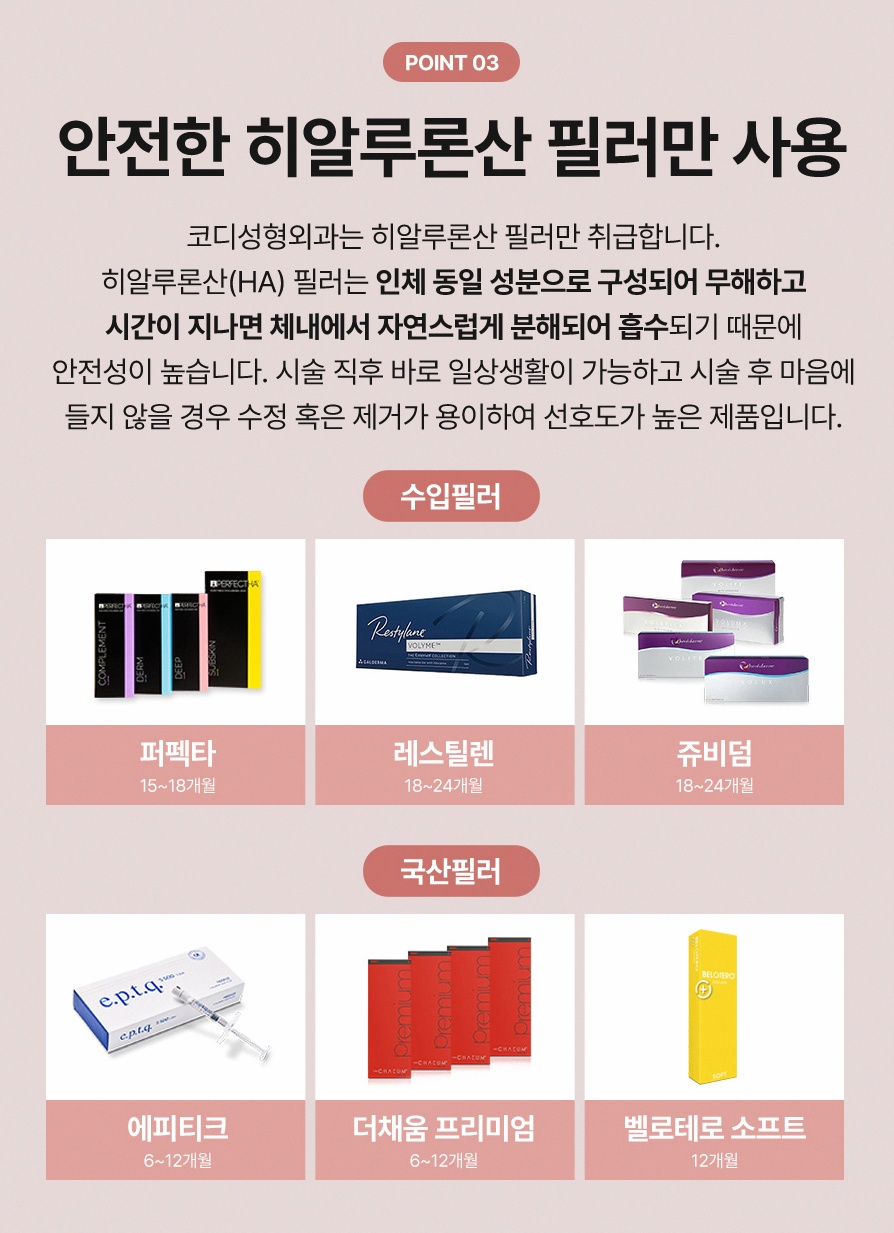
Different hyaluronic acid fillers have different levels of cross‑linking, firmness, and longevity. For the chin, a filler with enough structure to hold projection is usually chosen. Premium brands often have more clinical data, longer duration, and established safety records, which can increase the price.
Clinics in Gangnam commonly offer more than one filler option. A higher‑priced filler may last longer or provide a more stable shape, which can affect your long‑term cost if you need fewer maintenance sessions.
Amount of filler used
Chin filler is usually calculated in milliliters. A person with a mildly weak chin may need a smaller volume, while someone with a very receding chin or combined chin and jawline contouring may need more.
Because volume directly affects cost, two people treated at the same clinic with the same brand can still pay different amounts. This is one reason why online price lists can only give a rough starting point.

Case difficulty and design
If you have noticeable asymmetry, a very short chin, or previous filler that needs correction, the case can be more complex. The doctor may need more time, more detailed planning, or a staged approach. This can influence the fee.
Combining chin filler with other areas, such as jawline or lips, may also change the total cost. Some clinics offer package pricing when multiple areas are treated together, while others charge strictly by volume.
Doctor’s experience and specialization
In the Gangnam and Seocho area, many clinics offer filler injections, but the level of experience and specialization varies. A doctor who performs filler procedures regularly and has a strong understanding of facial anatomy and aesthetics may charge more than a beginner.
While this can raise the initial fee, it may reduce the risk of overfilling, asymmetry, or the need for frequent corrections. For a central facial area like the chin, many patients consider this an important part of overall value.
Follow‑up and aftercare included
Some clinics include follow‑up visits, minor touch‑ups within a certain period, and side‑effect management in their standard chin filler price. Others may charge separately for each additional visit or correction.
When you compare Gangnam chin filler prices, ask what is included in the quote. A slightly higher fee that covers structured aftercare can be more cost‑effective than a low initial price with extra charges later.
Warning about extremely low prices
If you see chin filler prices that are dramatically lower than most clinics in Gangnam, it is wise to ask why. Possible reasons include the use of non‑genuine or unapproved filler products, very short consultation times, or limited safety systems.
For international patients, it can be difficult to judge quality from abroad. Focusing only on the lowest price can increase the risk of complications or unsatisfactory results. A balanced approach that considers both cost and safety is recommended.
What is usually included in a reasonable chin filler fee
Although each clinic has its own policy, a reasonable chin filler fee in Gangnam generally covers several steps.
Pre‑treatment consultation and facial analysis
This is where the doctor listens to your concerns, checks your facial proportions, and explains what chin filler can and cannot do. Photos from the front and side are often taken. The doctor may also discuss alternative or additional treatments if needed.
Filler selection and treatment plan
The doctor chooses the filler type and volume suitable for your chin and skin condition. They explain the expected duration, possible need for maintenance, and how the filler will be placed to achieve your goals.

Injection procedure
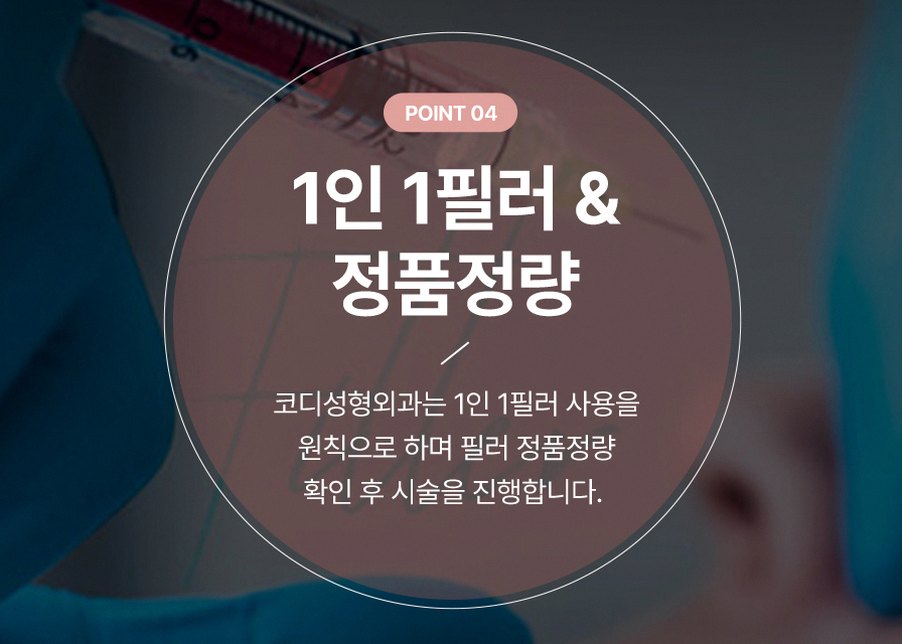
The actual injection is performed by a qualified specialist. This includes cleansing, anesthesia, injection, and shaping. The clinic should show you the filler packaging before use so you can confirm the product.
Immediate monitoring and follow‑up
After the procedure, there is usually a short observation period. The staff checks for immediate reactions and explains home care instructions. A follow‑up visit may be scheduled to review the result, especially for first‑time patients.
Management of side effects or touch‑ups
Mild swelling or bruising is common and usually resolves on its own. If there is asymmetry or minor under‑correction, some clinics offer small touch‑ups. Clear communication about how side effects and adjustments are handled is an important part of understanding the real cost.
Treatment process step by step
Step 1: Consultation and diagnosis
During consultation, the doctor evaluates the relationship between your nose, lips, and chin from both front and profile views. They determine whether your main issue is lack of length, lack of projection, or a round chin tip.
You can show reference photos to explain your preferred style, but the final plan should be adapted to your own bone structure. The doctor should also review your medical history, allergies, and any previous filler or surgery.
Step 2: Treatment planning
Next, the doctor decides where to place the filler and how much to use. They may mark injection points on the skin. You are informed about the expected duration of effect, possible swelling, and when you can resume normal activities.
For overseas patients, this is also the time to discuss your travel schedule, including how many days you will stay in Korea and when follow‑up can be done.
Step 3: Procedure day
On the day of the procedure, your chin and surrounding area are cleansed and disinfected. A topical anesthetic cream or local injection is applied to reduce pain. The doctor then injects the filler slowly, checking the shape from different angles.
The entire injection process is usually short, but the doctor may take extra time to refine the contour. After shaping, the area may be cooled with a pack to minimize swelling.
Step 4: Aftercare and instructions
Before you leave, the clinic explains what to expect over the next few days. Mild swelling, redness, tenderness, or small bruises are common and typically improve within several days.
You are advised to avoid strong pressure on the chin, intense exercise, and extreme heat such as saunas for a short period. The clinic should also tell you which symptoms are warning signs that require immediate contact, such as severe pain, sudden color change, or strong asymmetry.

Safety, risks, and why clinic choice matters
Even though chin filler is non‑surgical, it is still a medical procedure with potential risks. Understanding these helps you choose a clinic more safely.
Common temporary reactions
After chin filler, you may experience swelling, redness, mild bruising, and tenderness around the injection sites. These are usually temporary and improve within days.
Some people notice that the chin feels firm or slightly uneven when touched at first. As the swelling settles and the filler integrates, this often becomes smoother.
Possible complications
Less common but more serious complications include overfilling, noticeable asymmetry, lumpiness, or infection. Very rarely, vascular complications can occur if filler is injected into or presses on a blood vessel. This may cause pain, color change, or tissue damage if not treated quickly.
Because of these possibilities, it is important that the procedure is performed by a board‑certified specialist familiar with facial anatomy, using genuine, approved filler products.
Importance of safety systems
Beyond the doctor’s skill, the clinic should have systems in place to respond to emergencies. This can include having emergency drugs, monitoring equipment, and clear protocols.
KODI PLASTIC SURGERY, for example, has a team of three plastic surgery specialists and one anesthesiology and pain medicine specialist. The presence of a full‑time anesthesiology specialist can be reassuring for patients who are concerned about pain control, monitoring, and emergency response, even for non‑surgical procedures like chin filler.
How KODI PLASTIC SURGERY fits into the Gangnam chin filler scene
KODI PLASTIC SURGERY is located on Gangnam‑daero in Seocho‑gu, Seoul, on the 13th floor of Tongyeong Building. This makes it convenient for people searching specifically for chin filler in the Gangnam area.
The clinic focuses on eye surgery and filler procedures as its two main pillars. Its filler lineup is segmented by facial area, including nose, forehead, cheeks, chin and chin tip, under‑eye, nasolabial folds, and lips. Chin filler is positioned as part of this area‑specific customized filler system, which can help with more precise lower‑face design.
For international patients, it can be helpful to know that the clinic operates English, Chinese, and Japanese language pages, which may make online research and communication easier.
How to prepare for an online consultation about chin filler
Before you travel to Korea, an online consultation can help you understand whether chin filler is suitable for you and what kind of budget to expect.
Tips for pre‑visit preparation
Prepare clear photos of your face from the front, 45‑degree angle, and side, taken in good lighting without filters. Make a list of your main concerns and what you hope to change. Note any previous fillers, surgeries, or medical conditions.
Write down practical questions, such as how many days you should stay in Seoul, when follow‑up is needed, and what to do if swelling lasts longer than expected. This helps you use your consultation time efficiently.
Information to request from the clinic
Ask which filler brands are used for the chin and whether you can choose between them. Confirm that the doctor performing the procedure is a board‑certified specialist. Ask how many milliliters are typically used in cases similar to yours and how often maintenance is usually needed.
You can also ask about safety systems, including the presence of an anesthesiology specialist, monitoring equipment, and emergency protocols. Finally, clarify what is included in the quoted price: consultation, procedure, follow‑up, and potential touch‑ups.
Typical Korea visit timeline for chin filler
For most overseas patients, chin filler can be planned within a relatively short stay in Seoul.
Day 1: In‑person consultation
On your first day, you meet the doctor, have your face examined, and confirm the treatment plan that was discussed online. If everything is suitable and you are ready, the procedure may be done on the same day.
Day 1 or Day 2: Procedure
The actual injection usually takes a short time, but you should allow extra time for preparation, consultation, and post‑procedure observation. Many patients feel comfortable returning to the hotel or going for light activities afterward.
Days 2–3: Early recovery
Mild swelling or bruising may be noticeable during this time. It is advisable to avoid heavy exercise, alcohol, and strong pressure on the chin. Most people can move around the city normally and enjoy light sightseeing.
Days 4–7: Settling period
Swelling typically decreases, and the chin contour becomes clearer. If your schedule allows, a short follow‑up visit before leaving Korea can be helpful to confirm that everything is progressing well.
If you cannot stay long enough for a follow‑up, ask the clinic how to send photos later and what to do if you notice any issues after returning home.
Aftercare and longevity of chin filler
How long chin filler lasts varies by filler type, amount, injection depth, and individual metabolism. In general, chin filler can last from several months to over a year.
Basic aftercare tips
Avoid pressing, massaging, or sleeping face‑down on your chin for a certain period after the procedure. Refrain from saunas, hot baths, and very intense exercise immediately after treatment, as heat and high blood flow can increase swelling.
Do not apply unapproved creams or massages to the area without checking with the clinic. If you notice unusual pain, sudden color change, or severe swelling, contact the clinic immediately.
Planning for maintenance
Because hyaluronic acid filler is gradually absorbed by the body, maintenance sessions are usually needed to keep the desired chin shape over time. When you think about Gangnam chin filler price, it is helpful to consider the long‑term cost of these maintenance visits.
Some people prefer smaller, more frequent touch‑ups to keep the result very stable, while others wait until most of the effect has faded. Discuss your lifestyle, travel plans, and budget with the doctor to find a realistic schedule.
How to choose a Gangnam chin filler clinic
When comparing clinics in Gangnam and Seocho, a simple checklist can help you look beyond the headline price.
Key points to check
Confirm that the procedure will be performed by a board‑certified specialist. Ask which filler brands are used, and make sure the clinic is willing to show the product packaging before injection.
Check whether the consultation includes analysis of your entire face, not just the chin. A well‑balanced result often requires considering the nose, lips, and jawline together.
Safety and convenience
Ask about safety systems, such as monitoring equipment, emergency drugs, and the presence of an anesthesiology specialist. Clinics like KODI PLASTIC SURGERY, which have a resident anesthesiology and pain medicine specialist, can offer additional reassurance for patients who are sensitive to pain or worried about emergencies.
Finally, consider practical points: operating hours, language support, and how easily you can contact the clinic after you return to your home country.
FAQ about Gangnam chin filler price and treatment
What is the usual price range for chin filler in Gangnam and why does it vary so much?
Clinics in the Gangnam and Seocho area offer a wide price range for chin filler because many factors are involved. The main reasons for variation are the filler brand, the amount used, the doctor’s experience, and what is included in the fee, such as follow‑up and touch‑ups.
Premium fillers with longer duration and strong safety data usually cost more. Cases that require more volume or complex correction also increase the price. When comparing quotes, ask for details rather than focusing only on the lowest number.
How many milliliters of filler are typically needed for a receding chin?
The volume needed depends on how receding the chin is, your overall facial proportions, and whether you are also treating the jawline. Mild cases may need a smaller amount, while more pronounced receding chins can require more to achieve balanced projection.
Because of these individual differences, only a direct examination can provide a realistic estimate. During consultation, the doctor can show you on a diagram or model how volume relates to projection so you understand why a certain amount is recommended.
How long does chin filler last and how often will I need touch‑ups?
Chin filler made from hyaluronic acid generally lasts from several months to over a year, depending on the product, volume, and your metabolism. Areas with less movement, like the chin, may hold filler longer than very mobile areas.
Some patients choose touch‑ups before the filler is completely absorbed to maintain a stable shape. Others wait until they feel the effect has faded. Your doctor can suggest a maintenance schedule that fits your travel plans and expectations.
Is chin filler painful and what kind of anesthesia is used?
Most people describe chin filler as mildly to moderately uncomfortable rather than very painful. Clinics usually apply topical anesthetic cream and may also use local anesthesia injections to reduce sensation.
Some fillers contain lidocaine, a numbing agent, which makes the injections more comfortable as the procedure continues. Clinics with an anesthesiology specialist can offer more structured pain control and monitoring, which can be reassuring if you are sensitive to pain.
Can chin filler be dissolved or reversed if I do not like the result?
Yes, hyaluronic acid chin filler can usually be dissolved with an enzyme injection if medically appropriate. This process breaks down the filler more quickly than natural absorption.
However, dissolving also has its own risks and may require multiple sessions. It is better to aim for a conservative, well‑planned result from the beginning, with a doctor who is experienced in chin shaping.
What are warning signs of complications after chin filler?
Warning signs include severe or increasing pain, sudden color change of the skin, especially to a pale or dark tone, strong asymmetry that appears quickly, or large, tense swelling. These can indicate vascular or other complications that need urgent attention.
If you notice any of these signs, contact the clinic immediately or seek emergency care. For this reason, it is important to choose a clinic that provides clear after‑hours contact information and has systems in place to manage complications.
How is chin filler different from jawline filler or surgical chin implants?
Chin filler focuses mainly on the chin and chin tip, improving projection and shape without surgery. Jawline filler targets the line from the chin toward the ear to create a more defined angle or slimmer look.
Surgical chin implants or bone surgery change the underlying structure more permanently and require longer recovery. Chin filler offers a reversible, non‑incisional option with shorter downtime, which is often suitable for overseas visitors with limited time in Korea.
Soft call to action for online consultation
If you are considering chin filler in the Gangnam area and want to understand realistic pricing, treatment options, and whether it suits your facial structure, an online consultation can be a helpful first step. You can share photos, discuss your goals, and receive guidance on expected volume, visit schedule, and budget.
Clinics such as KODI PLASTIC SURGERY, with a focus on eye and filler procedures and area‑specific filler menus including the chin and chin tip, can provide structured advice for international patients. Before you book a flight, take time to ask detailed questions so you can plan your treatment and travel with confidence.




- 공유 링크 만들기
- X
- 이메일
- 기타 앱


댓글
댓글 쓰기