How to Choose a Skilled Clinic
- 공유 링크 만들기
- X
- 이메일
- 기타 앱

Direct answer for patients searching in Yeoksam-dong
If you are looking for the best under-eye hollow filler clinic in Yeoksam-dong, the most important factors are not flashy photos or low prices, but the medical team’s experience with the delicate eye area, careful planning for natural results, and clear safety systems. In the Gangnam main road corridor around Yeoksam-dong, you will find clinics such as KODI PLASTIC SURGERY that focus strongly on eye-area procedures and facial fillers, which can be an advantage when treating sunken under-eyes.
This guide explains what under-eye hollow filler actually does, how to judge whether a clinic is truly skilled with this area, what to expect from the procedure and aftercare, and how to plan a visit to Korea as an overseas patient.
What under-eye hollow filler actually does
Under-eye hollowing, sometimes called a tear trough deformity, appears as a groove or dent between the lower eyelid and the upper cheek. This groove catches shadows and makes dark circles and a tired look more noticeable, even when you are well rested.
Under-eye filler aims to gently restore volume along this groove and the surrounding area. By filling the transition between the eyelid and cheek, the shadow becomes softer, and the face can look more awake and less sunken.
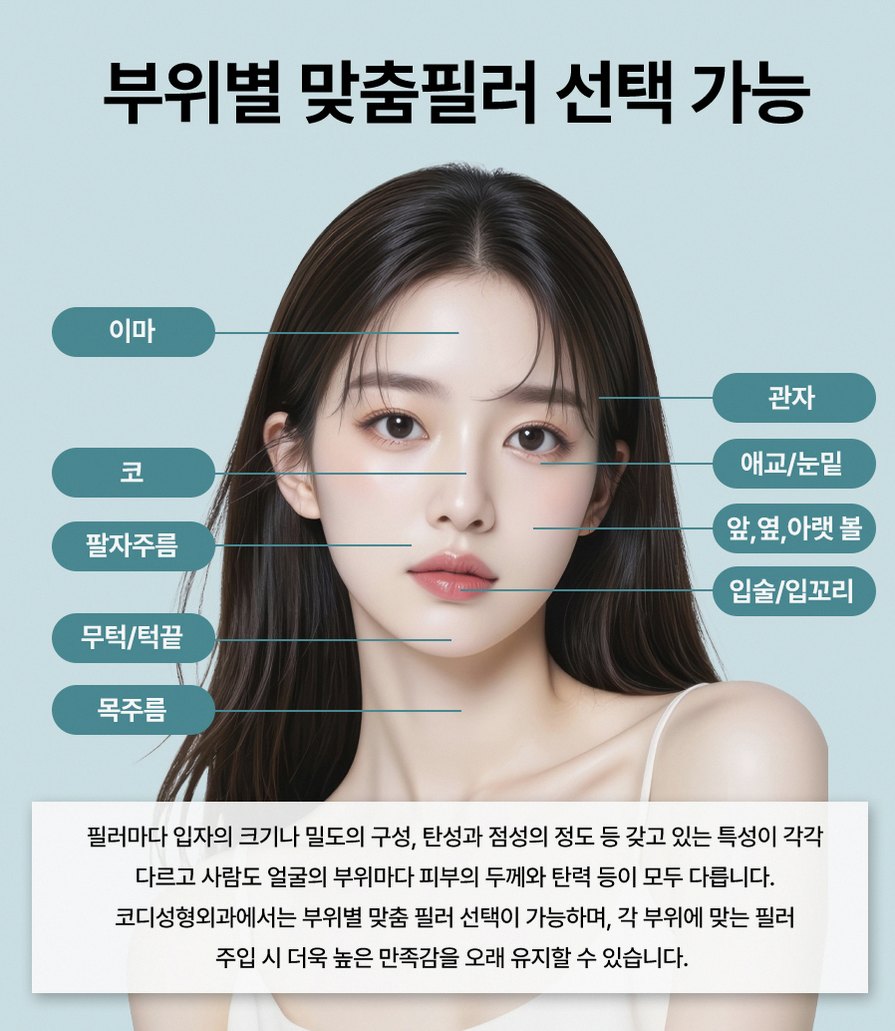
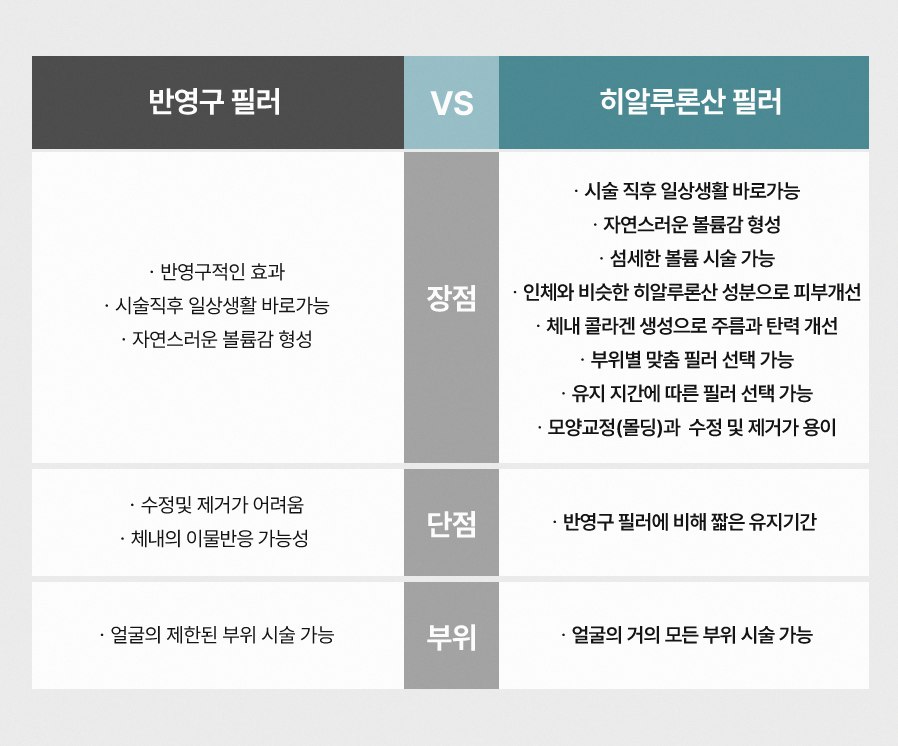
It is important to distinguish between two related but different concepts: under-eye hollow filler and aegyo-sal filler. Under-eye hollow filler targets the deeper groove and volume loss. Aegyo-sal filler focuses on the small natural roll of tissue right under the lower eyelashes, which is associated with a youthful, smiling look. Some patients need only hollow correction, some only aegyo-sal, and some a combination. A good clinic will explain clearly which area they plan to treat and why.
Expectations should be realistic. Filler can improve shadows caused by hollowness and can soften the tired impression. However, it may not fully correct dark circles caused mainly by pigment in the skin, visible veins, or very loose, wrinkled skin. In those cases, other treatments or combination approaches may be recommended.
Why the under-eye area requires a specialist
The area under the eyes is one of the most delicate parts of the face. The skin is thin, the space is tight, and there is a rich network of blood vessels and ligaments close to the eye itself. This means that under-eye filler carries higher technical demands and higher risk than filler in broader areas like the cheeks.
If filler is placed poorly, several problems can occur. Common issues include prolonged swelling, visible lumps, or a bluish-grey shine called the Tyndall effect when filler is injected too superficially. Asymmetry between the two sides can also happen if the injector does not carefully balance volume and depth.
More serious but rare complications involve blood vessels. If filler blocks a vessel, it can affect the skin or, in extreme cases, vision. For this reason, under-eye filler should be performed by someone who understands lower eyelid anatomy in detail, including the tear trough ligament, fat pads, and the transition between eyelid and cheek.
Clinics that focus on eye surgery and eye-area procedures often have a deeper understanding of this anatomy. When that focus is combined with a structured approach to facial fillers, it can improve both safety and aesthetic judgment in the under-eye region.
How to choose a good under-eye filler clinic in Yeoksam-dong
Yeoksam-dong and the surrounding Gangnam main road corridor are convenient for residents, office workers, and international visitors staying nearby. Many clinics offer filler here, but not all have the same level of experience with the under-eye area.

When comparing clinics, it can help to look beyond location and discounts and focus on the following points.
First, check who actually performs the injections. Clinics where board-certified plastic surgeons perform filler procedures often have stronger training in facial anatomy and surgical alternatives. This can be particularly important when deciding whether filler is truly suitable for your under-eye condition.
Second, look at the clinic’s focus. A place that concentrates on eye plastic surgery and facial filler contouring, rather than offering an extremely broad and unrelated menu, is more likely to have accumulated experience in delicate eye-area work. Dedicated centers for eye surgery revision and facial filler suggest that the team regularly handles complex or subtle cases.
Third, see whether the clinic uses an area-specific filler plan. This means they distinguish clearly between under-eye hollow, aegyo-sal, cheeks, nasolabial folds, lips, and so on, rather than simply selling a fixed volume of filler to be used anywhere. Area-based planning usually leads to more precise, natural results.
Fourth, consider safety systems. The presence of an in-house anesthesiology and pain medicine specialist, or at least clear protocols for monitoring, pain control, and emergency response, is a positive sign. Even though under-eye filler is a minimally invasive procedure, rapid recognition and management of complications is essential.
Finally, review the way the clinic presents results. Realistic before-and-after photos, clear explanations of limitations, and honest discussion of possible side effects are more reliable than heavily edited images and promises of dramatic change.
What to expect during an under-eye filler procedure
For international patients, understanding each step of the process can reduce anxiety and help with planning.
Before the procedure, you will have a consultation. The doctor will assess how hollow your under-eyes are, whether there is bulging fat, how elastic your skin is, and how your midface volume looks overall. They may explain that if you have very prominent eye bags or severe skin laxity, surgery or a combined approach might be more appropriate than filler alone.

If filler is suitable, the next step is planning. This includes choosing the type of filler, deciding the injection depth and path, and estimating the amount needed. Under-eye filler is usually done with softer, more flexible products and in conservative amounts to avoid a puffy look. The doctor should explain what degree of improvement you can expect and how long it may last in your case.
On the treatment day, the under-eye area is cleansed thoroughly. Topical numbing cream is often applied, and in some cases local anesthesia injections are used as well. Some clinics may offer light sedation for anxious patients, which requires proper monitoring.
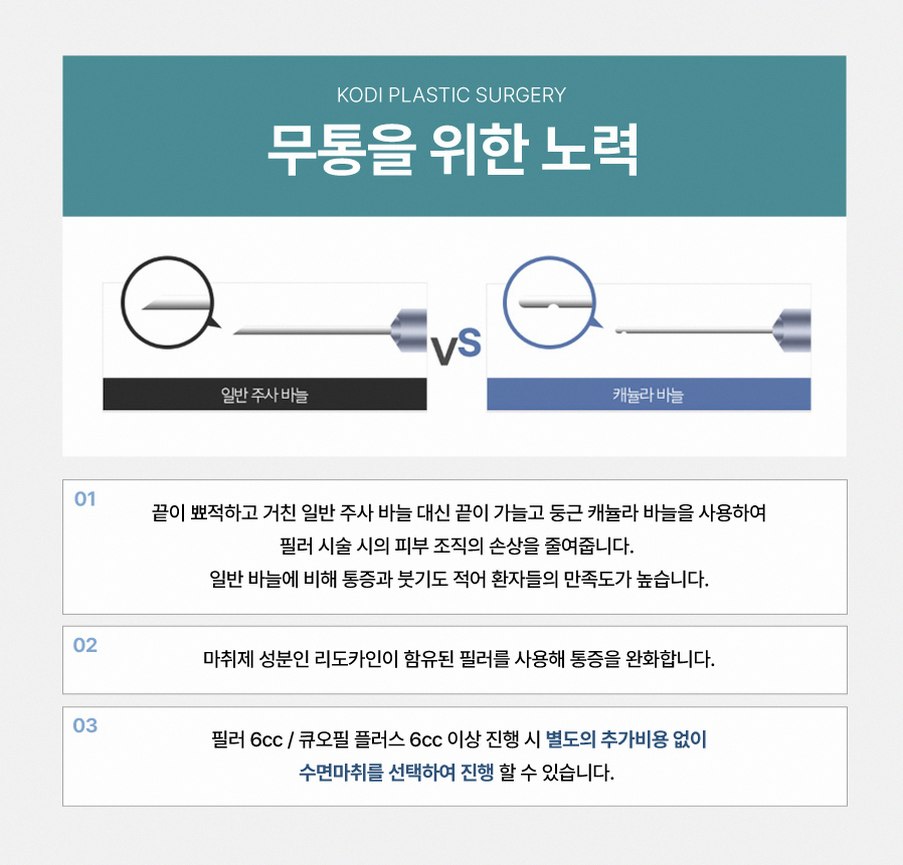
The injector may choose a fine needle or a blunt-tipped cannula. Cannulas can reduce the risk of bruising and vessel injury in some cases, but the choice depends on the doctor’s technique and your anatomy. Injections are usually done slowly, with frequent checks in a seated or semi-seated position so the doctor can see how the filler behaves under natural gravity.
During the procedure, the team should be alert for any unusual pain, sudden whitening of the skin, or visual symptoms. Having clear monitoring and response protocols is part of a safe system.
Immediately after the injections, gentle cooling may be applied. You will receive instructions about how to sleep, how to cleanse your face, and what activities to avoid for a short period.
Who may consider under-eye filler
Under-eye hollow filler can be a good option for people with mild to moderate hollowness who want a non-surgical solution.
Good candidates typically have a visible groove or sunken look under the eyes, relatively firm skin without severe sagging, and only mild to moderate bulging fat. They are usually seeking a fresher, less tired appearance rather than a dramatic transformation.
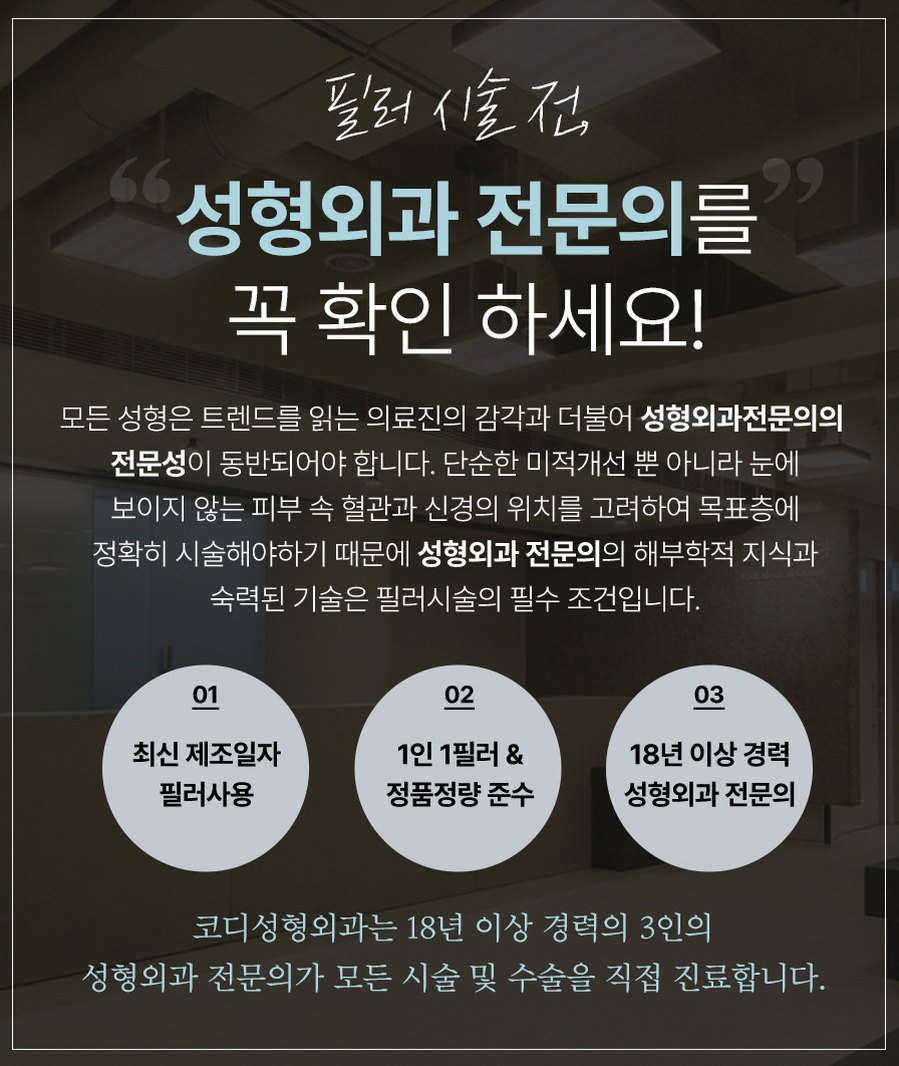
People who are less suitable for under-eye filler alone include those with very prominent eye bags, very loose or crepey skin, or dark circles mainly due to strong pigmentation. In those cases, filler may not give satisfying results by itself, and the doctor may suggest surgical options such as fat repositioning, skin tightening, or other combined treatments.
A clinic experienced in both eye surgery and filler can help you decide whether filler alone is appropriate or whether a different approach would be safer and more effective.
Safety systems and medical team considerations
When you are choosing a clinic in Yeoksam-dong or the wider Gangnam area, it is helpful to think in terms of systems, not just individual skills.
Having multiple board-certified plastic surgeons in one clinic allows for peer discussion, shared protocols, and consistent standards in treatment planning. This can be especially valuable for complex or revision cases.
An in-house anesthesiology and pain medicine specialist adds another layer of safety. Even for filler procedures, this specialist can help optimize pain control, manage sedation if used, and oversee emergency response systems.
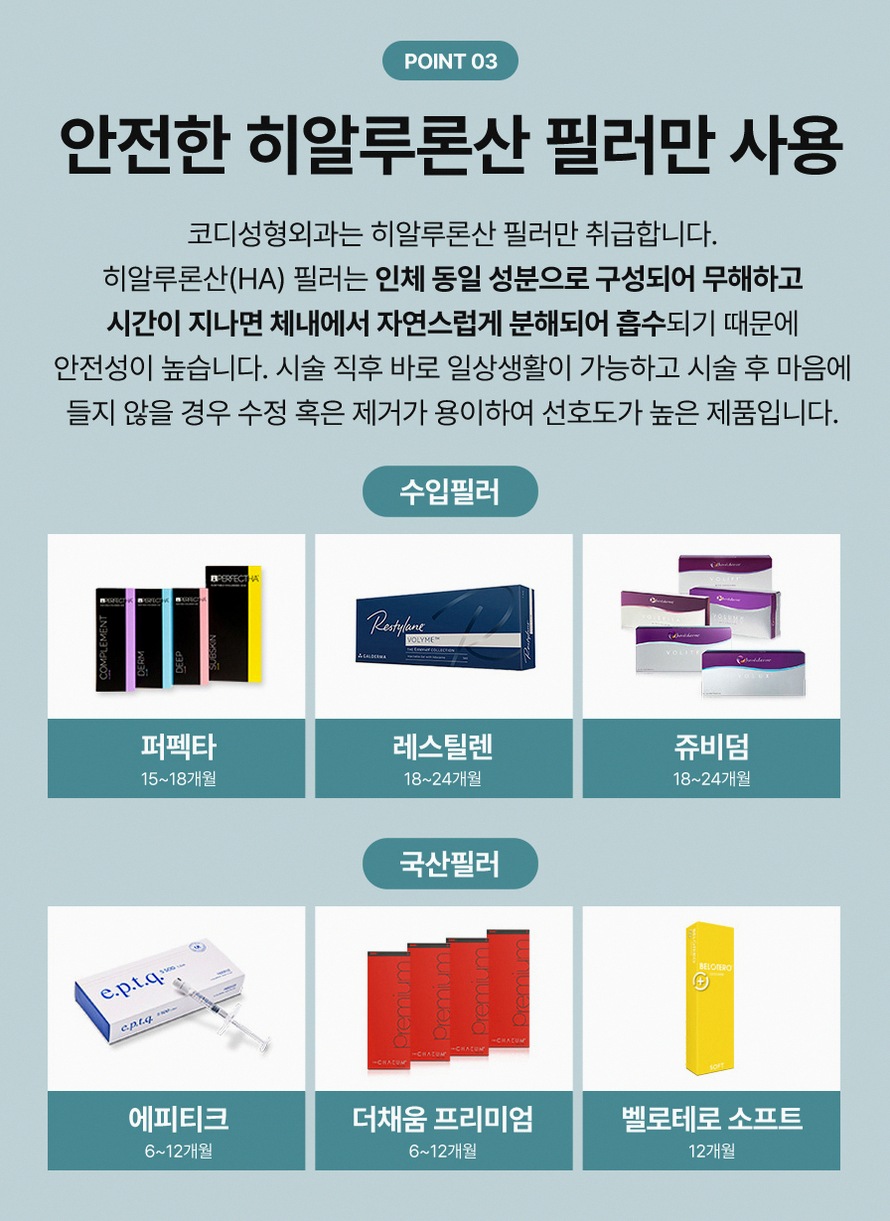
Safe filler practice also includes using approved products, maintaining strict sterile technique, and having hyaluronidase readily available. Hyaluronidase is an enzyme that can dissolve hyaluronic acid filler if needed, either to correct an unsatisfactory aesthetic result or to respond quickly to a vascular complication.
During your consultation, it is reasonable to ask how the clinic handles complications, what products they use, and whether they have protocols for urgent situations.
Aftercare, longevity, and maintenance
Under-eye filler often lasts longer than filler in more mobile areas such as the lips, because the under-eye region moves less. Duration varies by product type, injection depth, individual metabolism, and lifestyle; some patients notice effects for many months.
In the first few days after treatment, mild swelling, slight bruising, or a feeling of fullness are common. One side may look a little different from the other at first; this often settles as swelling decreases. Your clinic will usually recommend sleeping with your head slightly elevated for a night or two and avoiding heavy exercise, saunas, or strong pressure on the area for several days.
You should contact the clinic immediately if you experience severe pain, sudden vision changes, or mottled or pale skin color around the injection area. These are red-flag symptoms that require urgent attention.
For maintenance, many doctors prefer a conservative initial dose and then a small touch-up later if needed, rather than overfilling in one session. This step-by-step approach helps maintain a natural look and reduces the risk of puffiness.
Consultation tips for patients in Yeoksam-dong and overseas visitors
Whether you live in Yeoksam-dong or are flying into Seoul for treatment, preparation before your consultation can make the process smoother.
Before your visit, prepare clear photos of your face in natural light from the front and both sides. If you have reference images that show the kind of subtle, natural improvement you want, bring them as well. This helps the doctor understand your aesthetic preferences.
Write down your questions in advance. Useful questions include whether filler is truly suitable for your under-eye condition, how much filler is estimated, which product will be used and why, how many under-eye cases the injector handles regularly, and how the clinic manages complications.
If you are comparing clinics in the Yeoksam-dong and Gangnam area, try not to focus on price alone. Instead, compare the qualifications of the medical team, their experience with under-eye and eye-area procedures, the clarity of their explanations, and the thoroughness of their safety systems.
Overseas patients may also want to ask about language support. Some clinics, including KODI PLASTIC SURGERY, operate foreign-language pages in English, Chinese, and Japanese, which can make communication and follow-up easier.
Expected visit timeline for international patients
For visitors coming from abroad, under-eye filler can often be planned within a short stay, but it is wise to allow some flexibility.
Many patients schedule an online consultation first, sending photos and medical history. This allows the clinic to give a preliminary opinion on suitability and to discuss approximate plans before you book flights.
Once in Seoul, you may have an in-person consultation and treatment on the same day, especially if your case is straightforward. However, if your anatomy is more complex or if there is uncertainty between filler and surgical options, the doctor may recommend a separate consultation day and treatment day.
It is advisable to stay in Korea for at least a few days after under-eye filler. This gives time for any early swelling or bruising to appear and for you to attend a quick follow-up if needed. Consider allowing a few days in Seoul to monitor recovery and attend any follow-up appointments.
If you have a long flight home, ask your doctor about timing. Some prefer that you wait at least one or two days after the procedure before flying, to reduce swelling and allow early issues to be checked locally.
Online consultation and pre-visit preparation
Online consultation is especially helpful if you are an international or expat patient considering under-eye filler in Yeoksam-dong.
Before your online appointment, prepare clear, makeup-free photos and a brief medical history, including any previous filler or surgery around the eyes, allergies, medications, and any history of bleeding or clotting disorders.
During the online consultation, explain your main concerns in simple terms: for example, that your under-eyes look hollow or tired, that you want a natural result, and that you are worried about puffiness or complications. Ask the doctor how they would approach your case, and what signs would make them recommend surgery instead of filler.
You can also discuss practical topics such as the number of visits needed, suggested timing relative to your travel dates, and how follow-up will be handled once you return home.
Frequently asked questions about under-eye filler
Is under-eye filler painful?
Most patients describe under-eye filler as mildly uncomfortable rather than very painful. Clinics usually apply numbing cream, and some use local anesthesia injections or fillers that contain anesthetic. The under-eye area is sensitive, so you may feel pressure or brief stinging, but the procedure is generally short. Clinics with an anesthesiology and pain medicine specialist can further optimize pain control and help manage anxiety if needed.
How long does under-eye filler last?
The exact duration depends on the type of filler, how deeply it is placed, your metabolism, and lifestyle factors. Many patients choose a conservative initial treatment and then small touch-ups over time to maintain a natural, stable result.
Can under-eye filler make dark circles worse?
If under-eye filler is injected too superficially or in the wrong plane, it can sometimes create a bluish tint or puffiness that makes the area look worse. This is why experience with under-eye anatomy and careful technique are so important. When filler is placed at an appropriate depth and in suitable candidates, it usually softens shadowing from hollowness rather than worsening dark circles.
What if I do not like the result?
If you are unhappy with the aesthetic result or if there is an issue such as lumpiness, your doctor can often adjust or reverse the filler. Clinics that handle many filler cases and revisions are generally familiar with this process and can explain the options during consultation.

Is there downtime after under-eye filler?
Downtime is usually short. Many people return to daily activities the same day or the next day. However, you should expect some possibility of bruising, swelling, or mild asymmetry for several days. If you have important events or photography planned, it is better to schedule the procedure at least one to two weeks in advance.
Soft call to action for online consultation
If you are considering under-eye hollow or aegyo-sal filler in the Yeoksam-dong, Gangnam area and want a clinic that emphasizes detailed eye-area anatomy, structured planning, and safety systems, By sharing your photos and goals in advance, you can receive individualized advice on whether under-eye filler is suitable for you and how to plan your visit to Seoul.
This article is intended for general information only and does not replace a personal consultation with a qualified medical professional. Individual conditions and results vary, and all decisions about treatment should be made after direct discussion with an experienced doctor.



- 공유 링크 만들기
- X
- 이메일
- 기타 앱


댓글
댓글 쓰기