KODI Gangnam thread lift guide for overseas patients
- 공유 링크 만들기
- X
- 이메일
- 기타 앱

Direct answer summary
Gangnam thread lifting is a minimally invasive anti-aging procedure that uses dissolvable threads to gently lift sagging facial tissues and improve skin firmness, usually with short downtime. For international visitors, it can often be done in a single clinic visit in Seoul, with several days of light recovery and follow-up checks arranged online. This guide explains what to expect from a thread lift in Gangnam, who may benefit, how to prepare from overseas, and how a visit to a clinic such as KODI PLASTIC SURGERY typically fits into a Korea trip.
Treatment overview: what is Gangnam thread lifting
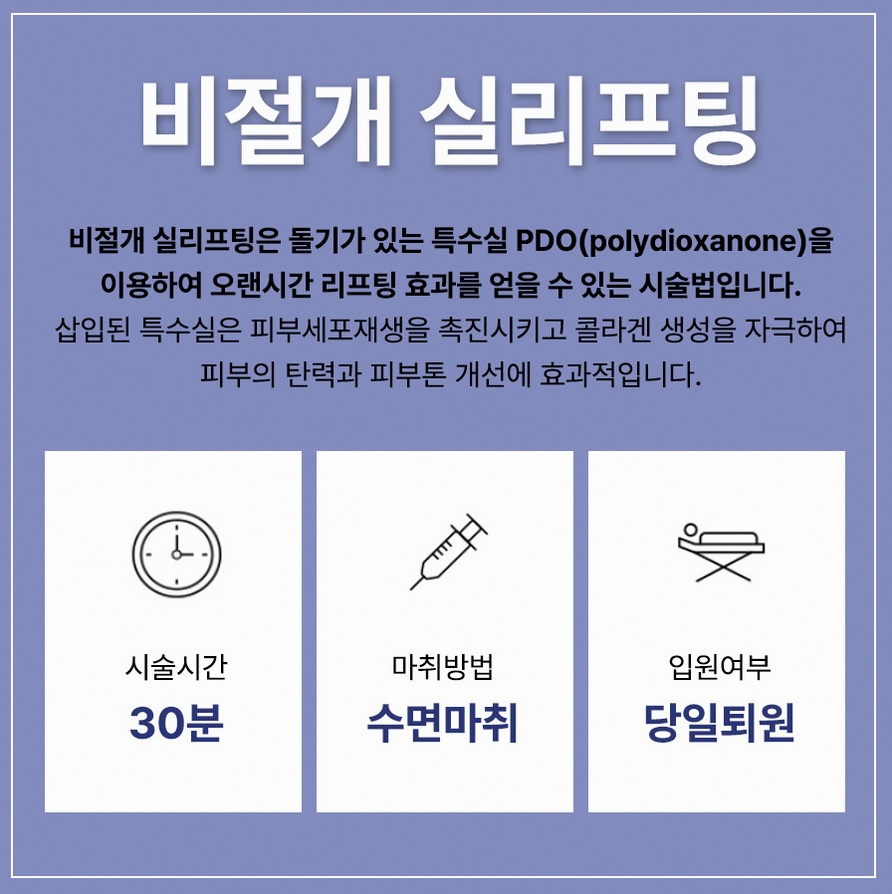
A facial thread lift is a non-surgical lifting procedure that uses fine, absorbable threads placed under the skin to support and reposition sagging tissue. In the Gangnam area of Seoul, thread lifting is commonly chosen by people who want firmer contours but are not ready for a full facelift.
During the procedure, the doctor inserts threads through small entry points using a needle or cannula. The threads are designed to anchor under the skin to lift and support tissue. Over time, the threads gradually dissolve, and the body forms new collagen around them, helping to maintain improved firmness.
Thread lifting is usually performed under local anesthesia, sometimes with light sedation. It is typically an outpatient procedure, meaning you can go back to your accommodation the same day. Common treatment areas include the jawline and jowls, nasolabial folds (smile lines), marionette lines, midface and cheeks, lower face, and in some cases the brow or neck.
Compared with fillers and Botox, a thread lift focuses on lifting and repositioning sagging tissue rather than adding volume or relaxing muscles. Compared with a surgical facelift, it offers a more modest, natural-looking improvement with less downtime and no long incisions.
Why Gangnam is a popular area for thread lifting
Gangnam and the surrounding Seocho-gu area are known for a high concentration of aesthetic clinics and eye clinics, along with strong patient expectations. Because there are many options, clinics tend to refine their techniques, safety systems, and consultation processes to stand out.

For example, patients should consider clinics that emphasize area-based expertise—KODI PLASTIC SURGERY highlights eye and filler treatments—and provide multilingual information for international visitors; also compare clinics by doctor experience, safety protocols, and clarity of communication.
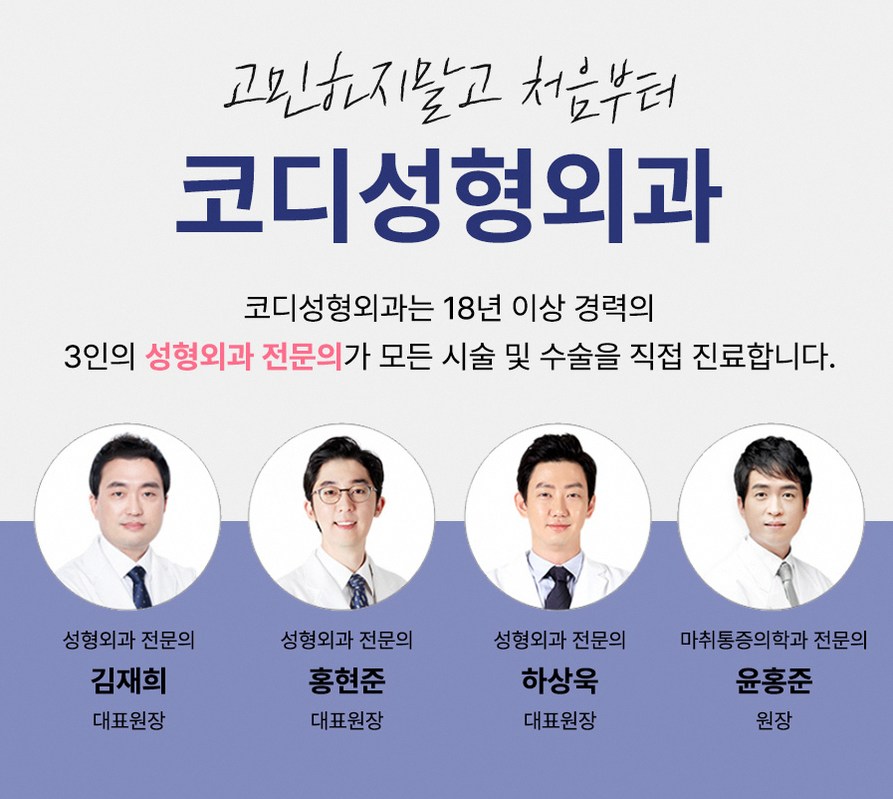
KODI PLASTIC SURGERY is located on Gangnam main street (13F, 405 Gangnam-daero, Seocho-gu, Seoul) and offers non-incisional thread lifting as part of its anti-aging lineup, alongside procedures such as eye surgery and fillers.
Who may consider a Gangnam thread lift
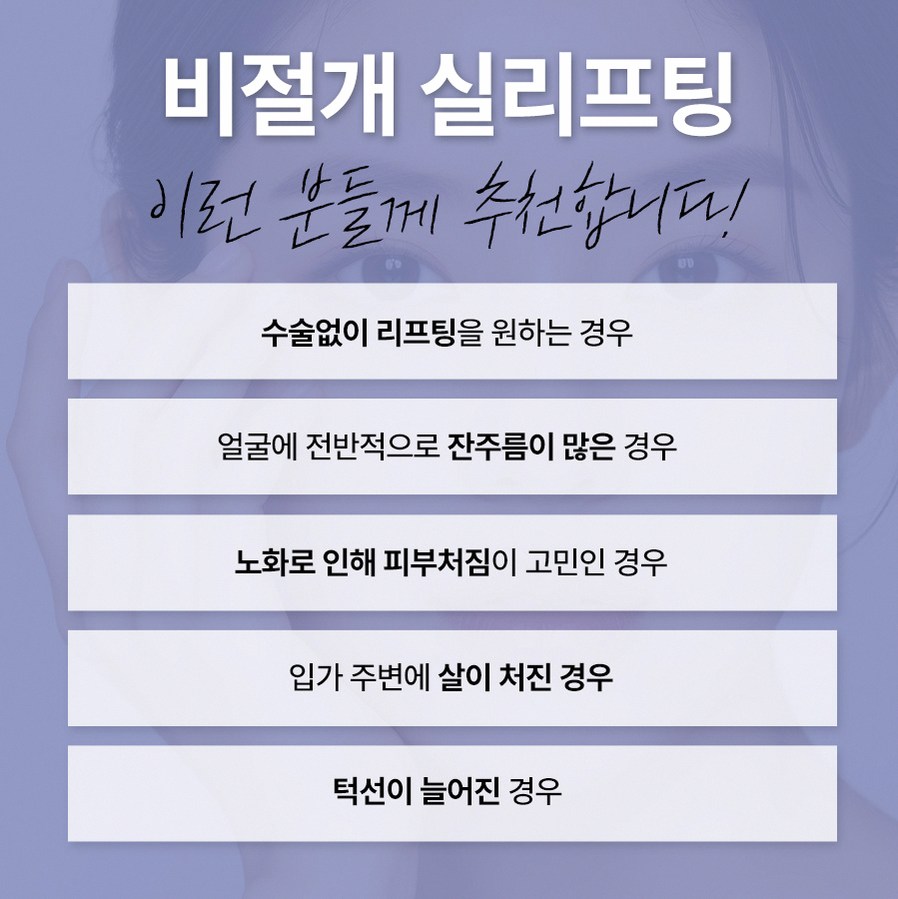
A thread lift in Gangnam can be suitable for adults who want visible lifting but prefer to avoid surgery. Typical candidates include:
People with mild to moderate skin laxity
If you notice early jowls, sagging along the jawline, deepening smile lines, or drooping cheeks, but your skin is not extremely loose, you may be within the ideal range for thread lifting. The procedure works best when there is enough elasticity for the skin to be repositioned and held in a lifted position.
Age range and life stage
Many patients are in their late 20s to 50s. Younger patients may seek a subtle contour lift or early prevention of sagging, while those in their 40s or 50s may want to restore a firmer outline without committing to surgical incisions and longer recovery.
Patients who have tried injectables
Some people come to Gangnam after having fillers or Botox in their home country and feeling that these are no longer enough. If you feel that adding more filler makes your face look heavier or less natural, but you still want improvement, a thread lift may be considered as a “bridge” between simple injectables and a surgical facelift.
Who is not an ideal candidate
A thread lift is usually not the best choice for very heavy or severely sagging tissue, extremely thin or fragile skin, or for those expecting facelift-level transformation. In such cases, a surgical facelift or mini-lift may be more appropriate. During consultation, the doctor should explain whether your expectations match what thread lifting can realistically achieve.
Typical procedure steps for a Gangnam thread lift
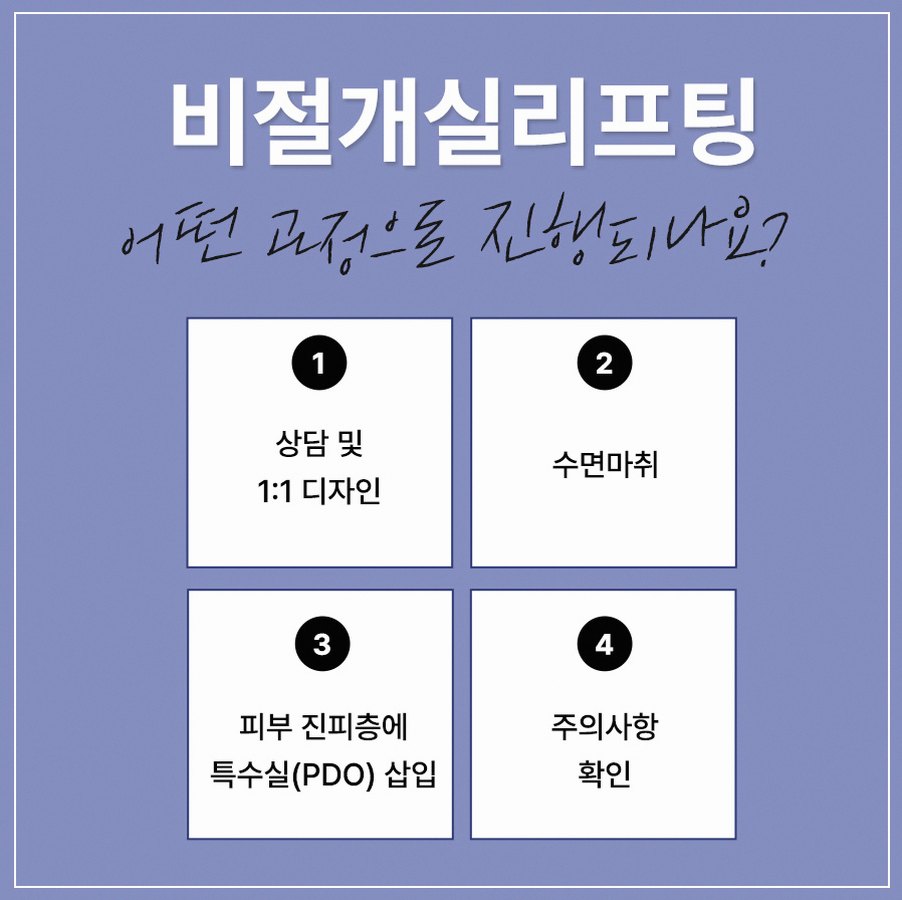
Pre-consultation and facial analysis
Your visit usually begins with a consultation and facial assessment. The doctor will examine your skin quality, thickness, and degree of sagging, and listen to your main concerns such as jowls, nasolabial folds, marionette lines, or sagging cheeks.
Planning vectors and thread type
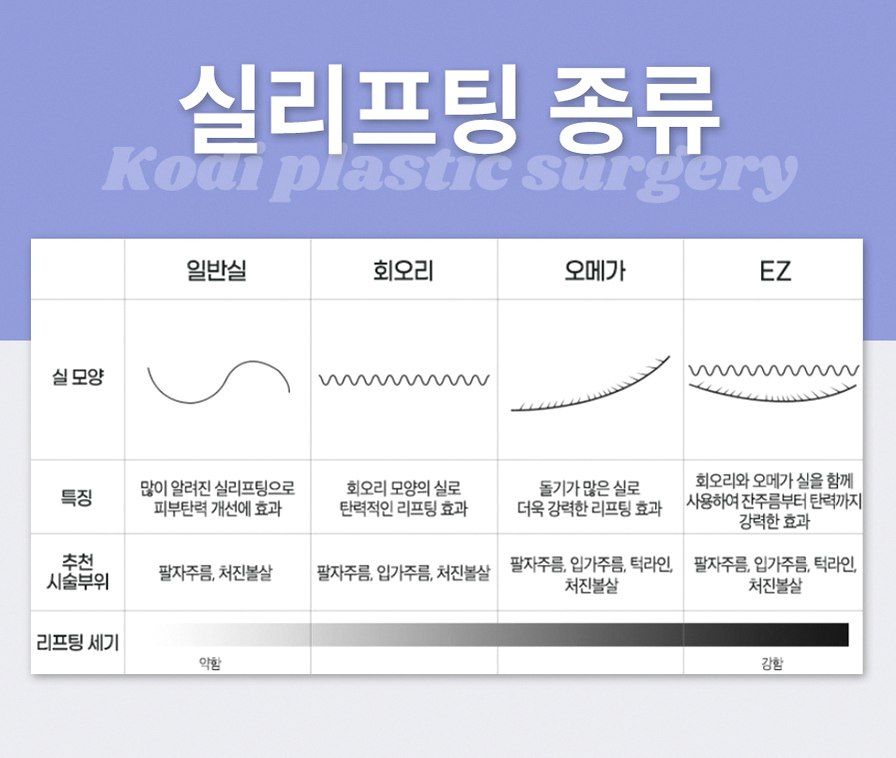
Based on your facial structure, the doctor designs lifting vectors: the directions in which the threads will pull the tissue. The number and type of threads are chosen according to the area treated and the amount of lift needed. For example, stronger barbed threads may be used along the jawline, while finer threads can support midface or contour details.
Day of the procedure
On the procedure day, the steps typically include:
Cleansing of the treatment area and marking of entry points and lifting directions.
Local anesthesia to numb the skin and deeper tissues where threads will pass. Some patients may choose light sedation for comfort.
If sedation is used, having an on-site anesthesiology and pain medicine specialist, as at KODI PLASTIC SURGERY, can support safer monitoring during the procedure.
Insertion of threads through a needle or cannula, following the planned vectors.
Adjustment of tension to achieve a balanced lift, followed by trimming or securing of thread ends.
Immediate post-procedure period
You can typically sit up and check the initial result in a mirror before leaving the clinic. There may be some visible swelling, minor dimpling, or tightness, which usually improves over the following days to weeks.
Expected results and how long they last
Immediate and gradual changes
You can usually see a lifting effect right after the procedure, especially along the jawline and midface. However, the final appearance becomes more natural as swelling settles and the tissues adapt.
Over the following weeks, your body forms collagen around the threads. This collagen support helps maintain improved firmness even as the threads slowly dissolve.
Longevity of results
Most patients can expect results to last around 1 to 2 years, depending on:
Type and thickness of threads used
Individual skin quality and age
Lifestyle factors such as smoking, sun exposure, and large weight changes
How well you follow aftercare instructions
Compared with a surgical facelift, the changes are more subtle and natural. The goal is usually to look fresher and more lifted, not drastically different. Many people repeat thread lifting at intervals or combine it with other non-surgical treatments as part of a long-term anti-aging plan.
Recovery and aftercare for overseas visitors
Immediate recovery period
After a thread lift, you may experience mild swelling, bruising, tenderness, or a pulling sensation along the thread paths. Some temporary dimpling or irregularity can also appear, especially when moving your face, and typically improves as tissues settle.
Most people can return to light daily activities within a few days. Visible bruising, if present, usually fades over 1 to 2 weeks. For overseas patients, it is wise to allow a few days in Seoul after the procedure before a long flight, especially if you want to minimize visible signs during travel.
General aftercare recommendations
Avoid strong facial massage or facial treatments for a period advised by your doctor.
Try not to sleep face-down or on the side that was lifted for about 1 to 2 weeks, or as instructed.
Limit exaggerated facial movements such as wide yawning or strong chewing for the first days.
Refrain from intense exercise, sauna, hot baths, and heavy alcohol intake during the early recovery period.
Keep the entry points clean and follow any topical care instructions provided.
Attend scheduled follow-up visits, either in person if you are still in Korea, or via online consultation if you have returned home.
Always follow the specific instructions from your clinic, as details can vary depending on thread type and your individual case.
Safety, risks, and what to discuss with your doctor
Potential risks and side effects
As with any procedure, thread lifting carries potential risks. These can include:
Bruising and swelling
Temporary pain or tightness
Asymmetry or uneven lifting
Palpable or visible threads under thin skin
Skin dimpling or irregularity
Infection around entry points
Temporary nerve irritation, such as numbness or tingling
Dissatisfaction with the degree or duration of lift
Most side effects are temporary and improve with time and proper management, but it is important to have a realistic understanding before you decide.
Why surgeon and clinic choice matters in Gangnam
In a competitive area like Gangnam, many clinics offer thread lifting. When comparing options, consider:
Whether the procedure is performed by board-certified plastic surgeons with experience in facial anatomy and thread techniques.
Whether there is an on-site anesthesiology and pain medicine specialist for safer sedation and monitoring, especially if you are nervous about pain.
What type of thread materials are used, and whether they are certified and from reputable manufacturers.
How the clinic manages sterilization, infection control, and emergency protocols.
How clearly the doctor explains risks, alternatives, and realistic outcomes.
At KODI PLASTIC SURGERY, the presence of three board-certified plastic surgeons and one board-certified anesthesiology and pain medicine specialist supports a structured approach to both the technical and safety aspects of thread lifting when sedation is used.
How Gangnam thread lifting differs from other options
Thread lifting versus fillers
Fillers are best for restoring lost volume, contouring areas like the cheeks or chin, and smoothing certain wrinkles by filling them from beneath. However, adding too much filler can sometimes make the face look heavy.
Thread lifting, by contrast, focuses on lifting and repositioning sagging tissues. It can sharpen the jawline and elevate drooping cheeks without adding bulk. In many Gangnam clinics, threads and fillers are combined strategically: threads for lift, fillers for subtle volume where needed.
Thread lifting versus Botox
Botox works by relaxing muscles that cause dynamic wrinkles, such as frown lines or crow’s feet. It does not lift sagging tissue. A thread lift targets skin laxity and tissue descent, so it addresses a different aspect of aging. Many patients use both treatments: Botox for expression lines, thread lifting for contour and sagging.
Thread lifting versus surgical facelift
A surgical facelift or mini-lift offers more powerful and longer-lasting results by removing excess skin and tightening deeper layers through incisions. It also involves more downtime, potential scarring, and a higher level of anesthesia.
Thread lifting sits in the middle: more lifting than injectables alone, but less invasive than surgery. It is better suited for mild to moderate sagging or for those who are not ready for surgery yet. For advanced aging changes, a doctor may recommend surgery as a more appropriate option.
Online consultation and pre-visit preparation for overseas patients
Initial online contact
If you are considering a thread lift in Gangnam from overseas, an online consultation is a practical first step. Many clinics, including KODI PLASTIC SURGERY, provide English, Chinese, and Japanese information pages, which can make communication easier.
Before your online consultation, prepare the following:
Clear, front-facing photos of your face in good lighting, plus side views and a slightly angled view.
A list of your main concerns: for example, jowls, sagging cheeks, deepening smile lines, or loss of definition in the jawline.
Your medical history, including any chronic illnesses, allergies, previous facial procedures, and current medications, especially blood thinners.
Questions about expected results, downtime, and how the procedure fits into your travel schedule.
What to clarify with the clinic in advance
Ask which thread types and techniques they commonly use and why they might be suitable for your case.
Confirm how many days you should stay in Seoul after the procedure for follow-up.
Discuss anesthesia options: local only, or local with light sedation, and how monitoring is managed.
Ask how they handle complications or unexpected side effects, especially for patients who return overseas.
Expected Korea visit timeline for a Gangnam thread lift
A typical schedule for an overseas patient might look like this:
Day 1: Arrival in Seoul and rest.
Day 2: In-person consultation and facial analysis. If you and the doctor agree, the procedure may be done the same day, or scheduled for the next day.
Day 2 or 3: Thread lifting procedure at the clinic. You return to your hotel the same day.
Days 3 to 5: Light recovery in Seoul. You can usually walk, shop lightly, and enjoy gentle activities, but avoid heavy exercise and strong facial movements.
Day 5 to 7: In-person follow-up visit if recommended, to check healing and answer questions.
After Day 5 or 7: Return flight home, with further follow-up done via online consultation if needed.
This timeline can vary depending on your individual case and the clinic’s policy, so always confirm details in advance.
Aftercare once you return home
After you leave Korea, continue to follow the aftercare instructions given by your doctor. If you notice unusual pain, redness, or asymmetry, contact the clinic promptly with photos so they can advise you.
In most cases, minor irregularities and tightness improve over time. Avoid new facial procedures without first discussing them with the clinic that performed your thread lift, especially within the first few months.
How to choose a Gangnam clinic for thread lifting
Key points to compare
When researching a thread lift in Gangnam, consider the following points rather than focusing only on price:
Doctor’s training and experience with thread lifting and facial anatomy.
Availability of an on-site anesthesiology and pain medicine specialist if sedation is offered.
Clarity of consultation: Do they explain the limits of thread lifting and possible risks?
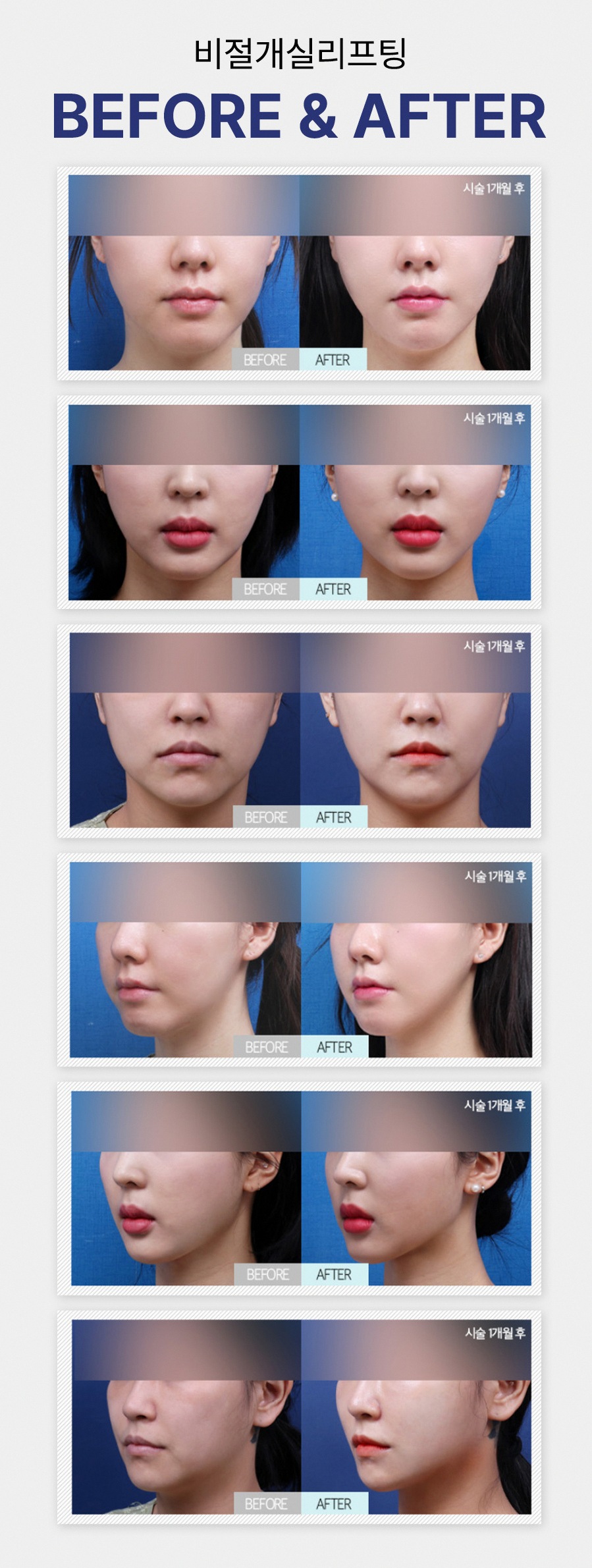
Before-and-after photos of patients with similar age and facial structure (within the clinic or during consultation).
Responsiveness to overseas patients: Are they able to communicate clearly in your language or in English?
Questions to ask during consultation
Which thread types will you use for my case, and why?
How many threads are recommended, and in which areas?
What level of lift can I realistically expect, given my current skin laxity?
How long should I stay in Korea after the procedure for safe follow-up?
What are your protocols for anesthesia, monitoring, and managing side effects or complications?
When and how should I combine thread lifting with fillers, Botox, or other treatments, if at all?
FAQ about Gangnam thread lifting
How long do Gangnam thread lifting results usually last?
Most patients enjoy visible results for around 1 to 2 years. The exact duration depends on the type of threads, your skin condition, age, and lifestyle habits. Even after the threads dissolve, some of the collagen formed around them may provide ongoing support. Many people choose maintenance treatments at intervals recommended by their doctor.
Is a thread lift very painful?
Local anesthesia is used to numb the treatment area, so most patients feel pressure and pulling rather than sharp pain during the procedure. Some clinics also offer light sedation for additional comfort. After the procedure, you may feel soreness or tightness for several days, which is usually manageable with prescribed or over-the-counter pain relief.
When is surgery a better option than thread lifting?
If you have very pronounced sagging, heavy jowls, or large amounts of excess skin, a surgical facelift or mini-lift may provide more effective and longer-lasting results. Thread lifting is best for mild to moderate laxity and for those who prefer a minimally invasive approach. During consultation, your doctor should explain whether threads alone are likely to meet your expectations.
How soon can I wear makeup and exercise after a thread lift?
Light makeup is often allowed after a short period, once entry points have closed and there is no open irritation, but timing can vary by clinic. Intense exercise, heavy lifting, and activities that cause strong facial movement are usually restricted for a period such as 1 to 2 weeks, depending on your case. Always follow the specific guidance from your doctor.
Soft call to action for online consultation
If you are considering Gangnam thread lifting and want to know whether it suits your face, an online consultation can be a helpful first step. By sharing clear photos and your main concerns, you can receive a personalized assessment and a tentative treatment plan before you travel.
KODI PLASTIC SURGERY offers non-incisional thread lifting in the Gangnam main street area and provides information in multiple languages to support international visitors. If you are planning a trip to Seoul and would like to explore a minimally invasive lifting option, you can contact the clinic in advance to discuss timing, expected results, and how the procedure can fit into your schedule.

- 공유 링크 만들기
- X
- 이메일
- 기타 앱


댓글
댓글 쓰기