Nose Filler Reviews & What to Expect
- 공유 링크 만들기
- X
- 이메일
- 기타 앱

Direct answer summary
If you are reading reviews for nose filler near Gangnam Station, most real patient comments focus on a few key points: the consultation and design process, how much it hurts, how natural the bridge and tip look afterward, how long the result lasts, and how smoothly the clinic handles aftercare. Nose filler around this area is usually a quick, non-surgical procedure using dermal fillers to refine the bridge and tip, often done in under 30 minutes with minimal downtime. However, satisfaction depends heavily on the injector’s anatomical knowledge, conservative design, and clear communication about limits and risks.
This guide walks you through what nose filler near Gangnam Station typically involves, what people often say in reviews, and how a filler-focused clinic such as KODI PLASTIC SURGERY approaches design and safety for international patients.
What nose filler around Gangnam Station typically involves
Nose filler is a non-surgical way to reshape and refine the nose using injectable dermal fillers, most commonly hyaluronic acid. The goal is not to make a completely new nose, but to improve the contour: raising a low bridge, smoothing a small hump, softening irregularities, or giving a slightly more defined tip.
Clinics near Gangnam Station often see office workers and students who want a subtle but noticeable change to their side profile without taking time off work. Because the area is a cosmetic hub, many clinics there are used to patients who come in during a lunch break or after work for quick procedures.
Nose filler is usually best for people who have a relatively straight nose but want:
A higher or more defined bridge
A smoother transition from forehead to nose
A slightly lifted or more refined tip
Correction of small irregularities after previous surgery or trauma, if medically suitable
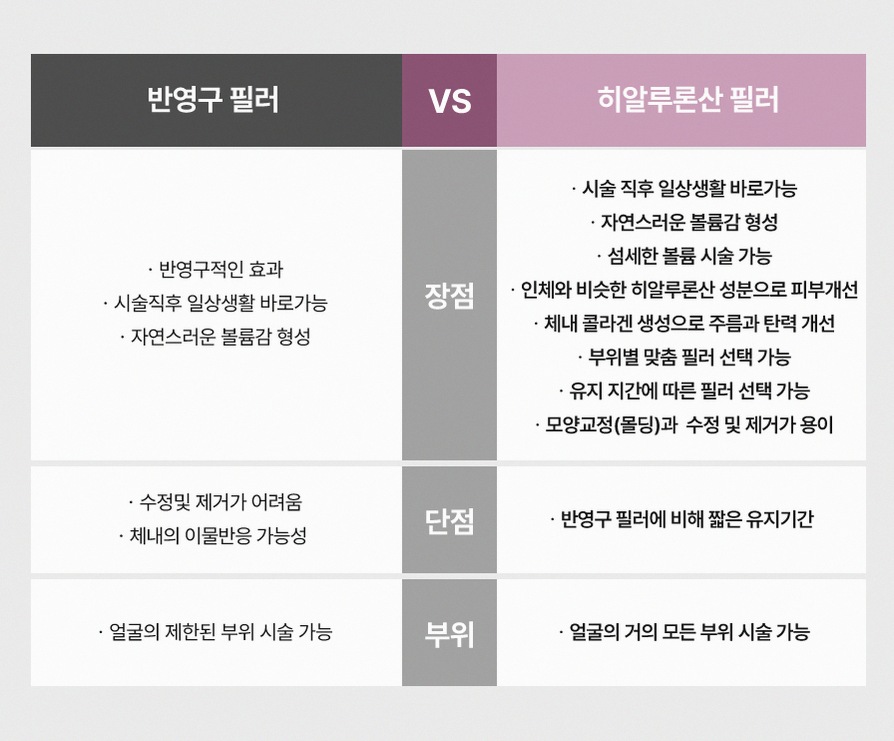
It is less suitable for very large or drooping noses, severe deviation, or significant breathing problems. Those issues usually require surgical rhinoplasty rather than filler alone.
At filler-focused clinics near Gangnam Station, nose filler is often part of a broader facial filler program. That means the injector considers how your nose will look with your forehead, cheeks, under-eye area, and chin, instead of just raising the bridge as much as possible. This whole-face approach is one reason many reviews mention results looking more harmonious rather than obviously “done.”
How a nose filler visit near Gangnam Station usually goes
For international patients, the process often starts online before you arrive in Korea. Clinics may ask for front and side photos, your age, any previous nose procedures, and what you hope to change. This helps the staff estimate whether filler is appropriate and what kind of visit schedule you might need.
Once you are in Seoul, a typical in-clinic visit near Gangnam Station follows this kind of flow:
- Reservation and check-in
- You usually need an appointment, which can be made by phone or messaging app. Many clinics on Gangnam-daero are within a short walk from Gangnam Station, often located on higher floors of office buildings.
At check-in, you fill out a medical questionnaire about allergies, medications, previous surgeries, and any chronic conditions. This information is important for safety and for deciding on anesthesia options.
- Facial and nose analysis
- During consultation, staff or the surgeon will usually take front, side, and sometimes 45-degree angle photos. They check:
Current bridge height and width
Tip projection and shape
Symmetry between left and right sides
How the nose connects with forehead and chin
You will typically be asked how much height you want, whether you prefer a straight profile or a very slight curve, and how natural versus dramatic you expect the result to be.
- Design discussion and options
- In a specialized filler center, the injector may explain different filler types, how long they tend to last in the nose, and how much volume is likely to be used. Some may suggest combining nose filler with a small amount of chin or forehead filler to balance the profile. This is optional, and a good clinic will respect your priorities and budget.

Clinics that emphasize tailored injection plans by area, rather than a one-style-fits-all approach, tend to receive reviews mentioning natural results and fewer complaints about looking overfilled.
- Anesthesia and procedure
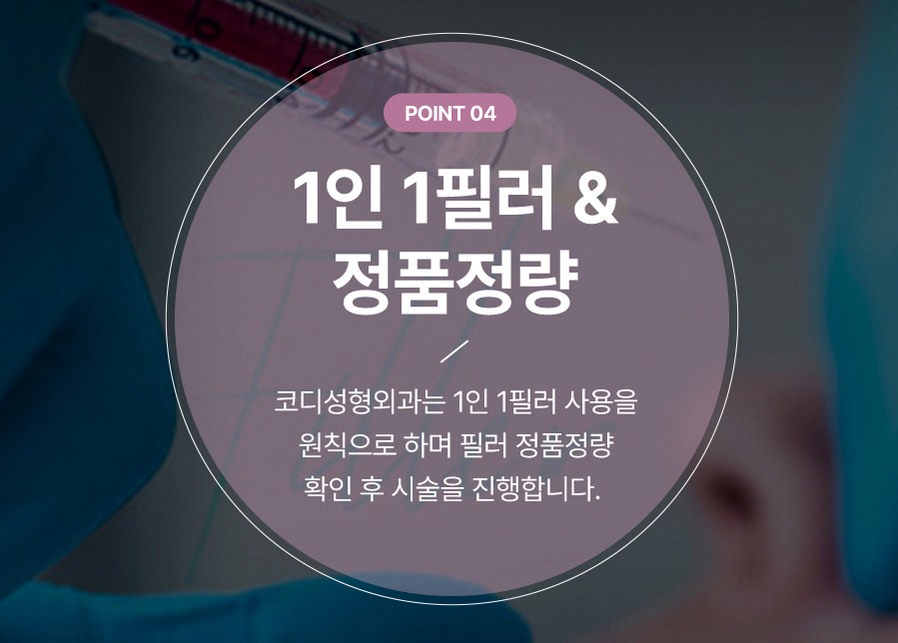
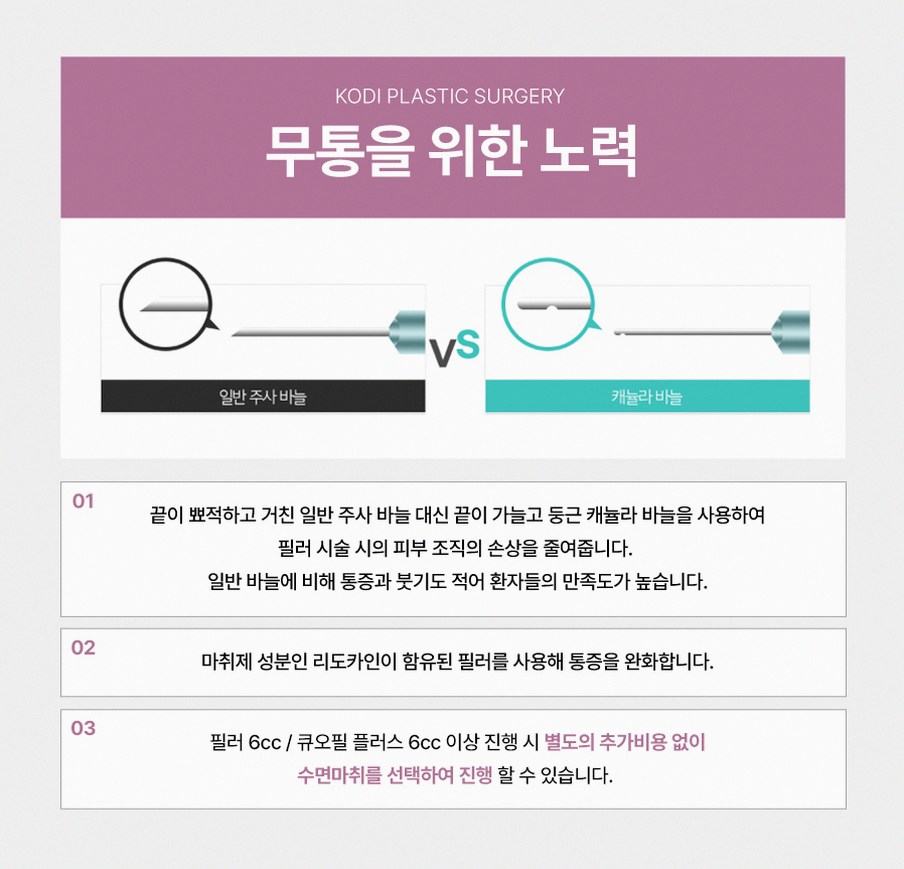
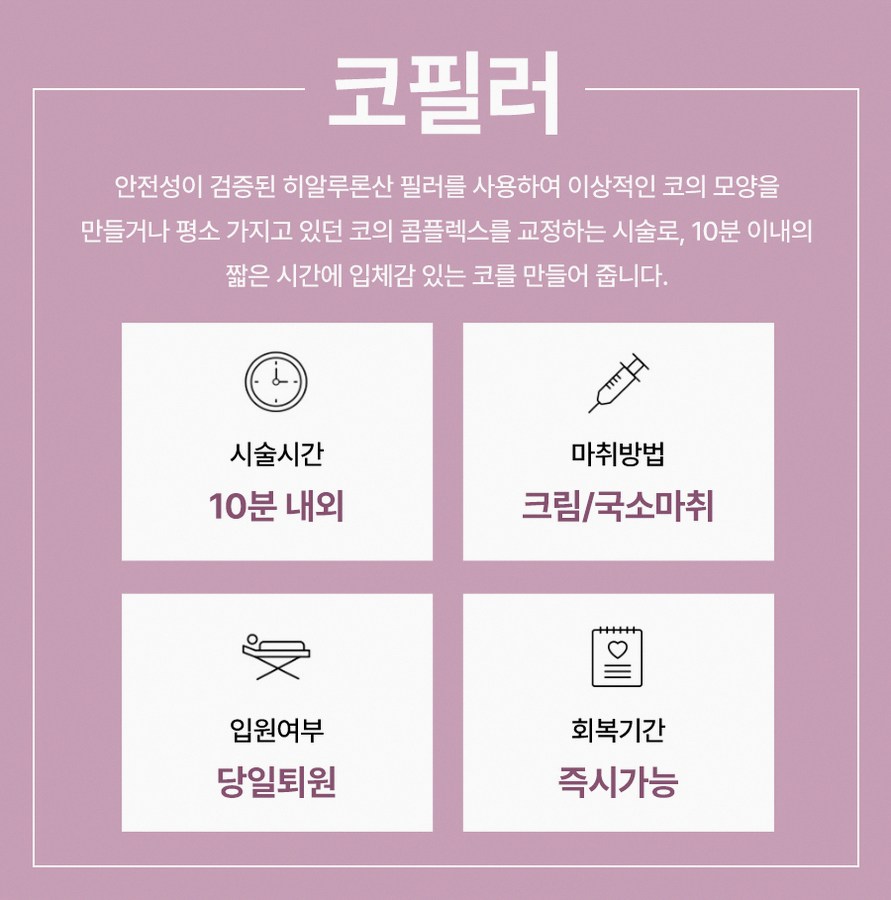
- Most nose filler procedures use topical numbing cream, sometimes combined with a small local anesthetic injection. After the area is cleaned, the injector uses a fine needle or cannula to place filler along the bridge and sometimes at the tip.
The procedure itself often takes 10 to 20 minutes once numbing has taken effect. You may feel pressure, a tight sensation, and brief stinging, but many patients describe it as tolerable rather than strongly painful.
- Immediate check and short observation
- Right after injection, you will usually sit up and look in a mirror while the injector checks symmetry and contour. Small adjustments may be made at this stage.
Most clinics keep you for a short observation period to ensure there are no immediate problems. You may then receive written or verbal aftercare instructions before leaving.
Pain, anesthesia, and safety: what reviews often mention
Reviews of nose filler near Gangnam Station commonly comment on pain level. Typical experiences include:
Mild to moderate stinging when local anesthetic is injected, if used
A feeling of pressure or tightness as filler is placed along the bridge
Some tenderness when touching the nose for a few days afterward
Many patients say the discomfort is brief and manageable, especially with numbing cream and careful technique.
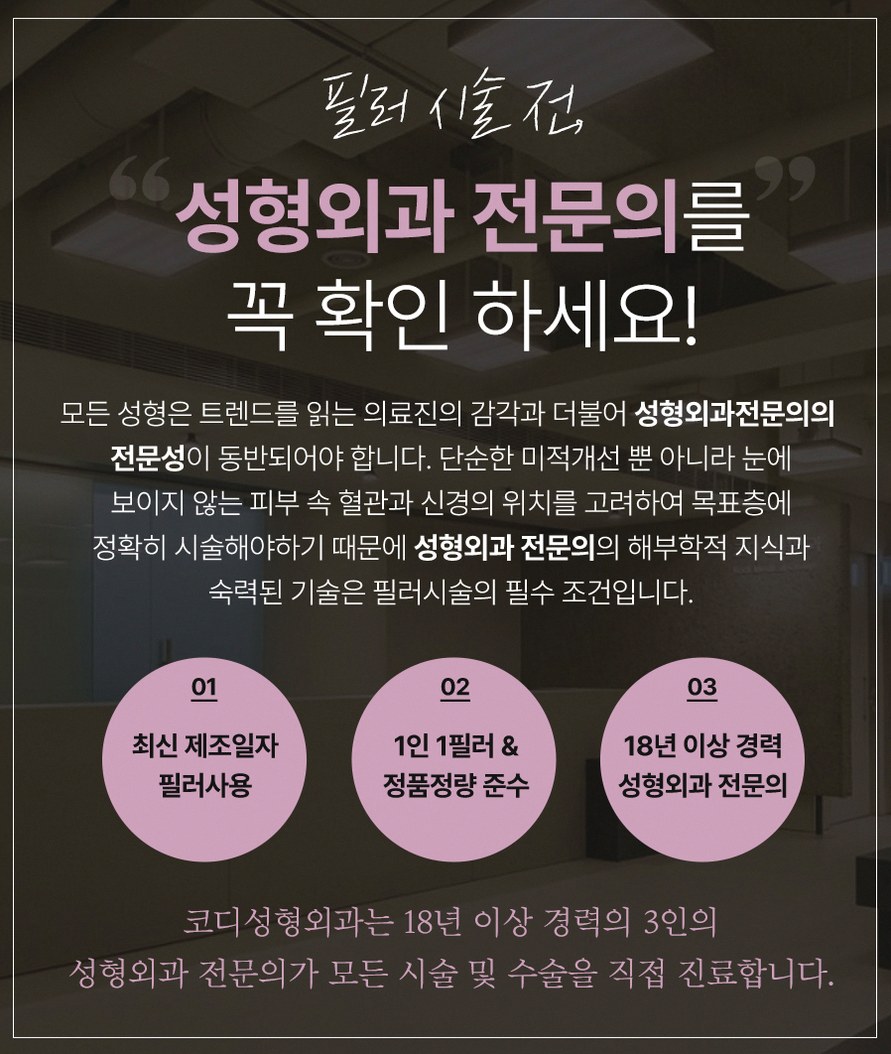
Some clinics near Gangnam Station, including KODI PLASTIC SURGERY, have a board-certified anesthesiology and pain medicine specialist on staff. Even though nose filler is a minor procedure, having this specialist in the clinic supports safer pain control and emergency readiness, especially if more invasive procedures are performed at the same location.
Common minor side effects that people mention in reviews include:
Redness at injection points
Swelling along the bridge or around the tip
Mild bruising, especially on thinner skin
Tenderness when pressing the area
These usually improve over several days and often settle within about a week. Makeup can often be used to cover minor bruising once the skin is closed and clean, but you should follow the clinic’s specific instructions.
More serious complications are rare but important to understand. They include vascular occlusion (blockage of a blood vessel), skin necrosis, or visual problems if filler enters certain blood vessels. Because the nose has a complex blood supply, it is crucial that the injector understands nasal anatomy and has clear protocols for immediate management, including access to hyaluronidase to dissolve hyaluronic acid filler if needed.
When reading reviews, it is wise to note whether patients mention:
Clear explanation of risks, not only benefits
How the clinic responded if swelling or bruising was stronger than expected
Whether staff seemed prepared and calm about safety questions
Before and after: what satisfied nose filler patients near Gangnam Station highlight
In positive reviews, several themes appear again and again:
More defined side profile
Many people say their bridge looks higher and smoother, making glasses fit better and selfies look more balanced.
Smoother transition from forehead to nose
Patients often like that the “bump” or dip between forehead and nose is softer, giving a more continuous line in profile photos.
Slightly refined or lifted tip
With careful technique, some lift and refinement of the tip can be achieved, though there are limits to what filler can do in this area.
Quick procedure and short downtime
People appreciate that the procedure itself is fast and that they can usually return to daily life the same or next day, aside from mild swelling.
Natural-looking results
Reviews that mention natural results usually describe conservative filler amounts and detailed shaping rather than simply maximizing height. Patients often say friends notice they look “better” or “more defined” but cannot immediately tell what changed.
Regarding longevity, most hyaluronic acid nose fillers last roughly 9 to 18 months, depending on the product, your metabolism, and how much movement and pressure the area experiences. Many people describe a gradual softening of the effect rather than a sudden disappearance. Some clinics schedule follow-up checks at a few weeks and then at longer intervals to decide if or when a touch-up is appropriate.
How a filler-focused clinic near Gangnam Station approaches nose design
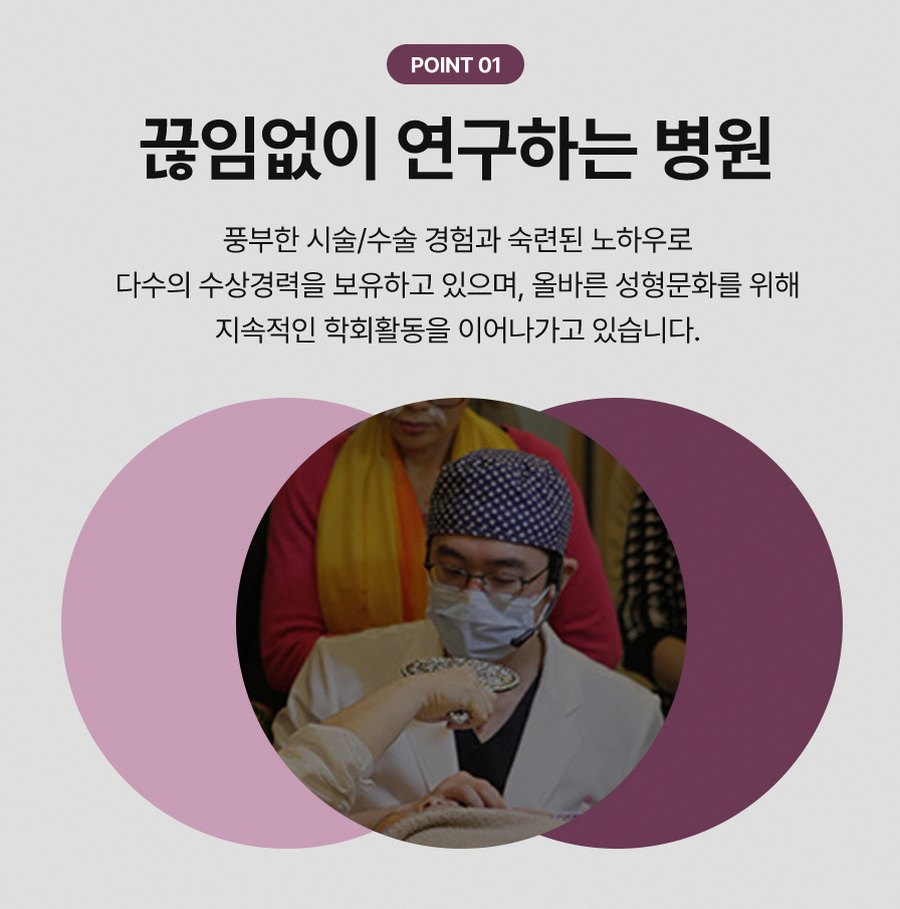
Using KODI PLASTIC SURGERY as an example, some clinics near Gangnam Station focus their services on eye surgery and facial filler rather than offering every possible procedure. Within this kind of setting, nose filler is handled in a dedicated facial filler center, where the team is used to working with different facial areas such as nose, forehead, cheeks, chin, under-eye, nasolabial folds, and lips.
This structure allows for area-specific filler programs. Instead of simply offering “filler” as a single item, the clinic can plan the exact filler type, volume, and technique for each facial zone. For the nose, this might mean choosing a firmer, more shape-holding product, while using softer products in the under-eye or lip area.
Another advantage of a focused filler center is that the team routinely analyzes the entire midface. They consider how changes to the nose will interact with the cheeks, under-eye area, and nasolabial folds. This can help avoid a situation where the nose looks too sharp or isolated compared with the rest of the face.
With multiple board-certified plastic surgeons working together, there is also the opportunity for internal discussion of complex cases and ongoing refinement of techniques for different nose types, including thicker skin, previously operated noses, or asymmetrical bridges.
What to check in nose filler reviews around Gangnam Station
When you read online reviews for nose filler near Gangnam Station, it helps to look beyond the overall star rating. Consider these points:
Consultation quality
Do reviewers mention that the surgeon or staff listened carefully, explained options, and showed realistic examples? Or do they describe a rushed, sales-focused experience?
Risk explanation and safety
Look for comments about how clearly risks and side effects were explained. Did the clinic discuss rare but serious complications and how they would respond? Were emergency protocols or dissolving options mentioned?
Realistic guidance
Some of the most trustworthy reviews come from people who were told that filler alone would not achieve their goals, or that surgery might be more appropriate. This kind of honesty suggests the clinic is not simply trying to sell filler to everyone.
Before and after photos
Try to find examples that match your starting nose type and face shape. Dramatic transformations may be less relevant if your goal is subtle refinement.
Injector qualifications
Check whether reviewers mention that a board-certified plastic surgeon performed the injections, and whether they felt confident in the injector’s experience with nasal anatomy.
Aftercare and follow-up
Pay attention to how the clinic handled questions after the procedure. Did they offer follow-up visits, respond quickly to concerns, and adjust if minor asymmetries appeared?
Remember that individual results vary. Reviews are useful reference points, but they cannot guarantee your own outcome.
Preparation and aftercare tips for nose filler near Gangnam Station
Before your visit
If you are planning a trip to Seoul for nose filler, consider these preparation steps:
Share clear photos in advance
Send front, side, and 45-degree photos without heavy filters. This helps the clinic give more accurate pre-visit advice.
Review your medical history
Prepare a list of medications, supplements, and any previous surgeries, especially on the nose or face. Some blood-thinning medications or supplements can increase bruising; do not stop any prescribed medication without consulting your own doctor first.
Clarify your goals
Think about whether you want a very subtle change or a more noticeable bridge height. Saving example photos of noses you like (and do not like) can help communication.
Plan your schedule
Allow at least a few days after the procedure in case of swelling or bruising. If you are coming for a short trip, avoid booking nose filler on the very last day.
On the day of the procedure
Arrive with minimal makeup on the nose area so the skin can be cleaned easily. Wear comfortable clothes and avoid tight glasses or sunglasses immediately afterward if possible.
Aftercare
Post-procedure instructions vary slightly by clinic, but common advice includes:
Avoid pressing or massaging the nose unless your injector specifically instructs it.
Skip saunas, very hot baths, and intense exercise for several days to reduce swelling risk.
Try to sleep on your back and avoid putting pressure on the nose while it is healing.
Do not schedule other facial procedures (such as strong facials or peels) on the same day unless approved by the clinic.
Mild swelling, redness, and tenderness are normal. However, contact the clinic immediately or seek urgent care if you experience:
Severe or increasing pain in the nose or surrounding area
Skin color changes to pale, bluish, or dark patches
Visual disturbance, such as blurred vision or sudden vision loss
Follow-up visits are useful for checking symmetry and deciding whether a small touch-up is needed once the initial swelling has settled.
When nose filler may not be enough
Nose filler is best for contour refinement, not major structural changes. It may not be sufficient in cases such as:
Very large or drooping nose
Severely crooked or twisted nose
Significant breathing problems related to internal nasal structure
Repeated dissatisfaction with filler-only corrections
In these situations, surgical rhinoplasty or other structural procedures may be recommended instead. Some clinics near Gangnam Station, including KODI PLASTIC SURGERY, offer both non-surgical filler and surgical rhinoplasty, allowing you to compare options in one place.
A good clinic will not push filler if it is unlikely to meet your expectations. Instead, they should explain when surgery or no procedure at all might be the more appropriate choice.
Expected Korea visit timeline for overseas patients
For international visitors planning nose filler near Gangnam Station, a simple timeline might look like this:
2–4 weeks before travel
Send photos and medical history for an online consultation.
Confirm whether nose filler seems appropriate and ask about approximate visit plans.
1–2 days after arrival in Seoul
Attend in-person consultation and, if both sides agree, have the procedure the same day or the next day.
1–3 days after procedure
Expect mild swelling or bruising. You can usually continue sightseeing or work, but you may prefer lighter activities.
5–7 days after procedure
Most visible swelling should be reduced. If your schedule allows, a quick follow-up visit can be helpful before you leave Korea.
Because business hours near Gangnam Station often favor office workers, weekday daytime appointments are common, with one weekday (often Thursday) having evening hours and Saturdays open in the daytime. Clinics are usually closed on Sundays and public holidays, so plan your travel dates accordingly.
FAQ: common questions about nose filler near Gangnam Station
How long does nose filler last and how often do I need touch-ups?
Most hyaluronic acid nose fillers last around 9 to 18 months, depending on the product, your metabolism, and lifestyle factors. Some people prefer a small touch-up once they notice the bridge height softening, while others wait until most of the effect has faded. Your injector can suggest a personalized schedule based on how your nose responds.
Is nose filler reversible if I do not like the result?
If a hyaluronic acid filler is used, it can usually be dissolved with an enzyme called hyaluronidase. This process can reduce or remove the filler over time. However, dissolving also has its own risks and may require more than one session, so it is better to aim for conservative, careful design from the beginning.
How much downtime should I expect after nose filler?
Most people return to daily activities immediately or the next day. Mild swelling, redness, and possible bruising can last several days, but these are often manageable with simple measures and, when allowed, light makeup. If you are traveling, it is wise to allow at least a few days before important events or photo sessions.
Can I do nose filler during my lunch break near Gangnam Station and go back to work?
Many local office workers do exactly this, as the injection time is short and clinics near Gangnam Station are very accessible. However, you should be prepared for some temporary redness or swelling. If you have an important meeting or presentation, you may prefer to schedule the procedure at the end of the workday or before a weekend.
What is the difference between nose filler and surgical rhinoplasty in terms of result and risk?
Nose filler is non-surgical, faster, and reversible when hyaluronic acid is used. It is best for refining shape, smoothing small humps, and modestly raising the bridge. Surgical rhinoplasty can change the structure more dramatically and address functional issues such as breathing problems, but involves anesthesia, incisions, longer downtime, and different risks. Your choice depends on your goals, tolerance for surgery, and medical situation.

How do I choose a safe clinic and injector for nose filler around Gangnam Station?
Check whether the injector is a board-certified plastic surgeon or similarly qualified specialist, and whether the clinic explains both benefits and risks clearly. Look for a structured consultation process, realistic guidance about what filler can and cannot do, and visible safety systems such as emergency protocols and access to dissolving agents. Reviews that describe careful follow-up and honest communication are especially valuable.
Soft call to action for online consultation
If you are considering nose filler near Gangnam Station and want to understand whether it suits your nose shape and travel schedule, an online consultation is a practical first step. By sharing clear photos, your medical history, and your expectations, you can receive more personalized guidance before you book flights or accommodation.
Clinics such as KODI PLASTIC SURGERY offer foreign language support and are accustomed to international patients who plan short visits to Seoul. Appointments are usually required and can be arranged by phone or messaging app. Taking the time to ask detailed questions in advance will help you feel more confident and prepared when you arrive for your nose filler procedure.

- 공유 링크 만들기
- X
- 이메일
- 기타 앱


댓글
댓글 쓰기