overseas patients' guide to results, downtime, clinics
- 공유 링크 만들기
- X
- 이메일
- 기타 앱
Direct answer for people searching Yeoksam-dong nose filler reviews
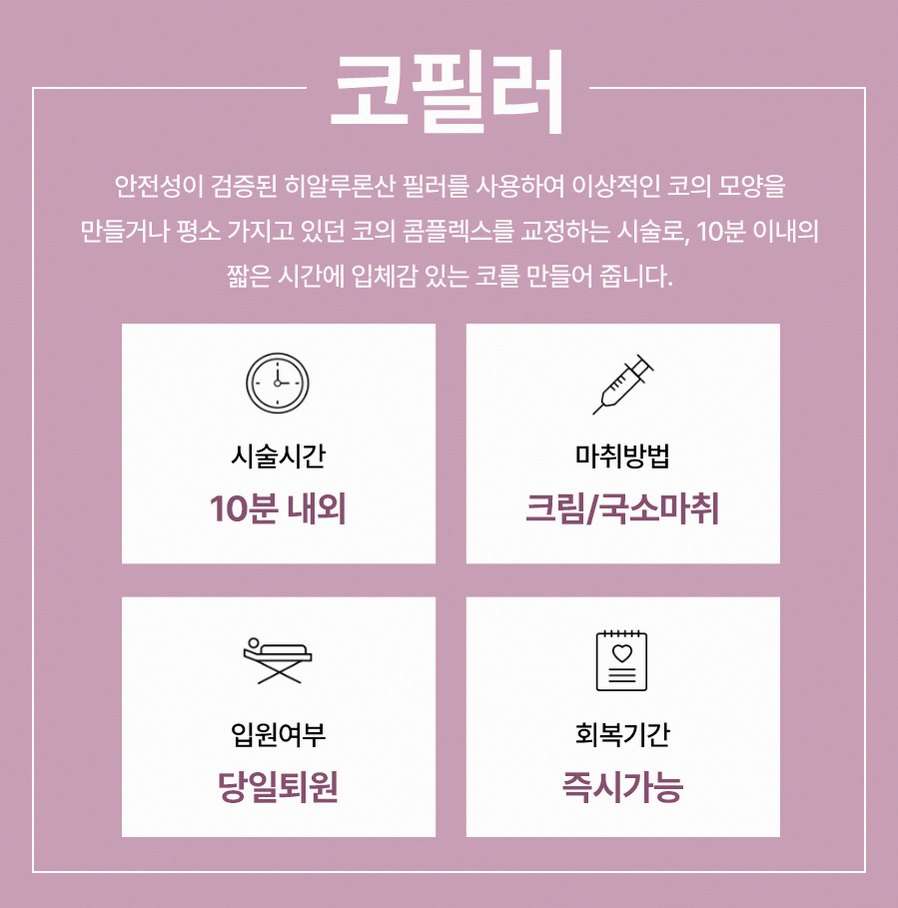
If you are reading nose filler reviews around Yeoksam-dong and Gangnam, reviews often describe nose filler as a quick, non-surgical option to raise the bridge and refine the profile with relatively short downtime. Reviewers also note that results are temporary and that swelling or small bruises can appear for a few days. Choosing a clinic that focuses on fillers and has appropriate on-site support can matter more than simply finding the lowest price. KODI PLASTIC SURGERY concentrates on eye and filler treatments, operates a 10-item, area-specific filler menu, and has an on-site anesthesiology pain specialist—details that may be useful for international patients comparing clinics.
What nose filler means in this context
In the Yeoksam-dong and Gangnam area, “nose filler” usually means a non-surgical procedure using hyaluronic acid dermal fillers to reshape the nose.
The doctor injects filler along the nasal bridge and sometimes near the tip to raise a low bridge, smooth a small hump, or make the side profile look straighter. This is often called liquid rhinoplasty, because it changes the nose shape with injections rather than cutting bone or cartilage.
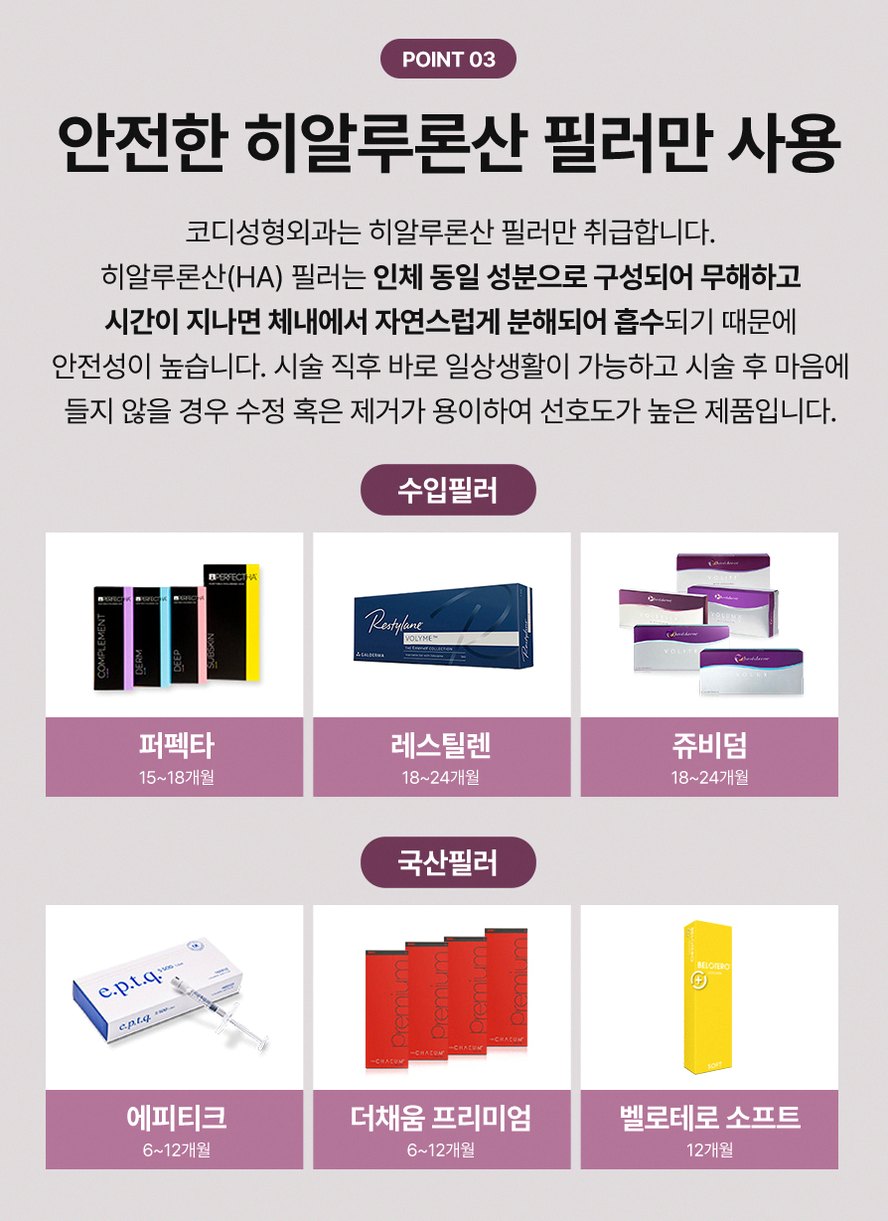
Unlike surgical rhinoplasty, nose filler is temporary. Hyaluronic acid gradually breaks down over time, so the effect usually lasts several months to over a year depending on the product used and each person’s metabolism. Another important point is that hyaluronic acid filler can usually be dissolved with an enzyme called hyaluronidase if there is a problem or if the patient dislikes the result. This reversibility is one reason many people choose filler as a first step before deciding on surgery.
Why people around Yeoksam-dong look for nose filler reviews
The Yeoksam–Gangnam zone is one of Seoul’s busiest commercial and office areas. Many people who work or study nearby look for convenient aesthetic treatments they can fit into a lunch break or after work.
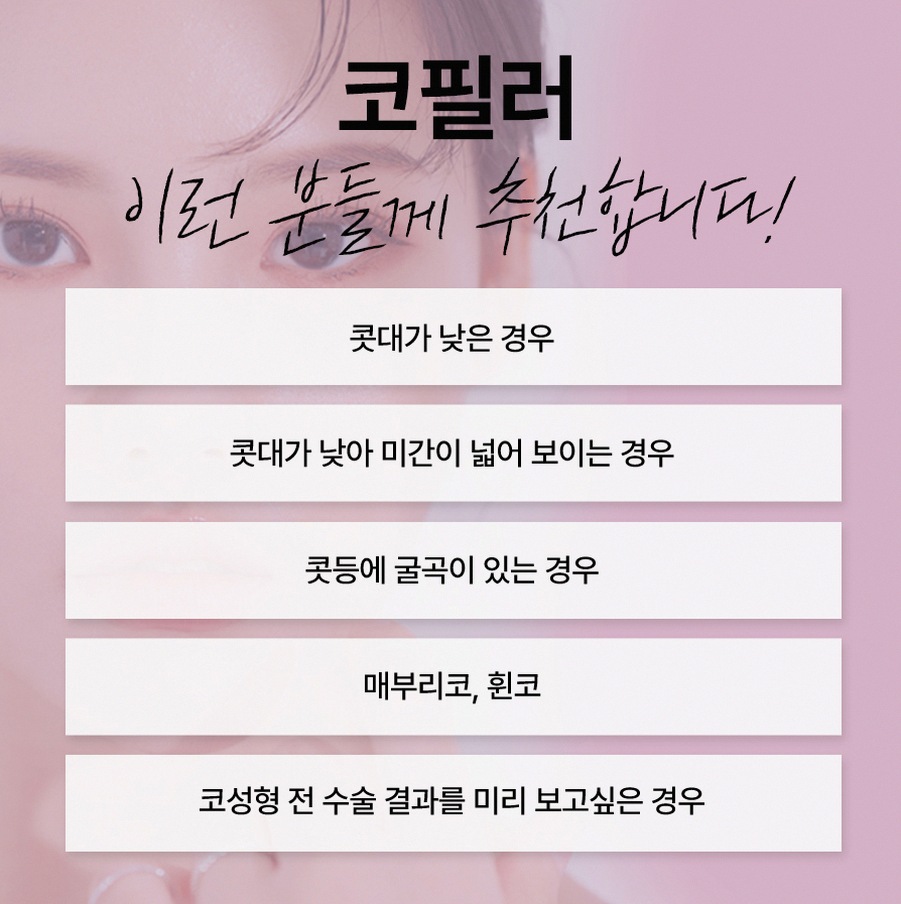
Common reasons people search for Yeoksam-dong nose filler reviews include wanting a higher or straighter bridge that looks better in profile photos, wanting to look more defined on social media or professional headshots, or wanting to test a non-surgical option before committing to full rhinoplasty.
Because there are many clinics in and around Yeoksam-dong and Gangnam, reviews help patients compare not only price, but also safety, the doctor’s aesthetic style, and overall satisfaction. International patients often read both Korean and English reviews, plus photo galleries, to understand what is realistically possible for noses similar to their own.
How to read and interpret nose filler reviews
When you search for Yeoksam-dong nose filler reviews, you will see a mix of short star ratings, longer written reviews, and before–after style comments. It helps to know what to focus on.
First, look at before–after impressions. Even if photos are limited, reviewers often describe whether their bridge height and side profile actually improved, and whether the nose still looks natural from the front and at a 45-degree angle. Many people want subtle refinement rather than an obviously “done” nose.
Second, pay attention to how reviewers describe the doctor’s sense of aesthetics. Helpful reviews mention whether the doctor listened to preferences such as natural versus more defined, or very subtle versus more dramatic changes. Some patients in Gangnam prefer a sharp, high bridge, while others want a softer, balanced look. Reviews that describe this conversation give you clues about the clinic’s style.
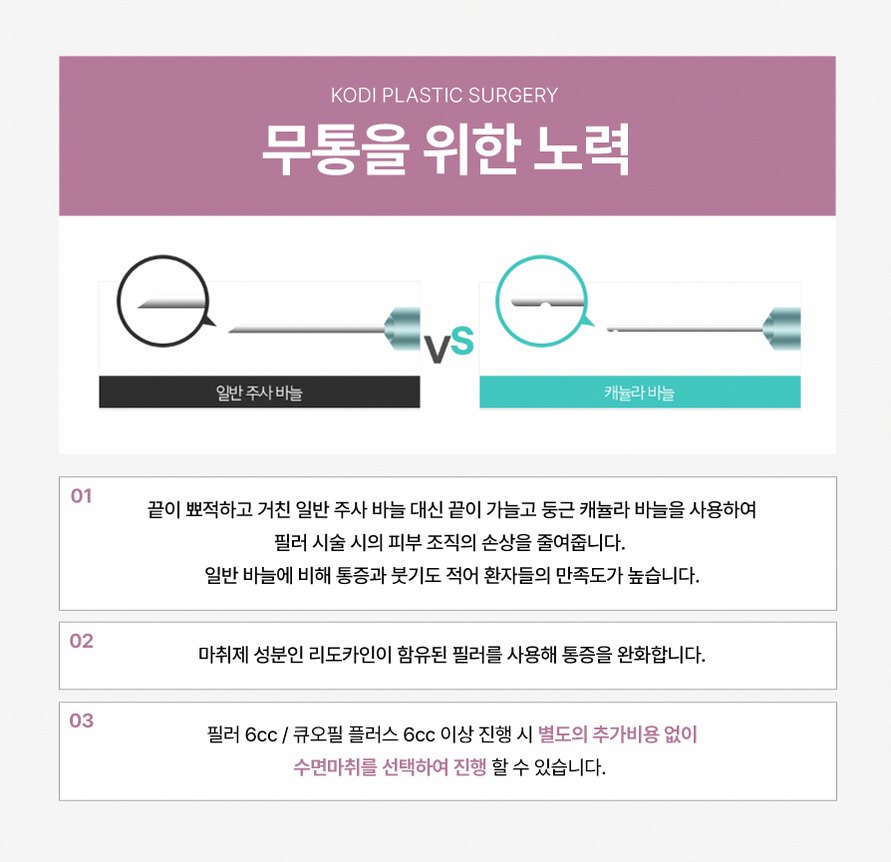
Third, read comments about pain and comfort. Patients often mention whether numbing cream was used, whether they felt more pressure or sharp pain, and whether the clinic used a fine needle or a blunt cannula. Many describe a pressure-like or stinging sensation that is tolerable, but this can vary. If many reviews say the procedure felt rushed or uncomfortable, that is a warning sign.
Fourth, check what people say about swelling and bruising. Useful reviews note how many days they wore a mask, how long it took for redness or small bruises to fade, and when they felt comfortable taking close-up photos again. For many people, mild swelling settles within a few days, but everyone is different.
Fifth, look for comments on longevity. Some reviewers mention that their nose filler looked good for around 6–12 months before they considered a touch-up. The exact duration depends on the filler type, injection depth, and individual metabolism. Reviews that describe gradual fading over time are more realistic than those claiming the result never changed.
Finally, evaluate aftercare and follow-up. Strong reviews often mention whether the clinic checked on them after the procedure, whether they could come back for a quick check if they felt asymmetry, and whether minor touch-ups were offered within a short period. This shows how seriously the clinic takes patient satisfaction and safety.
Be cautious with extremely short, vague, or overly promotional reviews that just say “so good” or “perfect result” without details. Balanced reviews that mention both positives and small downsides feel more trustworthy.
What the nose filler process is usually like in Gangnam
For overseas patients visiting the Yeoksam–Gangnam area, the nose filler process is generally structured and relatively quick. While each clinic has its own style, the steps are broadly similar.
Consultation
You first meet the doctor to discuss your concerns, such as a low bridge, a small hump, or a droopy-looking tip. The doctor examines your face from the front and side, and explains what can and cannot be changed with filler.
For example, filler can raise a low bridge and smooth a mild hump, but it cannot reduce a very large hump or significantly lift a heavy, droopy tip. Those issues may require surgery. A good consultation sets realistic expectations and may include photo simulations or mirror-based explanations.
Design
Next, the doctor plans where to place the filler. Some clinics mark points along the bridge and radix (the upper part of the nose between the eyes). The goal is to create a smoother, more continuous line that harmonizes with your forehead, lips, and chin.
In reviews, patients often mention if the doctor took time to check their profile from different angles and discuss how high or sharp they wanted the bridge to look. This design step is where the doctor’s aesthetic sense is especially important.
Preparation
The skin is cleansed, and topical anesthetic cream is usually applied to reduce discomfort. Some clinics also use local anesthetic injections depending on their protocol and the filler used.
During this time, staff often review aftercare instructions and check for allergies or previous filler history. International patients may appreciate clinics that provide explanations in English or with translated materials.
Injection
The actual injection time is typically brief and varies by clinic and case. The doctor uses either a fine needle or a blunt cannula to place filler along the nasal bridge and, in some cases, near the tip or columella.
Many patients in reviews describe feeling pressure, tightness, or a brief stinging sensation rather than intense pain, especially once the numbing cream has taken effect. Some fillers also contain lidocaine, which can make the later part of the injection more comfortable.
Shaping
After placing the filler, the doctor gently molds and shapes the area with their fingers to refine the contour and improve symmetry. This is a delicate step, and reviews sometimes mention how carefully the doctor checked both sides and small details.
Immediate check
You are usually given a mirror to check your nose from the front, side, and 45-degree angles. If there is a small uneven area or if you feel the bridge is slightly too low or too high, minor adjustments can often be made on the spot.
Many Yeoksam–Gangnam reviews highlight the satisfaction of seeing an immediate change, especially in profile photos taken right after the procedure.
Aftercare guidance
Before you leave, the clinic provides aftercare instructions. These typically include avoiding strong pressure from glasses for a few days, not pressing or massaging the nose unless instructed, avoiding saunas or intense exercise for a short time, and monitoring for unusual pain, blanching, or skin color changes.
A clear explanation of warning signs and emergency contact information is a good indicator of a safety-focused clinic.
Safety points that serious reviews often mention
Although nose filler is non-surgical, the nasal area has important blood vessels, so safety is a key topic in more detailed reviews.
Many reviewers mention that their clinic used hyaluronic acid filler specifically, because it can be dissolved with hyaluronidase if needed. This reversibility is reassuring both for aesthetic adjustments and for managing rare complications.
Experienced injectors understand the anatomy of the nose and surrounding vessels. Reviews that highlight the doctor’s specific experience with nose filler, not just general filler, are worth noting.
Some clinics explain rare but serious risks such as vascular occlusion (blocked blood vessel) or skin necrosis, and describe their emergency protocol. While these complications are uncommon, knowing that the clinic has a plan, including access to hyaluronidase and clear monitoring, supports patient confidence.
In clinics that also perform more invasive procedures, the presence of an anesthesiology and pain medicine specialist or a clear monitoring system can indicate an overall culture of safety, even though nose filler itself is usually done under local measures.
How a filler-focused clinic like KODI PLASTIC SURGERY fits in
Within the broader Gangnam area that Yeoksam-dong residents often visit, some clinics focus strongly on facial fillers and eye surgery. KODI PLASTIC SURGERY, located on Gangnam-daero in Seocho-gu, is one example of a practice that offers a dedicated filler line-up, including nose, forehead, cheek, chin, under-eye, nasolabial fold, and lip fillers.
The clinic is organized with separate centers for eye revision and facial filler, and is staffed by three board-certified plastic surgeons and one board-certified anesthesiology and pain medicine specialist who is on-site. For nose filler, this structure can translate into a culture of safety, clear protocols, and a more systematic approach to facial contouring.
As you read reviews of different clinics, it can be useful to compare how much of their practice is devoted to filler and facial shaping, and whether their before–after examples match the style you prefer.
Who may consider nose filler in the Yeoksam–Gangnam area
Nose filler may be considered by adults who want a modest change in nasal shape without surgery. Typical candidates include people with a naturally low bridge who want a bit more height, people with a small hump who want a smoother line, or those who feel their nose looks flat in side photos but are not ready for rhinoplasty.
It is less suitable for people with very large humps, severely crooked noses, or major functional breathing problems. Those issues often require surgical rhinoplasty. People with a history of severe allergies, autoimmune conditions, or previous complications from fillers should discuss their medical history carefully with the doctor.
International patients should also consider the practical side: whether they can stay in Korea long enough for a follow-up visit if needed, and whether they are comfortable communicating in English or with the help of translation support.
Online consultation and pre-visit preparation
Before flying to Seoul, many overseas patients arrange an online consultation with a clinic in the Yeoksam–Gangnam area. This helps clarify whether nose filler is appropriate and what kind of change is realistic.
To prepare, you can take clear photos of your face from the front, both 45-degree angles, and full profile on each side, ideally in natural light without filters. Some clinics may also ask for short video clips showing your expression and head movement, which helps them judge overall facial balance.
During online consultation, useful questions to ask include whether your goals are achievable with filler alone, what limitations you should be aware of, how long the clinic recommends staying in Seoul after treatment, and what their protocol is if you feel asymmetry after you return home.
It is also wise to inform the clinic about any previous fillers or surgeries on your nose or face, medications you are taking, and any medical conditions. This allows them to advise you more safely.
Expected Korea visit timeline for nose filler
Many international patients plan nose filler as part of a short trip to Seoul. A typical timeline might look like this, though it can vary by clinic and by individual case.
Day 1: In-person consultation and, if both sides agree, same-day procedure. The visit may take a couple of hours, depending on registration, consultation, preparation, and the procedure.

Day 2–3: Mild swelling or small bruises may be visible. Most people can walk around, shop, or sightsee, but may prefer to use light makeup or a mask if they feel self-conscious.
Day 4–7: Swelling usually improves. At this stage, many patients feel comfortable taking photos and meeting friends. Some clinics offer an optional short follow-up visit to check the shape.
Beyond one week: The shape tends to stabilize, and you can generally resume all normal activities if there are no issues.
If you are traveling from overseas, it is sensible to stay at least a few days after the procedure in case you want a quick check. For people who cannot stay long, clear communication with the clinic about remote follow-up is important.
Aftercare and what to expect after nose filler
After nose filler, you may notice mild swelling, redness, or tenderness around the injection sites. These usually improve over several days. Small bruises can occur, especially in people who bruise easily or take blood-thinning supplements.
Clinics typically recommend avoiding strong pressure on the nose, such as heavy glasses, for a short period. They may also advise you to avoid saunas, hot baths, alcohol, and intense exercise for a few days to reduce swelling.
You should monitor the treated area for any unusual symptoms such as increasing pain, skin that turns very pale or dark, or visual changes. These could be signs of a vascular problem and require urgent contact with the clinic.
Most people return to normal daily life quickly, but it is still a medical procedure, so following instructions and attending any scheduled follow-up is important.
Nose filler versus surgical rhinoplasty
Reviews from Yeoksam-dong and Gangnam often compare nose filler with surgical rhinoplasty, especially for people deciding which path to take.
Nose filler offers a quick procedure with minimal downtime. It is reversible and can be a good way to “test” a new profile before surgery. It works well for subtle height increase and smoothing small humps.

However, it is temporary and has limits. It cannot remove tissue or reduce a large hump, and repeated treatments over years can add up in cost. There is also a small but real risk of vascular complications, which is why choosing an experienced injector is important.
Surgical rhinoplasty involves structural changes to bone and cartilage. It can address more complex issues and tends to provide more permanent results, but it is more invasive, requires longer recovery, and usually involves higher cost and anesthesia.
Many patients use nose filler as a trial step. Reviews sometimes describe people who were satisfied with filler for several cycles and then later decided on surgery once they were sure about the shape they wanted.
Practical checklist for choosing a nose filler clinic around Yeoksam-dong
When comparing clinics in the Yeoksam–Gangnam area, especially as an overseas patient, it helps to use a simple checklist instead of focusing only on price.
Check whether the clinic has a clear focus on filler and facial contouring, with specific menus for nose and other facial areas. Look for before–after photos of noses similar to your own starting shape and ethnic background.
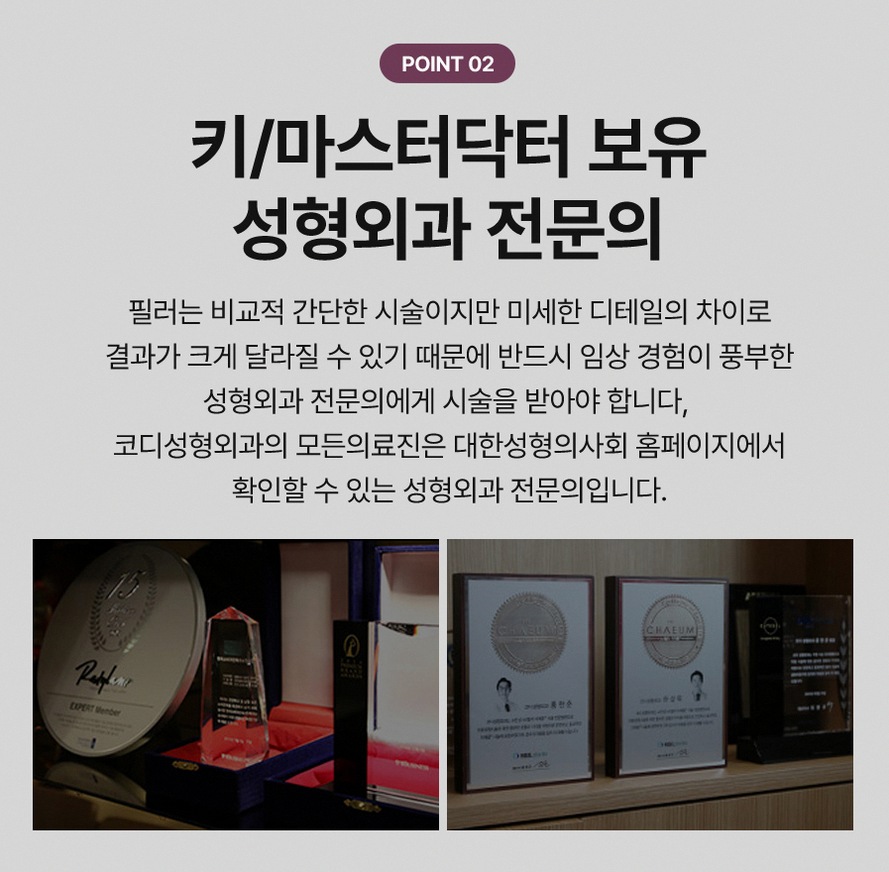
Confirm that the clinic uses hyaluronic acid fillers and has hyaluronidase available on-site. Ask who will actually perform the injections, such as a board-certified plastic surgeon, and how many nose filler procedures they perform regularly.
Evaluate the quality of consultation. Are risks and limitations explained clearly? Does the doctor discuss both filler and surgical options if appropriate? Are they willing to say no to unrealistic requests?
Finally, consider logistics such as distance from Yeoksam Station or Gangnam Station, clinic hours, and whether they can provide guidance in English. This is especially important if you plan a quick visit before or after work or between other activities.
FAQ about Yeoksam-dong nose filler for overseas patients
How long does nose filler usually last in the Yeoksam–Gangnam area?
For most patients, hyaluronic acid nose filler in this area tends to last around 6–12 months before a noticeable decrease in height or definition. Some people feel the effect lasts longer, while others metabolize filler more quickly. The specific product used, injection technique, and your own metabolism all influence duration. Your doctor can give a more tailored estimate after examining your nose.
Is nose filler very painful, and will I be able to go out the same day?
Many reviews describe nose filler as uncomfortable but tolerable, with sensations of pressure, tightness, or brief stinging rather than severe pain. Clinics usually use numbing cream and sometimes local anesthetic, and some fillers contain lidocaine to reduce discomfort. Most people can go out the same day, though mild swelling or redness may be visible, so you may prefer to wear light makeup or a mask for a couple of days.
What are the main risks I should know about before getting nose filler in Yeoksam-dong?
The common minor risks include temporary swelling, redness, tenderness, and small bruises. More serious but rare risks involve blood vessel blockage, which can affect the skin or, in very rare cases, vision. This is why it is important to choose a clinic with experienced injectors, use of hyaluronic acid filler that can be dissolved, and a clear emergency protocol. Discuss your medical history and any previous filler treatments with the doctor before deciding.
As an overseas patient, how should I plan my schedule for nose filler in Seoul?
If possible, plan at least a few days in Seoul after your nose filler appointment. Many patients have consultation and treatment on the same day, then spend the next 2–3 days with mild swelling that gradually improves. Staying nearby allows you to visit the clinic again if you have concerns. Before booking flights, confirm the clinic’s follow-up policy and whether they can support you with remote check-ins once you return home.
Soft call to action for online consultation
ur photos, discuss realistic changes, and outline a visit plan that fits your time in Seoul. Taking time to ask detailed questions in advance will help you feel more confident and prepared before you decide on any procedure.


- 공유 링크 만들기
- X
- 이메일
- 기타 앱


댓글
댓글 쓰기