Overseas patients' realistic expectations
- 공유 링크 만들기
- X
- 이메일
- 기타 앱
Direct answer summary
If you are working or staying around Yeoksam-dong and the Gangnam area and are curious about nose filler effects in Yeoksam-dong, you can generally expect a slightly higher and straighter nose bridge, a smoother side profile, and a more defined tip line without surgery. The procedure is often completed within about an hour, typically uses hyaluronic acid–based fillers, and effects may last several months to over a year depending on the product and individual factors. It is best for low or mildly uneven noses, not for very large, drooping, or severely crooked noses. Because it is temporary and reversible, it can be a practical option for first-time overseas patients visiting Korea.
Overview of non-surgical nose filler
Nose filler is a non-surgical contouring procedure that uses hyaluronic acid gel to refine the bridge and tip of the nose. Instead of cutting or reshaping bone and cartilage, the doctor adds small amounts of volume in specific points to create a smoother, more defined line.
For many people in Yeoksam-dong and Gangnam, the goal is not a dramatic transformation but a more polished profile that looks good in everyday life, selfies, and professional photos. By filling around a small hump or lifting a low bridge, the nose can appear straighter and more balanced with the rest of the face.
Because hyaluronic acid is a substance that also exists naturally in the body, it is gradually broken down over time. This means the effect is not permanent, but it also means that adjustments and reversals are possible if needed.
Who nose filler is suitable for
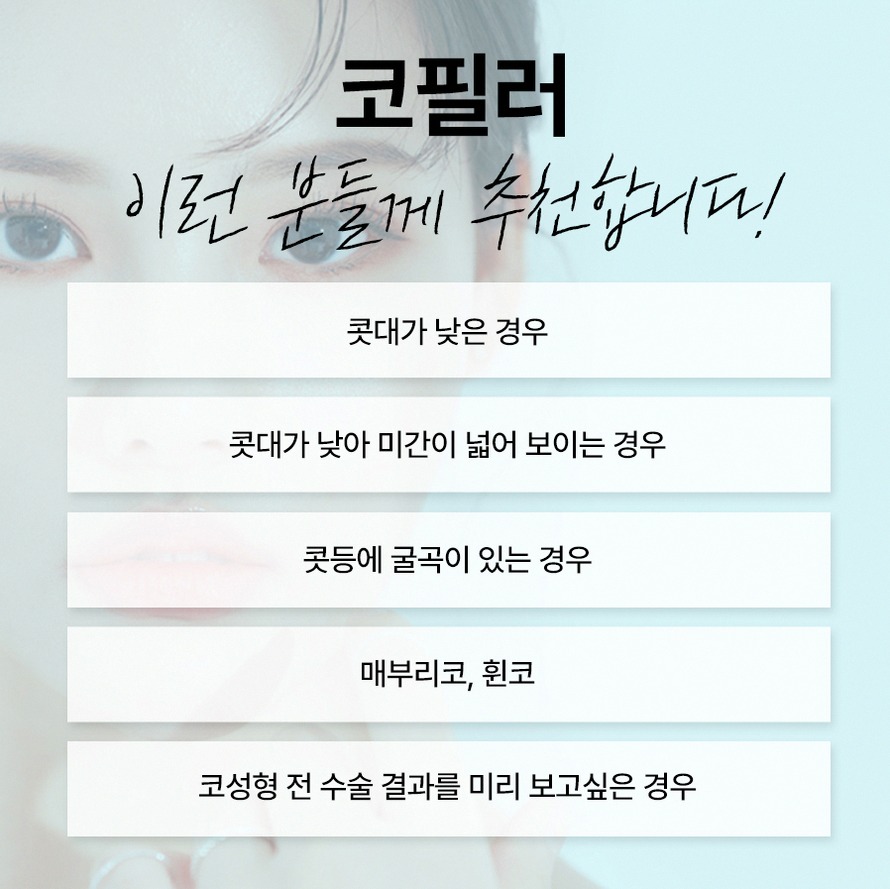
Nose filler tends to work best for certain nose shapes and concerns. It is usually suitable for people who have a relatively low or flat bridge and want a little more height, especially between the eyes. It can also help if you have a small hump on the bridge; by filling just above and below the hump, the side profile can look smoother and straighter.
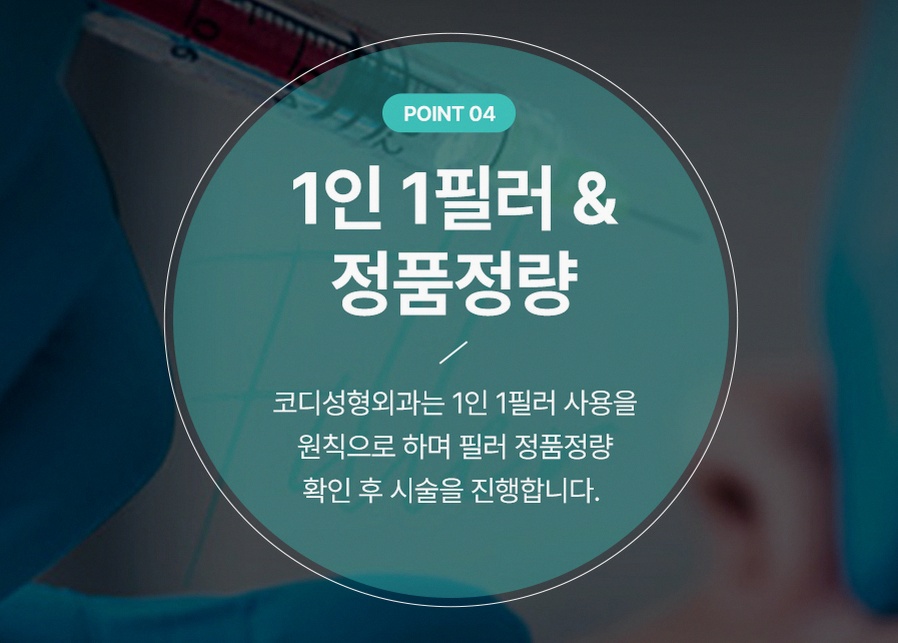
Mild asymmetry, such as one side of the bridge looking slightly uneven, can sometimes be softened with careful filler placement. A slightly more defined tip line can also be created, although the changes at the tip are usually subtle and must respect the natural structure and skin thickness.
On the other hand, nose filler is usually not the right choice for very large noses, strongly drooping tips, or severely crooked noses caused by bone or cartilage deviation. In those cases, surgical rhinoplasty is often needed to change the underlying structure.
For many overseas visitors, one of the main attractions of nose filler is that it is temporary and reversible. If you are unsure about changing your nose or you are nervous about surgery, filler can be a way to test a new contour without committing to a permanent operation.
Main nose filler effects people expect in Yeoksam-dong
Visual effects on the profile
The most common visual effect is a straighter side profile. By placing filler around a small hump on the bridge, the curve of the nose can look smoother. The bridge can also be made slightly higher and more defined, especially in the area between the eyes, which often has a strong impact on how the face looks overall.
In photos, especially selfies and close-up images, a more refined nose line can make the eyes and facial features appear more balanced. Many office workers in the Gangnam and Yeoksam-dong area are looking for this kind of subtle but noticeable improvement that shows up clearly in profile photos, ID pictures, and social media images.
Psychological and lifestyle effects
Beyond the visual changes, nose filler can provide a quick confidence boost. People often schedule the procedure before important events such as job interviews, business profile photos, dates, or weddings. Because the downtime is minimal, it can fit into a busy schedule without requiring days off.
For professionals working near Yeoksam-dong, the convenience is a major factor. It is common to plan a consultation and treatment during a long lunch break or after work, especially with clinics that offer extended evening hours.
Clear limits to understand
It is important to understand that nose filler does not make the nose smaller. In fact, it adds volume. The reason it can look more refined is that the added volume is placed in a way that straightens lines and improves proportions.
Nose filler also does not correct breathing problems or structural issues inside the nose. If you have difficulty breathing, frequent nasal congestion, or a history of nasal trauma, you should discuss this with a doctor and may need a different type of treatment.
Step-by-step procedure process and timing
Consultation and facial analysis
The process usually begins with a one-to-one consultation. The doctor will look at your face from the front and side, checking the balance between your forehead, nose, and chin. You will discuss what kind of change you want: how much higher you want the bridge, whether you want the hump softened, and how defined you want the tip to look.
For overseas patients, this discussion often begins online, using photos or video calls, and is then refined in person once you arrive in Korea.
Design and marking
After agreeing on a realistic goal, the doctor will design the injection plan. They may mark small points along the bridge and tip where filler will be placed. The design aims to improve symmetry and create a smooth profile that matches your facial proportions, rather than simply making the nose as high as possible.
Anesthesia and comfort
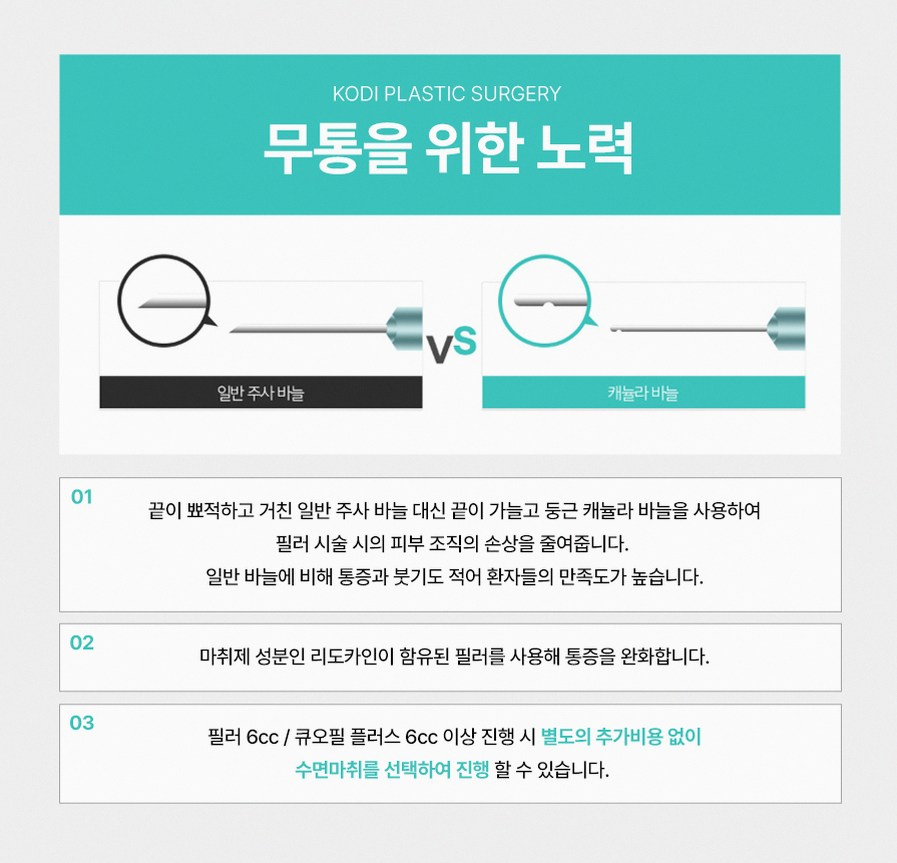
To reduce discomfort, a numbing cream is usually applied to the nose area. In some cases, a small local anesthetic injection may be used. At clinics that perform more complex procedures, a full-time anesthesiology and pain medicine specialist may be present to oversee pain control and safety for invasive treatments, although simple nose filler is generally done with local measures only.
Injection and shaping
The filler is injected in small amounts at a time. The doctor will often pause to check the nose from different angles, both sitting and lying down, to make sure the line is smooth and balanced. The filler may be gently molded by hand to refine the shape.
This step-by-step approach helps reduce the risk of overfilling and allows for small adjustments during the procedure.
Final check and photos
At the end, the doctor will clean the area, check for symmetry, and show you the result in a mirror. Many clinics also take after-photos for their medical records and for future comparison during follow-up visits.
Total time involved
For most people, the entire visit, including consultation and procedure, takes about 30–60 minutes. The injection itself is usually only a few minutes. Most patients can return to work or daily activities immediately, with only mild swelling or redness that typically settles over the next few hours to a couple of days.
Duration of effects and maintenance
How long nose filler lasts
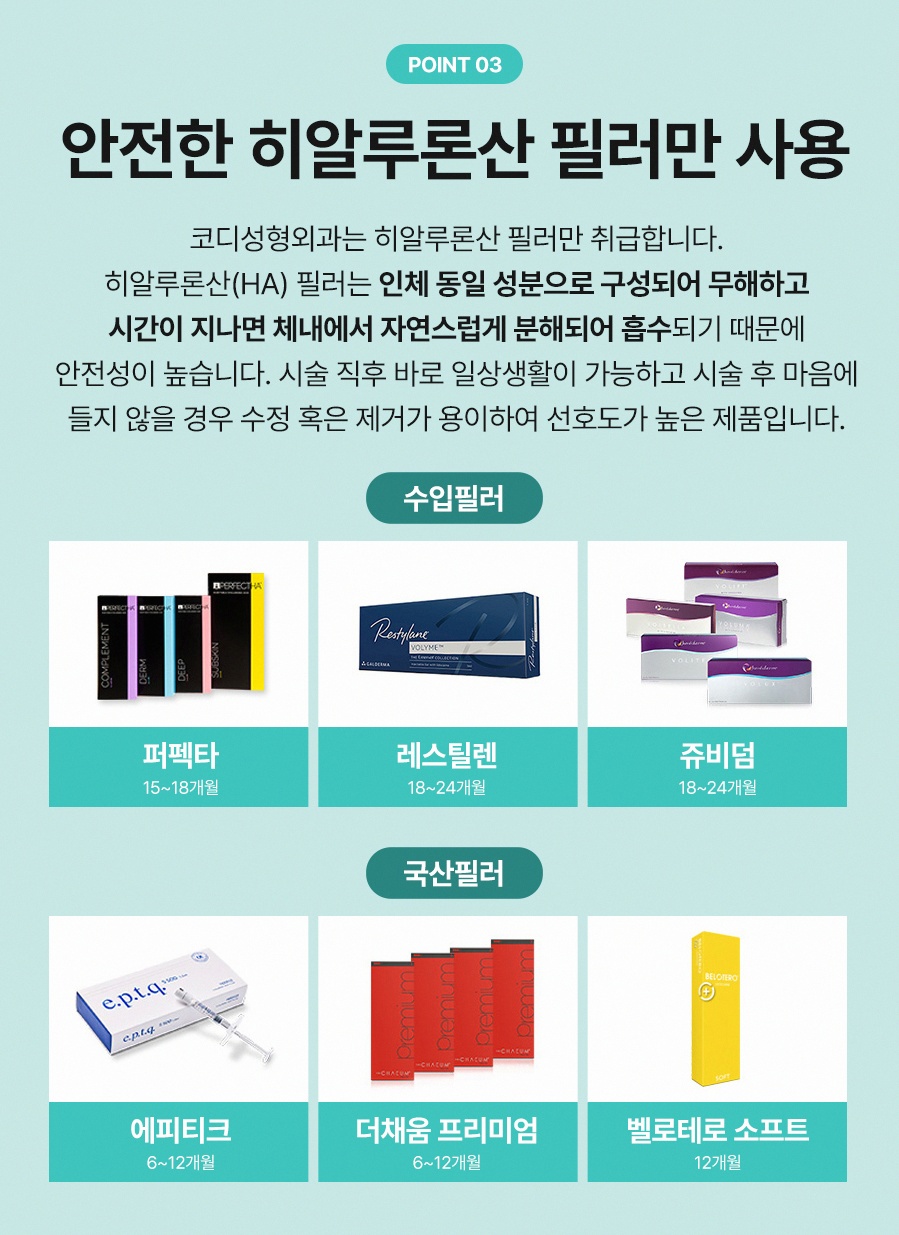
Hyaluronic acid nose filler commonly lasts around 9–18 months. The exact duration depends on the type of filler used, your metabolism, how expressive your face is, and lifestyle factors such as smoking or frequent intense exercise.
The bridge area often holds the filler longer because it moves less. The tip of the nose, which moves more with facial expressions, may see the effect fade a bit sooner.
Maintenance and touch-ups
Many people choose to have small touch-ups before the filler has completely disappeared. This can help maintain a stable nose line over time and avoid large changes between sessions.
However, each touch-up should still respect your natural proportions and skin condition. Overfilling the nose can lead to an unnatural look or unnecessary pressure on the skin. A careful, conservative approach is usually safer and more aesthetically pleasing.
If you decide you no longer want nose filler, you can simply wait for it to gradually dissolve. In some cases, an enzyme called hyaluronidase can be used to dissolve hyaluronic acid filler more quickly.
Safety, risks, and how a filler-focused clinic manages them
Common and mild side effects
After nose filler, it is common to experience temporary swelling, redness, mild bruising, or tenderness around the injection sites. These effects usually improve within a few days. Applying a cold pack gently and avoiding pressure on the nose can help.
You may be advised to avoid glasses pressing heavily on the bridge, intense exercise, alcohol, saunas, or very hot showers for a short period after the procedure.
Less common but serious risks
Nose filler is a delicate procedure because the nose has important blood vessels that connect with the eye area. If filler is accidentally injected into or compresses a blood vessel, it can cause vascular complications, skin discoloration, or tissue damage.
Although these events are rare, they are serious, and this is why nose filler should not be treated as a simple beauty injection. It requires a doctor with detailed knowledge of nasal anatomy and specific filler techniques.
Safety measures at experienced clinics
Clinics that focus on facial fillers usually take several steps to manage risk. They use hyaluronic acid fillers that can be dissolved with hyaluronidase if needed. They also plan injection points and depths carefully to avoid known danger zones and may use techniques designed to reduce the chance of vascular problems.
Pre-procedure screening is important. You should be asked about your medical history, allergies, medications, and any previous nose surgery or filler. This information helps the doctor plan a safer treatment.
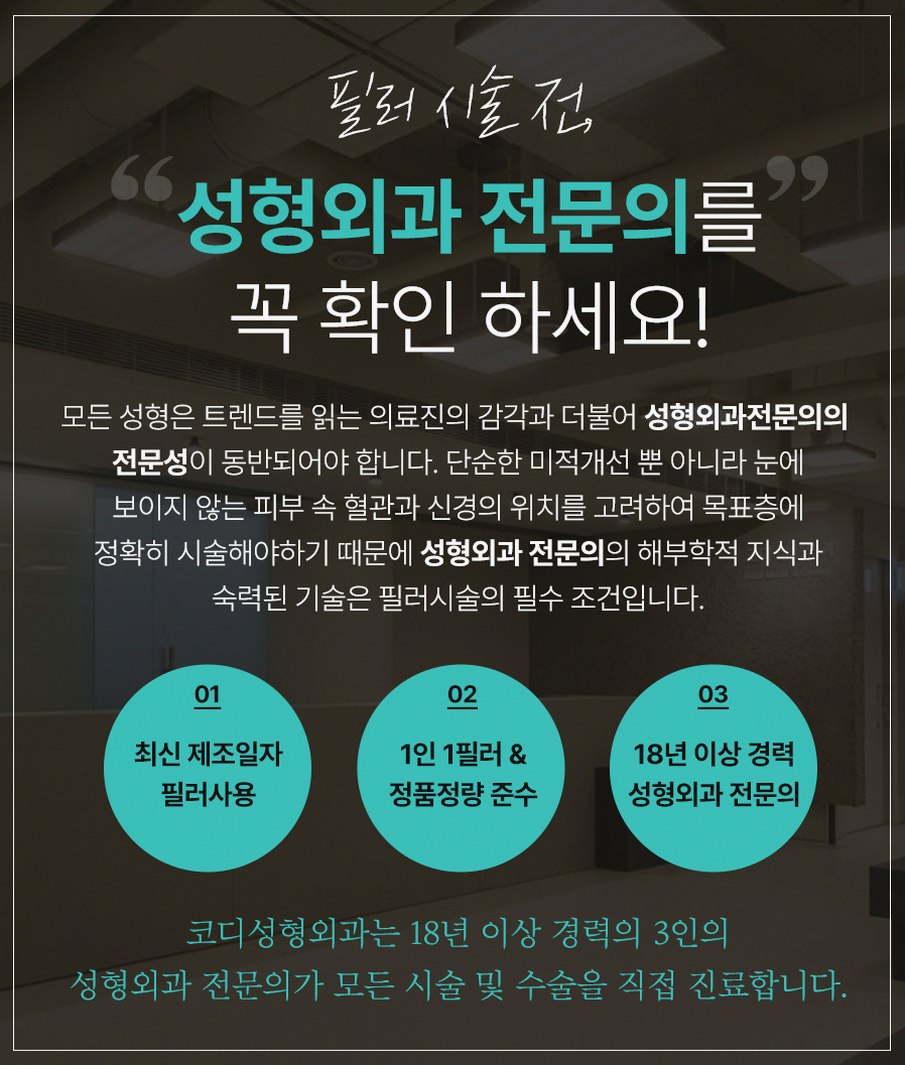
Some clinics, including KODI PLASTIC SURGERY, have a full-time anesthesiology and pain medicine specialist on staff. While nose filler itself is usually done with local numbing, having this specialist available can support overall safety protocols and emergency response for more invasive procedures performed at the same facility.
Why the injector’s experience matters
Because of the nose’s complex anatomy, it is important that the doctor performing the injection is experienced specifically in nose filler, not only in general injectables. Familiarity with different nose shapes, revision cases, and complication management allows for more precise and cautious treatment.
Clinic positioning and expertise
KODI PLASTIC SURGERY is located on Gangnam-daero in Seocho-gu, making it convenient for people who live or work around Yeoksam-dong and the wider Gangnam business district. For overseas patients staying near Gangnam Station, it is typically only a short walk or one subway stop away.
The clinic focuses on eye surgery and facial filler procedures and has a dedicated facial filler center. Rather than using one standard approach, they offer a segmented filler lineup by area, including nose, forehead, cheeks, chin, under-eye, nasolabial folds, and lips. This allows the doctor to design the nose line in harmony with surrounding areas, rather than treating it in isolation.
The medical team includes three board-certified plastic surgeons and one board-certified anesthesiology and pain medicine specialist. For nose filler patients, this combination of structural knowledge and filler experience can be useful, especially in revision or correction cases where previous filler from another clinic needs to be adjusted or dissolved.
Comparison: nose filler vs surgical rhinoplasty
Nose filler advantages
Nose filler is non-surgical, quick, and usually requires minimal downtime. There is no general anesthesia, no cutting, and no need for stitches. For many people, the lower initial cost compared to surgery is also attractive.
Another key advantage is reversibility. If you do not like the result or if there is an issue, hyaluronic acid filler can often be adjusted or dissolved.
Nose filler limitations
The main limitation is that nose filler is temporary. To maintain the effect, you will need repeat treatments. It also cannot correct major structural problems, such as a very large hump, a strongly drooping tip, or severe deviation.
Because filler adds volume, it cannot truly make the nose smaller. It can only reshape the way the existing structure looks by smoothing lines and improving proportions.
Surgical rhinoplasty overview
Surgical rhinoplasty can change the bone and cartilage structure of the nose. It can reduce size, correct significant crookedness, lift or refine a drooping tip, and sometimes improve breathing problems when combined with functional procedures.
However, surgery involves anesthesia, incisions, and a recovery period with swelling and bruising. The cost is higher, and the changes are long-lasting, so the decision requires more careful consideration.
How to decide between filler and surgery
If your concerns are mainly mild height, a small hump, or a slightly uneven bridge, and you prefer a quick, non-surgical option, nose filler is often a suitable first step. It can also help you understand what kind of nose line you like before considering surgery.
If your nose is very large, heavily drooping, or functionally problematic, a consultation about surgical rhinoplasty may be more appropriate. In some cases, doctors may suggest starting with filler to test proportions, then planning surgery later if needed.
What to ask during a Yeoksam-dong nose filler consultation
Key questions to prepare
Before visiting a clinic near Yeoksam-dong, it helps to prepare a short list of questions. Useful questions include asking which filler product will be used for your nose and why that specific product is chosen. You can also ask how many nose filler procedures the doctor performs per month, which gives you a sense of their experience.
It is wise to ask what the plan is if you do not like the result. Will they offer small adjustments, or can they use hyaluronidase to dissolve the filler if necessary? You should also ask how emergencies are handled if a vascular complication occurs, and what signs you should watch for after the procedure.
Personal factors to share
During consultation, share your medical history honestly, including any previous nose surgery or filler, allergies, medications, and tendencies to bruise or scar. Bring clear photos of noses you like, but stay open to the doctor’s advice about what is realistic for your face.
For overseas patients, it is also helpful to discuss your travel schedule. Ask when follow-up should be done, and whether online follow-up via photos or video is possible after you return home.
Online consultation and pre-visit preparation for overseas patients
Many international patients staying or planning to stay near the Gangnam and Yeoksam-dong area start with an online consultation. You can usually send front, side, and three-quarter photos of your face in good lighting, without filters. This allows the doctor to make an initial assessment and suggest whether nose filler is likely to meet your goals.
Before your trip, confirm the clinic’s operating hours, especially if you plan to come on a Thursday evening or Saturday daytime. Clinics in this area often close on Sundays and public holidays, so plan your travel dates accordingly.
Prepare a list of medications and supplements you are taking, and ask whether you should avoid anything before the procedure, such as blood-thinning supplements. If you wear glasses, mention this, as it may affect aftercare instructions.

Expected Korea visit timeline for nose filler
A typical schedule for an overseas patient might look like this:
Day 1: Arrival in Seoul and rest.
Day 2: In-person consultation and nose filler procedure at a clinic near Yeoksam-dong or Gangnam. Total time at the clinic is usually under one hour.
Day 3–4: Light swelling or minor bruising may still be present but usually does not interfere with sightseeing or work.
Day 5–7: Most visible swelling has settled, and the nose line looks more natural.
If your stay is short, try to schedule the procedure early in your visit so that you have at least a few days for any minor swelling to calm before important photos or events.
Aftercare and lifestyle tips
After nose filler, you will usually be advised to avoid pressing or massaging the nose unless the doctor instructs you to do so. Sleeping on your back for the first few nights can help prevent accidental pressure.
Avoid intense exercise, alcohol, very hot baths, and saunas for a short period, as these can increase swelling or bruising. If you wear heavy glasses, ask when it is safe to rest them on the bridge again.
If you notice increasing pain, sudden color changes in the skin, or vision changes, contact the clinic immediately, as these can be signs of a vascular issue that requires urgent attention.
Multilingual support and accessibility
For foreign residents or visitors working in the Yeoksam-dong and Gangnam business districts, language can be a concern. Some clinics in this area provide multilingual support, including English, Chinese, and Japanese information pages, which can make communication smoother.
Because KODI PLASTIC SURGERY is located on Gangnam-daero in Seocho-gu, it is easily accessible from Gangnam Station and the Yeoksam-dong area by subway or on foot. This convenience makes it realistic to fit a consultation and procedure into a lunch break or after-work visit, especially on evenings when the clinic offers extended hours.
FAQ about nose filler effects in Yeoksam-dong
How soon can I see nose filler effects?
Nose filler effects are visible immediately after the procedure. You will see a higher or smoother bridge and a more defined line as soon as the injections are complete. However, mild swelling and redness can slightly change the appearance for the first few days, so the final, settled look is usually judged after about one to two weeks.
How long do nose filler results last in the nose area?
In the nose area, hyaluronic acid filler typically lasts around 9–18 months. The bridge often maintains its shape longer than the tip because it moves less. Individual factors such as your metabolism, lifestyle, and the specific filler product used can influence how long the effect remains noticeable.
Is nose filler painful?
Most people describe nose filler as mildly uncomfortable rather than very painful. Numbing cream and sometimes a small local anesthetic injection are used to reduce pain. You may feel pressure or a brief sting during the injections, but the procedure is usually quick. Any tenderness afterward typically improves within a few days.

Can nose filler be reversed if I do not like it?
Yes, if a hyaluronic acid filler is used, it can often be dissolved with an enzyme called hyaluronidase. This allows the doctor to reduce or remove the filler if the result is not what you expected or if there is a safety concern. It is important to confirm during consultation that a dissolving option is available and to understand how it would be used if needed.
Are there people who should avoid nose filler?
People with certain conditions may be advised to avoid nose filler or to proceed with extra caution. This can include those with active skin infections in the nose area, severe allergies to filler components, uncontrolled autoimmune diseases, or a history of serious vascular complications from previous fillers. Pregnant or breastfeeding individuals are often advised to postpone elective filler treatments. A detailed consultation with a qualified doctor is essential to decide whether nose filler is appropriate for you.
Soft call to action for online consultation
If you are an overseas patient staying near Yeoksam-dong or planning a visit to the Gangnam area and are considering nose filler, starting with an online consultation can help you understand what is realistically possible for your nose shape and schedule. By sharing clear photos and your travel dates in advance, you can receive a more tailored plan and reduce uncertainty before you arrive.
KODI PLASTIC SURGERY offers facial filler-focused care with convenient access from Gangnam Station, making it practical to fit nose filler into a business trip or short stay in Seoul. If you are ready to explore whether nose filler is suitable for you, consider reaching out for an online consultation to discuss your goals, safety questions, and ideal timing for treatment during your visit to Korea.




- 공유 링크 만들기
- X
- 이메일
- 기타 앱


댓글
댓글 쓰기