Quick, low‑downtime nose filler on Gangnam‑daero
- 공유 링크 만들기
- X
- 이메일
- 기타 앱

Direct answer: Sinnonhyeon nose filler is a quick, non-surgical way to refine the nose shape using hyaluronic acid filler in the Gangnam-daero area of Seocho-gu. For many overseas patients, it can be done in a short visit to Seoul with minimal downtime, as long as it is performed by experienced plastic surgery specialists with strong safety systems.
What is nose filler and how does it work?
Nose filler is a non-surgical nose augmentation using injectable hyaluronic acid gel. Hyaluronic acid is a substance that naturally exists in the body and is widely used in aesthetic medicine because it can add volume and structure while remaining reversible.
In the nose, filler is usually placed along the bridge and sometimes at the tip to create a higher, straighter, and more defined profile. Instead of cutting bone or cartilage as in surgical rhinoplasty, the doctor sculpts the nose line by adding small amounts of filler in precise locations.
The result can make a low or flat bridge look higher, soften a small hump, and smooth out minor irregularities. The effect is visible immediately after the procedure, with only mild swelling in most cases.
Who may consider Sinnonhyeon nose filler?
Nose filler near Sinnonhyeon Station is often chosen by:
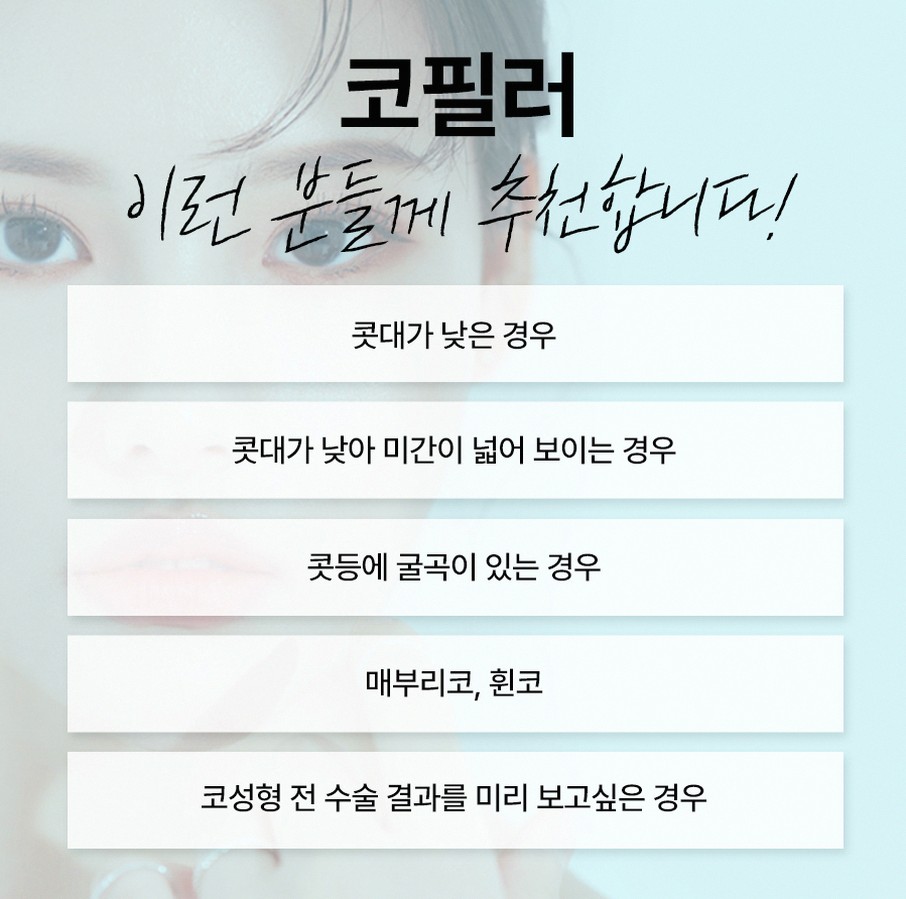
People with a low or flat nasal bridge who want more height and definition without surgery.
Office workers and students in the Gangnam and Seocho areas who want a lunch-time or after-work procedure with short recovery.
Overseas visitors who plan a brief stay in Seoul and prefer a minimally invasive option.
Patients who want to test a new nose shape before deciding on permanent rhinoplasty.
People with mild irregularities or slight asymmetry after previous nose surgery, when the doctor judges that filler can safely camouflage the contour.
However, nose filler is not suitable for everyone. It cannot narrow a wide nose, reduce a large bulbous tip, or correct severe crookedness or breathing problems. Those issues usually require surgical rhinoplasty.
Sinnonhyeon and Gangnam-daero context
The Sinnonhyeon area along Gangnam-daero in Seocho-gu is a busy business and shopping district with many medical facilities. KODI PLASTIC SURGERY is located on the 13th floor of a building on Gangnam-daero, within easy reach of Sinnonhyeon Station, and focuses on eye surgery and filler procedures, including a dedicated nose and facial filler center.
For international patients, this location is convenient if you are staying in Gangnam, Seocho, or nearby business districts. The clinic offers multilingual online information in English, Chinese, and Japanese, which can help you understand the procedure before you travel.
How nose filler differs from surgical rhinoplasty
Nose filler and surgical rhinoplasty share the same goal of improving nose shape, but they work in very different ways.
Nose filler is a non-surgical, injectable treatment. It adds volume to raise or refine the bridge and sometimes the tip. It is best for subtle to moderate changes, such as making a low bridge higher or smoothing a small irregularity. The procedure is quick, and most people return to daily life almost immediately. The result is temporary and usually lasts several months to more than a year, depending on the filler and individual metabolism.
Surgical rhinoplasty involves reshaping bone and cartilage. It is better for major structural changes, such as reducing a large hump, narrowing a wide nose, lifting a drooping tip, or correcting severe deviation and functional breathing problems. Recovery is longer and may involve swelling and bruising for weeks, but the structural changes are more permanent.
A clinic that performs both filler and surgical nose procedures can explain which option is more suitable for your goals and anatomy, rather than trying to fit every patient into one method.
Treatment overview and what nose filler can and cannot do
Nose filler can improve:
A low or flat nasal bridge that lacks height in profile.
Mild saddle nose or a small hump that can be visually straightened by adding filler around it.
Slight asymmetry or small irregularities along the bridge.
Nose filler cannot:
Make a very wide nose significantly narrower.
Reduce a large bulbous tip or thick skin.
Correct severe crookedness of the nose or nasal septum.
Solve functional breathing problems.
Replace full rhinoplasty when a major shape change or internal structural correction is needed.
Understanding these limits is important so you do not expect changes that are not realistic with an injectable procedure.
Clinic approach and safety focus
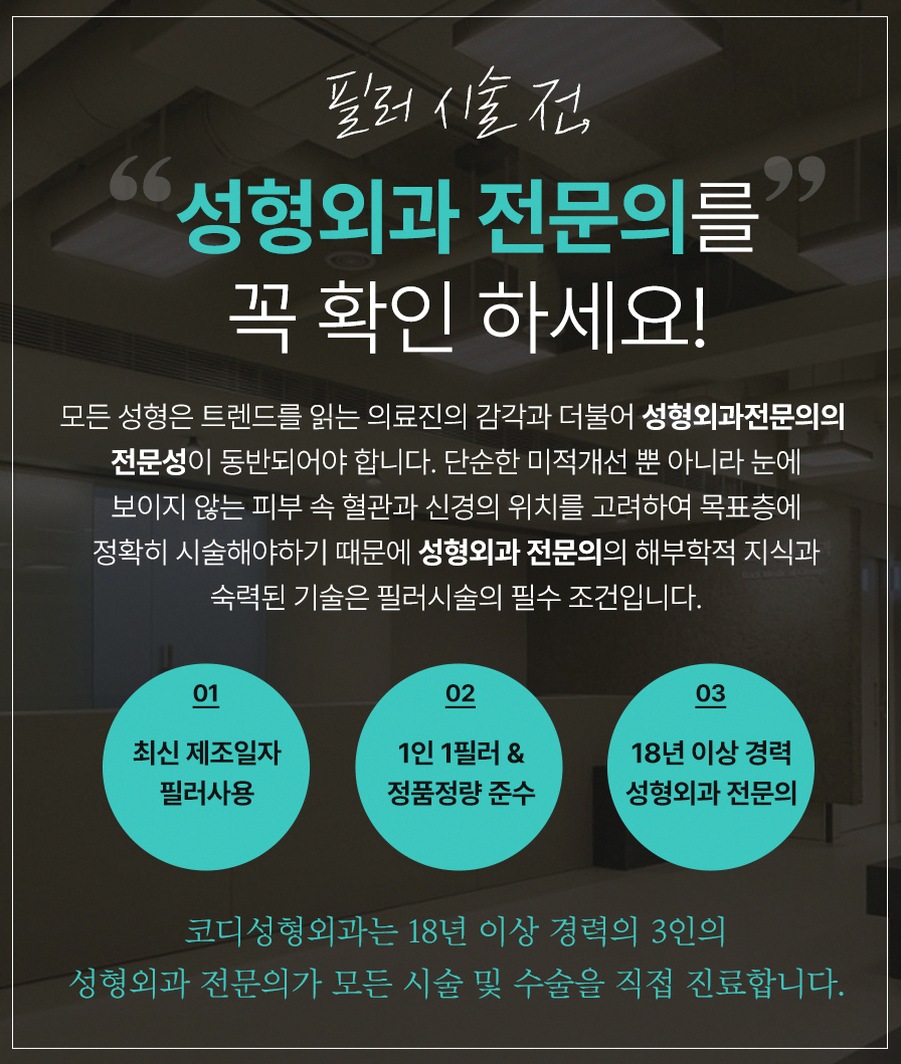
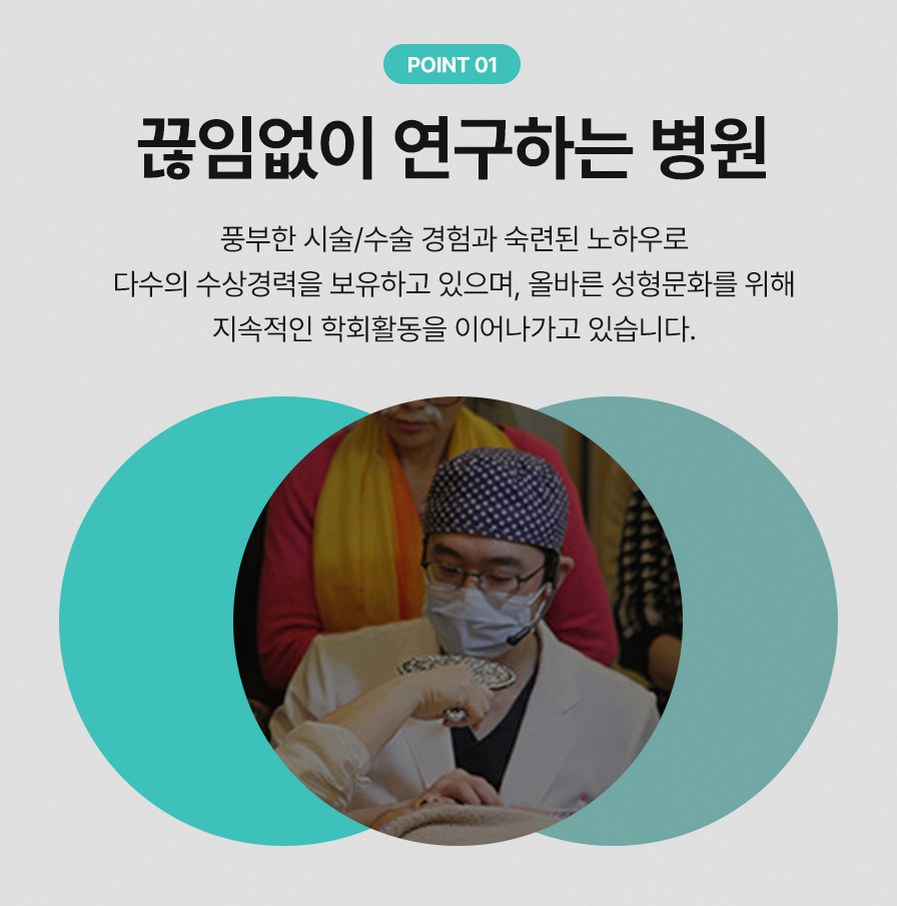
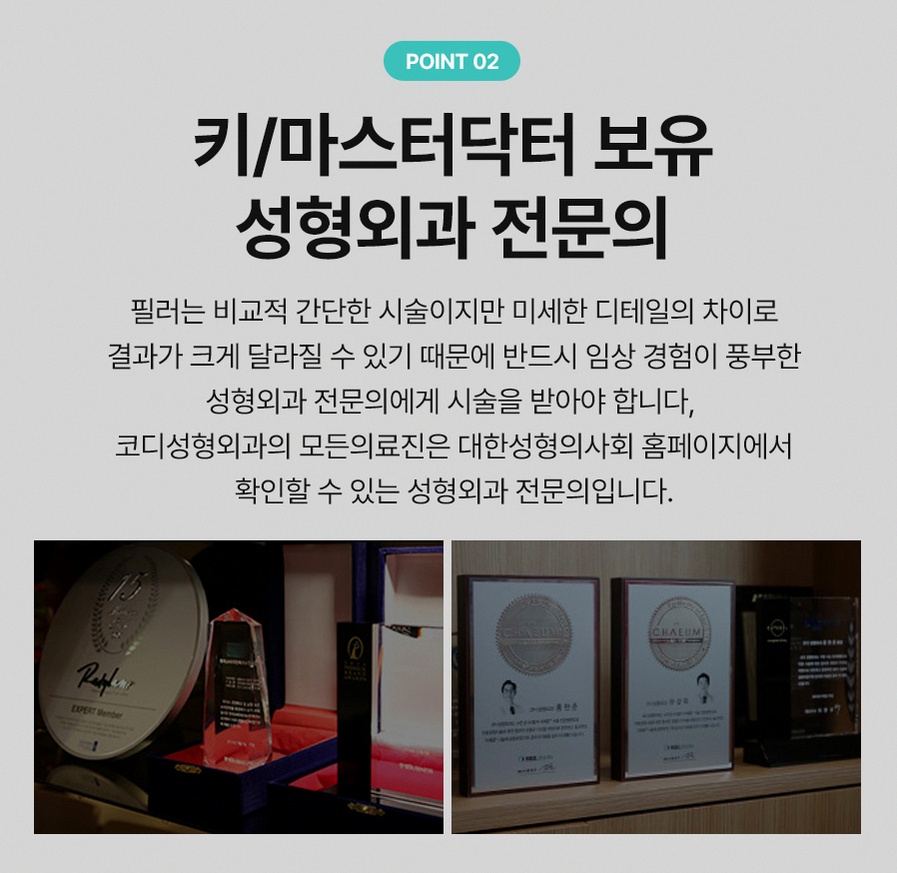
At KODI PLASTIC SURGERY, nose filler is part of a broader nose and facial filler center, not just a simple one-point injection. The medical team includes three plastic surgery specialists who perform filler procedures, and an in-house anesthesiology and pain medicine specialist, Dr. Yoon Hong-jun, who supports safety and monitoring, especially when filler is combined with other treatments or when sedation is used.
The nose is considered a higher-risk area for filler because of its dense blood vessel network and connections to the eye circulation. For this reason, knowledge of detailed anatomy and emergency protocols is essential. The clinic emphasizes systematic design of the nose line in harmony with the forehead, lips, and chin, and has protocols to manage rare but serious complications such as vascular occlusion.
Step-by-step procedure flow
Consultation and analysis
Your visit usually begins with a detailed consultation. The doctor will ask what bothers you most: a low bridge, an uneven profile, dissatisfaction after previous surgery, or a wish to preview a surgical result.
They will examine your face from the front and side, checking the balance between forehead, nose, lips, and chin, and the angle between the nose and forehead. They will explain what can realistically be achieved with filler, and what would require surgical rhinoplasty instead.
Your medical history is reviewed, including allergies, previous fillers or surgeries, medications, and any conditions that may increase risk, such as clotting problems or autoimmune disease.
Design and planning
Based on your goals and anatomy, the doctor will decide the target height and line of the nasal bridge and whether a small refinement of the tip is safe and appropriate.
Injection points are usually marked along the midline of the nose to reduce asymmetry and lower the chance of hitting blood vessels. A suitable hyaluronic acid filler type and viscosity are chosen to provide enough support while remaining moldable.
Preparation
The skin of the nose and surrounding area is thoroughly cleansed and disinfected. A topical anesthetic cream is often applied, and in some cases a small amount of local anesthetic is injected to improve comfort.
Before starting, the doctor will explain what you may feel during the procedure, such as pressure, a stinging sensation, or mild discomfort.
Injection process
The doctor may use a fine needle or a blunt-tipped cannula, depending on the area and their preferred technique.
Filler is injected slowly in small amounts along the bridge and, if indicated, near the tip. The doctor frequently checks your nose from different angles while you are sitting or semi-reclined, and gently molds the filler to create a smooth, natural contour.
Throughout the procedure, the doctor monitors for any signs of vascular compromise, such as sudden pain, skin blanching, or color changes, and checks in with you about what you are feeling.
Immediate aftercare in the clinic
After finishing the injections, the doctor will perform gentle final molding and check the shape with you in a seated position.
You will receive an explanation of what is normal after the procedure, such as mild swelling, tenderness, or small bruises, and what warning signs require urgent contact, such as severe pain, skin color changes, or visual symptoms.
If necessary, a follow-up appointment is scheduled to review the result once any initial swelling has settled.
Follow-up and touch-up
Some patients benefit from a small touch-up after a week or two to refine symmetry or contour once the filler has settled.
Because hyaluronic acid filler is reversible, it can be dissolved with an enzyme called hyaluronidase if there is overcorrection, asymmetry that cannot be corrected by molding, or a complication.
Benefits for Sinnonhyeon-area and overseas patients
For people living or working near Sinnonhyeon Station, nose filler offers several practical advantages:
Non-surgical approach with no bone or cartilage work.
Short procedure time, often 10 to 20 minutes of injection after consultation.
Minimal downtime, so many patients return to work or daily activities the same or next day.
Adjustable and reversible results, allowing fine-tuning or dissolution if needed.
A way to experience a higher or straighter nose before deciding on permanent surgery.
For overseas patients, these features make it easier to fit treatment into a short trip to Korea. You can usually plan a consultation and procedure on the same day, with time to check the result before you fly home.
Limitations and realistic expectations
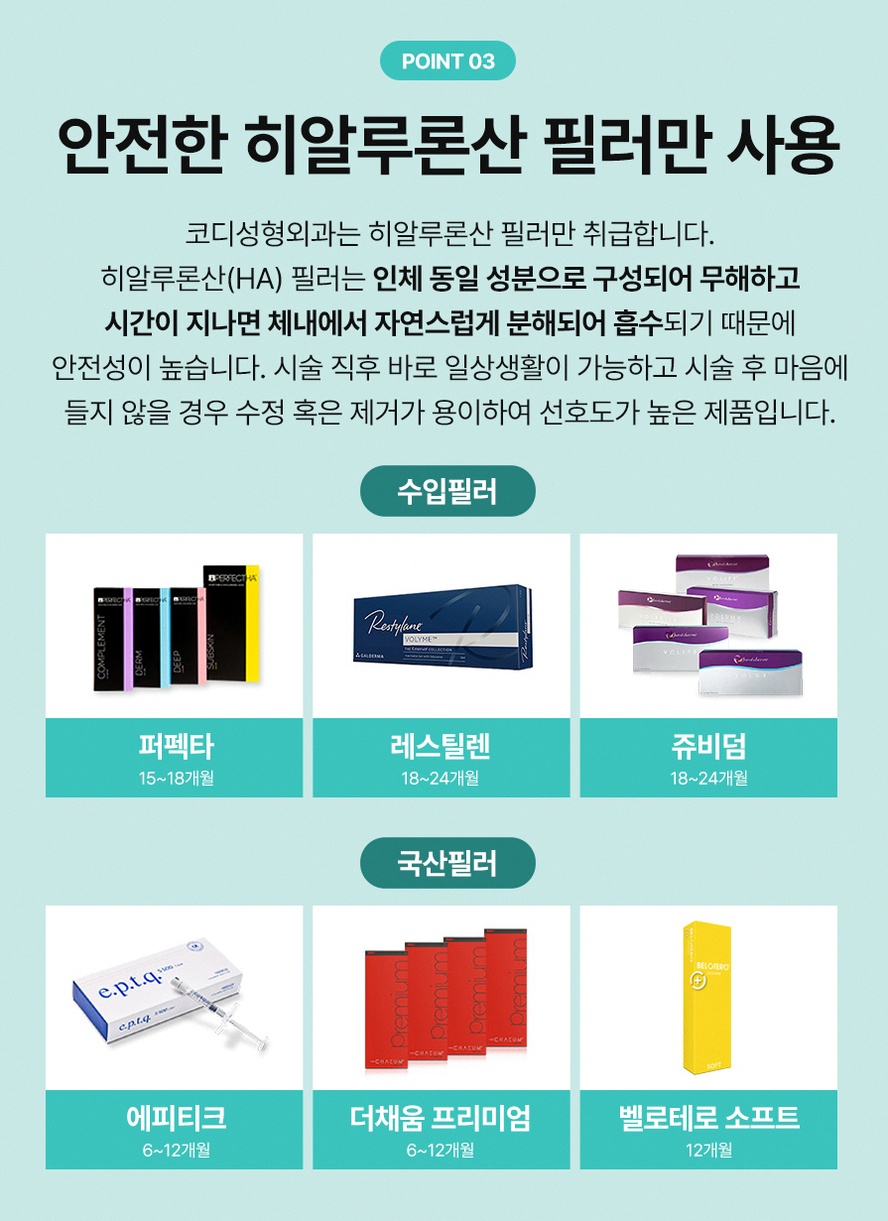
The main limitation of nose filler is that it is temporary. Depending on the filler used, your metabolism, and how much your nose moves or is pressed, the effect typically lasts around 6 to 18 months. Maintenance sessions are needed to keep the result.
There is also a limit to how much filler can be safely injected. Too much volume can look unnatural and may increase risk. A careful doctor will stay within safe ranges, even if that means a less dramatic change.
Nose filler is not the right solution for every nose. If your main concern is a very wide nose, large bulbous tip, or severe deviation, a responsible clinic will explain that surgery is more appropriate.

Safety, risks, and how they are managed
Nose filler is considered a higher-risk filler area because some blood vessels in the nose connect to the arteries that supply the eyes. If filler accidentally enters these vessels, it can cause serious complications, including skin damage or, very rarely, visual problems.
To reduce these risks, experienced doctors:
Perform a thorough pre-procedure assessment and explain both benefits and risks.
Use careful injection techniques, such as slow injection, small amounts, and appropriate choice of needle or cannula.
Continuously monitor skin color and your feedback during the procedure.
Keep emergency medications such as hyaluronidase immediately available, along with clear protocols for managing suspected vascular occlusion.
At a clinic with an in-house anesthesiology and pain medicine specialist, like KODI PLASTIC SURGERY, overall safety systems and monitoring can be supported, especially when combining procedures or treating patients with more complex medical backgrounds.
While serious complications are uncommon when nose filler is performed properly, they are not zero. Choosing a clinic with plastic surgery specialists and established safety protocols is essential.
Who is a good candidate and who should avoid it?
Good candidates for nose filler include adults who:
Want a higher or more defined nasal bridge without surgery.
Have mild contour irregularities or asymmetry that can be improved by adding volume.
Understand that results are temporary and will require maintenance.
Have realistic expectations about how much change is possible without surgery.
Nose filler may not be suitable if you have:
Active skin infection or inflammation around the nose.
A known allergy to filler components or a history of severe reaction.
Uncontrolled systemic disease, such as severe cardiovascular disease or poorly controlled diabetes, without medical clearance.
Pregnancy or breastfeeding, where elective fillers are often avoided as a precaution.
Unrealistic expectations or strong body image concerns that are unlikely to be resolved by a minor aesthetic procedure.
Final eligibility is always decided after in-person consultation and medical evaluation.
Aftercare and recovery
Most people experience only mild swelling, redness, or tenderness for a few days after nose filler. Small bruises can occur but usually fade within a week or so.
Common aftercare recommendations include:
Avoid pressing or massaging the nose unless your doctor specifically instructs you to do so.
Try not to sleep face-down or put strong pressure on the nose for a certain period.
Avoid wearing heavy glasses that press on the bridge immediately after treatment if your doctor advises this.
Refrain from saunas, hot baths, intense exercise, and alcohol for a short time to minimize swelling and bruising.
Keep the injection sites clean and avoid makeup on them for the first day if recommended.
Attend scheduled follow-up visits to check the shape and safety.
You should contact the clinic immediately if you notice warning signs such as sudden severe pain or burning, skin color changes (whitening, mottling, or darkening), visual disturbances, or rapidly increasing swelling, redness, or fever.
Online consultation and pre-visit preparation for overseas patients
If you are planning to travel to Seoul for Sinnonhyeon nose filler, an online consultation before your trip is very helpful.
Before contacting the clinic, prepare:
Clear front and side photos of your face in good lighting, without filters.
A brief description of what you want to change about your nose.
Information about any previous nose surgery or filler, including when and where it was done.
A list of your medical conditions, medications, and allergies.
Questions you want to ask about procedure steps, recovery, and risks.
During online consultation, you can discuss whether filler is suitable, how much change is realistic, and how to plan your travel schedule. Because KODI PLASTIC SURGERY has multilingual web pages, communication can be easier for international patients.
Expected Korea visit timeline
Many overseas patients can follow a simple schedule:
Day 1: In-person consultation, facial analysis, and, if appropriate, nose filler treatment on the same day.
Day 2 to 3: Light swelling and possible minor bruising. You can usually continue sightseeing or business activities, avoiding heavy exercise and strong pressure on the nose.
Day 4 to 7: Swelling generally improves, and the nose line looks more settled. If you are staying longer, a brief follow-up can be scheduled.
If your stay in Korea is short, it is often enough to have at least one or two days after the procedure before flying home, in case you need to visit the clinic again for a quick check.
How to compare clinics and what to ask before booking
When comparing clinics around Sinnonhyeon for nose filler, it is helpful to look beyond price alone.
Check whether the procedure is performed by plastic surgery specialists.
Ask how often they perform nose filler and what their approach is to high-risk areas.
Confirm that they have clear emergency protocols and immediate access to hyaluronidase.
Ask what type of filler will be used, how long it typically lasts, and whether it is reversible.
Clarify how many follow-up visits are included and how they support overseas patients after you return home.
Before your consultation, you may want to write down questions such as:
Is my nose shape suitable for filler, or would surgery be safer or more effective?
How much change can I realistically expect from filler alone?
What are the main risks in my specific case, and how would you manage them?
How long should I stay in Korea after the procedure, and what should I avoid during that time?

Frequently asked questions about Sinnonhyeon nose filler
How long does nose filler last, and how often will I need maintenance?
The duration of nose filler depends on the type of hyaluronic acid used, your metabolism, and lifestyle factors. Many patients notice that the main effect lasts around 6 to 18 months, with gradual softening over time. When you feel the bridge has lowered or the contour is less defined, you can schedule a maintenance session. Your doctor can suggest an approximate interval based on your first result.
Can nose filler make my nose look smaller, or only higher?
Nose filler mainly works by adding volume, so it is more effective at making the bridge higher and the profile straighter rather than making the nose physically smaller. However, by creating a smoother, more defined line, the nose can sometimes appear more refined and balanced with the rest of the face. If your main goal is to reduce the size or width of the nose, surgical rhinoplasty is usually more appropriate.
Is nose filler safe, and what are the possible side effects?
When performed by experienced doctors with proper techniques and safety systems, nose filler is generally well tolerated. Common temporary side effects include swelling, redness, tenderness, and small bruises. More serious complications, such as vascular occlusion, skin necrosis, infection, or visual problems, are rare but can occur, especially if the injector is not familiar with nasal anatomy. This is why choosing a clinic with plastic surgery specialists and clear emergency protocols is important.
How soon can I go back to work after nose filler near Sinnonhyeon?
Most people can return to office work or light daily activities on the same day or the next day after nose filler. There may be mild swelling or small bruises, but these can often be covered with makeup after the first day if your doctor allows it. You should avoid heavy exercise, saunas, and strong pressure on the nose for a short period, according to your doctor’s instructions.
Is nose filler reversible if I do not like the result?
Yes, hyaluronic acid filler can usually be dissolved with an enzyme called hyaluronidase. If there is overcorrection, a shape you are not satisfied with, or a complication, the doctor can inject hyaluronidase to break down the filler. The decision to dissolve all or part of the filler is made after careful consultation and examination.
Soft call to action for online consultation
If you are considering Sinnonhyeon nose filler during a visit to Seoul, an online consultation with KODI PLASTIC SURGERY can help you understand whether filler is suitable for your nose and how to plan your trip. You can share photos, discuss your goals, and receive guidance on expected results, safety, and scheduling before you book flights and accommodation.
By preparing your questions in advance and choosing a clinic with a structured nose and facial filler center, multiple plastic surgery specialists, and an in-house anesthesiology and pain medicine specialist, you can approach nose filler in the Gangnam-daero area with more confidence and realistic expectations.



- 공유 링크 만들기
- X
- 이메일
- 기타 앱


댓글
댓글 쓰기