Sinnonhyeon thread lift cost & what overseas pay
- 공유 링크 만들기
- X
- 이메일
- 기타 앱

Direct answer: Sinnonhyeon thread lift cost overview
If you are searching for Sinnonhyeon thread lift cost, most clinics in this Gangnam area price non‑incisional thread lifting according to how many areas are treated (mid‑face only versus mid‑face plus jawline and nasolabial support), the type and number of threads used, and whether sedation, detailed monitoring, and follow‑up care are included. Instead of one fixed price, you can expect a range that changes with the complexity of your sagging, the brand and length of threads, and whether a plastic surgeon performs the procedure in a fully equipped surgical setting.
KODI PLASTIC SURGERY, located on Gangnam‑daero near Sinnonhyeon Station, offers non‑incisional thread lifting as part of a wider anti‑aging program that also includes injectables and surgical lifting. For overseas patients, this setting can make it easier to balance cost, safety, and realistic expectations.
What is non‑incisional thread lifting
Thread lifting is a minimally invasive anti‑aging procedure that uses dissolvable threads placed under the skin to gently lift sagging tissue and support facial contours. The threads are typically absorbable suture materials. They are inserted through tiny entry points rather than long incisions, so there is no need for skin cutting in the traditional sense.
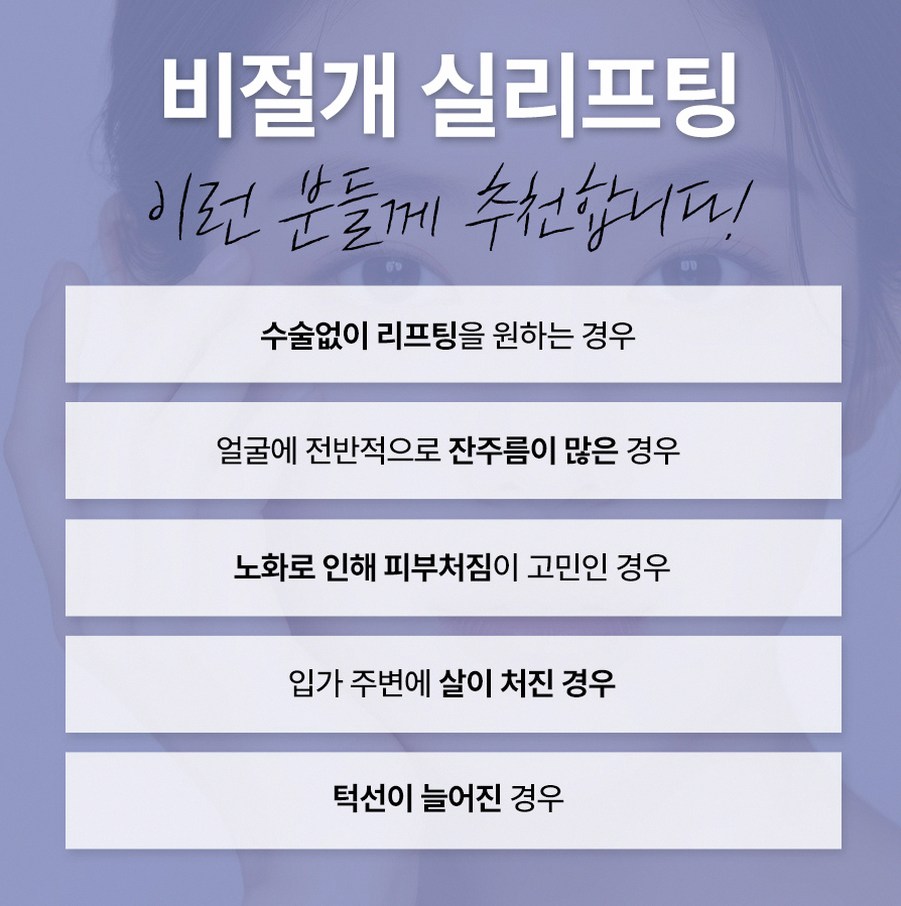
In the mid‑face and lower face, thread lifting is commonly used to improve early jowls, a blurred jawline, mild to moderate cheek sagging, deepening nasolabial folds, and the first signs of marionette lines around the mouth. By anchoring and repositioning the soft tissue, the jawline can look cleaner and the cheeks more lifted without a full surgical facelift.
At clinics that focus on anti‑aging, thread lifting sits alongside treatments such as Botox for muscle‑related wrinkles, contour injections or fillers for volume loss, fat grafting for more structural changes, and mini or full facelift for more advanced sagging. This is important because many patients do not need only one type of treatment. A careful plan often combines threads with volume correction or wrinkle relaxation to achieve a balanced result.
Compared with a surgical facelift or mini facelift, non‑incisional thread lifting usually involves smaller entry points, shorter downtime, and less swelling. However, the lifting effect is more limited and temporary, and it is not a substitute for surgery in cases of severe laxity or very heavy lower‑face tissue.

Sinnonhyeon and Gangnam location context
Sinnonhyeon is a busy area on Gangnam‑daero in Seocho‑gu, Seoul. It is known for its dense concentration of aesthetic and plastic surgery clinics, which creates strong price competition for procedures such as thread lifting. For international visitors, the area is easy to access by subway and airport buses, and it is surrounded by hotels, cafes, and shopping.
KODI PLASTIC SURGERY is located on Gangnam‑daero within convenient walking distance of Sinnonhyeon Station. This makes it a realistic option for anyone specifically searching for Sinnonhyeon thread lift cost while also wanting a clinic that offers both non‑surgical and surgical anti‑aging options.
In this part of Gangnam, price differences between clinics usually reflect several elements: the experience of the surgeon performing the thread lift, the type and brand of thread used, how carefully the pre‑treatment evaluation is done, and how structured the follow‑up program is. When comparing quotes, it is helpful to understand these background factors rather than assuming every thread lift is the same.
What affects Sinnonhyeon thread lift prices
Treatment area and number of threads
The first major cost driver is how many areas are treated and how many threads are needed. Treating only the mid‑face to slightly elevate the cheek area will generally require fewer threads than a plan that covers the mid‑face, jawline, and additional support for the nasolabial folds.
More threads and more lifting vectors mean more material cost and more procedure time. If one clinic quotes a very low price but includes only a small number of threads, the visible change may be modest, and you might need an additional session, which increases the total cost.
Thread type and brand
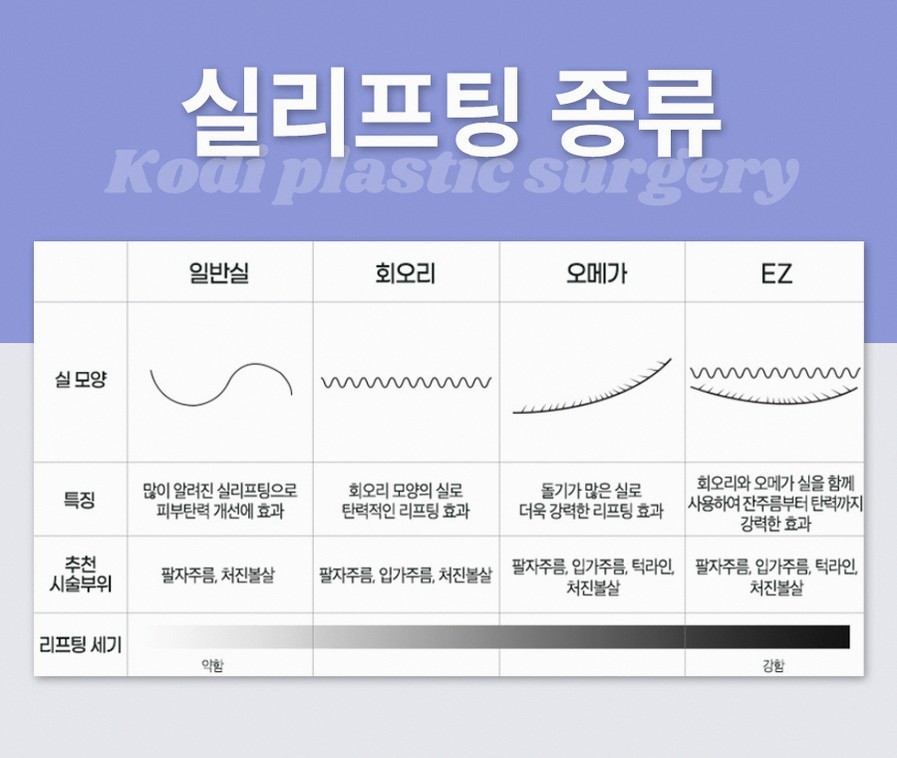
There are different categories of threads. Cog threads with barbs or cones are designed to physically lift and hold tissue, while smoother threads are often used mainly for collagen stimulation and skin quality rather than strong lifting.
Premium, longer‑lasting threads from well‑known manufacturers usually cost more. Some are designed with specific shapes or anchoring systems to improve stability. A clinic that invests in higher‑quality, branded threads may charge more per session, but the effect and durability can be different from very low‑cost options.
Degree of sagging and complexity
Mild early sagging in a patient with good skin thickness is usually simpler to treat than heavier tissue, marked asymmetry, or a revision case after previous thread lifting or surgery. More complex situations may require more threads, more careful planning of lifting directions, and more time in the procedure room.
This added complexity is reflected in the fee. When you receive an online quote, it is important to understand that the final cost may change after an in‑person examination of your skin quality, volume loss, and facial structure.
Who performs the procedure
In Sinnonhyeon and the wider Gangnam area, thread lifting can be offered in a variety of settings, from simple aesthetic salons to fully equipped plastic surgery clinics. When a board‑certified plastic surgeon performs the procedure in a surgical environment with proper monitoring, the price is usually higher than in a basic aesthetic shop.
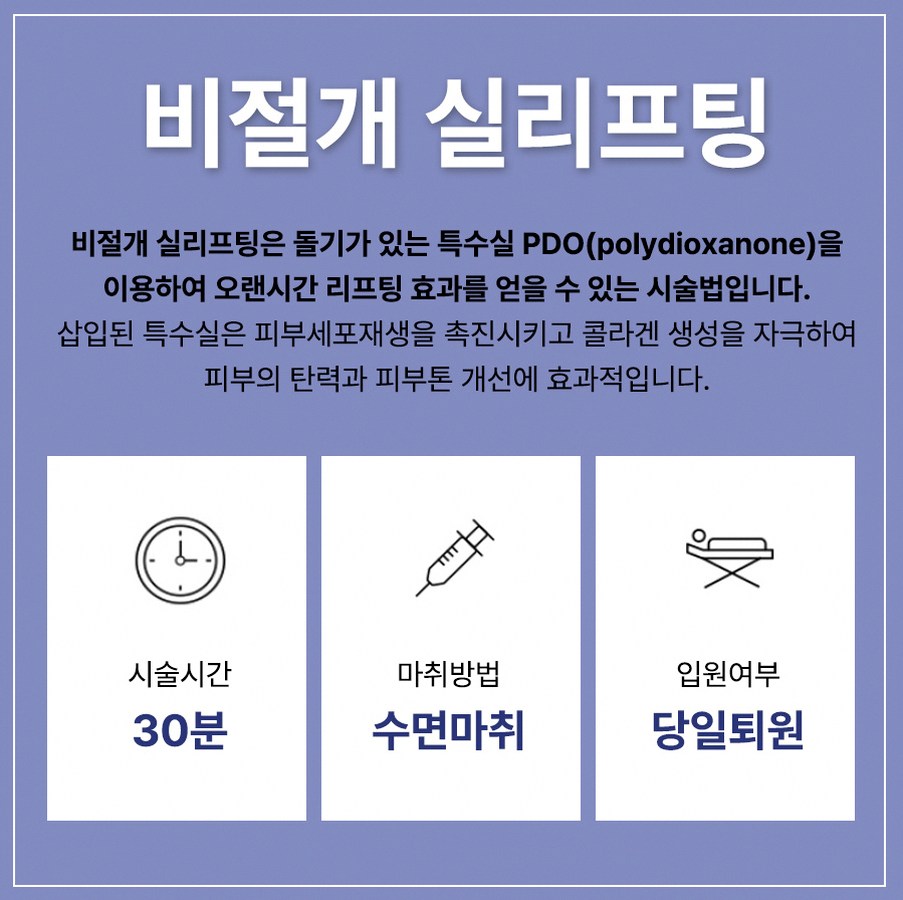
This difference is related to the surgeon’s training, the ability to handle complications, and the availability of alternative options such as mini facelift or full facelift when threads alone are not suitable. For overseas patients, paying more for a structured medical setting can be a meaningful safety investment.
Anesthesia and monitoring
Most thread lifting is done under local anesthesia, sometimes combined with mild sedation for patients who are anxious or undergoing more extensive lifting. Using only basic local anesthesia without monitoring is less costly, but it may not be comfortable for everyone.
Clinics that work with an in‑house anesthesiology and pain medicine specialist, and that provide continuous monitoring during sedation, will have higher overhead costs. This can increase the thread lift fee slightly, but it also improves safety, especially for longer or combined anti‑aging procedures.
Included services
When comparing Sinnonhyeon thread lift cost, check what is included in the quoted fee. Some clinics include only the procedure itself, while others bundle the initial consultation, pre‑treatment imaging or skin assessment if needed, post‑treatment check‑ups, and management of bruising or swelling.
A quote that looks higher at first may actually be more complete, with structured follow‑up visits and clear access to the medical team if you have concerns during recovery. For international patients, this can reduce stress and unplanned expenses.
Combination treatments
Thread lifting is often combined with other anti‑aging treatments such as Botox, fillers, contour injections, or fat grafting. These additions increase the total budget, but they may improve facial balance and the overall impression of youthfulness more than threads alone.
For example, a patient with sagging cheeks and deep nasolabial folds may benefit from both lifting threads and volume restoration in the mid‑face. Although the upfront cost is higher, the combined plan can be more cost‑effective than repeating single treatments that only partially address the problem.
In Sinnonhyeon, very low prices can sometimes mean fewer threads, less time per patient, limited follow‑up, or minimal anesthesia support. When a quote seems unusually cheap, it is important to ask detailed questions about thread type, number, who performs the procedure, and what aftercare is included.
How this clinic approaches thread lifting
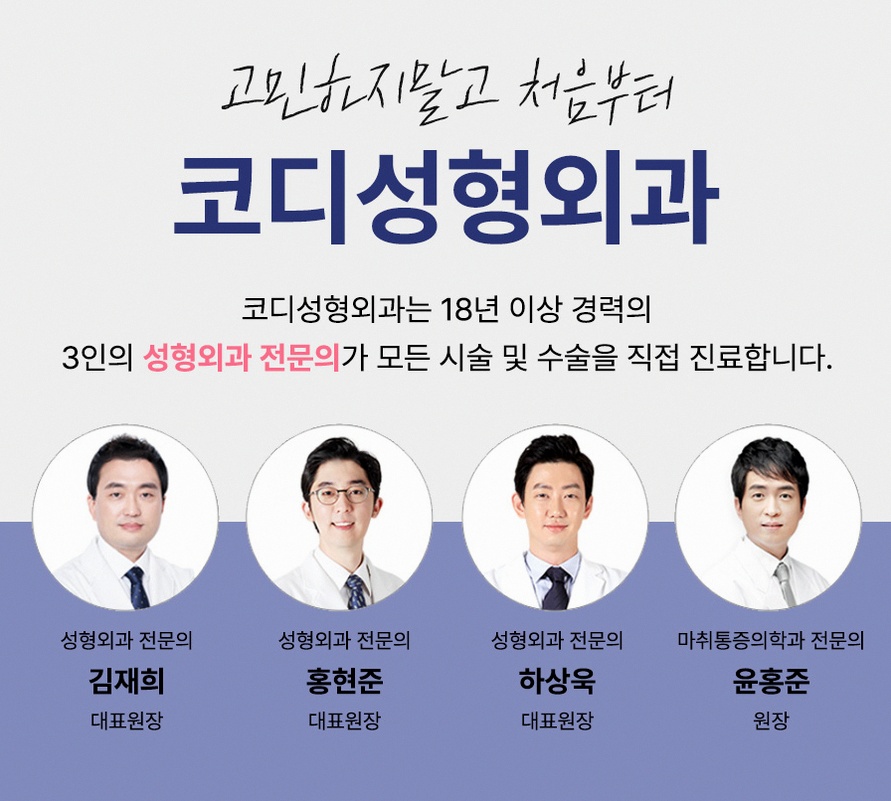
KODI PLASTIC SURGERY is a plastic surgery center on Gangnam‑daero that focuses on eye surgery and filler‑based facial contouring, with an anti‑aging line that includes non‑incisional thread lifting, mini facelift, and full facelift. Thread lifting here is not treated as a one‑time quick fix but as part of a broader anti‑aging plan.
During consultation, the team assesses skin quality, volume loss, and muscle activity to decide when to use threads alone and when to combine them with fillers, contour injections, fat grafting, or Botox. This approach can help match the treatment to the patient’s age, degree of sagging, and expectations.
The clinic has multiple plastic surgery specialists and an in‑house anesthesiology and pain medicine specialist, which is relevant for patients who value structured sedation and monitoring during procedures. For overseas visitors, the presence of multilingual web pages in English, Chinese, and Japanese can also make communication and pre‑planning easier.
Safety, anesthesia, and monitoring
For most thread lifts, local anesthesia is used to numb the entry points and the path of the threads. Some patients choose to add mild sedation, especially if they are nervous or if the treatment covers several areas such as the mid‑face, jawline, and neck.
Having an anesthesiology and pain medicine specialist on staff allows for more controlled sedation, tailored to the patient’s health status and anxiety level. Continuous monitoring of vital signs during sedation adds another layer of safety.
A careful clinic will also review your medical history, check your current medications (especially blood thinners or supplements that affect bleeding), screen for infection risk, and provide clear pre‑ and post‑procedure instructions. These steps take time and resources, which can slightly increase the cost compared with minimal setups, but they help reduce avoidable risks.
Procedure process from consultation to follow‑up
Consultation and planning
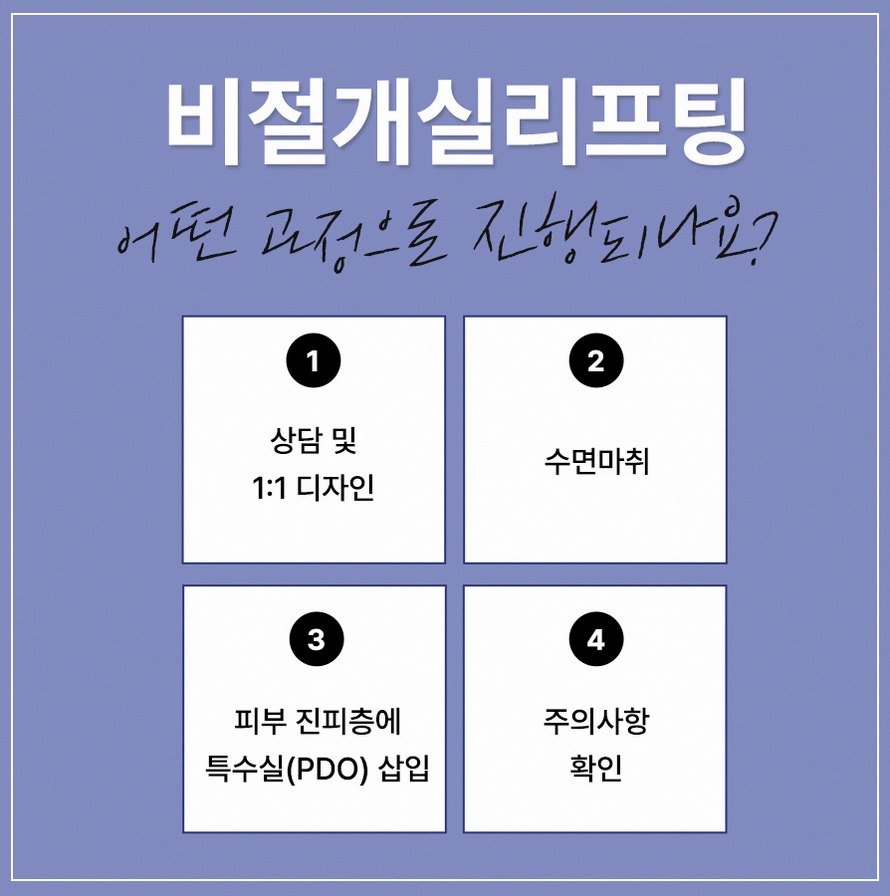
The process usually starts with a detailed consultation. The surgeon evaluates skin laxity, fat distribution, and bone structure, and listens to your main concerns, such as jowls, smile lines, or sagging cheeks. They then explain what thread lifting can realistically achieve and how long the results are likely to last in your case.
Based on this assessment, the surgeon selects the type and number of threads and plans the lifting vectors, or directions, to best support your facial structure. At this stage, you also discuss whether to combine threads with fillers, contour injections, or other treatments.
Day of procedure
On the day of the procedure, the face is cleansed and marked to show the entry and exit points and the planned lifting paths. Local anesthesia is injected, and if planned, sedation is started under monitoring.
The surgeon then inserts the threads using cannulas or needles, adjusts the tension to achieve the desired lift, and trims the thread ends. Procedure time varies depending on the scope of treatment and whether other anti‑aging procedures are combined; ask the clinic for an estimate tailored to your planned treatment.
Immediate aftercare
After the procedure, cooling and gentle compression may be applied to reduce swelling. You receive instructions about how to sleep, how much to move your facial muscles, and what to avoid for a short period, such as heavy chewing, wide mouth opening, or intense exercise.
Mild swelling, bruising, or temporary dimpling are common and usually settle over days to a couple of weeks. Pain is typically manageable with oral medication if needed.
Follow‑up
Follow‑up visits are scheduled to check symmetry, healing, and your satisfaction with the lift. If minor issues appear, such as small irregularities or persistent dimpling, they are usually manageable with simple in‑clinic measures.
For overseas patients, it is helpful to coordinate your travel dates so that at least one follow‑up visit can be done before you leave Korea. Some clinics also offer online follow‑up using photos or video calls.
Results, longevity, and value for money
Thread lifting usually offers an immediate lifting effect from the mechanical repositioning of tissue, plus a gradual improvement in skin firmness as the threads stimulate collagen while they dissolve. The visible effect varies and is temporary; longevity depends on the type of thread used and individual factors such as age, lifestyle, and degree of sagging.
Combining thread lifting with fillers or contour injections can enhance overall facial harmony. Even though the combined plan costs more initially, the improvement in contour and the feeling of looking fresher may make it more satisfying and cost‑effective over time.
When considering Sinnonhyeon thread lift cost, it is useful to think beyond the first price quote. Factors such as the quality of lifting, safety standards, duration of results, and how well the treatment matches your actual needs all affect value for money.
For more severe sagging, a mini facelift or full facelift may be more cost‑effective in the long term than repeating thread lifts many times. A clinic that offers both non‑surgical and surgical options can help you compare these paths honestly.
Who may consider thread lifting
Ideal candidates are usually in their thirties to early fifties, with mild to moderate sagging, reasonably good skin thickness, and realistic expectations. They often notice early jowls, a softer jawline, or deeper smile lines but are not yet ready for a full surgical facelift.
People with very thin skin, severe laxity, or heavy lower‑face tissue may see limited benefit from threads alone and should discuss surgical alternatives. Thread lifting is also not suitable for everyone. Extra caution is needed in cases of uncontrolled chronic illness, bleeding disorders, active skin infection, or unrealistic expectations.
During consultation, it is important to share your full medical history and list of medications and supplements. This information can influence both the safety of the procedure and the cost, for example if additional monitoring, staged treatment, or pre‑operative tests are recommended.
Preparing from overseas and planning your Korea visit
Online consultation and pre‑visit preparation
To make this more accurate, prepare clear photos of your face from the front and both sides, taken in good lighting without filters.
You should also prepare a short summary of your main concerns, your previous aesthetic procedures or surgeries, and your medical history. Ask the clinic what information they need in advance, such as blood test results or medication lists.
Expected visit timeline
For international patients, a typical schedule for thread lifting might look like this:
Day 1: In‑person consultation, facial analysis, and final treatment planning. In some cases, the procedure can be done on the same day if both you and the clinic are ready.
Day 2: Procedure day if not done on Day 1. Rest at your accommodation and follow the immediate aftercare instructions.
Days 3 to 5: Mild swelling or bruising may still be present. Light sightseeing is usually possible, but intense exercise and heavy chewing are generally discouraged.
Within 7 to 10 days: A follow‑up visit to check healing and symmetry before you return home. Some patients choose to stay longer if they combine thread lifting with other procedures.
Aftercare once you return home
Once you are back in your country, you should continue to follow the clinic’s aftercare instructions. This may include avoiding strong facial massage, limiting extreme facial movements for a short time, and protecting your skin from excessive sun exposure.
If you notice anything unusual, such as increasing pain, redness, or visible thread exposure, contact the clinic promptly and share clear photos. Many issues can be assessed remotely, and the clinic can advise whether you need to see a local doctor.
How to compare Sinnonhyeon thread lift quotes
When you receive quotes from different clinics in the Sinnonhyeon area, it can be helpful to use a simple checklist. Key points to confirm include:
Who will perform the procedure and what their qualifications are.
What type and brand of threads will be used, and how many are included in the quoted price.
Whether there is structured monitoring during sedation and whether an anesthesiology specialist is involved when needed.
What is included in the fee: consultation, pre‑treatment tests if necessary, aftercare visits, and management of side effects.
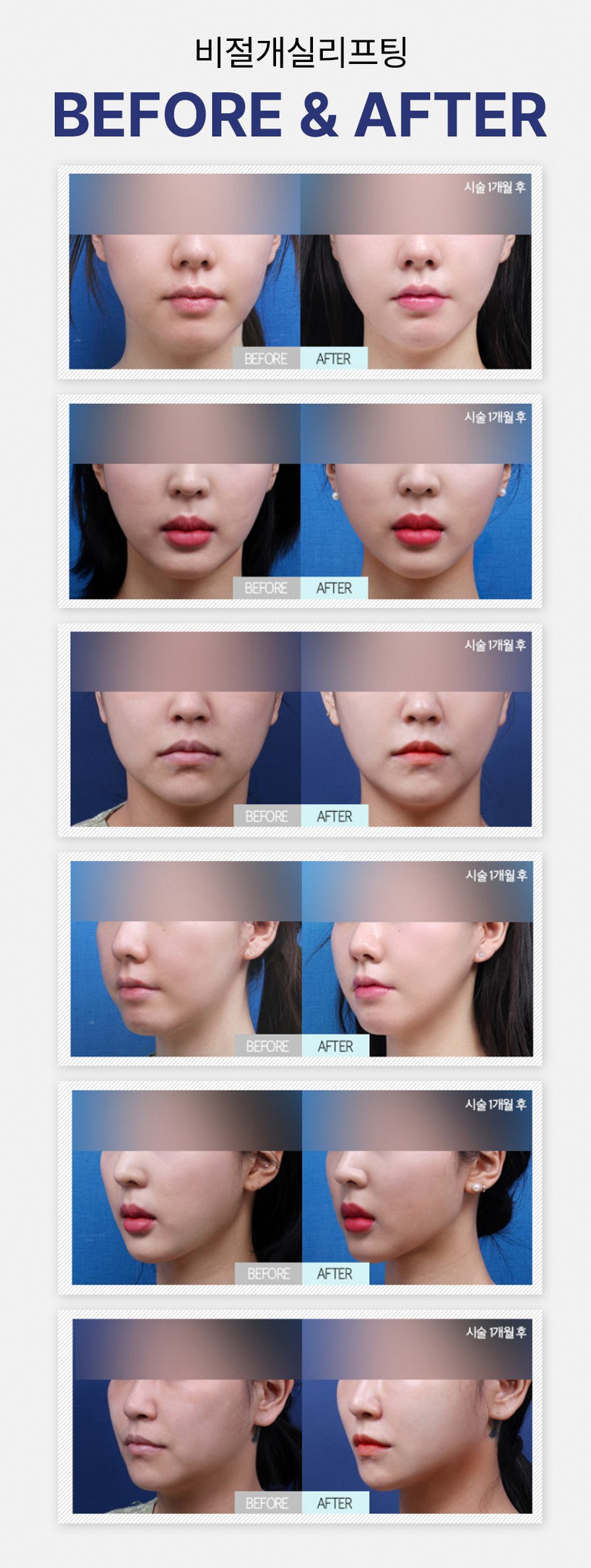
Whether the clinic can show before‑and‑after photos of patients with a similar age and degree of sagging, while respecting privacy rules.
Whether the clinic offers both non‑surgical and surgical anti‑aging options, so that recommendations are based on suitability rather than on a single available procedure.
Be cautious of extremely low prices that do not clearly specify thread type, number, or aftercare. Asking these questions before you book can help you avoid misunderstandings and unexpected additional costs.
Practical FAQs
Is thread lifting painful and what kind of anesthesia is used?
Most patients feel some pressure and pulling rather than sharp pain during thread lifting. Local anesthesia is injected along the planned thread paths to numb the area. For those who are anxious or undergoing more extensive lifting, mild sedation can be added. Clinics with an anesthesiology specialist can tailor sedation to your comfort and health condition while monitoring your vital signs.
How long do swelling and bruising last, and when can I return to work?
Mild swelling and bruising are common after thread lifting and usually improve significantly within a few days to two weeks. Many people feel comfortable returning to office‑type work within several days, depending on how visible any bruising is and whether makeup is allowed. Social events with close‑up photos are often best planned at least one to two weeks after the procedure.
How often can thread lifting be repeated, and does repeating it increase the total cost a lot?
Repeating the procedure does add to the total long‑term cost, so it is important to discuss with your surgeon whether threads, other non‑surgical treatments, or a surgical option would be more cost‑effective for your degree of sagging.
Can thread lifting be combined with fillers or Botox on the same day, and how does that change the budget?
Yes, thread lifting is often combined with fillers or Botox in the same session, especially in clinics that focus on comprehensive anti‑aging. Combining treatments increases the total budget, but it may reduce the number of separate visits and can produce a more balanced result. During consultation, ask for a clear breakdown of costs for each component so you can decide which combination fits your goals and finances.
Soft call to action for online consultation
If you are considering thread lifting in the Sinnonhyeon area and would like to understand how your individual case might affect cost, recovery, and results, arranging an online consultation before you travel can be very helpful. By sharing photos and medical information in advance, you can receive a more tailored plan and a realistic budget range.
KODI PLASTIC SURGERY offers non‑incisional thread lifting on Gangnam‑daero near Sinnonhyeon Station, with multilingual support for overseas patients. If you are comparing Sinnonhyeon thread lift cost and want to balance price with safety and long‑term value, you may find it useful to contact the clinic online to discuss your options in detail before finalizing your trip.



- 공유 링크 만들기
- X
- 이메일
- 기타 앱


댓글
댓글 쓰기