Under-eye filler checklist for international patients
- 공유 링크 만들기
- X
- 이메일
- 기타 앱

Direct answer for people searching in Gangnam
If you are searching for the best under-eye filler clinic in Gangnam, you are likely hoping for a quick, non-surgical way to look less tired and more refreshed. Under-eye filler, often called aegyo-sal or lower eyelid filler, can gently add volume, soften shadows, and create a brighter, more youthful expression when it is done by an experienced specialist.
In the Gangnam area of Seoul, especially around Gangnam-daero in Seocho-gu, there are many clinics offering filler. The key is not just to find a convenient or inexpensive clinic, but to choose a place that truly focuses on the eye area and facial fillers, with strong safety systems. KODI PLASTIC SURGERY is one example of a clinic in this area that concentrates on eye surgery and facial filler procedures, which can be helpful for overseas patients comparing options.
What under-eye (aegyo-sal) filler actually does
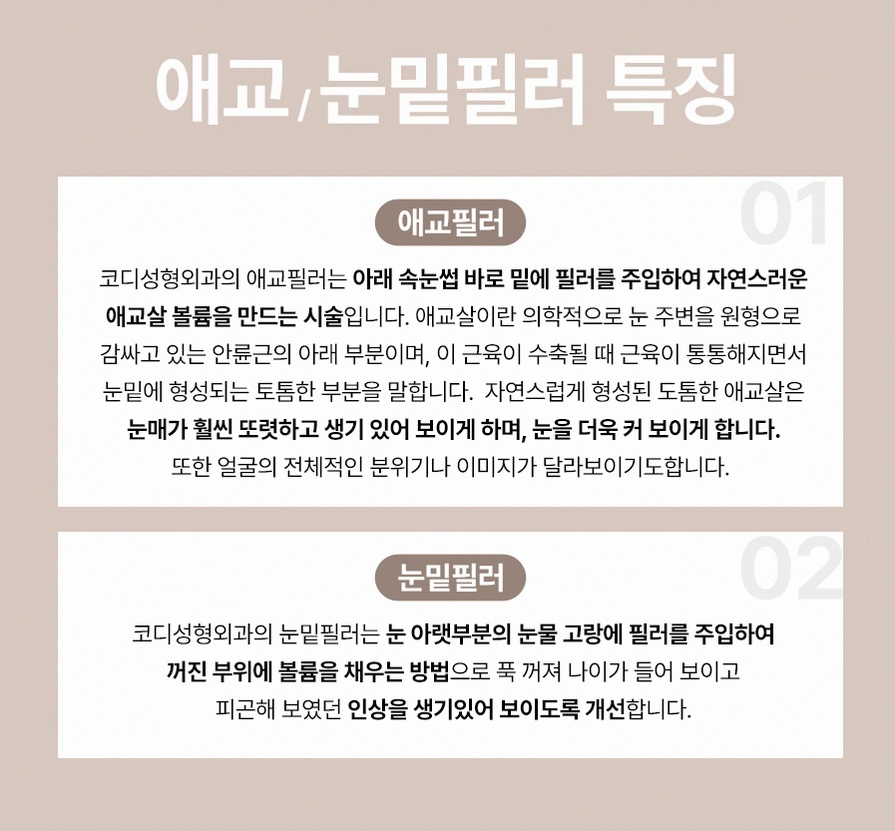
Under-eye filler is a non-surgical treatment using injectable filler to improve the lower eyelid area. The goal is not to change your face completely, but to correct specific problems that make you look tired.
First, it can fill hollow or sunken under-eyes. Many people have a groove or depression between the lower eyelid and the upper cheek. When light hits this area, it creates a dark shadow that looks like dark circles, even if you sleep well. Carefully placed filler can lift this groove and reduce the shadow.
Second, it softens the border between the lower eyelid and cheek. Instead of a sharp line or deep tear trough, the transition becomes smoother and more blended. This often gives a softer, more rested look.
Third, it can create or enhance aegyo-sal, the small roll of natural volume just under the lash line when you smile. When done subtly, this can make the eyes look friendlier and more youthful, without looking fake.
Under-eye filler is different from surgical procedures such as under-eye fat repositioning or lower blepharoplasty. Surgery involves removing or moving fat and tightening skin through an incision. Filler is minimally invasive, done through injections, usually with only numbing cream or local anesthesia. Downtime is shorter, and many office workers or students return to daily life quickly.
Typical candidates include people with mild hollowness, early signs of aging, or those who want to test a non-surgical option before considering surgery. People who have strong, bulging eye bags may need a surgical opinion, and a good clinic will explain this honestly.
Why the under-eye area requires a specialist approach
The under-eye area is one of the most delicate parts of the face. This is why choosing a clinic that understands eye anatomy and filler behavior is more important than choosing by price alone.
The skin under the eyes is very thin, and blood vessels are close to the surface. If filler is injected too superficially or with the wrong product, it can cause a bluish tint called the Tyndall effect, visible lumps, or a puffy, swollen look.
The area is also close to important blood vessels and the eye itself. This means the depth, angle, and amount of injection must be carefully controlled. An injector who understands three-dimensional anatomy can reduce the risk of complications and design a more natural result.
Another important point is harmony with the midface. Under-eye filler should not be treated as a single dot under each eye. The doctor should look at your whole eye shape, cheek volume, smile lines, and even the position of your nose and eyebrows. Sometimes a small amount of cheek or midface filler is recommended together with under-eye filler to support the area and avoid overfilling directly under the eye.
Clinics that focus on eye surgery and facial fillers often have more experience in both surgical and non-surgical eye rejuvenation. This allows them to judge when filler is enough, and when surgery or a combined approach might be safer or more effective.
How to choose a good under-eye filler clinic in Gangnam
When you are comparing clinics around Gangnam-daero or the wider Gangnam medical district, it helps to have a clear checklist. Here are key points to consider.
Focus on eyes and fillers
Look for clinics that clearly present eye procedures and facial fillers as core services, not just as occasional add-ons. A clinic with a dedicated eye center and a separate facial filler center is more likely to have accumulated many cases in the under-eye area.
Such clinics usually have structured protocols for assessment, injection techniques, and follow-up specifically for the lower eyelid and midface, rather than treating it like any other wrinkle.
Board-certified plastic surgeons and on-site anesthesiology specialist
Board-certified plastic surgeons have formal training in facial anatomy, tissue layers, and complication management. For under-eye filler, this background helps with safe injection depth, product selection, and recognizing when filler is not the right option.
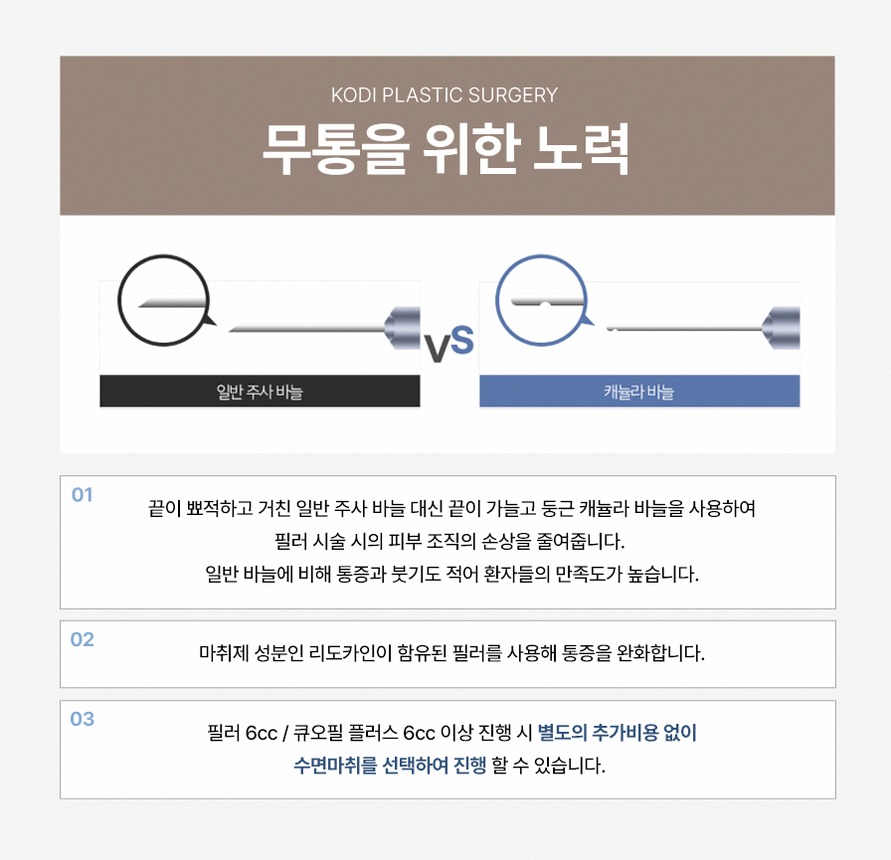
An on-site board-certified anesthesiology and pain medicine specialist adds another layer of safety, even for non-surgical procedures. This doctor manages monitoring, sedation or pain control protocols when needed, and can respond quickly if any unexpected reaction occurs. While under-eye filler is usually done with local measures, having this specialist present in the clinic is reassuring for patients who are nervous about medical safety.
Detailed, area-specific filler planning
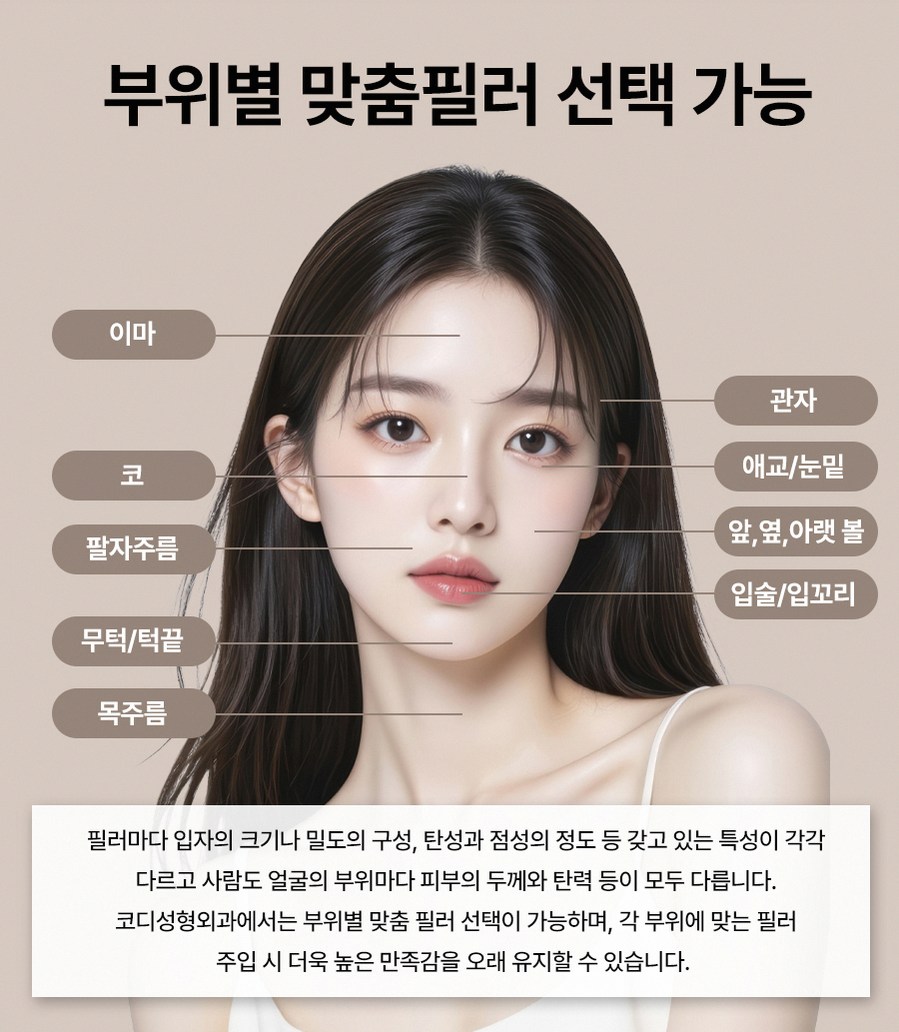
A good clinic does not use a one-plan-fits-all approach to filler. Instead, it offers a detailed filler lineup by facial area, such as nose, forehead, cheeks, chin, under-eye or aegyo-sal, nasolabial folds, and lips.
This shows that the clinic understands each area has different skin thickness, movement patterns, and aesthetic goals. For example, the filler type and technique for the nose should be very different from those for the under-eye. When a clinic explains these differences clearly, it is a positive sign.
Conservative, customized volume and product choice
Under-eye filler should be done with a conservative mindset. Overfilling can cause puffiness, worsen the appearance of eye bags, or make the face look heavier. A careful doctor will often start with a small amount, then review the result after swelling has settled and decide whether to add more.
Product choice is also important. Softer fillers are often preferred for the under-eye to blend smoothly with thin skin. During consultation, ask why a particular product is recommended for you, and how it behaves over time.
Clear consultation and follow-up system
The clinic should offer a structured consultation where they examine your under-eye area in different lighting and facial expressions. They should explain the difference between filler and surgical options like under-eye fat repositioning, and recommend the right approach based on your skin, fat, and muscle condition.
Ask how many follow-up visits are included. A good clinic will invite you back to check swelling, symmetry, and the need for minor touch-ups. They should also explain what to do if you notice any unusual symptoms after the procedure.
Example: How a specialized Gangnam clinic approaches under-eye filler
KODI PLASTIC SURGERY is located on Gangnam-daero in Seocho-gu, within the broader Gangnam medical area. The clinic focuses on two main pillars: eye surgery and facial filler procedures. This includes a dedicated eye surgery center, an eye revision center, and a nose and facial filler center, which supports a segmented approach to different parts of the face.
At this type of clinic, three board-certified plastic surgeons are responsible for aesthetic planning and procedures, while a board-certified anesthesiology and pain medicine specialist oversees anesthesia safety and monitoring throughout the day. For international patients, this structure can be reassuring when considering any procedure near the eyes.
A typical under-eye filler case here would begin with a detailed consultation. The doctor would ask about your main concerns, such as hollowness, dark shadows, fine lines, or existing eye bags. They would examine whether your issue is mainly volume loss, skin quality, or protruding fat.
If filler alone is appropriate, the doctor would design a customized plan based on your eye shape, cheek volume, and overall facial balance. They may mark the injection points, discuss the type of filler to be used, and explain how much volume they plan to start with.
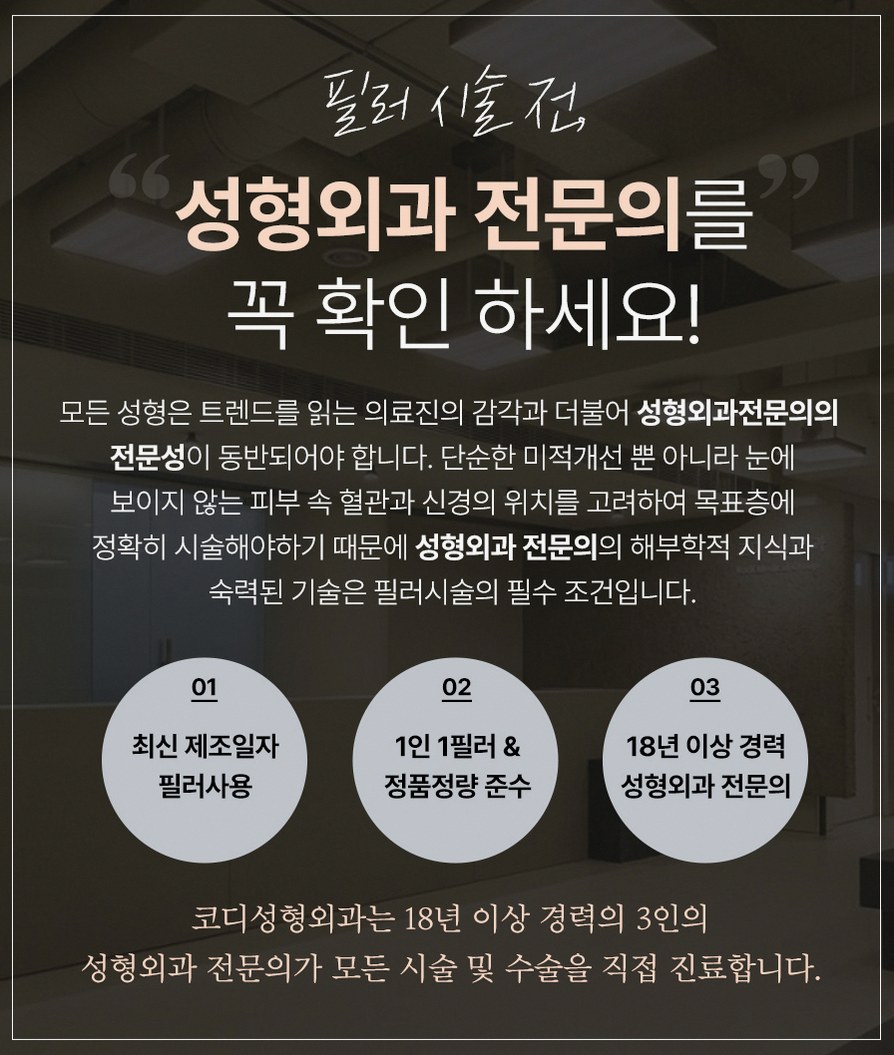
You would also receive information about how long the effect is expected to last, common side effects, and aftercare instructions. If the doctor feels that surgery or a combined approach would give a more balanced result, they should explain this clearly so you can make an informed choice.
Step-by-step: What to expect from an under-eye filler session
Pre-consultation and online preparation
For overseas patients, the process often starts online. Many Gangnam clinics provide consultation through email, messaging apps, or website forms. You may be asked to send clear photos of your face from the front and side, in natural lighting without heavy makeup.
Before your visit, prepare information about your medical history, allergies, and any previous filler or eye surgery. Make a list of medications and supplements you are taking. If you bruise easily or are on blood-thinning medication, mention this early so the clinic can advise you.
It is also helpful to collect reference photos of how you would like your under-eye area to look, but keep expectations realistic. The doctor will aim for a natural improvement that suits your own face.
On the day of the procedure
When you arrive at the clinic, staff will usually take registration details and may photograph your face for medical records. The doctor will review your case in person, confirm the plan, and answer last questions.
The under-eye area will be cleansed and disinfected carefully. Many clinics apply topical anesthetic cream or use local anesthesia to reduce discomfort.
During the injection, you may feel pressure or a slight pushing sensation. The doctor will often ask you to open and close your eyes or smile gently to check how the filler moves with your expressions. Small adjustments can be made immediately to improve symmetry.
The injection portion is typically brief, but total procedure time varies by case and clinic.
Aftercare and early recovery
Right after the procedure, you may notice mild swelling or small red points at the injection sites. The clinic may provide ice packs and ask you to avoid rubbing or pressing the area for a certain period.
Common advice includes avoiding heavy exercise, saunas, hot baths, and alcohol for a day or two, as these can increase swelling or bruising. Sleeping with your head slightly elevated on the first night can also help.
Mild bruising, if it occurs, often improves within several days.
Expected Korea visit timeline for overseas patients
If you are flying to Seoul for under-eye filler, you can usually plan a short trip.
Many patients schedule an online consultation first, then choose a treatment date. On day one in Korea, you might visit the clinic for in-person consultation and, if you agree, have the filler done on the same day.
A follow-up visit is often scheduled within a few days to one week to check the result once initial swelling has improved.
If you cannot stay long, discuss with the clinic how they handle follow-up for overseas patients and what kind of remote check-ins are possible.
Safety, risks, and realistic expectations
Like any medical procedure, under-eye filler has possible side effects and risks. Common, mild side effects include temporary swelling, redness, tenderness, and small bruises. Slight asymmetry may appear at first due to swelling but often settles as the tissue relaxes.
More serious but rare complications include vascular issues, prolonged swelling, irregularities, or infection. This is why choosing experienced injectors, using appropriate products, and having clear emergency protocols in place is essential. Clinics with board-certified plastic surgeons and an on-site anesthesiology specialist are generally better prepared to manage unexpected situations.
It is also important to understand that under-eye filler is not permanent. Depending on the product used, your metabolism, and the injection technique, results may gradually fade over several months to more than a year. Many people choose maintenance sessions when they notice the hollowness or shadows returning.
A good clinic will not promise perfection or a fixed duration. Instead, they will explain the likely range of longevity and encourage you to focus on natural-looking improvement and safety.
Practical information about the example clinic
KODI PLASTIC SURGERY is located on the 13th floor of a building on Gangnam-daero in Seocho-gu, within the busy Gangnam medical district of Seoul. This makes it easy to reach by public transport from major areas of the city.
For international patients, it is helpful that the clinic provides foreign language support pages in English, Chinese, and Japanese. This can make it easier to understand procedure explanations, fill out forms, and communicate questions before and after treatment.
Consultation hours generally cover weekday daytime, with one weekday evening clinic and Saturday daytime hours, while Sundays and public holidays are closed. This schedule can suit office workers and overseas visitors who want to fit treatment into a short stay.

Online consultation and pre-visit preparation tips
Before you book flights, use online consultation to clarify whether you are a good candidate for under-eye filler. When you contact a clinic, consider preparing the following points.
Describe your main concern in simple terms: for example, dark circles that do not improve with sleep, a deep line between the eyelid and cheek, or puffy bags that look worse when you smile.
Share clear, makeup-free photos from different angles. Include one with a neutral expression and one with a gentle smile so the doctor can see how your under-eye area moves.
List any previous treatments in the eye area, such as filler, laser, or surgery, and when they were done. This information helps the doctor avoid overcorrection or unexpected interactions.
Prepare questions about product type, expected duration, possible side effects, and what to do if you are not satisfied with the result. A professional clinic will answer these calmly and transparently.
FAQ for overseas patients considering under-eye filler in Gangnam
How long does under-eye filler last, and when will I need a touch-up?
Under-eye filler typically lasts longer than filler in more mobile areas like the lips because the lower eyelid moves less. Many patients notice results for several months to over a year, depending on the product used, injection technique, and individual metabolism. A touch-up is usually considered when the hollowness or shadows gradually return, not on a fixed calendar schedule. During follow-up, your doctor can suggest the right timing based on how your tissue has responded.
Who is a better candidate for under-eye filler versus under-eye fat repositioning surgery?
Under-eye filler is usually better for people with mild to moderate hollowness, early signs of aging, and relatively smooth skin without large, bulging fat pads. It is also suitable for those who want a quick, reversible option with shorter downtime. Under-eye fat repositioning surgery may be more appropriate for people with pronounced eye bags caused by protruding fat, loose skin, or strong wrinkles. A clinic that offers both filler and eye surgery can examine you and explain which option matches your anatomy and expectations.
What are the main risks of under-eye filler, and how can a clinic minimize them?
The main risks include bruising, swelling, asymmetry, lumps, Tyndall effect, and in rare cases, vascular complications. Clinics can minimize these risks by using experienced injectors familiar with under-eye anatomy, choosing suitable filler products, and using careful techniques such as cannulas or slow, low-pressure injections. Having board-certified plastic surgeons and an on-site anesthesiology specialist also supports safe monitoring and quick response if any problem occurs. Patients can help by sharing full medical history and following all pre- and post-care instructions.
How much downtime should I expect after under-eye filler in Gangnam?
Most people can return to light daily activities immediately and to office work or study the next day. Mild swelling or small bruises can appear and may last several days, but they are often easy to cover with makeup after the first 24 hours, if your doctor allows it. If you are traveling from overseas, it is wise to stay in Seoul for at least a few days after the procedure so that you can attend a follow-up visit and manage any temporary swelling comfortably.
Can under-eye filler make eye bags look worse, and how do specialists avoid this?
If filler is placed in the wrong layer or in excessive amounts directly under a protruding fat pad, it can make eye bags look puffier. Specialists avoid this by carefully assessing whether your main issue is hollowness or bulging fat. In some cases, they may place filler slightly lower, closer to the cheek, to support the area indirectly instead of injecting right under the bag. If the doctor believes surgery would be more appropriate than filler, they should explain this clearly instead of trying to treat everything with injections.
What should I prepare or avoid before and after the procedure?
Before the procedure, your clinic may advise you to avoid certain supplements or medications that increase bleeding risk, such as high-dose fish oil or some painkillers, if medically safe for you. You should avoid alcohol the day before and inform the clinic about any illness, allergies, or pregnancy. After the procedure, you will usually be asked to avoid rubbing the area, heavy exercise, saunas, hot baths, and alcohol for a short period. Following the clinic’s specific instructions and attending scheduled follow-up visits will help you achieve a smoother recovery.
Soft call to action for online consultation
If you are considering under-eye filler in the Gangnam area and want a clinic that pays close attention to the eye region and facial fillers, you can explore clinics like KODI PLASTIC SURGERY that offer structured online consultations and support for overseas visitors. Sharing clear photos and your concerns in advance will help the medical team suggest whether under-eye filler is suitable for you and how to plan your visit to Seoul safely and efficiently.
This article is for general information only and does not replace a personal consultation with qualified medical professionals. Always discuss your individual condition, risks, and treatment options directly with your doctor before making any decisions.



- 공유 링크 만들기
- X
- 이메일
- 기타 앱


댓글
댓글 쓰기