Under-eye hollow filler in Seocho-dong for natural, refreshed eyes
- 공유 링크 만들기
- X
- 이메일
- 기타 앱

Direct answer summary
If you live or work near Seocho-dong or Gangnam-daero and notice hollowness or shadowing under your eyes, under-eye hollow filler (often called 'aegyo filler') can gently restore volume without surgery. Hyaluronic acid is placed along the tear trough and the lower eyelid–cheek border to soften hollows and create a more rested appearance. With many clinics in the Seocho-dong area, choose one based on careful consultation, safety systems, and a conservative approach rather than online popularity.
This guide explains how under-eye filler works, who it suits, how a typical visit to Korea might look for overseas patients, what to ask clinics in Seocho-dong, and how to keep expectations realistic.
What is under-eye hollow (aegyo) filler
Under-eye hollow filler uses hyaluronic-acid based products injected beneath the lower eyelid to improve volume loss and shadows. The goal is not to make the area puffy, but to gently fill the groove that runs from the inner corner of the eye down along the cheek, often called the tear trough.
Over time, or after weight loss or eye surgery, the fat and soft tissue under the eyes can thin. This creates a hollow that catches light and shadow, making dark circles and a tired expression more noticeable. Under-eye filler aims to smooth this transition so the lower eyelid blends more naturally into the upper cheek.
Common concerns it can address
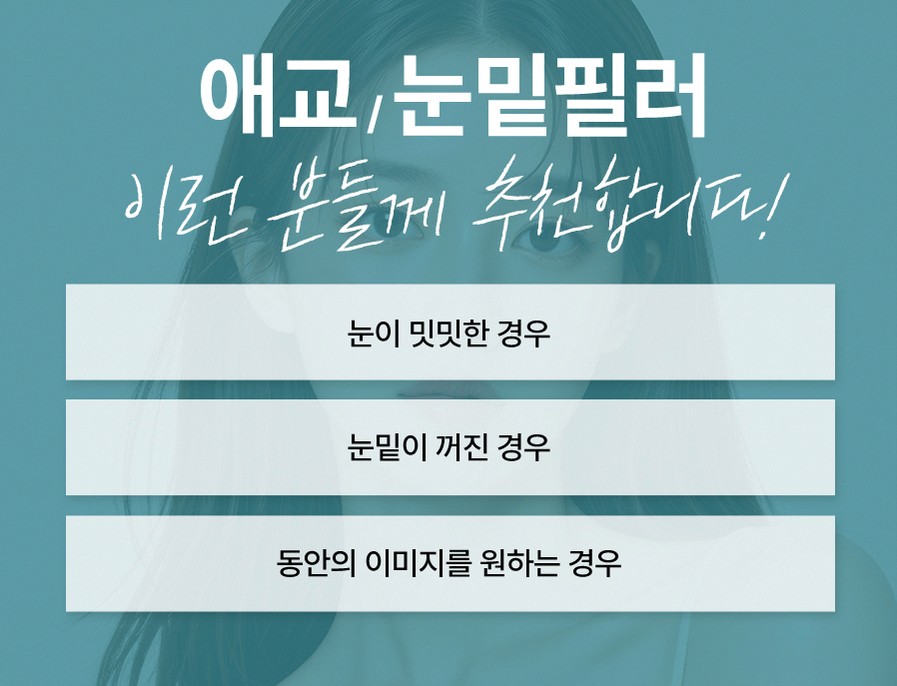
Under-eye filler is usually considered for:
Sunken or hollow under-eyes that make the face look fatigued
Shadowy lines or grooves caused mainly by loss of volume rather than strong pigmentation
Mild fine lines that appear deeper because of hollowness
Asymmetry between left and right under-eyes
Loss of a soft, youthful aegyo line just beneath the lower lashes
The focus is on subtle, natural change. In the Seocho-dong and Gangnam-daero area, many office workers prefer small improvements that make them look more rested without obvious signs of treatment.
How under-eye filler works
The under-eye region is anatomically complex. There are thin skin layers, ligaments, small fat compartments, and important blood vessels. Because of this, the best results usually come from conservative, layered injections rather than large amounts of filler in one spot.
Filler may be placed in several zones:
Along the tear trough to soften the inner hollow
At the border where under-eye fat meets the upper cheek to smooth the step
Just under the lower lash line to gently support the aegyo area when appropriate
By adjusting these areas in small amounts, the injector can reduce shadows and blend the lower eyelid into the cheek, creating a fresher, softer appearance.
Who may consider under-eye filler
Under-eye filler is often suitable for people who:
Notice hollowing or a groove under the eyes, especially when looking down or in side lighting
Have mild to moderate skin laxity but not very loose, crepey skin
Prefer a non-surgical option instead of lower blepharoplasty or fat repositioning
Want subtle correction after previous eye surgery, such as smoothing small contour irregularities
Have realistic expectations and are comfortable with gradual, staged improvements
It can be a good choice for busy professionals in Seocho-dong who cannot take long time off work, because downtime is usually short.
Who may not be ideal candidates
Under-eye filler is not the right answer for everyone. You may not be an ideal candidate if:
You have very loose, sagging skin under the eyes
You have large, bulging under-eye fat pads that are obvious even when you smile
Most of your dark circles come from strong pigmentation or visible blood vessels rather than hollowing
You expect complete removal of all dark circles or a dramatic change in eye shape
In these situations, a clinic may suggest other options such as surgery (lower blepharoplasty or fat repositioning), energy-based skin tightening, or pigment-focused treatments. A careful consultation is important to decide.
Typical treatment process in a Seocho-dong clinic
While each clinic has its own style, the general process for under-eye filler in Seocho-dong is similar.
Consultation and facial analysis
You will usually be assessed in a sitting position, because under-eye hollows and fat pads look different lying down. The doctor will typically:
Check the degree of hollow versus fat bulging
Assess skin thickness and elasticity
Review any history of eye surgery or previous filler
Look for asymmetry between left and right sides
Discuss your main concerns and how natural you want the result to be
Some clinics, such as KODI PLASTIC SURGERY in Seocho-gu along Gangnam-daero, organize care into subspecialized centers for eye surgery, eye revision, and facial filler. This type of structure can help ensure that under-eye filler is considered in the context of other options, not as a one-size-fits-all solution.
Planning injection points
Once under-eye filler is judged appropriate, the injector will design where to place the product. Common target areas include:
Tear trough: the inner groove starting near the inner corner of the eye
Border between under-eye fat and cheek: to soften the step
Aegyo line: just under the lower lashes, when extra support is needed
Rather than one large injection, the filler is usually placed in multiple micro-points or in a smooth line, with small adjustments to match both sides. The aim is to avoid overfilling and puffiness.
Procedure steps
The procedure itself is relatively quick, but planning and checking take time.
Cleansing of the under-eye area
Application of topical numbing cream or local anesthetic injection if needed
Use of either a blunt-tipped cannula or a fine needle, depending on the technique and your anatomy
Slow injection of small amounts of filler at the planned depth
Gentle molding or smoothing of the filler
Symmetry check from the front and at 45-degree angles

The procedure itself is relatively quick, but consultation and total time vary by clinic. The actual injection time is short; the most important parts are design, conservative dosing, and careful observation.
Safety and risk management
The under-eye region is considered a higher-risk area for filler because of its thin skin and important blood vessels. For this reason, the skill and experience of the injector, and the clinic’s safety systems, matter more than the brand name of the filler.
Common short-term side effects
Temporary swelling or puffiness
Mild bruising
Tenderness at injection points
Slight unevenness that often improves as swelling settles
These usually improve over several days. Many people feel comfortable returning to work the next day, sometimes with the help of concealer.
Possible complications
Tyndall effect: a bluish or grayish shine if filler is placed too superficially
Overfilling: unnatural puffiness or “baggy” look
Lumpiness or irregularities
Asymmetry between the two sides
Vascular compromise: rare but serious, where blood flow is reduced or blocked
Early recognition and management are essential. This is one reason why many specialists prefer hyaluronic-acid fillers under the eyes; they can be dissolved with an enzyme called hyaluronidase if needed.
Value of safety-oriented systems
Some clinics in Seocho-dong emphasize having a full-time anesthesiology and pain medicine specialist on staff for surgical or sedation cases. Even if you are only receiving filler with simple local anesthesia, this kind of system can reflect a culture that prioritizes monitoring, emergency preparedness, and patient safety.
When comparing clinics, you may wish to ask how they handle rare complications, whether they keep hyaluronidase on site, and what their follow-up process is if you have concerns after treatment.
How to choose an under-eye filler clinic in Seocho-dong
The Seocho-dong and Gangnam-daero area has many aesthetic clinics, which can make it difficult to choose. Instead of focusing only on online reviews or social media photos, consider the following points.
Focus on eyes and filler as core services
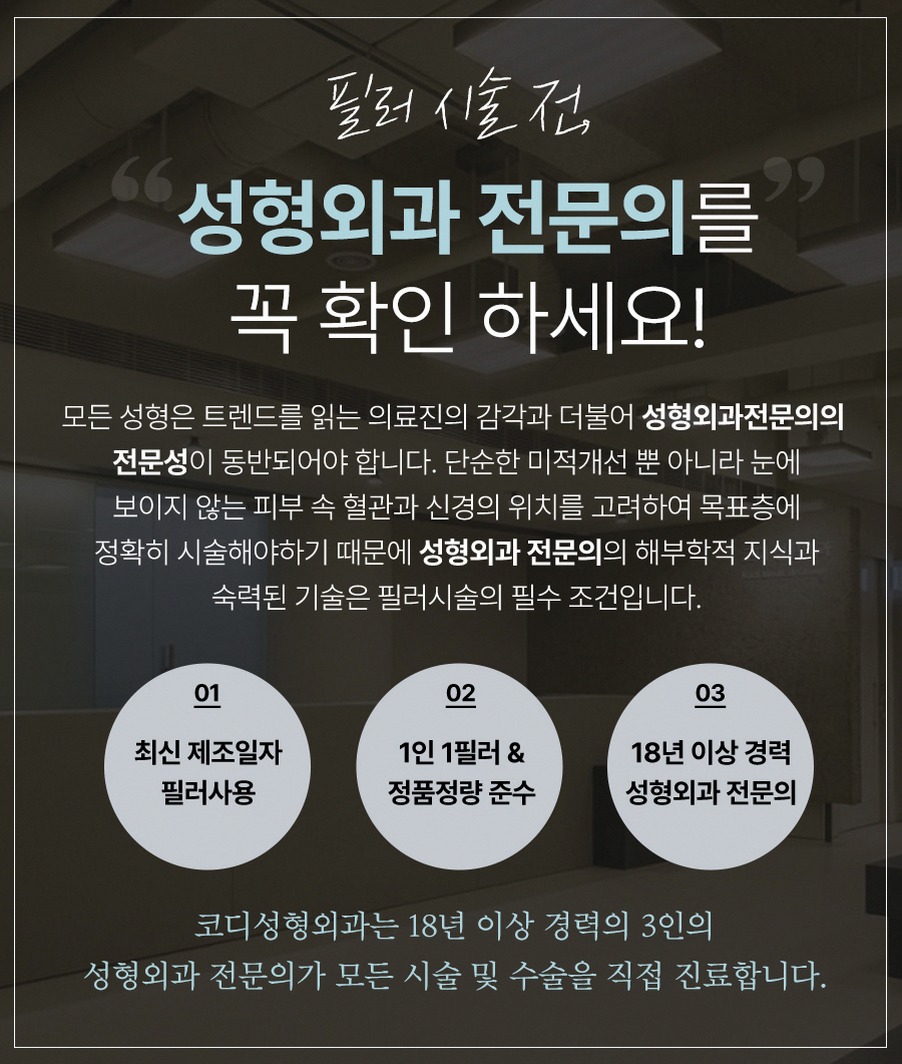
Look for clinics where eye procedures and facial fillers are a main part of their practice, not just an occasional add-on. Regular experience with under-eye anatomy helps the medical team recognize subtle differences between patients and avoid a “same design for everyone” approach.
Board-certified plastic surgeons and face-to-face consultation
Check whether your consultation and injection will be performed by a board-certified plastic surgeon or another qualified specialist. A thorough, in-person consultation should include:
Assessment of whether filler is truly appropriate for your anatomy
Explanation of alternative options such as fat repositioning or lower blepharoplasty when needed
Discussion of realistic outcomes and limitations
Clinics such as KODI PLASTIC SURGERY, where multiple board-certified plastic surgeons work together with a full-time anesthesiology and pain medicine specialist for surgical cases, illustrate the kind of team-based, safety-conscious environment some patients prefer.
Experience with region-specific fillers
The under-eye is just one of many areas where filler can be used. It can be reassuring if the clinic has broad experience with fillers in the nose, forehead, cheeks, chin, nasolabial folds, lips, and aegyo area. This suggests they are used to tailoring injection depth, product choice, and technique to each facial region.
Structured pre-treatment assessment
Ask whether the clinic performs a structured assessment before treatment, such as:
Standardized photographs
Evaluation of skin quality and volume
Detailed medical history, including previous fillers or eye surgery
Clear explanation of how long the filler is expected to last and how maintenance is handled
Transparent communication about products and follow-up
Before you agree to treatment, you should understand:
What type and brand of hyaluronic-acid filler will be used
How much product is planned for the first session
What the follow-up policy is, including touch-ups and management of side effects

Costs vary by clinic, product, and complexity. It is best to confirm exact fees and what is included (consultation, aftercare visits, possible dissolving if needed) during your consultation.
Online consultation and pre-visit preparation for overseas patients
If you are visiting Korea from overseas, many Seocho-dong clinics offer online or video consultations before you travel. This can help you plan your schedule and decide whether under-eye filler is appropriate.
What to prepare for an online consultation
Clear photos of your face from the front, 45-degree angles, and side, taken in natural light
Photos both relaxed and smiling, to show how the under-eye changes with expression
Information about previous eye surgery, filler, or laser treatments
Current medications, allergies, and any medical conditions
Your main concerns and what kind of change you hope to see
During the online consultation, ask whether the clinic recommends filler, surgery, or a combination. It is better to hear an honest suggestion that filler alone may not be enough than to be promised unrealistic results.
Expected Korea visit timeline for under-eye filler
Every clinic’s schedule is different, but an overseas patient’s visit to Seoul for under-eye filler might look like this.
Day 1: In-person consultation and possible treatment
Face-to-face consultation and examination in a sitting position
Review of your online consultation information and photos
Discussion of treatment plan, risks, and expected results
If both you and the doctor agree, under-eye filler can often be done on the same day
Day 2–3: Early check and recovery
Mild swelling or small bruises may appear
You can usually continue sightseeing or business activities, avoiding heavy exercise and saunas
Some clinics may offer a brief check-up visit, especially if you had other combined procedures
Day 5–7: Settling period
Most swelling improves
Makeup usually looks smoother in the under-eye area
If you are still in Korea, you may have a final check-up before returning home
If you plan to combine under-eye filler with other facial treatments or surgery, your stay may need to be longer. Discuss this in advance during online consultation.

Expectations, longevity, and maintenance
How long under-eye filler lasts
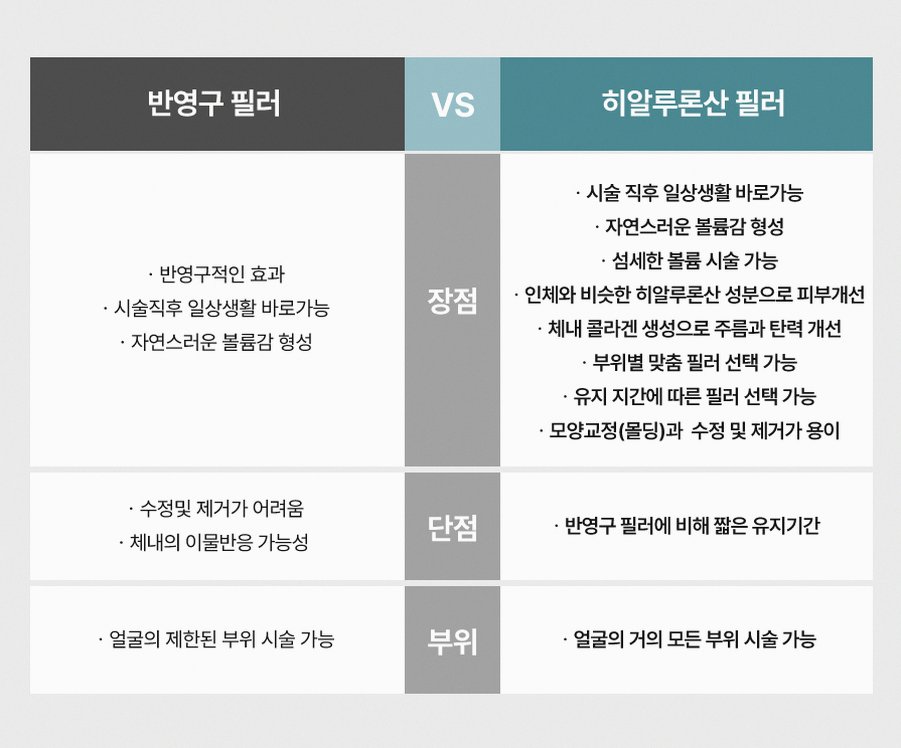
Longevity varies by product, technique, and individual factors; some patients require maintenance within months while others maintain results for longer. Factors include: the specific product used, injection depth and technique, and individual metabolism and lifestyle.
The specific product used
Injection depth and technique
Your individual metabolism and lifestyle
Because the under-eye is a relatively low-movement area compared to the lips or mouth, filler here often breaks down more slowly.
Conservative first treatment and staged top-ups
Many specialists prefer a conservative first session. It is safer and more natural to start with a smaller amount, allow the filler to settle, and then add more later if needed. Overfilling in one session can lead to puffiness that is difficult to correct without dissolving.
Realistic improvement
Under-eye filler can:
Soften hollows and grooves
Reduce shadowing caused by volume loss
Make the overall eye area look brighter and less tired
However, it may not fully remove dark circles caused by strong pigmentation, thin translucent skin, or visible blood vessels. In those cases, additional treatments such as pigment-focused care, vascular lasers, or skincare may be suggested.
Comparison with other options
Under-eye fat repositioning or lower blepharoplasty
These surgical procedures are often recommended when there are prominent under-eye fat pads or significant skin laxity. By repositioning or removing fat and tightening skin, they can create more structural change and longer-lasting results than filler. However, they involve anesthesia, downtime, and a longer recovery period.
Fat grafting
Fat grafting uses your own fat, usually taken from areas such as the thighs or abdomen, and injected into hollow areas of the face. It can sometimes be combined with platelet-rich plasma (PRP). While it can provide more lasting volume, fat survival is variable, and the procedure is more invasive than filler.
The focus of this article is non-surgical under-eye filler. Surgery and fat grafting are mentioned to help you understand why a clinic might recommend something other than filler, depending on your anatomy.

Aftercare and lifestyle tips
Immediate aftercare
Avoid rubbing, pressing, or massaging the under-eye area unless your doctor instructs you to do so
Do not apply heavy pressure from glasses or sleep masks right after treatment
Avoid saunas, hot baths, and intense exercise for a short period, usually one to two days
If swelling is present, sleeping with your head slightly elevated can help
Makeup and skincare
You can usually apply light makeup after a certain number of hours, depending on the clinic’s advice, often from the next day. Use clean brushes and gentle motions. Avoid strong acids or retinoids close to the under-eye for a few days if the skin feels sensitive.
When to contact the clinic
Contact the clinic immediately if you notice:
Sudden, increasing pain in the treated area
Whitening or mottling of the skin
Severe swelling or rapidly spreading bruising
Any change in vision or eye discomfort
These can be signs of a vascular problem or other complication and need urgent assessment.
Long-term lifestyle tips
Use sun protection around the eyes to reduce pigmentation and skin aging
Maintain gentle skincare, avoiding harsh rubbing when removing eye makeup
Try to keep your weight relatively stable, as large weight changes can affect facial volume
Ensure you have regular follow-ups if you plan ongoing filler maintenance
Soft call to action for online consultation
If you are considering under-eye hollow filler in Seocho-dong and are unsure whether it suits your eyes, an online consultation can be a helpful first step. Clinics in the Gangnam-daero area, including KODI PLASTIC SURGERY, often provide photo-based assessments and can explain whether filler, surgery, or a combination is likely to match your goals.
Before you book, prepare clear photos, your medical history, and a list of questions about safety, expected results, and follow-up. Taking time to compare clinics based on medical staff credentials, subspecialty focus on eyes and fillers, and safety systems will help you make a calm, informed decision.
FAQ about under-eye hollow filler in Seocho-dong
How long does under-eye filler usually last?
Under-eye hyaluronic-acid filler typically lasts around 6 to 12 months, sometimes longer, depending on the product, injection depth, and your metabolism. Because the under-eye area moves less than the lips or mouth, the filler often breaks down more slowly. Your doctor can advise you on when a gentle touch-up might be appropriate to maintain a natural look.
Does under-eye filler hurt, and what kind of anesthesia is used?
Most people describe under-eye filler as mildly uncomfortable rather than very painful. Clinics usually apply topical numbing cream, and some also use small local anesthetic injections. Many fillers also contain a local anesthetic inside the product itself, which reduces discomfort as the injection proceeds. If you are very anxious, discuss this in advance so the clinic can adjust your pain control.
How much downtime is there, and when can I apply makeup?
Downtime is usually short. You may have mild swelling or small bruises for a few days, but many people return to work the next day. Light makeup can often be applied from the next day, depending on the clinic’s advice, as long as you use gentle motions and clean tools. Avoid strong rubbing or pressure on the under-eye area until it feels comfortable.
Can previous under-eye filler be corrected or dissolved?
If hyaluronic-acid filler was used previously and the result is uneven or overfilled, it can often be adjusted or dissolved with an enzyme called hyaluronidase. The doctor will assess how much filler is present and where it is located. In some cases, a staged approach is used: first dissolving old filler, then re-evaluating the anatomy, and only later adding new filler if appropriate.
How do I know if filler or surgery is more appropriate for my under-eyes?
The choice between filler and surgery depends on the main cause of your concern. If your issue is mainly a hollow groove with relatively firm skin and small fat pads, filler may be suitable. If you have large bulging fat pads, very loose skin, or deep wrinkles, surgery such as lower blepharoplasty or fat repositioning may be more effective. A face-to-face consultation with a qualified surgeon in Seocho-dong is the best way to receive a personalized recommendation.
This article is for general information only and does not replace a personal consultation with a qualified medical professional. Individual assessment and treatment planning are essential for safe and appropriate care.




- 공유 링크 만들기
- X
- 이메일
- 기타 앱


댓글
댓글 쓰기