Under-Eye Hollow Filler in Sinnonhyeon for Tired, Sunken Eyes
- 공유 링크 만들기
- X
- 이메일
- 기타 앱

If you live or work around Sinnonhyeon and are bothered by dark, sunken under-eyes, under-eye hollow filler can be a non-surgical way to look more rested. By placing a soft hyaluronic acid filler in the tear trough and under-eye area, a specialist can soften hollows, reduce shadowing, and, if desired, gently enhance the small roll of volume under the lashes called aegyo-sal. Procedure time and recovery vary by individual and by clinic; many patients complete injections during a relatively short visit and experience only limited downtime. Results are often visible immediately and may continue to settle over days to a few weeks, but exact timing depends on the person and should be discussed during consultation.
This guide explains how under-eye hollow filler and aegyo-sal filler work, who may benefit, what to expect if you travel to Seoul, and how a plastic surgery center near Sinnonhyeon that focuses on eye surgery and filler procedures typically approaches this treatment.
Treatment overview: what is under-eye hollow filler?
Under-eye hollow filler is a non-surgical procedure that uses hyaluronic acid gel to add volume in the area between the lower eyelid and the upper cheek, often called the tear trough. When this area is hollow, it casts a shadow that makes the face look tired, even with enough sleep. Carefully placed filler can smooth the transition from eyelid to cheek so that light reflects more evenly and dark shadows appear softer.
Hyaluronic acid is a substance that naturally exists in the skin and helps bind water. In filler form, it is a clear, gel-like material that can be shaped and adjusted. Because the under-eye skin is thin and delicate, softer, more flexible filler types are usually chosen for this area.
Under-eye filler vs aegyo-sal filler: understanding the difference
Under-eye treatments in Korea often include two distinct goals, which can be combined or done separately depending on your anatomy and preference.
Tear trough or true hollow filling
This focuses on the deeper groove that runs from the inner corner of the eye down and out along the cheek. When this groove is pronounced, it creates a sunken look and strong shadowing. Filler is placed deeper along this line to lift the hollow and create a smoother contour. The aim is to look less tired, not puffy.
Aegyo-sal enhancement
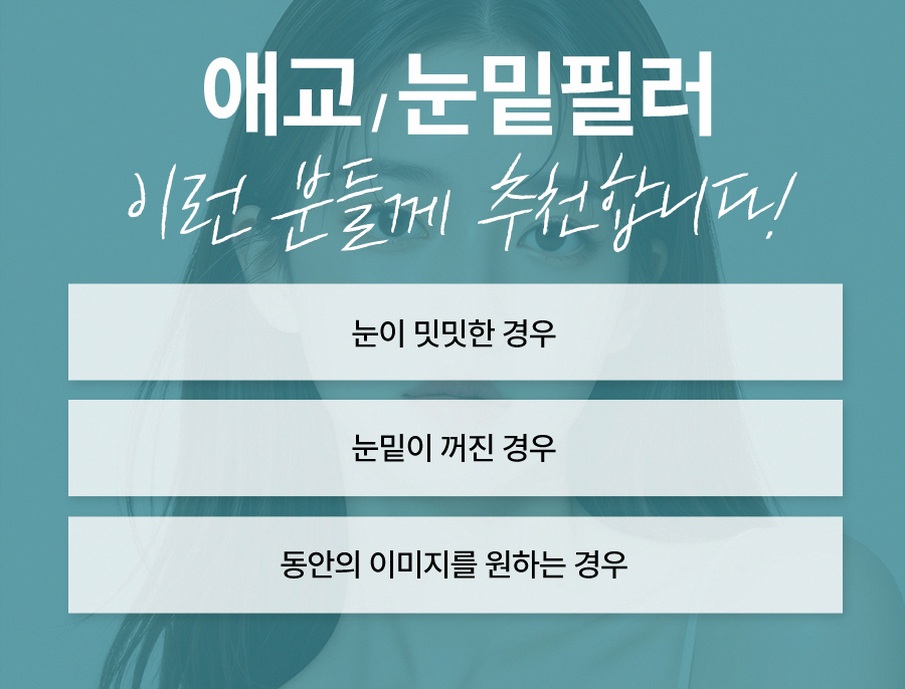
Aegyo-sal refers to the small, natural roll of soft tissue directly under the lower lashes when you smile. In many East Asian beauty standards, a gentle aegyo-sal is associated with a youthful, friendly expression. Aegyo-sal filler is placed more superficially, right under the lash line, in a very controlled way to gently define this roll without making the lower eyelid look swollen.
In a detailed consultation, the doctor will usually clarify whether your main concern is the deep hollow, the lack of aegyo-sal, or both. The injection plan, depth, and amount of filler will differ for each goal.
Who may consider under-eye hollow filler near Sinnonhyeon
People in their 20s to 40s working or living around Sinnonhyeon and Gangnam often seek under-eye filler for reasons such as long working hours, frequent social events, or simply wanting to look more refreshed in a competitive urban environment.
Typical candidates include
People with naturally deep tear troughs or genetic hollows, even from a young age.
Those who notice volume loss with age, leading to sunken under-eyes and more visible dark circles.
Individuals with fine lines and shadowing under the eyes but without very loose or sagging skin.
People who want visible improvement but are not ready for surgery like lower eyelid fat repositioning or lower blepharoplasty.
Limits of filler: when it may not be enough
Under-eye filler is not suitable for every situation. It may have limited effect if you have
Very loose or crepey skin under the eyes.
Pronounced eye bags caused by bulging fat pads.
Significant skin laxity where the lower eyelid is already drooping.
In these cases, adding volume with filler alone can sometimes make the area look heavier. A thorough evaluation can help determine whether surgical options such as fat repositioning, fat removal, or skin tightening procedures may be more appropriate, either alone or in combination with minimal filler.
Assessment and planning at a specialized clinic
Because the under-eye is a delicate and high-risk area, proper assessment is essential. A plastic surgery center that focuses on eye surgery and filler procedures, such as KODI PLASTIC SURGERY on Gangnam-daero in Seocho-gu, will usually follow a structured evaluation process.
Detailed under-eye analysis
During consultation, the doctor typically examines
Skin thickness and quality: Is the skin thin and transparent, or thicker and more resilient?
Degree and shape of hollowing: Is the hollow limited to the inner corner, or does it extend across the entire under-eye?
Presence of eye bags: Are there bulging fat pads that may not respond well to filler alone?
Asymmetry: Are the two sides different in depth or shape?
Dynamic changes: How the area looks when you smile, squint, or talk.
Distinguishing pigment vs shadow
Not all dark circles are caused by hollows. The doctor will usually check whether your dark circles are mainly due to
Pigmentation in the skin (brown or bluish discoloration that stays even when you stretch the skin).
Shadowing from a deep groove (darkness that improves when the skin is gently lifted or filled).
Filler is most effective for shadow-based dark circles caused by volume loss and hollows. If pigmentation is a major factor, other treatments such as skincare, lasers, or lifestyle changes may be recommended alongside or instead of filler.
Clarifying your goals: tear trough, aegyo-sal, or both
A clear discussion about your aesthetic goals is important. Some people want only a softer, less tired look, while others also want a slightly cuter or more youthful expression from aegyo-sal enhancement. The plan may involve
Deeper injections along the tear trough line for structural support.
More superficial, very precise injections directly under the lash line for aegyo-sal.
A staged approach, starting conservatively and adding more later if needed.
Medical history and previous procedures
The doctor will also review
Any allergies, especially to filler components or anesthetics.
Previous fillers in the under-eye or cheek area.
Past eye or eyelid surgeries.
General health conditions and medications, including blood thinners.
This information helps reduce the risk of complications and guides the choice of filler type and technique.
Customized injection plan
A tailored plan usually includes
Choice of filler softness and cohesiveness suitable for thin under-eye skin.
Decision on injection depth: deeper placement to avoid surface irregularities, with careful use of more superficial placement only where appropriate.
Conservative volume: it is generally safer and more natural to start with a smaller amount and build up gradually rather than overfilling in one session.
Step-by-step: how under-eye filler is usually done
While details vary by clinic and doctor, the general process for under-eye hollow filler near Sinnonhyeon typically follows these steps.
Preparation
The under-eye and cheek area are cleansed and disinfected to reduce infection risk.
The doctor may mark key anatomical landmarks and the planned injection points, including the line of the tear trough.
Topical anesthetic cream is applied and left on for a short time. In some cases, a small amount of local anesthetic may be injected for extra comfort.
Injection technique
A fine needle or a blunt-tipped cannula may be used. Cannulas are often chosen in the under-eye region to help reduce bruising and lower the risk of injuring blood vessels.
The filler is injected slowly in small amounts, often starting from the inner part of the tear trough and moving outward.
For aegyo-sal enhancement, very small quantities are placed more superficially right under the lash line, with frequent checks to avoid overdefinition.
Shaping and symmetry check
After injection, the doctor gently molds and smooths the filler to create an even contour.
You may be asked to look straight ahead, smile, or change expressions so the doctor can check how natural the result appears in motion.
Minor adjustments can be made immediately if needed.
Time and downtime
Most people can return to work or daily activities right away.
Common temporary effects include mild swelling, redness, or small bruises that can last a few days. These can often be covered with makeup after a short period, depending on the doctor’s advice.
Expected results and how long they last
Visual improvements
When under-eye filler is done appropriately, you may notice
A softer, less tired appearance.
Reduced shadowing and improvement in dark circles that were mainly caused by hollows.
A smoother transition from lower eyelid to cheek.
For aegyo-sal, a slightly fuller, more defined roll under the lashes that can make the eyes appear brighter and friendlier.
Timeline of results
Results are visible immediately after the procedure, but the final look usually settles over 1–2 weeks as minor swelling resolves and the filler integrates with the surrounding tissue.
Duration
Under-eye filler typically lasts around 6–12 months. The exact duration depends on
Type of filler used.
Your metabolism and lifestyle (for example, smoking or intense exercise may affect longevity).
Movement and blood flow in the treated area.
Many people choose to have touch-ups before all the filler has fully dissolved, to maintain a stable, natural look with smaller adjustments.

Safety, risks, and aftercare
The under-eye region has many blood vessels and is close to the eye itself, so anatomical knowledge and careful technique are essential. Even with experienced doctors, some side effects can occur.
Common temporary side effects
Mild swelling and redness at the injection sites.
Bruising, which can vary from small dots to more visible patches.
Slight tenderness or a feeling of fullness for a few days.
Possible complications
Asymmetry or unevenness if filler is not distributed evenly.
Overfilling or unnatural bulges if too much product is used or placed incorrectly.
Tyndall effect, a bluish discoloration, if filler is injected too superficially in very thin skin.
Rare but serious vascular complications if filler enters or compresses a blood vessel, which can affect skin or, in extremely rare cases, vision.
Because of these risks, it is important to choose a clinic with doctors who are familiar with under-eye anatomy and trained in recognizing and managing complications quickly.
Aftercare tips
Avoid rubbing, pressing, or massaging the under-eye area unless your doctor specifically instructs you to do so.
Sleep with your head slightly elevated on the first night to help reduce swelling.
Avoid intense exercise, saunas, hot baths, and alcohol for 1–2 days, as these can increase swelling or bruising.
Use gentle skincare and avoid harsh products around the eyes for a short period.
Monitor for unusual pain, sudden vision changes, or severe swelling, and contact the clinic immediately if any of these occur.
Clinic positioning and what makes this area convenient
For people based in the Sinnonhyeon and Gangnam area, it is often practical to choose a clinic nearby so that consultations, treatment, and follow-up visits fit easily into a busy schedule.
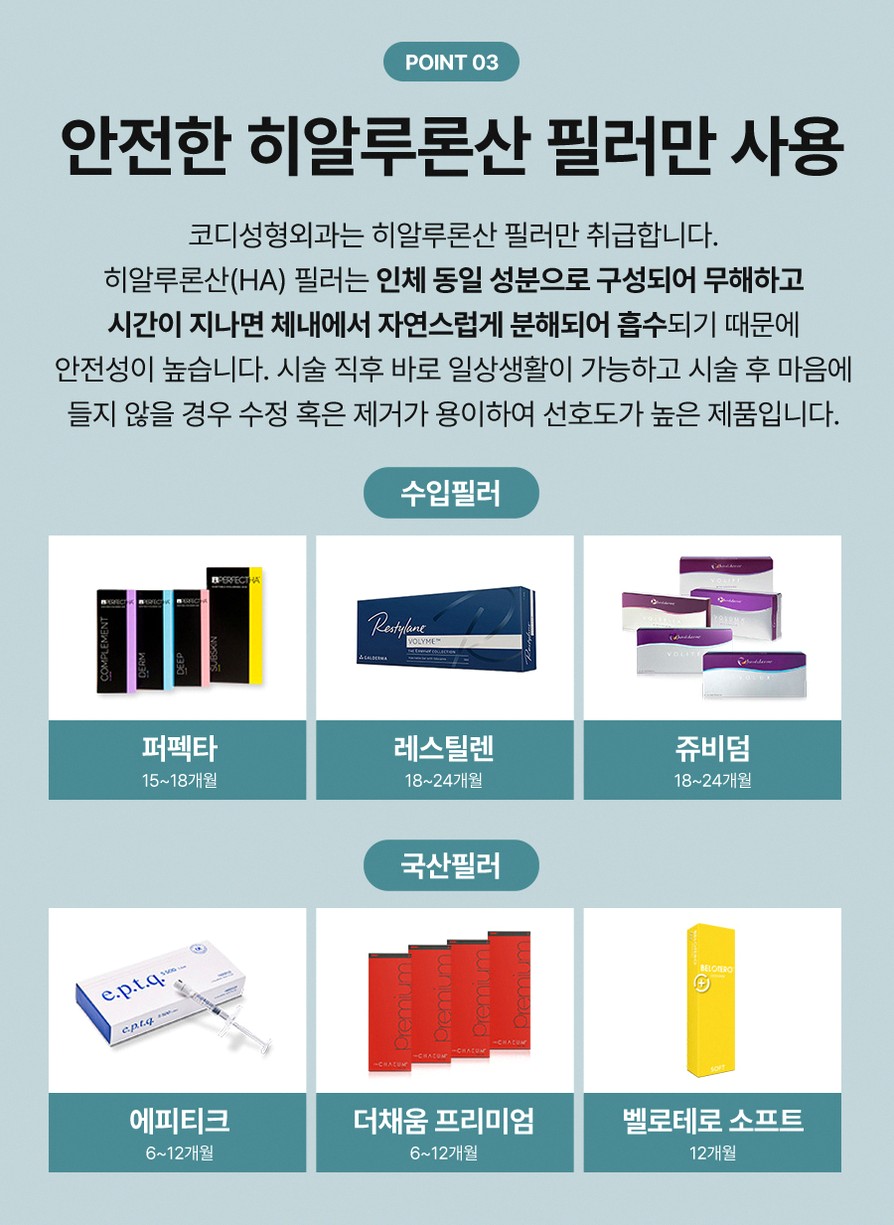
KODI PLASTIC SURGERY is located on the 13th floor of a building on Gangnam-daero in Seocho-gu, within convenient reach of Sinnonhyeon. The clinic focuses on two main areas: eye surgery and filler procedures, and operates dedicated centers for eye surgery, eye revision surgery, and facial filler. This structure supports a more specialized approach to under-eye treatments.
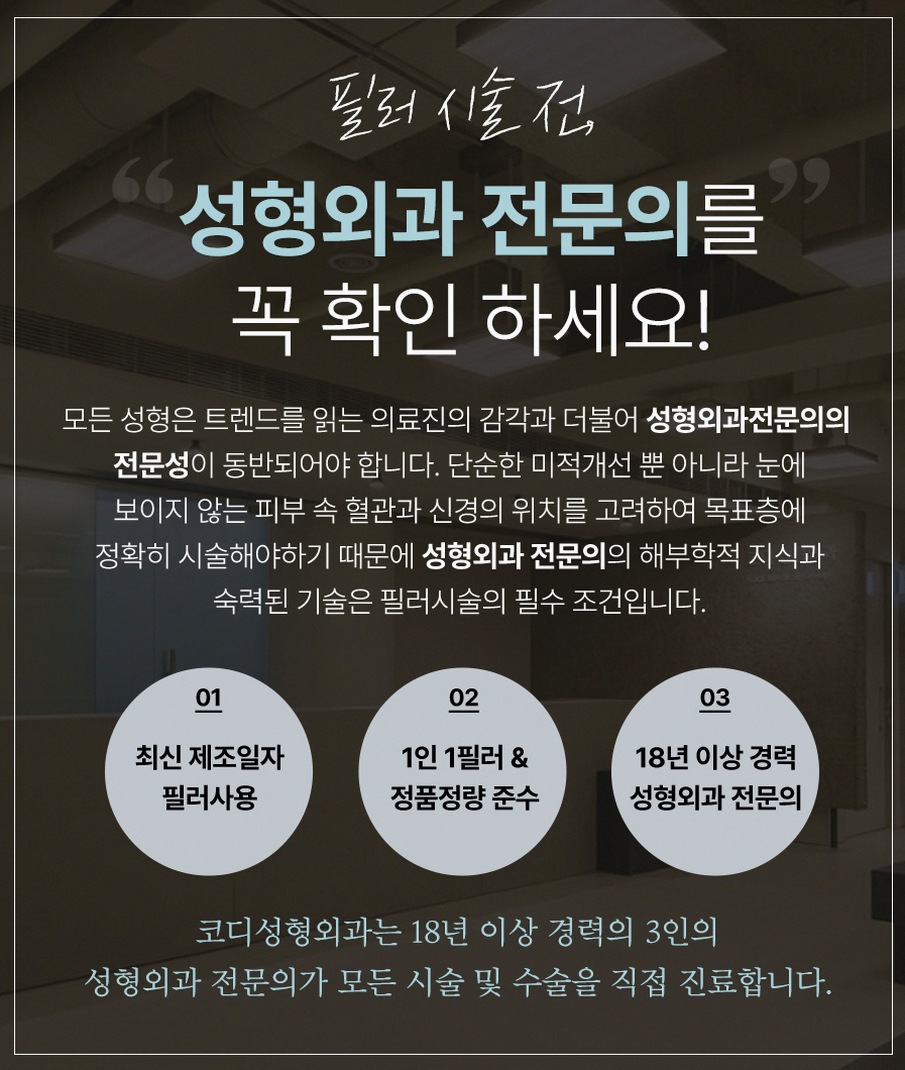
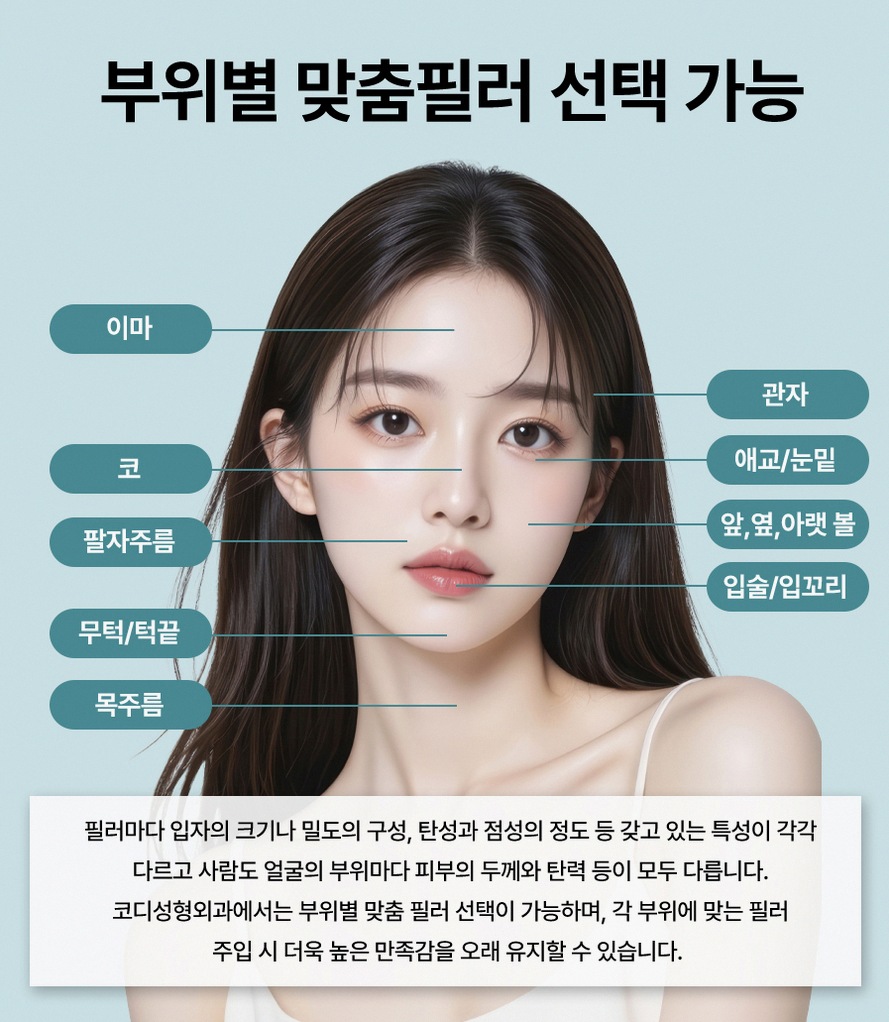
which can be reassuring for procedures that may involve anesthesia or require careful monitoring. They also organize their filler lineup by facial area, including nose, forehead, cheeks, chin, under-eye, nasolabial folds, and lips, allowing for region-specific planning and technique.
For international or foreign-resident patients in Gangnam, the availability of foreign-language website pages in English, Chinese, and Japanese can make it easier to understand treatment information and communicate preferences.
Online consultation and pre-visit preparation for overseas patients
If you are considering traveling to Seoul for under-eye hollow filler, an online consultation is a useful first step.
What to prepare for an online consultation
Clear photos of your face in good lighting, from the front and at slight angles, with neutral expression and with a gentle smile.
Information about your main concerns: for example, “deep hollows,” “tired look,” or “I want more visible aegyo-sal.”
A list of any previous fillers or surgeries around the eyes or cheeks, including approximate dates and where they were done.
Medical history, including allergies, medications, and any chronic conditions.
Your schedule for visiting Korea, including arrival and departure dates.
Questions you may want to ask
Is my dark circle mainly from hollows, pigmentation, or both?
Would you recommend tear trough filler, aegyo-sal filler, or a combination in my case?
How much downtime should I expect, realistically, given my travel plans?
If I already have filler from another clinic, can it be adjusted or dissolved if necessary?
Expected Korea visit timeline for under-eye filler
Many overseas visitors plan their under-eye filler around a short trip. A typical schedule might look like this
Day 1: In-person consultation and treatment
Arrive at the clinic for a face-to-face consultation. The doctor confirms your anatomy, reviews your online consultation details, and finalizes the plan.
If both you and the doctor agree to proceed, numbing and injection can often be done on the same day.
You can usually return to your hotel or other activities soon after, keeping in mind that mild swelling or bruising may start to appear.

Day 2–3: Early recovery
Swelling is usually most noticeable in the first 48 hours, then gradually decreases.
You can often do light sightseeing or business meetings, but you may prefer to avoid important photo events during this time.
Day 5–7: Settling period
By this stage, most swelling is reduced and the result looks closer to the final outcome.
If your stay allows, a short follow-up visit can be scheduled to check symmetry and discuss any minor adjustments.
Because each person heals differently, it is wise to avoid scheduling major events or photo shoots immediately after the procedure. If possible, allow at least several days in Seoul after treatment before long flights, so you can return for review if needed.
Aftercare once you return home
Once you leave Korea, it is important to continue gentle care of the under-eye area.
Follow the written or verbal aftercare instructions provided by the clinic.
Avoid aggressive facial massages or high-impact sports that may put pressure on the face for a short period.
If you notice delayed swelling, lumps, or asymmetry later, contact the clinic with updated photos so they can advise you. In some cases, they may recommend seeing a qualified local doctor for evaluation.
Frequently asked questions
Is under-eye filler painful and how is it numbed?
Most people describe under-eye filler as mildly uncomfortable rather than very painful. Before injection, a topical anesthetic cream is usually applied, and some fillers also contain a small amount of local anesthetic. In certain cases, an additional local anesthetic injection may be used. You may feel pressure or a brief sting, but the procedure is generally well tolerated and quite quick.
How soon can I wear makeup after under-eye filler?
Light makeup can often be applied after a set period, commonly from the next day, but this depends on the doctor’s specific instructions. It is important to keep the injection sites clean on the day of treatment and avoid rubbing or dragging the skin when you first resume makeup. Using clean brushes or sponges and gentle motions helps reduce the risk of irritation or infection.
Can under-eye filler make dark circles worse?
If under-eye filler is placed too superficially or in excessive amounts, it can sometimes cause puffiness or a bluish tint, which may make the area look worse. This is why conservative volume, appropriate filler choice, and correct depth are important. When done carefully for the right candidate, filler usually improves shadow-based dark circles. However, if your dark circles are mainly due to pigmentation, filler alone may not help and other treatments may be needed.
How often do I need touch-ups?
Under-eye filler often lasts 6–12 months, but this varies. Some people prefer a small touch-up once a year to maintain a stable result, while others wait until most of the effect has faded. Your doctor can suggest a schedule based on how your body metabolizes filler and how quickly your hollows tend to return. Regular but conservative maintenance can help avoid large, sudden changes.
Can previous under-eye filler be corrected or dissolved?
If you have had filler elsewhere and are not satisfied with the result, it may be possible to adjust or dissolve it, depending on the product used. Hyaluronic acid fillers can often be dissolved with an enzyme injection called hyaluronidase. The doctor will usually examine the area, review your history, and then decide whether to dissolve first and re-treat later, or to make small adjustments. This process should be approached carefully, especially in the under-eye region.
Soft call to action
If you are considering under-eye hollow or aegyo-sal filler during a visit to Seoul and would like a tailored opinion based on your photos and schedule, you can arrange an online consultation with a clinic such as KODI PLASTIC SURGERY in the Sinnonhyeon area. Sharing clear images and your concerns in advance allows the medical team to suggest realistic options, plan your visit efficiently, and help you understand what kind of natural-looking improvement you might expect.




- 공유 링크 만들기
- X
- 이메일
- 기타 앱


댓글
댓글 쓰기