What to expect from under-eye hollow filler
- 공유 링크 만들기
- X
- 이메일
- 기타 앱
Direct answer summary
Under-eye hollow filler in the Seocho-gu and Gangnam-daero area is a non-surgical injectable treatment that adds gentle volume to the sunken or shadowed area under the eyes. When performed carefully with hyaluronic acid filler, many patients may notice an immediate softening of hollows and a less tired appearance; how long the effect lasts varies between individuals. Recovery is typically quick, but outcomes depend on individual anatomy and the injector’s technique, and this treatment is not a substitute for full lower eyelid surgery.
Introduction: What people in Seocho-gu want to know about under-eye hollow filler results
Many people searching in Seocho-gu are looking for a way to improve sunken, dark, or tired-looking under-eyes without undergoing surgery. Under-eye hollow filler, sometimes called aegyo filler for the lower eyelid or tear trough filler, is one of the most common non-surgical options in the Gangnam-daero area of Seoul.
This treatment uses injectable hyaluronic acid filler to add subtle volume where the lower eyelid meets the upper cheek. People usually want to know four things before they decide: how noticeable the effect will be, whether it looks natural, how long it lasts, and what the recovery is like.
It is important to understand that this is a focused treatment for the under-eye hollow and tear trough area, not a full facial filler makeover and not surgical eye bag removal or lower blepharoplasty. Clinics in the Seocho and Gangnam-daero region commonly use hyaluronic acid fillers here because they are reversible and have a long safety history when used correctly.
What under-eye hollow filler actually improves
Under-eye hollow filler is designed to improve several specific concerns.

First, hollowness. Many people notice a groove or depression running from the inner corner of the eye down and out along the cheek. This is often called the tear trough. When this area is sunken, it creates a shadow that makes the face look tired, even when you are well rested.
Second, shadow-like dark circles. Filler does not bleach the skin or remove pigment, but by filling the hollow and smoothing the transition from eyelid to cheek, it reduces the shadow effect. Light reflects more evenly off a smoother surface, so the under-eye area can appear brighter even if the skin color itself has not changed.
Third, a tired or aged expression. By restoring gentle volume between the lower eyelid and upper cheek, the face can look more awake and refreshed. The key word is gentle: the goal is not to create a puffy or overfilled look.
In some patients, a small amount of well-placed filler can also make the under-eye skin appear slightly more hydrated and less crinkled. However, this is not a complete solution for wrinkles, loose skin, or strong muscle movement. Under-eye filler is a volumizing treatment, not a full anti-wrinkle or skin tightening procedure.
Results are usually most natural when the aim is soft correction rather than trying to erase every line or shadow. Overfilling can lead to puffiness, lumpiness, or an unnatural contour, especially in the delicate lower eyelid area.
Who is a good candidate for under-eye hollow filler
Under-eye hollow filler tends to work best for certain types of concerns.
Good candidates often have mild to moderate hollowness under the eyes without very severe loose skin or large protruding fat pads. Younger to middle-aged patients whose main issue is volume loss and shadow, rather than heavy eye bags, are often suitable.
If your primary complaint is that you look tired, your under-eyes look sunken, or you see a clear groove between the eyelid and cheek, filler may be an option. It is also appropriate for people who want a quick, non-surgical treatment with minimal downtime and who understand that the results are temporary.
On the other hand, some people are not ideal candidates for under-eye filler alone. Examples include very thin, transparent skin with strong blue or green blood vessels, severe puffiness or fat herniation that looks like constant eye bags, or significant skin laxity with many fine wrinkles. In these cases, other treatments such as lower eyelid surgery, fat repositioning, or a combined approach may be more effective.
Pigmentation is another important factor. If your dark circles are mainly due to brown or gray pigment in the skin, filler will not remove that pigment. It may still reduce the shadow, but additional skin treatments might be needed for color issues.
Because of these variations, an in-person assessment with a qualified doctor is essential. The doctor needs to distinguish between hollowing, pigment, and true eye bags before recommending filler. Photos alone can be helpful for initial online consultation, but a physical examination is usually needed for final planning.

How the procedure is typically performed
While each clinic has its own style, the general steps of under-eye hollow filler are similar.
First is consultation and diagnosis. The doctor examines your under-eye area, checks for hollowness versus puffiness, evaluates skin thickness and elasticity, and looks at how your face moves when you smile. They will discuss your concerns, medical history, and previous treatments.
Next is design of injection points and depth. The doctor decides where to place the filler, how deep to inject, and how much volume is appropriate per side. The under-eye region is delicate, so the plan tends to be conservative.
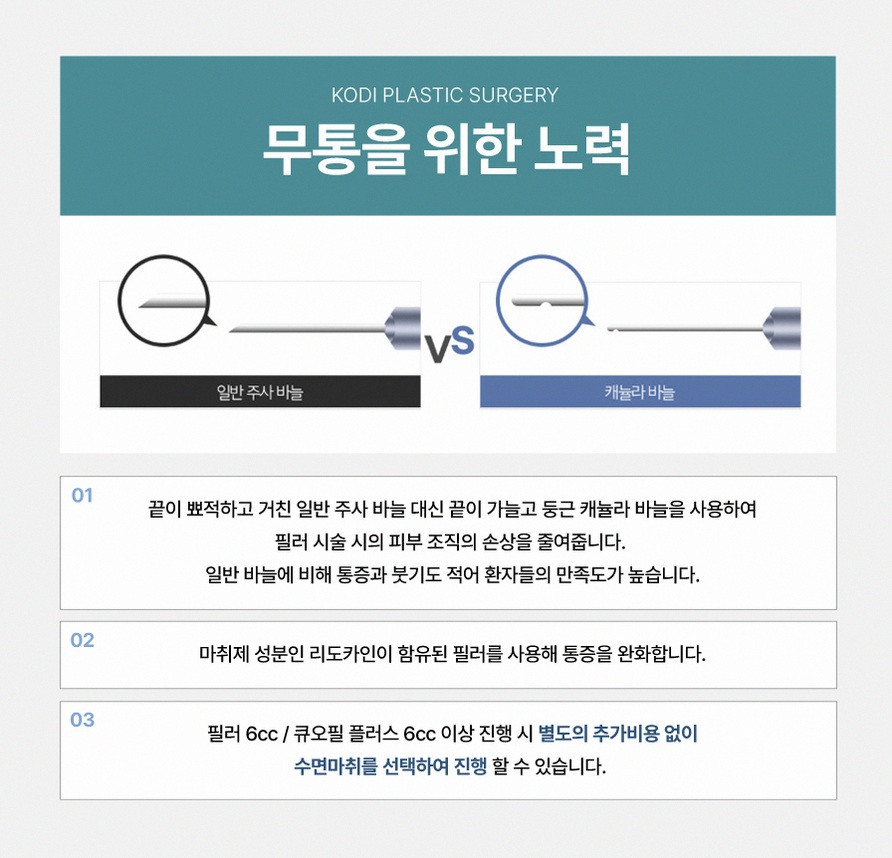
Before injection, the area is cleansed, and topical numbing cream may be applied. Some fillers also contain a local anesthetic to reduce discomfort during the procedure.
For the injection itself, the doctor may use a fine needle, a blunt-tipped cannula, or a combination of both. However, the choice depends on the doctor’s training and technique.
Only small amounts are usually injected per side, often in layers. The doctor may inject a little, then gently massage or mold the filler, check the contour, and add more only if needed. This layered approach helps avoid lumpiness and overcorrection.
At KODI PLASTIC SURGERY, under-eye filler is part of a segmented filler menu by facial area, such as nose, forehead, cheeks, chin, under-eye, nasolabial folds, and lips. Treating the under-eye as its own category allows for a specific design and dosage strategy suited to this sensitive region. The presence of an in-house anesthesiology specialist also supports safer monitoring and management, especially if under-eye filler is combined with other procedures in the same visit.
What results to expect: appearance, onset, and duration
Appearance
A natural under-eye filler result generally means a smoother transition from the lower eyelid to the cheek. The deep groove or hollow line is softened, and the under-eye area looks less shadowed and less tired. Many patients feel they look more rested or slightly younger, without an obvious sign that something was done.
The goal is to maintain your natural eye shape and facial character. From the front, the under-eye should look more even; from the side, the contour from eyelid to cheek should appear gently curved rather than sharply indented.
Onset
Most of the effect is visible immediately after injection because hyaluronic acid filler provides instant volume. However, there is often mild swelling in the first few days, which can make the area appear fuller than the final result.

Small asymmetries or unevenness may also be due to temporary swelling. The filler usually settles as the tissues relax and the swelling goes down. The final, stable appearance is typically seen after one to two weeks.
Duration
Under-eye hollow filler commonly uses hyaluronic acid products designed for delicate areas. Results may last for many months, but individual duration varies depending on factors such as product choice, treatment depth, and personal metabolism.
These factors include the type of filler used, the injection depth, your individual metabolism, lifestyle habits such as smoking or heavy exercise, and how expressive your lower eyelids are. Because the under-eye area has less movement than the lips or smile lines, filler here often lasts longer than in those regions.
It is important to have realistic expectations. The aim is noticeable improvement, not a complete erasure of all lines, folds, or pigment. Some patients benefit from staged sessions, where a small amount is placed initially and then refined after a few weeks, rather than trying to achieve the full effect in one visit.
Safety, side effects, and why injector experience matters
All medical procedures carry some risk, and under-eye filler is no exception. However, understanding typical side effects and safety measures can help you make an informed decision.
Common temporary side effects include redness at the injection site, mild swelling, tenderness, and small bruises. These usually improve over several days. Slight asymmetry is also common in the first days as swelling is rarely perfectly even on both sides.
There are some under-eye specific issues to be aware of. If filler is placed too superficially, it can cause a bluish or grayish tint under the skin, known as the Tyndall effect. Overfilling or uneven placement can lead to small lumps or a puffy appearance. Some people may experience prolonged swelling if they are sensitive in this area.
More serious complications are rare but important to mention. These include vascular occlusion, where filler accidentally enters or compresses a blood vessel, and visual disturbances if vessels connected to the eye are affected. These risks are minimized by choosing an experienced injector with strong anatomical knowledge, using conservative doses, and applying careful injection techniques.
Hyaluronic acid fillers are generally considered reversible in many cases, and clinics may offer enzymatic or other options to address concerns such as overfilling, asymmetry, or visible bluish discoloration. Discuss reversal possibilities and any related risks with your treating physician.
Clinics that focus on eye and filler procedures, structure their filler menus by facial area, and have an on-site anesthesiology specialist are often organized to pay close attention to safety and precision. Even so, no clinic can completely eliminate risk, so it is important to discuss potential complications and how they would be managed before you proceed.
Aftercare and how to maintain results
Immediate aftercare
After under-eye filler, you will usually be advised to avoid rubbing, pressing, or massaging the treated area unless your doctor specifically instructs you to do so. Heavy exercise, saunas, hot baths, and alcohol are often restricted for a short period, such as 24 to 48 hours, to reduce swelling and bruising.
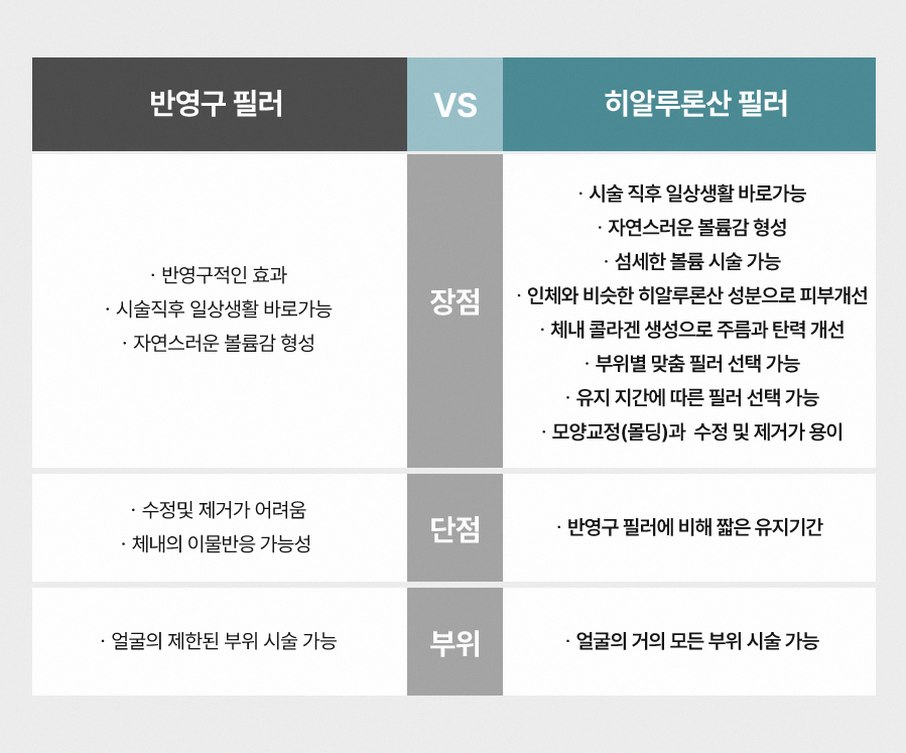
If swelling is a concern, sleeping with your head slightly elevated on the first night can help. Some patients use a cold compress wrapped in a clean cloth for short intervals, but this should only be done if your clinic approves.
Bruising, if present, usually fades within about a week. Once the skin is intact and there are no open injection points, makeup can generally be used to cover discoloration, again according to your clinic’s guidance.
Long-term maintenance
To maintain your results, gentle skincare and daily sun protection are important. Ultraviolet exposure can worsen pigmentation and skin texture around the eyes, which may reduce the overall aesthetic effect.
Avoiding frequent extreme weight changes can also help, as rapid weight loss can sometimes accentuate facial hollows. Staying hydrated and maintaining a healthy lifestyle support overall skin quality.
As the filler gradually breaks down, the hollows may slowly become more visible again. Many patients choose to have touch-up sessions before the filler is completely gone, for example every 9 to 18 months, depending on how their results evolve. Your doctor can suggest a personalized maintenance schedule.
Comparing under-eye filler with other under-eye treatments
Under-eye hollow filler is one option among several treatments for the lower eyelid area.
Lower eyelid surgery or fat repositioning is more invasive and requires longer recovery, but it can address issues that filler cannot, such as large eye bags from protruding fat or very loose skin. Surgery changes the underlying structures, while filler simply adds volume.
For some patients, a combination approach works best. Examples include filler for the hollow plus skin treatments such as laser, energy-based devices, or platelet-rich plasma to improve fine lines and texture. In cases of severe volume loss, fat grafting may be considered instead of or in addition to filler.
However, this article focuses on under-eye hollow filler as a non-surgical volumizing option. Other treatments are reference points to help you understand why your doctor might recommend filler alone, surgery alone, or a combination.
Online consultation and pre-visit preparation for overseas patients
If you are planning to travel to Seoul for treatment, an online consultation is a practical first step.

Most clinics will ask you to send clear photos of your face in good lighting: front view, 45-degree angles, and side views, both in a neutral expression and smiling. This helps the doctor evaluate your under-eye hollows, eye bags, and cheek support.
When you contact the clinic, it is helpful to prepare the following information.
Your main concerns: for example, “sunken under-eyes,” “dark shadow,” or “tired look.”
Your medical history: past eye or facial surgeries, filler or other injections in the area, allergies, medications, and any history of bleeding or bruising problems.
Your schedule: how many days you will stay in Korea and whether you plan to combine under-eye filler with other treatments.
You may also want to prepare questions such as: Which filler products are used for the under-eye area? What is the doctor’s experience with tear trough injections? How is safety monitored? What is the expected downtime for someone visiting from overseas?
A good clinic will respond with realistic guidance, not just promises. They may also advise you if they think surgery or another treatment would be more suitable than filler alone.
Expected Korea visit timeline for under-eye hollow filler
For international patients, the timeline is usually quite manageable.
Day 1: Consultation and possible treatment. After arriving in Seoul, you visit the clinic for an in-person consultation. The doctor confirms the online assessment, examines your under-eyes closely, and finalizes the plan. If everything is appropriate and you agree, under-eye filler can often be performed on the same day.
Days 2 to 3: Early recovery. Mild swelling or small bruises may appear or become more noticeable. You can usually continue sightseeing or light activities, but you might prefer to avoid important photo events during this time.
Days 4 to 7: Settling period. Swelling typically improves. Bruises, if present, start to fade and can be covered with makeup in most cases. Many patients feel comfortable meeting friends or attending meetings by this stage.
One to two weeks: Final result. The filler has largely settled, and the contour looks more natural. If you are staying in Korea for an extended period, a short follow-up visit can be arranged. If you are already back home, follow-up can be done via photos and online consultation.
Because serious complications are rare but possible, it is wise to schedule your treatment early enough in your trip that you can return to the clinic if you have concerns, rather than on your last day in Korea.
Choosing a clinic in Seocho-gu for under-eye hollow filler
When selecting a clinic in the Seocho or Gangnam-daero area for under-eye filler, consider several points.
Look for a clear focus on eye and filler treatments, with specific mention of the under-eye or tear trough area. Clinics that organize their filler services by facial region, such as nose, forehead, cheeks, chin, and under-eye, often have a more tailored approach to each zone.
Ask about the doctor’s experience with under-eye injections, the types of hyaluronic acid fillers used, and how they handle complications if they occur. It is also reasonable to ask who will perform the injections and whether a board-certified plastic surgeon is involved in your care.
An in-house anesthesiology specialist can add another layer of safety, especially if you plan to combine under-eye filler with other procedures in one session. Finally, pay attention to how clearly the clinic explains risks, benefits, and alternatives. Transparent communication is a good sign.
FAQ focused on under-eye hollow filler results
How much improvement can I realistically expect from under-eye filler for hollows?
Most suitable patients see a noticeable softening of the hollow or groove under the eyes and a reduction in shadow, leading to a more rested appearance. However, the degree of change depends on how deep your hollows are, your skin quality, and how much filler is appropriate to use safely. The aim is improvement, not perfection, and your doctor can show you examples of subtle versus more visible changes during consultation.
How long do under-eye filler results last, and when should I plan a touch-up?
Many patients plan a touch-up when they start to notice the hollows returning, rather than waiting until the effect has completely disappeared. Your doctor can suggest an approximate interval based on the product used and your individual response.
Will under-eye filler make my dark circles disappear completely?
Under-eye filler can reduce the shadow that contributes to dark circles by filling the hollow and improving light reflection. However, it does not remove brown or gray pigment in the skin or completely hide visible blood vessels. If your dark circles are mainly due to pigment or very thin skin, you may need additional treatments such as skin brightening procedures or texture-focused therapies to see further improvement.
Is the procedure painful, and what kind of anesthesia or numbing is used?
Most patients describe under-eye filler as mildly uncomfortable rather than very painful. Clinics commonly apply topical numbing cream before injection, and many fillers contain a local anesthetic that further reduces discomfort as the procedure progresses. You may feel pressure or a brief sting, but the treatment is usually quick, and any soreness afterward tends to be mild and short-lived.

Can under-eye filler be removed or adjusted if I do not like the result?
If a hyaluronic acid filler is used, it can often be adjusted or dissolved with an enzyme called hyaluronidase. This can help in cases of overfilling, unevenness, or Tyndall effect. However, dissolving filler is also a medical procedure with its own considerations, so it is better to start with a conservative amount and build up slowly if needed.
How soon can I go back to work or social activities after the procedure?
Many people feel comfortable returning to work or everyday social activities the next day, especially if their work does not involve heavy physical effort. However, mild swelling or bruising can be visible for several days, so if you have an important event or photographs planned, it is wise to schedule your treatment at least a week in advance. Makeup can usually be used to cover minor marks once the skin has closed and your clinic confirms it is safe.
Conclusion and call to action
Under-eye hollow filler is a non-surgical way to soften hollows and reduce the tired look around the eyes, with relatively quick recovery and results that can last many months. The treatment works by restoring gentle volume in the tear trough area, improving the transition between the lower eyelid and cheek and reducing shadow.
Outcomes depend heavily on correct diagnosis of the problem, careful product selection, and the injector’s experience with the delicate under-eye anatomy. For overseas visitors to the Seocho-gu and Gangnam-daero area of Seoul, planning ahead with online consultation and a realistic schedule can make the experience smoother.
If you are considering under-eye hollow filler during your visit to Seoul, you can arrange an online consultation with KODI PLASTIC SURGERY to discuss whether this treatment is appropriate for your specific under-eye concerns and travel plans. The information in this article is for general guidance only and does not replace a personalized medical consultation with a qualified professional.




- 공유 링크 만들기
- X
- 이메일
- 기타 앱


댓글
댓글 쓰기