Yeoksam-dong nose filler cost: price & overseas tips
- 공유 링크 만들기
- X
- 이메일
- 기타 앱
Direct answer: Yeoksam-dong nose filler cost in context
If you are searching for nose filler cost in the Yeoksam-dong and Gangnam area, you can expect prices to be on the higher side compared with non-central districts in Korea. Clinics around Gangnam-daero often use premium filler brands and experienced injectors, and this is reflected in the fee. To compare clinics effectively, use this checklist: verify the filler brand and traceability; confirm the injector's specialty and years of experience; ask whether hyaluronidase and emergency protocols are available; check if pre- and post-procedure follow-up or correction policies are included; and request a clear written estimate that lists materials and any additional fees.
This guide explains how nose filler works, what affects the cost in the Yeoksam-dong area, how to plan a medical trip to Korea, and how a filler-focused plastic surgery clinic such as KODI PLASTIC SURGERY may structure the process for international patients.
What is nose filler (non-surgical nose reshaping)?
Nose filler, often called liquid rhinoplasty, is a non-surgical procedure that uses hyaluronic acid dermal fillers to shape the nose. Instead of cutting bone or cartilage, the doctor injects filler to add volume in selected areas and refine the nose line.
It is commonly used to raise a low nasal bridge, smooth a small hump, create a straighter profile, or give a more defined nose line when viewed from the side. Because it adds volume, nose filler is better for building or smoothing the line than for making a large nose smaller.
The procedure is usually done with topical numbing cream and sometimes local anesthesia. There is no general anesthesia and no cutting, so the treatment time is short and most people return to daily life quickly.
The effect is temporary. Depending on the filler type, injection depth, and your own metabolism, results may last several months to over a year. Over time, the body gradually breaks down the filler.
How nose filler differs from surgical rhinoplasty
Surgical rhinoplasty changes the structure of the nose by adjusting bone and cartilage. It can reduce size, narrow the bridge, and correct functional problems such as breathing issues. It also requires a longer recovery period.

Nose filler does not cut or remove tissue. It mainly adds volume to create a smoother, higher, or straighter line. It cannot significantly narrow a wide nose or reduce a large tip. For these goals, surgery may be more appropriate.
For many people who want a higher bridge or a more balanced profile without surgery, nose filler offers a relatively quick and reversible option. It can also be used as a test before committing to surgical rhinoplasty.
Typical cost structure in Yeoksam-dong and Gangnam
Clinics around Yeoksam-dong, Gangnam Station, and Gangnam-daero are popular for aesthetic procedures, including nose filler. This central location, high demand, and concentration of specialists tend to raise the average price compared with suburban or non-central areas.
Even though each clinic has its own price list, the cost of nose filler in this area usually reflects several components:
Filler product brand and type
Premium, globally recognized hyaluronic acid brands with strong safety data are usually more expensive than basic options. Some fillers are formulated to provide stronger structural support, which is important for nose shaping. These tend to cost more than soft volumizing fillers used in areas like the lips or under-eyes.
Amount of filler used
Nose filler is often charged per syringe or per milliliter. A first-time treatment for a very low bridge may require more volume than a small touch-up on someone who already has a reasonably defined nose. The more filler needed to achieve a safe, stable line, the higher the cost.
Experience and specialization of the injector
In the Yeoksam-dong and Gangnam area, many patients look for a board-certified plastic surgeon or a doctor with strong experience in facial fillers. Clinics that focus on nose and facial fillers and have accumulated know-how in design and complication management may charge more than places where filler is a minor, side service.
Follow-up and correction policies
Some clinics include at least one follow-up visit in the price, where the doctor checks the shape, symmetry, and safety. Minor adjustments may or may not be included. If you have old filler from another clinic that needs to be dissolved before new injections, there is often an additional fee for the dissolving agent and the extra visit.
Safety systems and environment
Operating in a clean, well-equipped environment with emergency response readiness adds to a clinic’s running costs. Some clinics use ultrasound guidance in complex cases, maintain strict sterile protocols, and keep hyaluronidase on hand to manage rare vascular complications. Clinics that employ a full-time anesthesiology and pain medicine specialist, mainly for more invasive surgeries, often have a strong safety culture that also benefits filler patients. These systems can be reflected in overall pricing.
What is usually included in the nose filler fee
While details differ by clinic, a typical nose filler fee in Yeoksam-dong and Gangnam often includes:
A pre-procedure consultation and nose analysis, including medical history review and discussion of your goals.
The filler product itself and the injection procedure, with topical or local anesthesia.
Basic aftercare instructions and at least one short follow-up check.
Documentation of the filler brand, batch, and amount used.
If you have previous filler that needs to be dissolved or if you require staged treatments, these are usually charged separately.
Main factors that change the final nose filler price
Filler brand and quality
Higher-priced clinics often use premium hyaluronic acid brands with extensive clinical data and international approval. These fillers are usually more stable, predictable, and reversible. Special structural fillers designed for areas like the nose or chin may cost more than soft fillers used for superficial lines.

Amount of filler required
If your nasal bridge is very low or your nose line is irregular, you may need more volume to create a smooth, natural profile. This increases the cost compared with a small touch-up. Retouch sessions later may use less filler, but they still involve medical time and materials, so there is usually a separate fee.
Injector expertise
Nose filler requires detailed knowledge of nasal anatomy and aesthetics. Doctors with strong experience in nose and facial fillers may charge more because they bring a refined sense of proportion, understand how to avoid key blood vessels, and know how to manage complications. Clinics that invest in continuous training and systematic filler protocols often reflect this in their pricing.
Clinic systems and safety
A clinic that maintains a full-time anesthesiology and pain medicine specialist for surgeries, uses strict infection control, and keeps emergency equipment ready is investing heavily in safety. Even though nose filler itself is minimally invasive, you benefit from this environment. These systems can raise operating costs but provide peace of mind for both local and overseas patients.
Individual nose shape and goals
If you have a simple low bridge without major asymmetry, your treatment is usually straightforward and may fall on the lower end of a clinic’s nose filler range. However, if you have a crooked nose, previous surgery, or old filler, your case may be more complex. The doctor may recommend dissolving old filler, staging the treatment, or combining nose filler with other facial fillers for balance. This planning and extra work can increase the total cost.
Who may consider nose filler
Nose filler can be an option if you:
Have a low or flat nasal bridge and want a higher, straighter profile without surgery.
Feel your side profile is unbalanced and want a smoother line from forehead to nose.
Have small irregularities or depressions after previous nose surgery and your surgeon considers filler safe in your case.
Want to preview a new nose line before deciding on permanent surgical rhinoplasty.
On the other hand, nose filler may not be suitable if you:
Want a much smaller, narrower nose or a significantly reduced tip. Filler adds volume and cannot truly shrink structures.
Have severe nasal deformities, trauma, or breathing problems that require structural surgery.
Have unrealistic expectations or are not comfortable with the temporary nature of filler results.
If you are unsure, an online consultation before your trip can help clarify whether nose filler, surgery, or a combination might suit your situation.
Typical treatment process at a specialized filler clinic
While each clinic has its own style, a nose filler journey at a filler-focused plastic surgery clinic in the Gangnam and Yeoksam-dong area often follows these steps.
Consultation and analysis
You explain your concerns: low bridge, a small hump you want to smooth, a droopy-looking tip, or imbalance between your nose, lips, and chin. The doctor reviews your medical history, allergies, previous filler, and any nose surgeries.
They examine your nose from the front and side, checking skin thickness, cartilage support, and symmetry. They also assess how your nose line connects with your forehead and chin, because the profile must look balanced as a whole.
Design and planning
Based on your facial proportions, the doctor designs a target nose line. This may involve slightly raising the bridge, smoothing a hump, or refining the transition between the nose and forehead.
They choose a filler type appropriate for structural support and decide on an approximate volume. At clinics that focus on fillers, this design is often very detailed, sometimes combined with other areas such as chin or forehead filler for overall harmony.

Procedure day
On the day of treatment, your nose area is cleansed and disinfected. Numbing cream is applied, and in some cases, small local anesthetic injections are used for additional comfort.
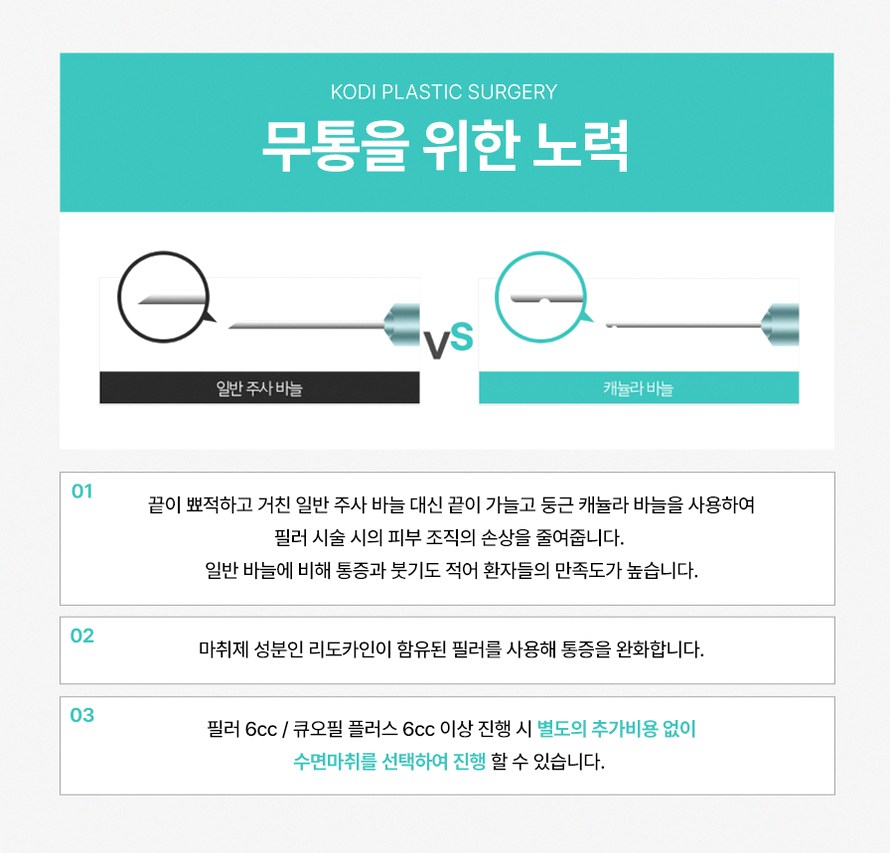
The doctor injects filler along the nasal bridge and selected points, sometimes using a cannula to reduce the risk of bruising. They check the shape in real time with you in a semi-upright position, adjusting small details for symmetry and smoothness.
The entire injection process is usually short, often under 30 minutes once everything is prepared.
Immediate aftercare
After the procedure, you may receive gentle cooling to reduce swelling. The staff explains what mild side effects are normal, such as temporary redness, swelling, or slight tenderness.
They also explain warning signs that require urgent contact, such as strong pain, sudden color changes in the skin, or visual symptoms. You receive instructions about touching the nose, wearing glasses, and avoiding heat or heavy exercise for a few days.
Follow-up
A follow-up visit is usually scheduled to confirm that the shape is stable and that there are no complications. This is also a chance to discuss future maintenance and whether you might need a small touch-up later.
Safety, risks, and why injector choice matters
Although nose filler is minimally invasive, it is not risk-free. The nose contains important blood vessels that connect to the face and eye area. For this reason, it is important to choose a medically qualified, experienced injector who understands nasal anatomy.
Key safety points include using appropriate injection depth and technique, injecting slowly, and constantly monitoring the skin. Clinics should be prepared to respond immediately to signs of vascular compromise, with hyaluronidase and clear emergency protocols.
Common side effects include temporary swelling, redness, bruising, and mild discomfort. These usually settle within days. Less common but serious complications include vascular occlusion, skin necrosis, or visual disturbance. These require urgent medical attention.
Clinics that maintain a full-time anesthesiology and pain medicine specialist for their surgical patients often have a strong safety culture, systematic monitoring, and emergency readiness. Even though nose filler is done with local measures, this environment can provide additional reassurance.
How to prepare as an overseas patient
Before you travel to Korea, it is useful to arrange an online consultation with the clinic. Many Gangnam clinics that focus on fillers offer online channels where you can send photos and medical information.
For a more accurate assessment, prepare the following:
Clear photos of your face from the front, 45-degree angle, and side, taken in good lighting without filters.
Information about any previous nose surgery or filler, including when and where it was done.
A list of your medications, allergies, and any medical conditions.
Your main concerns and goals, written as simply as possible.

During the online consultation, ask about:
Whether your goals are realistic with filler alone.
What filler brands the clinic uses for nose procedures.
Expected amount of filler and approximate cost range.
Recommended timing between arrival, treatment, and departure.
Follow-up and what happens if you need help after you return home.
Expected Korea visit timeline for nose filler
Every patient’s schedule is different, but many overseas visitors follow a similar pattern:
Day 1: Arrival and in-person consultation. The doctor confirms the plan, examines your nose directly, and finalizes the design. In some cases, the procedure can be done on the same day if both you and the doctor agree.
Day 1 or 2: Nose filler procedure. The treatment itself is short, and you can usually return to your accommodation soon after. Mild swelling or redness is expected.
Day 2 to 4: Early recovery. Swelling and minor bruising, if any, usually improve. You can often enjoy light sightseeing or work, but it is better to avoid intense exercise, saunas, and heavy drinking.
Day 5 to 7: Follow-up visit. The doctor checks the shape and symmetry and answers any questions. If your stay is short, the clinic may schedule this check a bit earlier.
Most international patients feel comfortable flying home within a few days after nose filler, as long as there are no complications and they follow the clinic’s instructions.
Aftercare and maintenance
After nose filler, you will receive specific instructions from your clinic. Common advice includes:
Avoid pressing or massaging the nose unless your doctor instructs you to do so.
Be careful with heavy glasses that rest on the bridge; some clinics recommend avoiding them for a short time.
Avoid saunas, hot baths, and intense exercise for several days to minimize swelling.
Monitor your nose and surrounding skin. If you experience unusual pain, sudden color change, or visual symptoms, contact the clinic immediately.
Over time, the filler will gradually break down and be absorbed by your body. The duration of the result depends on the filler type, injection depth, and your metabolism. Many people schedule touch-ups every several months to maintain their preferred nose line.
At each maintenance visit, the doctor should reassess your nose rather than simply adding more volume. The goal is to keep a natural, stable shape, not to overfill.
How to choose a clinic near Yeoksam-dong for nose filler
When comparing clinics around Yeoksam-dong and the Gangnam Station area, consider more than just the price.
Check whether nose and facial fillers are core services, not just a small side item on a long list of procedures. Clinics with a dedicated filler center often have more structured protocols and design experience.
Confirm who will inject your nose. Many patients prefer a board-certified plastic surgeon or equivalent specialist with strong filler experience. Ask about their background and how often they perform nose filler.
Look for a detailed, individualized consultation. Be cautious of one-price-fits-all packages that do not consider your nose shape, skin thickness, and previous treatments.
Ask which filler brands are used, whether they are genuine and traceable, and how the clinic documents them.
Confirm the follow-up policy and how the clinic manages complications or dissatisfaction. For overseas patients, ask how you can contact them after you return home.
Consider overall safety systems, including the presence of anesthesia and pain medicine expertise for surgeries, as a sign of a safety-oriented environment.
KODI PLASTIC SURGERY is located on Gangnam-daero and states a focus on eye surgery and filler procedures.
Frequently asked questions about Yeoksam-dong nose filler cost
What is the typical cost range for nose filler in Yeoksam-dong and Gangnam, and why does it vary?
In the Yeoksam-dong and Gangnam area, nose filler is generally priced higher than in non-central districts. This is due to the central location, higher demand, and the presence of clinics that invest in experienced injectors, premium fillers, and strong safety systems. The price varies mainly based on the filler brand, the amount needed for your nose, the doctor’s expertise, and whether follow-up or correction is included. Because every nose and plan is different, clinics usually give only a range until they see you in person.
How long does a nose filler procedure take, and when can I return to work?
The injection part of a nose filler treatment is usually quite short, often under 30 minutes once preparation is complete. Including consultation, numbing, and post-procedure observation, you may spend one to two hours at the clinic. Most people return to office work or light daily activities the same day or the next day. Mild swelling or redness is common but usually easy to cover with makeup after a short time, if your doctor allows it.
How long do nose filler results last, and how often will I need touch-ups?
Nose filler results are temporary. Depending on the filler type, injection depth, and your metabolism, the effect may last several months to over a year. Structural fillers in the nose often last longer than softer fillers in more mobile areas. Many patients plan touch-ups periodically to maintain their preferred nose line. Your doctor can suggest a maintenance schedule based on how your body responds.
Is nose filler safe, and what are the main risks I should know about?
When performed by an experienced, medically qualified injector in a well-equipped clinic, nose filler is considered a minimally invasive procedure. However, it still carries risks because the nose has important blood vessels. Common side effects include temporary swelling, redness, bruising, and mild discomfort. Rare but serious complications include vascular occlusion, skin necrosis, or visual disturbance. This is why it is important to choose a clinic that understands nasal anatomy, uses careful techniques, and is prepared to respond quickly if a complication is suspected.
Can nose filler fix a hump or crooked nose, or do I need surgery?
Nose filler can often soften the appearance of a small hump by filling in the area above or below it, making the profile look smoother. It can also visually improve mild asymmetry in some cases. However, if the hump is large, the nose is significantly crooked, or there are functional breathing issues, surgical rhinoplasty may be more appropriate. An in-person consultation is needed to judge how much improvement is possible with filler alone.
I already have nose filler from another clinic. Can it be corrected or dissolved before re-treatment?
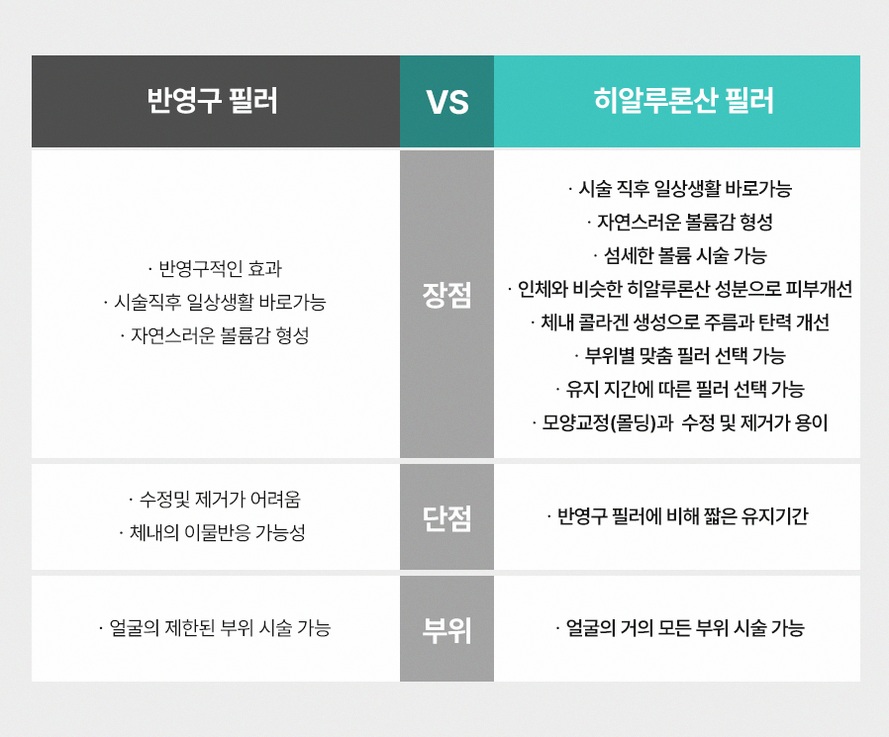
If you already have nose filler from another clinic, your new doctor will first assess its position, texture, and effect on your nose line. In some cases, it is possible to add new filler carefully. In other cases, especially if the shape is irregular or the product is unknown, the doctor may recommend dissolving the old filler with a special enzyme before re-treatment. This step usually involves additional time and cost but can help achieve a cleaner, safer result.
What should I avoid after nose filler to help it last longer and stay in shape?
After nose filler, it is generally advised to avoid pressing or massaging the nose unless your doctor instructs you to do so. Try not to sleep face-down or wear heavy glasses that press on the bridge for a short period if your clinic advises against it. Avoid saunas, hot baths, and intense exercise for several days to reduce swelling. Maintaining a stable weight and overall health may also support more predictable filler longevity, although individual metabolism still plays a big role.
How do I choose a trustworthy clinic for nose filler near Yeoksam-dong as an overseas patient?
For international patients, it is helpful to start with an online consultation. Look for clinics where nose and facial fillers are core services, and confirm that a qualified specialist will perform your injections. Ask about filler brands, safety protocols, follow-up policies, and how they support overseas patients after they return home. Clinics like KODI PLASTIC SURGERY, located on Gangnam-daero and focusing on eye and filler procedures with a dedicated nose and facial filler center, can be convenient for visitors staying around Yeoksam-dong and Gangnam Station.
Soft call to action for online consultation
If you are considering nose filler in the Yeoksam-dong or Gangnam area and want to understand cost, options, and suitability for your nose shape, arranging an online consultation before your trip can be very helpful. By sharing clear photos and your medical history in advance, you can receive a more personalized estimate and travel plan.
A clinic such as KODI PLASTIC SURGERY can discuss whether nose filler alone is appropriate, what kind of filler and approximate volume may be needed, and how to schedule your visit and follow-up within your travel dates. This preparation allows you to focus on safe, realistic, and satisfying results rather than price alone when you arrive in Korea.




- 공유 링크 만들기
- X
- 이메일
- 기타 앱


댓글
댓글 쓰기