Chin Filler Guide for Foreign Patients
- 공유 링크 만들기
- X
- 이메일
- 기타 앱

How to Find a Good Chin Filler Clinic Near Sinnonhyeon Station
If you are staying in the Sinnonhyeon or Gangnam area and want to improve a weak or recessed chin without surgery, you are not alone. Many international visitors look for a reliable chin filler clinic near Sinnonhyeon Station because it is central, easy to reach, and surrounded by medical facilities.
This guide explains what chin filler can do for your facial profile, how to choose a safe and experienced clinic near Sinnonhyeon Station, what to expect during treatment, and how a clinic such as KODI PLASTIC SURGERY on Gangnam-daero approaches chin contouring with fillers. It is written for overseas patients, so it also covers online consultation, planning your trip to Seoul, and aftercare.
Direct answer: what to look for near Sinnonhyeon Station
When searching for the best chin filler clinic near Sinnonhyeon Station, focus on these points rather than just price or popularity:
A clinic that treats filler as a main area of practice, with a structured lineup for different facial areas.
Medical staff with strong anatomical knowledge and experience in lower-face contouring.
Clear, step-by-step consultation and design for the chin, not just quick volume injections.
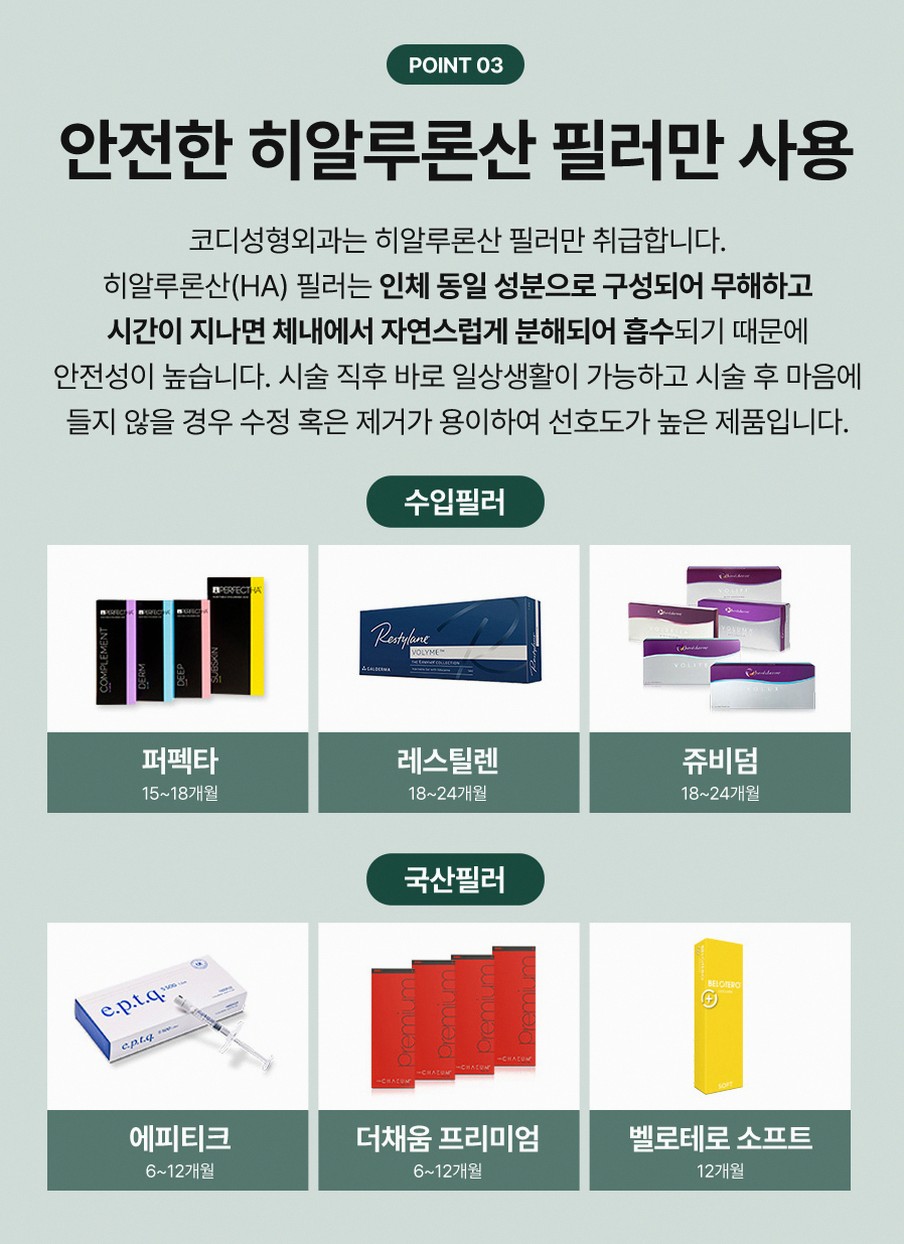
Use of approved filler products and a conservative, safety-first approach.
Comfortable communication, including support for foreign languages where possible.
A convenient location close to Sinnonhyeon Station and Gangnam-daero for easy follow-up.
What Chin Filler Can Do for Your Profile
Chin filler overview
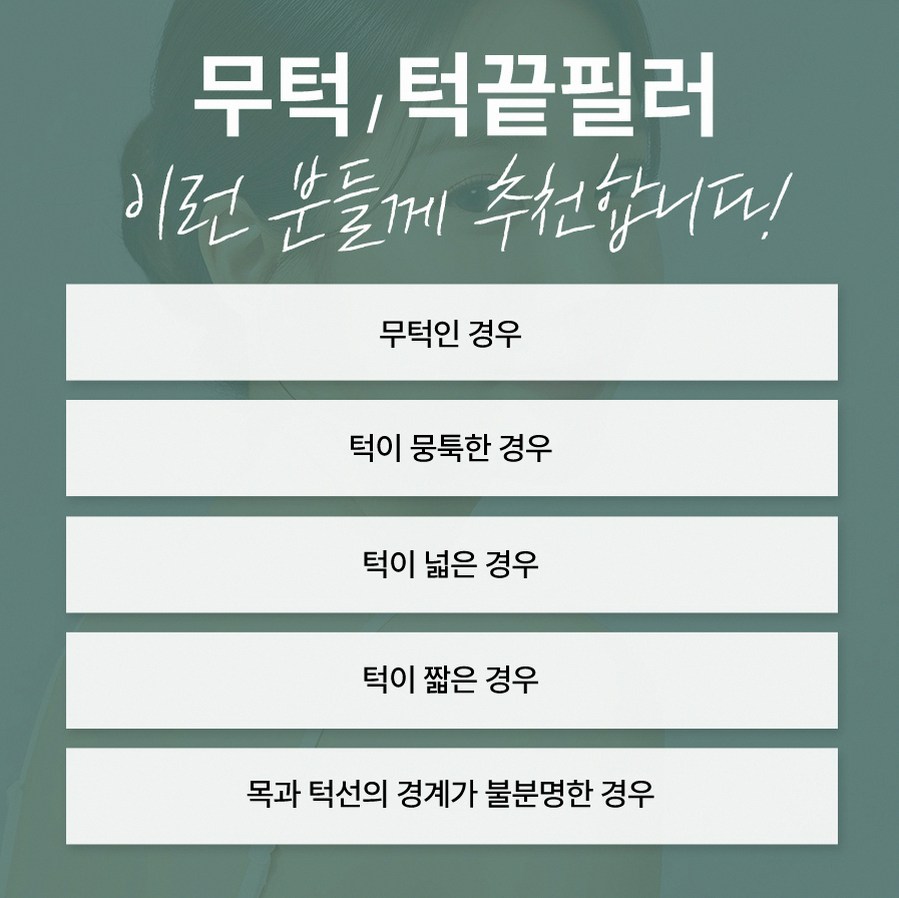
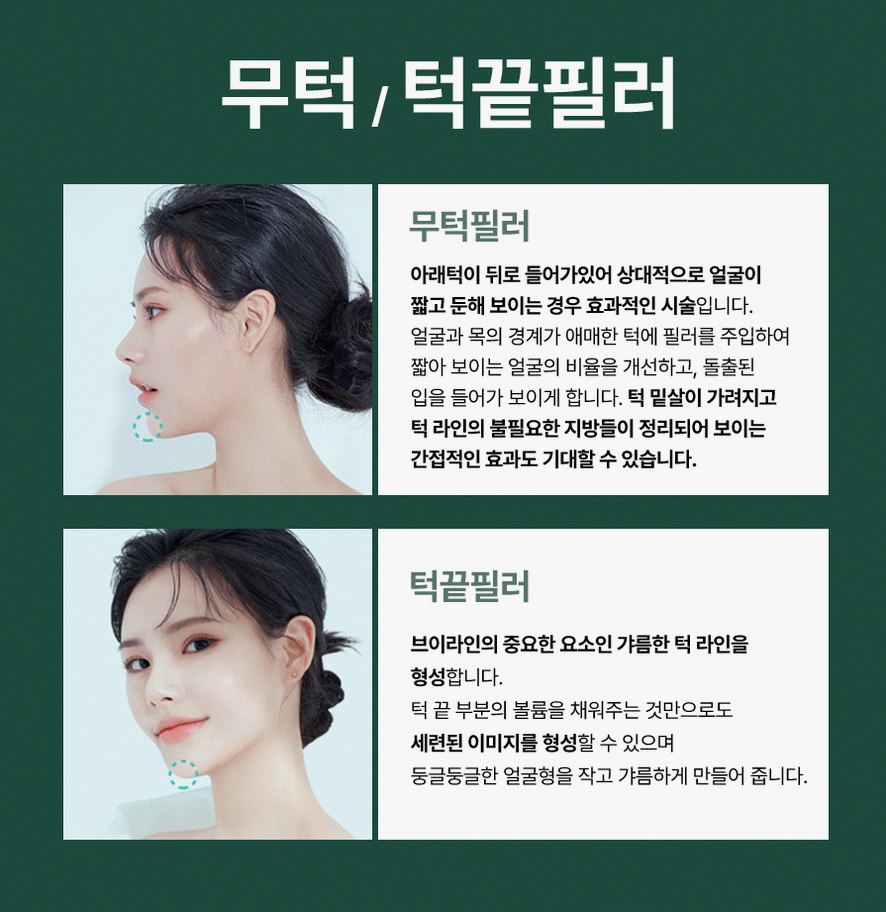
Chin filler is a non-surgical procedure that uses dermal fillers to enhance the chin and chin tip. By adding carefully placed volume, the doctor can improve facial balance and refine the jawline profile.

The main goals of chin filler include:
Making a weak or short chin look more defined.
Improving the side profile by bringing the chin into better alignment with the nose and lips.
Softening the look of a double chin by projecting the chin forward.
Creating a smoother transition from jawline to neck and sometimes a more V-shaped lower face.
Because it is non-surgical, chin filler does not change the bone itself. However, it can visually correct mild to moderate recession or shortness of the chin and is often used as a first step before considering permanent surgery.
Who may consider chin filler
Chin filler can be an option for:
People with a recessed or small chin who want improvement without bone surgery.
Those who want to test a new chin shape before committing to permanent surgery.
Patients looking for subtle refinement of facial proportions, especially the nose–lips–chin line.
Individuals who want a more defined jawline or a slightly sharper, V-shaped lower face.
Visitors to Seoul who want a relatively quick procedure with short downtime.
However, chin filler is not suitable for everyone. If the chin is extremely recessed, or if there are bite and jaw alignment issues, surgical options may be more appropriate. A good clinic will explain these limits clearly and may recommend other treatments when filler alone is not enough.
Key Points When Choosing a Chin Filler Clinic in the Sinnonhyeon Area
1. Specialization in filler procedures
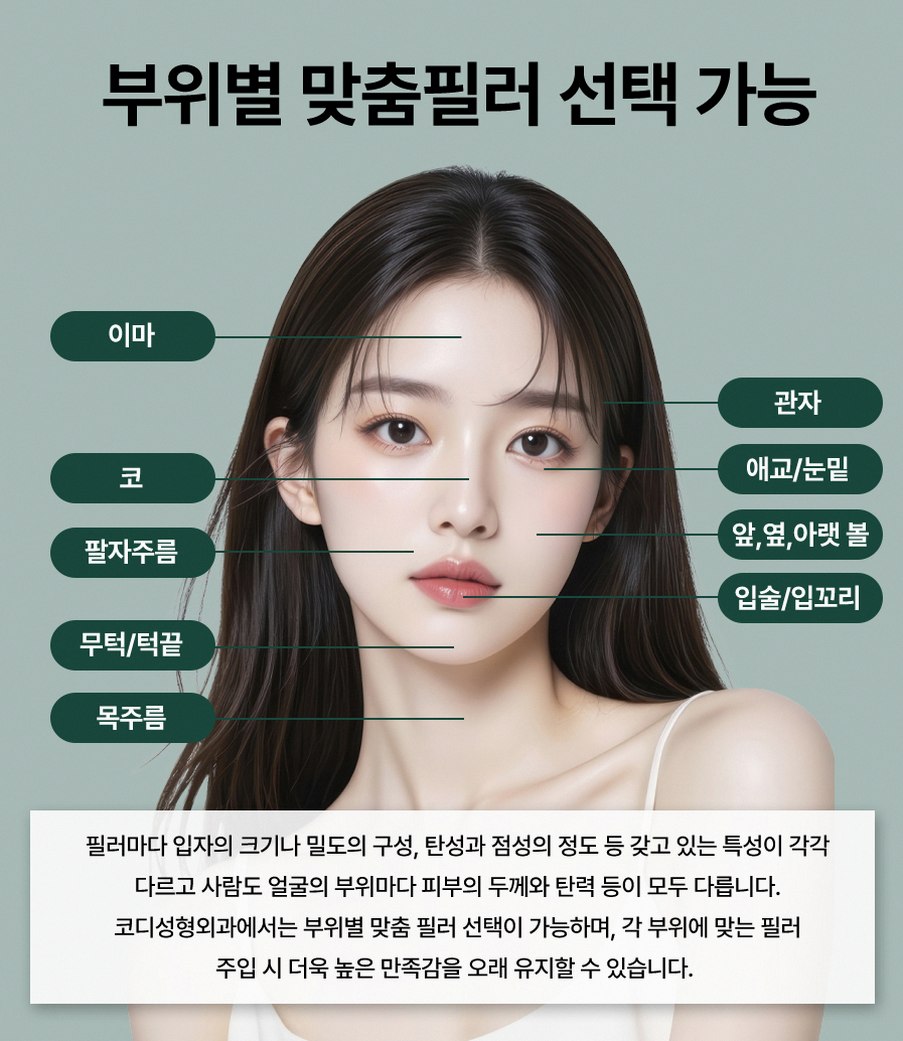
When you search for a chin filler clinic near Sinnonhyeon Station, look for a place where fillers are not just an add-on service. A clinic that focuses on filler procedures usually offers a detailed lineup by facial area, such as nose, forehead, cheeks, under-eye, nasolabial folds, lips, and chin.
This kind of structured filler program suggests that the medical team is used to working with different skin thicknesses, movement patterns, and aesthetic goals in each area. For the chin, this experience is important because the doctor must balance projection, length, and width while keeping the result natural.
2. Detailed chin-specific planning
Chin filler should not be a simple “one-point injection” at the tip. A careful clinic will:
Analyze your lower face from the front and side.
Check how your chin relates to your nose, lips, jawline, and neck.
Discuss how much projection and length are suitable for your gender and face type.
Ask about your preference: softer and natural, or sharper and more defined.
During consultation, the doctor may draw reference lines on your face or show you profile photos to explain how the chin can be adjusted. If a clinic skips this planning and only talks about how many milliliters of filler they will use, it may be a sign that the approach is too simple for such an important facial point.
3. Board-certified plastic surgeons and anesthesia support
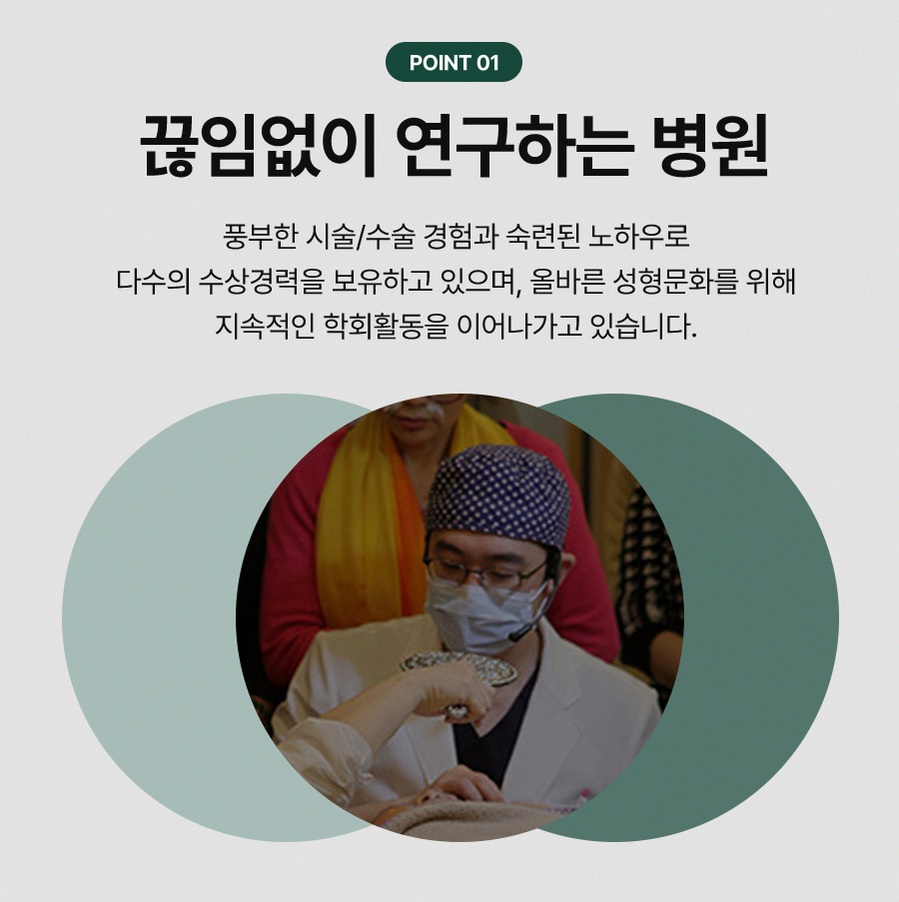
For international patients, it is reassuring to know who will actually perform the injections. In the Sinnonhyeon and Gangnam area, some clinics have multiple board-certified plastic surgeons, which usually indicates deeper training in anatomy and facial structure.
Chin filler is often done with numbing cream or local anesthesia, but some patients feel anxious or have low pain tolerance. A clinic that has a board-certified anesthesiology and pain medicine specialist in-house can provide monitored anesthesia support when needed, and can manage comfort and safety more systematically.
4. Safety systems and conservative approach
Any filler injection carries potential risks, including swelling, bruising, asymmetry, and in rare cases, vascular complications. A good clinic will:
Use approved filler products and explain why a specific filler is chosen for your chin.
Follow a conservative approach, avoiding excessive volume or unnatural shapes.
Explain possible side effects in advance and how they are monitored and treated if they occur.
Provide clear instructions about what to do if you notice unusual pain, color change, or prolonged swelling.
If a clinic only highlights fast results and low prices, without discussing risks or aftercare, it is better to be cautious.
5. Consultation quality and communication
For overseas patients, communication is often the deciding factor. During consultation, the doctor or consultant should:
Explain in simple language how chin filler will change your face from different angles.
Show before-and-after style examples conceptually (without promising identical results) or use diagrams to clarify the plan.
Listen to your concerns and adjust the design rather than pushing only one style.
Offer some level of multilingual support, or at least provide English explanations and written instructions.
Many clinics in the Sinnonhyeon and Gangnam area have English, Chinese, or Japanese web pages, which can help you understand the clinic’s philosophy before you visit.
6. Location and accessibility
For chin filler, you may need at least one follow-up visit. Choosing a clinic near Sinnonhyeon Station, along Gangnam-daero in Seocho-gu, makes it easier to return quickly if you have questions or want a minor adjustment.
The area is convenient for office workers and residents, and is well connected to other parts of Seoul by subway and bus. This is especially helpful if you are fitting treatment into a short business trip or holiday schedule.
Why Filler-Focused Clinics Offer an Advantage for Chin Contouring
Understanding facial balance, not just the chin
The chin is only one part of the overall facial structure. A filler-focused clinic will look at how the chin interacts with the nose, lips, cheeks, and jawline. Sometimes a very small change in the chin can make the nose look more balanced, or the face appear slimmer.
Clinics that regularly perform fillers in multiple areas tend to:
Have a better sense of proportion when adjusting the chin.
Know how to avoid an over-projected or “stuck-on” chin tip.
Combine chin filler with small adjustments in other areas when appropriate, such as jawline contour injections or botulinum toxin for jaw muscles.
Experience with both injectables and surgery
Some clinics near Sinnonhyeon Station, including KODI PLASTIC SURGERY, offer both filler-based contouring and bone contouring or chin surgery. This dual experience can be helpful for chin filler design because the doctors understand the underlying skeletal anatomy and how the soft tissue sits on top of the bone.
Even when you choose only filler, this knowledge allows them to:
Simulate, to some extent, how surgical changes might look.
Explain clearly what filler can and cannot achieve for your specific chin.
Plan a long-term strategy if you are considering surgery in the future.
Chin Filler Planning and Procedure: From Consultation to Follow-Up
Initial online consultation and pre-visit preparation
As an overseas patient, you will usually start with an online consultation. To make this process smooth, prepare the following:
Clear photos of your face from the front, 45-degree angle, and full profile on both sides.
Photos with a neutral expression and natural lighting.
Information about your medical history, allergies, and any previous fillers or facial procedures.
Your main concerns and goals: for example, “my chin looks too short in profile” or “I want a slightly sharper V-line, but still natural.”
Send these materials through the clinic’s official online channels. Many clinics in the Gangnam area, including those on Gangnam-daero, provide English, Chinese, or Japanese web pages and coordinators who can guide you.
Expected visit timeline in Korea
While each clinic has its own system, a typical timeline for chin filler during a short stay in Seoul might look like this:
Day 1: In-person consultation and facial analysis. The doctor reviews your photos, examines your face directly, and confirms the plan. If you agree and there are no medical issues, the procedure may be done on the same day.
Day 1 (same visit): Procedure. After consent forms and pre-procedure photos, numbing cream or local anesthesia is applied. The injection itself usually takes a short time, but the total visit may last longer due to preparation and observation.
Day 2–3: Early recovery. Mild swelling or bruising can appear. You can usually continue sightseeing or work, but you may want to avoid intense exercise, saunas, or alcohol as advised.
Day 7–14: Follow-up visit. If you are staying in Seoul long enough, a follow-up check allows the doctor to assess symmetry and discuss whether a small touch-up is needed. If your stay is shorter, follow-up may be done online with updated photos.
Some clinics, such as those with extended evening hours on one weekday and Saturday daytime hours, make it easier to schedule around travel plans. KODI PLASTIC SURGERY, for example, operates on Gangnam-daero with weekday daytime hours, one extended evening day on Thursday, and Saturday daytime hours, while closing on Sundays and public holidays. It is always best to confirm the latest schedule directly and book in advance.
What happens during the chin filler procedure
While details vary by clinic and patient, the general flow is similar:
Consultation and design: The doctor evaluates chin length, projection, and symmetry from the front and side. They consider your gender, facial shape, and personal preference for a softer or sharper look. A plan is made for injection points and approximate volume.
Anesthesia: Numbing cream, local injection anesthesia, or, in some cases, monitored anesthesia support is used to keep you comfortable. Clinics with an in-house anesthesiology specialist can provide more structured monitoring for patients who are very nervous.
Injection: The doctor uses a needle or cannula to place filler in layers, adjusting both projection and length. They may ask you to sit up during the procedure to check the profile in a natural position.
Immediate check: After the injections, the doctor and patient review the shape together. Minor adjustments can be made on the spot.
Post-procedure instructions: You receive guidance on what to avoid, how long swelling may last, whether you should avoid touching or massaging the area, and when to come back for review.
Expected results and duration
Chin filler usually shows an immediate change in projection and contour right after the procedure. However, the final look becomes clearer after swelling subsides over several days.
For hyaluronic acid fillers, the effect typically lasts from several months up to over a year, depending on the product used, your metabolism, and how much movement there is in the area. Many patients choose to have touch-ups to maintain or fine-tune the shape.
A good clinic will not push you to add too much volume at once. Instead, they may suggest starting conservatively and adjusting later if needed.
Example: How a Gangnam-Daero Clinic Approaches Chin Filler Design
KODI PLASTIC SURGERY is located on Gangnam-daero in Seocho-gu, within easy reach of Sinnonhyeon Station. It is a plastic surgery clinic that focuses on eye surgery and filler procedures, and it operates a dedicated facial filler center.
The clinic offers a segmented filler lineup that covers various facial areas, including nose, forehead, different cheek zones, chin and chin tip, under-eye, nasolabial folds, and lips. This structure supports a “customized filler by facial area” concept, which is especially important when designing a balanced chin.
The medical staff includes three board-certified plastic surgeons and one board-certified anesthesiology and pain medicine specialist who is based in the clinic. This allows for monitored anesthesia and enhanced safety when procedures require more than simple local numbing, which can be reassuring for overseas patients who may feel anxious about injections.
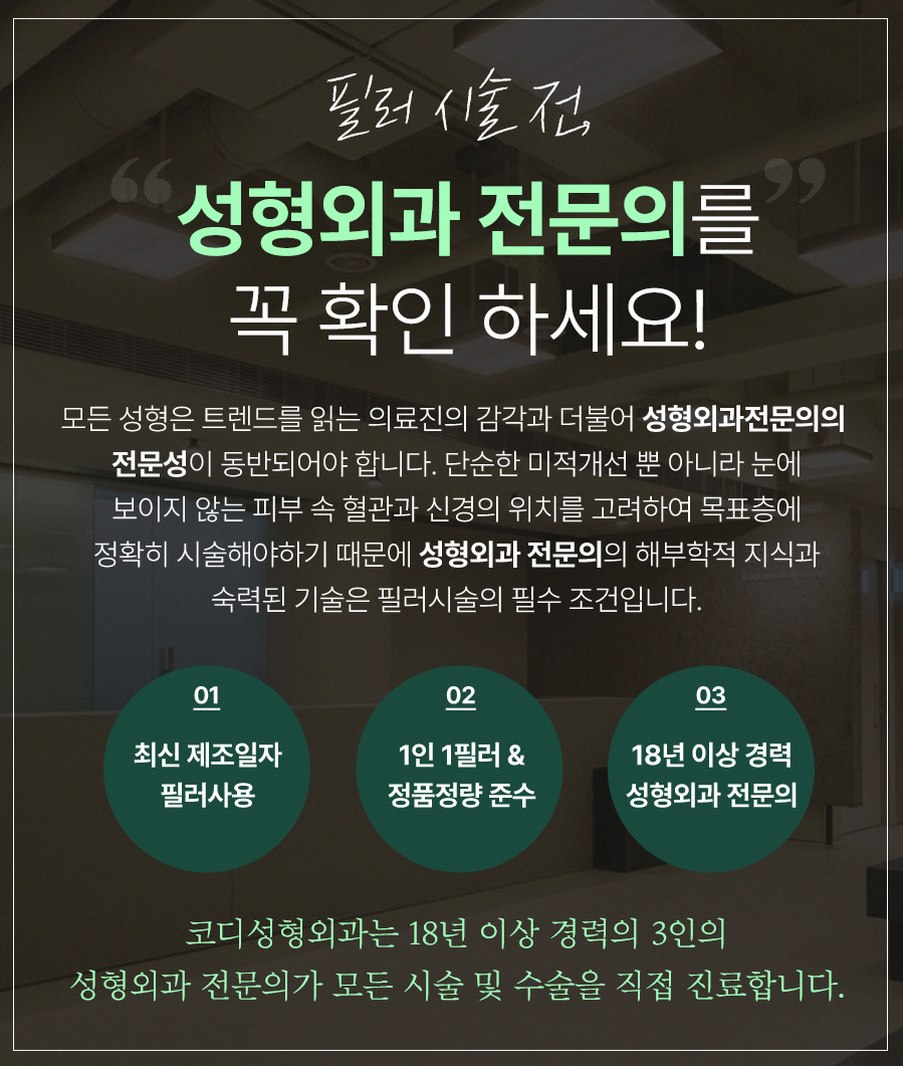
In the context of chin filler, the clinic positions it as part of a broader contouring and anti-aging program that may also include other fillers, botulinum toxin, contour injections, and lifting procedures. Because the surgeons also perform bone contouring and chin surgery, they are familiar with skeletal anatomy and can design injectable-based chin contouring with an understanding of the underlying bone, even when no surgery is performed.
For international visitors, another practical point is language access. The clinic operates foreign-language web pages, including English, Chinese, and Japanese, which can make it easier to understand the treatment options, send photos in advance, and arrange scheduling around your travel.
Aftercare and returning home
Post-treatment care is an important part of a safe and satisfying chin filler experience, especially if you will soon leave Korea. In general, you can expect advice such as:
Avoid strong pressure or massage on the chin unless your doctor specifically instructs otherwise.
Limit intense exercise, saunas, and alcohol for a short period after treatment.
Watch for unusual pain, significant asymmetry, or color changes in the skin, and contact the clinic immediately if they appear.
Before you leave Seoul, ask the clinic:
What changes are normal in the first one to two weeks.
How to reach them online if you have questions from your home country.
When they would recommend a touch-up, based on the filler used.
A well-organized clinic will provide written or digital aftercare instructions and may ask you to send follow-up photos once you are back home.
Frequently Asked Questions About Chin Filler Near Sinnonhyeon Station
How long does chin filler last and when should I get a touch-up?
Most hyaluronic acid chin fillers last from several months up to over a year, depending on the product, your metabolism, and lifestyle factors. Many patients notice a gradual softening rather than a sudden disappearance. A touch-up is often considered when you feel the projection has reduced enough that your profile looks less defined than you prefer. During consultation, ask the doctor what specific product they recommend and their usual touch-up interval for patients with a similar facial structure.
Is chin filler painful and what kind of anesthesia is used?
Chin filler usually involves some discomfort, but most clinics use numbing cream and local anesthesia to reduce pain. In clinics that have an in-house anesthesiology specialist, monitored anesthesia support can be arranged for patients who are very anxious or sensitive. You may feel pressure or a stretching sensation during injection, but the procedure is generally short, and many patients find it tolerable with proper numbing.
Can chin filler replace chin surgery?
Chin filler can improve the appearance of a mild to moderately recessed or short chin and is a good option for people who want non-surgical change or a “test” before surgery. However, it cannot fully replace surgery in cases of very severe recession, significant jaw misalignment, or when large structural changes are needed. A clinic that offers both filler and surgical options can explain which approach is more suitable for your specific case.
What are the risks of chin filler and how does a good clinic reduce them?
Common temporary side effects include swelling, bruising, and mild tenderness. More serious but rare risks include infection, significant asymmetry, or vascular complications. A good clinic reduces these risks by using approved products, following safe injection techniques, planning the design carefully, and monitoring patients closely during and after the procedure. They will also explain warning signs you should watch for and provide clear instructions on how to contact them if you are concerned.
How soon can I go back to work after chin filler near Sinnonhyeon Station?
Most people can return to office-type work the same day or the next day after chin filler, especially if swelling and bruising are mild. If your job involves heavy physical activity or you plan to attend important events or photo sessions, it may be wiser to allow a few days for the initial swelling to settle. When planning your visit to Seoul, try to schedule the procedure at least several days before any major event.
Soft call to action for online consultation
If you are considering chin filler during your stay in Seoul and want a clinic near Sinnonhyeon Station with a structured filler program and clear communication, arranging an online consultation in advance is the best first step. Prepare your photos, think about your goals, and send your questions through the clinic’s official channels.
Clinics such as KODI PLASTIC SURGERY on Gangnam-daero can review your case, suggest a realistic plan, and help you organize your schedule around consultation, treatment, and follow-up. This preparation will make your visit smoother and give you more confidence in your decision, whether you ultimately choose filler, surgery, or no procedure at all.



- 공유 링크 만들기
- X
- 이메일
- 기타 앱


댓글
댓글 쓰기