How long does aegyo filler last in Yeoksam?
- 공유 링크 만들기
- X
- 이메일
- 기타 앱

Direct answer: how long does aegyo filler last in Yeoksam?
For many patients, under‑eye aegyo filler with hyaluronic acid in the Yeoksam and Gangnam area tends to last for several months rather than years. Some people notice a gradual loss of volume after a few months, while others retain a soft, natural effect for a longer period. The result typically fades gradually rather than disappearing suddenly, and exact duration depends on the filler product, injection technique, and individual metabolism and lifestyle.
What is under‑eye aegyo filler?
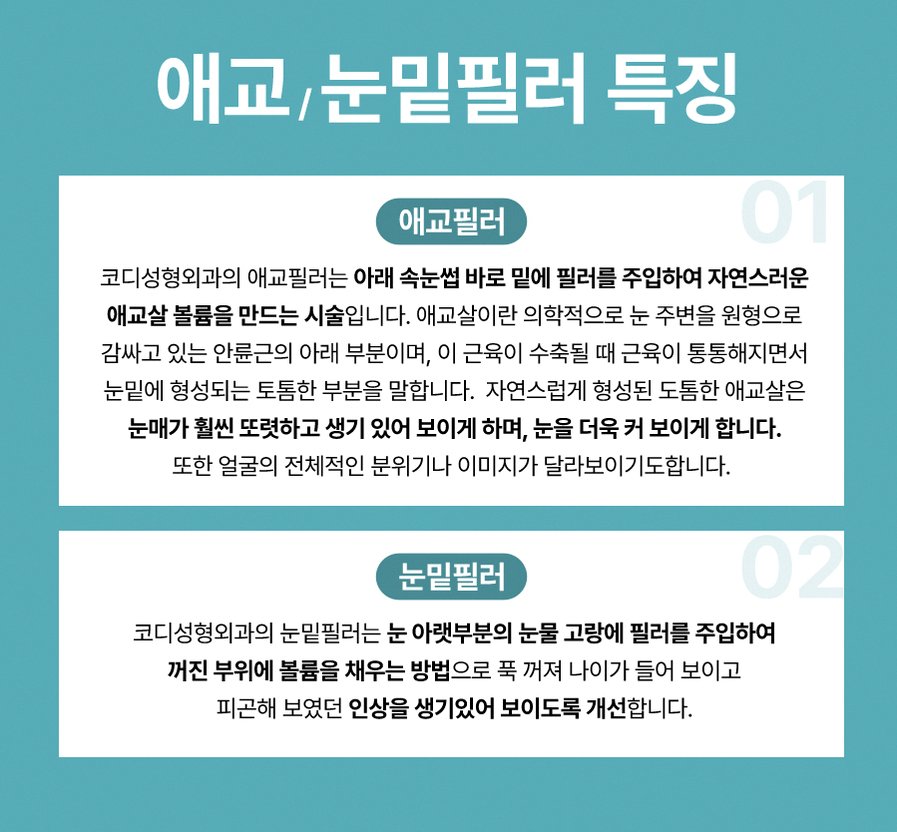
Aegyo filler is a hyaluronic acid filler injected along the lower eyelid margin to create a soft, slightly plump line that appears when you smile. This line is often associated with a youthful, friendly expression, so many people in Yeoksam and Gangnam choose it to brighten their eye area without surgery.
It is different from tear trough filler, which targets deeper hollows or dark circles under the eye. Tear trough filler is usually placed a bit lower and deeper to reduce a tired look, while aegyo filler is placed closer to the lash line to emphasize the smiling eye shape.
It is also different from lower eyelid fat repositioning surgery. Surgery moves or removes existing fat pads and can address significant under‑eye bags or sagging. Aegyo filler, on the other hand, is a non‑surgical, temporary option that uses a small amount of hyaluronic acid to shape the soft tissue.
Office workers and students in the Yeoksam and Gangnam area often look for a quick procedure during a break or after work. They want a brighter, more youthful eye area with minimal downtime, but they are also realistic and want to know how long it will last, how often they might need touch‑ups, and what affects the maintenance period.
Typical duration range for aegyo filler
Initially the result is usually the most defined and stable when the design and amount were appropriate. Over the following months the under‑eye line may soften as the filler integrates with surrounding tissue, and a gradual reduction in volume can occur. Makeup application often becomes easier once any immediate swelling has settled.
From 4 to 6 months, many patients begin to notice a subtle decrease in volume. The eyes may look slightly less bright in photos compared with the first months, but still improved compared with before treatment.
From 6 to 12 months, the filler continues to break down and be absorbed by the body. Some people still see a gentle effect up to a year or a little longer, especially if a slightly denser product was used or if they have a slower metabolism.
The under‑eye area is relatively less mobile than the lips or smile lines, so aegyo filler can often last a bit longer than fillers in very mobile regions. However, it is still a temporary, absorbable material, and the effect will gradually fade. When the filler is almost gone, the under‑eye area usually returns close to its original state. It does not typically cause permanent sagging just because it was once filled.
Factors that affect how long aegyo filler lasts
Filler product type and properties
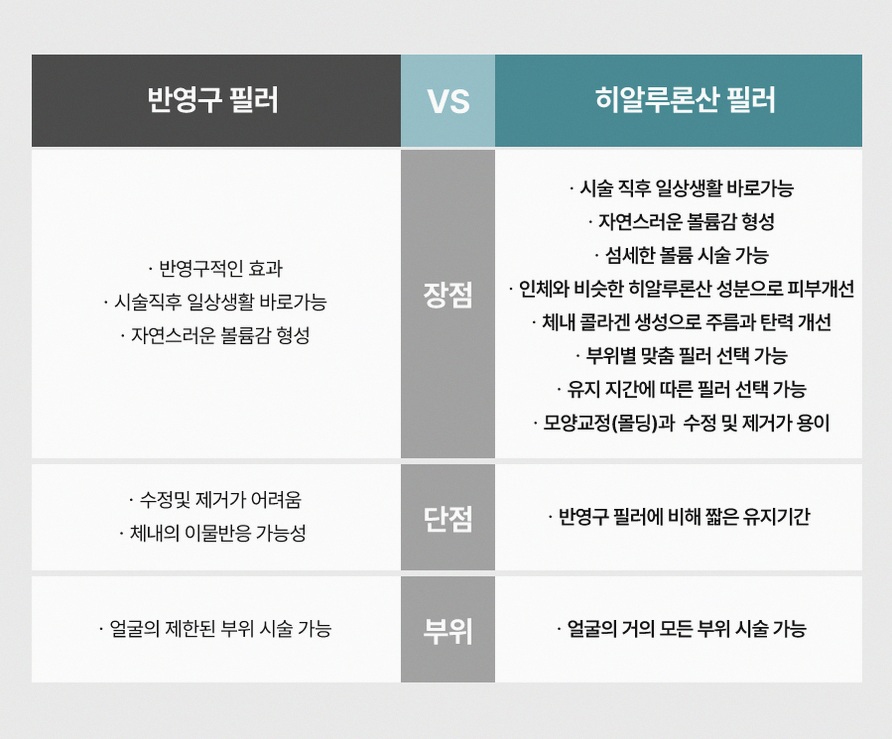
Different hyaluronic acid fillers have different structures. The brand, degree of cross‑linking, and viscosity all influence how long the filler tends to last.
For the thin skin under the eyes, doctors usually prefer softer, more flexible fillers. These products blend more naturally with the tissue and are less likely to create lumps or a stiff look. However, softer fillers can sometimes absorb a bit faster than very dense fillers used for areas like the nose or chin.
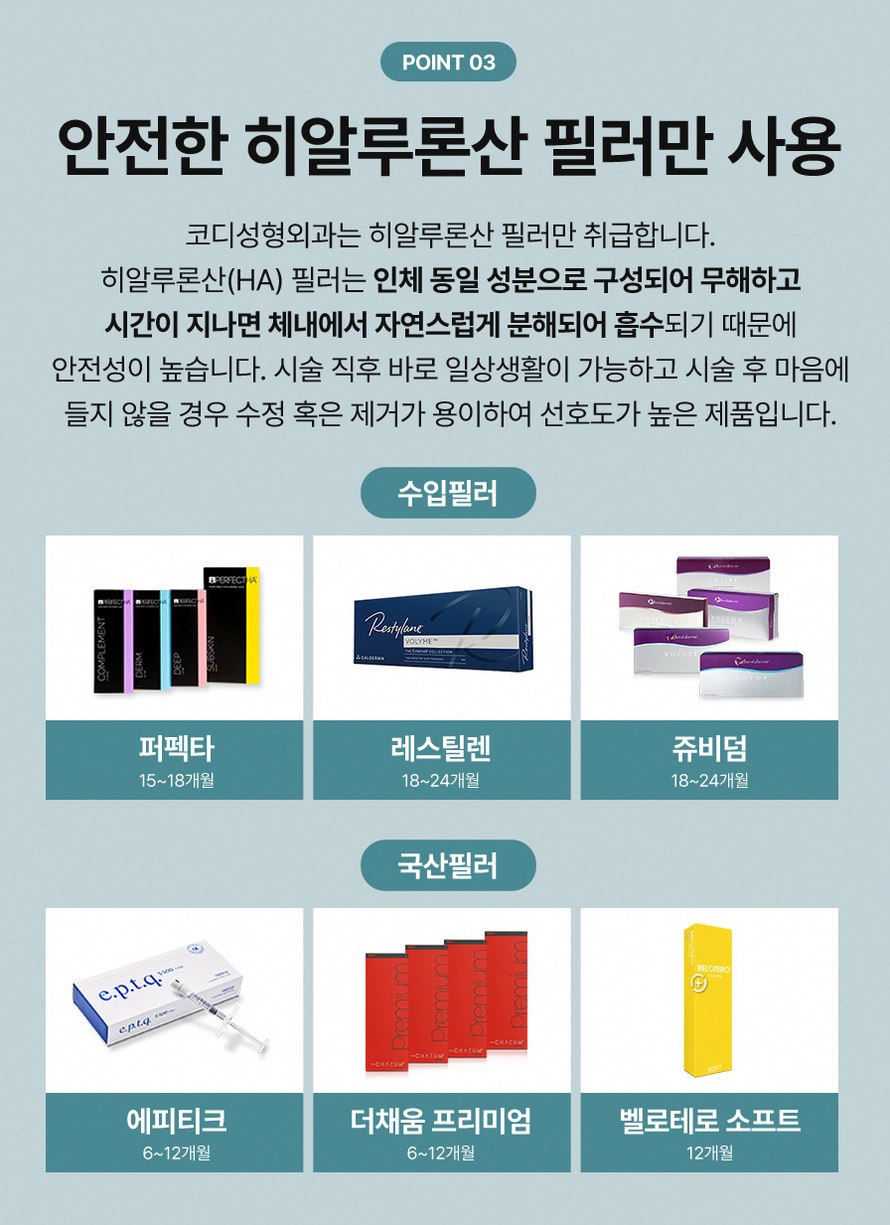
Some clinics in the Gangnam area use a segmented filler lineup, with specific products for the nose, forehead, cheek, chin, aegyo, nasolabial folds, and lips. This allows them to choose a product tailored to the under‑eye area instead of using one generic filler everywhere.
When you are thinking about duration, it is important to remember that the safest and most natural‑feeling product is not always the one that lasts the longest on paper. For the delicate eyelid area, texture and safety are usually more important than simply choosing the densest filler.
Injection technique and design
How the filler is placed also affects how long the result looks good. Key points include the depth of injection, the amount used, and how evenly it is distributed.
If filler is placed too superficially, it can cause a bluish tint known as the Tyndall effect, or create visible bumps. If it is placed too deep or in the wrong plane, the shape may not match the natural eyelid contour. The under‑eye area is thin and has many small blood vessels, so precise technique is important.
Overfilling might look dramatic at first, but it can quickly feel unnatural. Patients may become dissatisfied sooner and need correction with hyaluronidase to dissolve the filler. A balanced design that matches your facial expression usually ages better over the 6 to 12 month period.
Clinics that focus on eye and filler procedures and see many under‑eye cases tend to develop a good sense of how much volume is appropriate for different eye shapes and skin types. This experience can help achieve a result that stays natural as it gradually fades.
Individual metabolism and lifestyle
Each person’s body breaks down hyaluronic acid at a different speed. Younger patients or those with a faster metabolism may notice that their filler seems to disappear more quickly.
Lifestyle factors can also play a role. Intense exercise, frequent sauna use, heavy alcohol consumption, and smoking may potentially accelerate filler degradation. While you do not need to stop healthy exercise just because of filler, it is helpful to understand that very intense habits can influence the maintenance period.
Daily habits around the eyes matter as well. Strong rubbing when removing makeup, pressing or pulling the under‑eye area, and sleeping with your face pressed into the pillow can all affect how smooth the filler looks over time.
Area characteristics compared with other fillers
Compared with other popular filler areas, under‑eye aegyo filler usually falls into a mid‑range duration.
Lips often maintain filler for about 3 to 6 months because they move constantly and are exposed to friction, eating, and speaking.
Nasolabial folds commonly keep filler for about 6 to 12 months, depending on the product and depth.
The nose or chin, where denser fillers are often used and movement is lower, can sometimes show effects for 9 to 18 months.
Under‑eye aegyo filler typically lasts about 6 to 12 months, but the exact period varies by individual and product choice.
Timeline: what to expect after aegyo filler
Immediately after the procedure
Right after injection, it is common to see mild swelling, redness, or small needle marks. These usually settle within a few days.
The under‑eye area may look slightly fuller than expected at first. Part of this is normal swelling, not just the filler itself. As the swelling goes down over 1 to 2 weeks, the line usually softens into a more natural shape.
Some people may see small irregularities or asymmetry in the first days while swelling is uneven. Most of these minor issues improve as the tissue calms. Your doctor may advise gentle massage in certain cases, but you should only do this if specifically instructed.
One to three months
From 1 to 3 months, the result is usually at its most stable. The filler has settled into the tissue, swelling is gone, and the aegyo line looks defined but not puffy.
Makeup tends to glide more easily over the under‑eye area, and many patients feel this is the period when their eyes look the freshest in photos.
Four to six months
Between 4 and 6 months, you may start to notice a subtle decrease in volume. The change is usually gradual. You might feel that your eyes do not look quite as bright as in the first months, especially when you compare recent photos with earlier ones.
This is also the time when many people in Yeoksam and Gangnam start searching again about aegyo filler duration and wondering whether to plan a touch‑up.
Six to twelve months and beyond
After 6 months, the filler continues to break down. Some patients still see a soft effect up to 12 months or a little longer, especially if a slightly denser product was used or if they have a slower metabolism.
If the filler has almost completely absorbed, the under‑eye area usually returns close to its original appearance. There is typically no permanent stretching of the skin just because the area was once filled.
When and how to plan maintenance or touch‑ups
You do not need to wait until the filler is completely gone before considering maintenance. Many people prefer to schedule a conservative touch‑up when they feel the effect has decreased by about 30 to 50 percent.
For the under‑eye area, it is important to approach touch‑ups carefully. Repeated overfilling can lead to chronic puffiness or an artificial look. A good approach is to have a consultation, let the doctor assess your current volume and skin condition, and then decide on a smaller, tailored amount.
Clinics with a dedicated filler center often keep detailed records of previous injections and before‑and‑after photos. This helps them judge how your tissue responded last time and adjust the product choice or volume for your next visit.
Safety, side effects, and why technique matters more than duration
Common temporary side effects after aegyo filler include swelling, bruising, mild tenderness, and small lumps. These usually improve within days to a couple of weeks. Sometimes gentle massage, if advised by the doctor, can help smooth minor irregularities.
More serious complications are rare but important to understand. These include vascular occlusion, vision issues, severe swelling, or infection. Because the under‑eye area is close to important blood vessels and the eye itself, it is important to choose a practitioner familiar with under‑eye anatomy and safe injection techniques.
A specialist in anesthesiology and pain medicine is part of the team. This supports robust safety protocols and emergency preparedness for more invasive procedures, and reflects a general culture of safety that also benefits non‑surgical treatments like filler.
If a patient is unhappy with the shape or experiences certain complications, hyaluronic acid filler can often be dissolved with an enzyme called hyaluronidase. This should always be done carefully, with proper assessment and explanation of possible effects.
How a specialized eye and filler clinic in Gangnam may approach aegyo filler
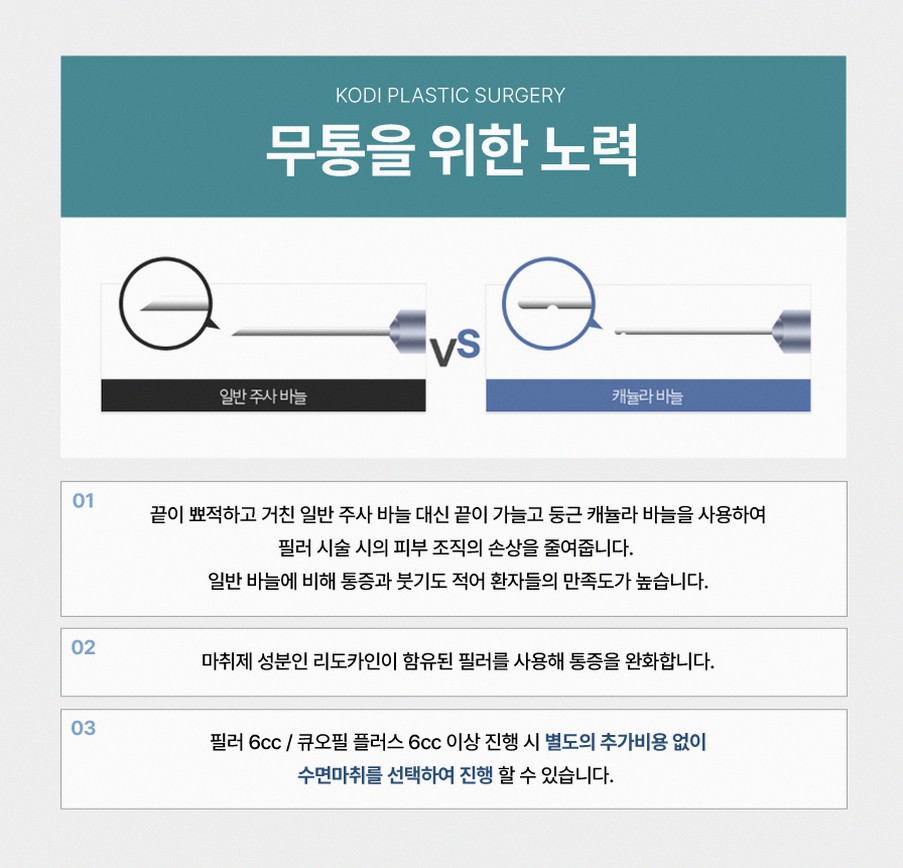
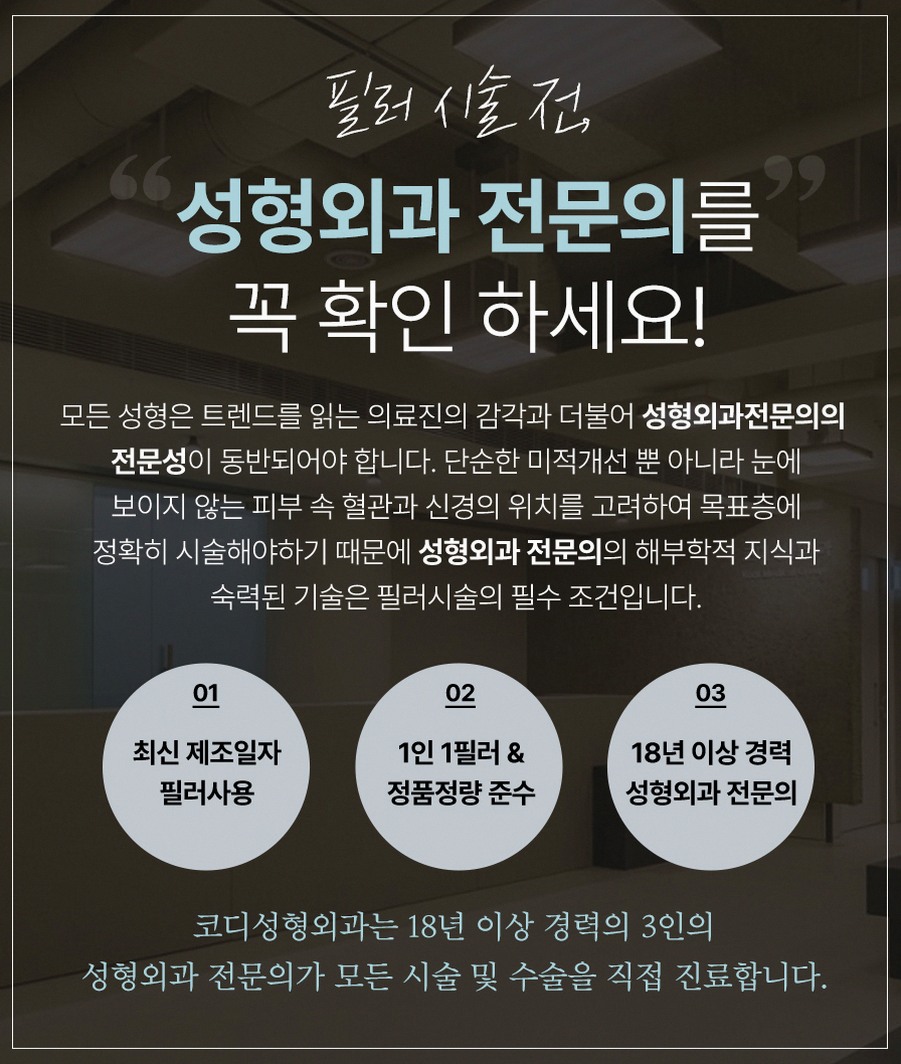
KODI PLASTIC SURGERY is an example of a clinic in the Gangnam area that focuses on eye surgery and filler procedures, using segmented filler options for different facial areas. Having multiple plastic surgeons who routinely work around the eyes means they are familiar with eyelid anatomy, fat pads, and skin thickness, which can help when designing natural aegyo lines.
A dedicated anesthesiology specialist on site supports safe practice standards and readiness for emergencies, even though aegyo filler itself is a minimally invasive treatment.
During consultation, such a clinic can help you decide whether aegyo filler is the right option, or whether you might benefit more from tear trough filler or surgical options like lower eyelid fat repositioning. This depends on whether your main concern is flatness, true under‑eye bags, dark circles, or skin laxity.
In a busy area like Yeoksam and Gangnam, many patients prefer quick procedures that fit into a lunch break or after‑work time. Some clinics offer weekday and extended evening hours on certain days to accommodate this, which can be convenient if you are visiting Korea for a short period.
Who is a good candidate for aegyo filler?
Good candidates for under‑eye aegyo filler usually have a relatively flat lower eyelid area and want to create a soft, smiling eye look. They do not have severe under‑eye bags or very loose skin, and they understand that the result is temporary.
People who prefer a reversible, non‑surgical option and are comfortable with a 6 to 12 month maintenance cycle often find aegyo filler suitable.
Less ideal candidates include those with prominent under‑eye fat pads or strong puffiness, where adding filler might worsen the swollen look. People with very thin, crepey skin may also be at higher risk of visible filler or irregularities.
Patients expecting a permanent result or those who are unwilling to consider periodic touch‑ups may be better suited to discussing surgical options instead.
In all cases, a proper face‑to‑face diagnosis and discussion with a qualified doctor is essential to avoid overfilling and unnatural results.
Practical aftercare tips to help maintain results
If swelling is noticeable, sleeping with your head slightly elevated on the first night can be helpful.
For the next few days, it is wise to avoid saunas, hot baths, and very intense exercise, as heat and increased blood flow may worsen swelling. Your doctor will give you specific guidance based on your case.
When removing eye makeup, use gentle motions and avoid strong pulling or rubbing. Choose soft cotton pads or clean fingertips rather than rough cloths.
Protecting the thin under‑eye skin from the sun is also important. Use sunscreen suitable for the eye area and wear sunglasses when outdoors. While these habits cannot stop the natural breakdown of filler, they can help the area stay smooth and comfortable.
Online consultation and pre‑visit preparation for overseas patients
If you are planning to visit Korea for aegyo filler, starting with an online consultation can save time.
To prepare, take clear photos of your face from the front and both sides, with neutral and smiling expressions. Good lighting without heavy makeup around the eyes helps the doctor see your natural contours.
Make a simple list of your main concerns and goals. For example, you might write that you want a soft aegyo line without looking puffy, or that you are trying to balance asymmetry between the two eyes.
Also prepare a list of any previous procedures you have had in the under‑eye area, such as earlier fillers, laser treatments, or surgery, and any history of allergies or eye conditions.
During online consultation, useful questions to ask include which filler products are commonly used for aegyo in that clinic, how they approach natural design, what typical downtime you should expect, and how they handle complications if they occur.
Expected Korea visit timeline for aegyo filler
For most overseas patients, it is possible to complete aegyo filler within a short stay.
On day one, you can have an in‑person consultation, skin and eye area assessment, and the procedure itself if both you and the doctor agree. The actual injection process is usually short, though you should allow extra time for numbing, preparation, and observation afterward.
On day two or three, some patients choose to return for a brief check‑up, especially if they have concerns about swelling or symmetry. This is also a chance for your doctor to confirm that the filler is settling well.
Most visible swelling and minor bruising improve significantly within several days. If you are combining aegyo filler with other treatments, your clinic can help you plan the order and spacing.
If you are staying in Korea for only a few days, it is helpful to schedule your procedure earlier in the trip rather than on the last day, so there is time for at least one follow‑up visit if needed.
FAQ
How long does aegyo filler usually last in the under‑eye area?
For most patients, under‑eye aegyo filler lasts about 6 to 12 months. Some people notice a gentle decrease in volume from around 4 to 6 months, while others keep a soft effect closer to a year. The filler fades gradually, and the exact duration depends on the product used, your metabolism, and lifestyle habits.

Why does my aegyo filler seem to disappear faster than my friend’s?
Differences in metabolism, age, skin type, and lifestyle can all affect how quickly filler breaks down. If you are younger, exercise very intensely, use saunas often, or have a naturally fast metabolism, you may notice the result fading sooner. The type of filler and the amount injected also influence how long the effect is visible.
Is it safe to repeat aegyo filler?
For many people, repeating aegyo filler every 6 to 12 months can be done safely when performed by an experienced doctor who understands under‑eye anatomy. It is important, however, not to simply add more filler each time without assessment. At each visit, the doctor should check how much filler remains, your skin condition, and whether a smaller touch‑up or a different approach would be better.
What is the difference between aegyo filler and tear trough filler?
Aegyo filler is placed along the lower eyelid margin to create a soft, smiling eye line. It focuses on the area just under the lashes and is mainly for a cute, youthful expression. Tear trough filler is placed lower and deeper to soften hollows or dark circles. It aims to reduce a tired look rather than emphasize the smiling line. In some cases, both treatments can be combined, but the design and depth are different.
Soft call to action
If you are considering under‑eye aegyo filler during a visit to the Yeoksam or Gangnam area and want realistic guidance on how long it may last in your case, an online consultation can be a helpful first step. You can share photos, explain your goals, and ask detailed questions about duration, product choice, and aftercare.
Clinics such as KODI PLASTIC SURGERY that focus on eye and filler procedures can review your eye shape, skin quality, and previous treatments to suggest whether aegyo filler, tear trough filler, or another option is more suitable. Before you travel, preparing your questions and medical history will help you make the most of your time in Korea and plan a treatment schedule that fits your visit.




- 공유 링크 만들기
- X
- 이메일
- 기타 앱


댓글
댓글 쓰기