Nose filler near Shinnonhyeon for short Korea visits
- 공유 링크 만들기
- X
- 이메일
- 기타 앱

Direct answer: Shinnonhyeon Station nose filler in Seoul
If you are searching for nose filler near Shinnonhyeon Station, you are usually looking for a quick, non-surgical way to refine your nose line during a short visit, with easy access from the subway and minimal downtime.
Around Shinnonhyeon Station on Gangnam-daero in Seocho-gu, you can find clinics such as KODI PLASTIC SURGERY that provide structured facial filler programs, including nose filler, for both local and international patients. These clinics typically offer non-surgical nose enhancement using dermal fillers, with a focus on safety, natural-looking results, and convenient scheduling for busy workers, students, and medical tourists.
This guide explains what nose filler is, who it may suit, how the procedure is usually done, what to expect during a Korea visit, and how to prepare as an overseas patient.
What is nose filler (liquid rhinoplasty)?
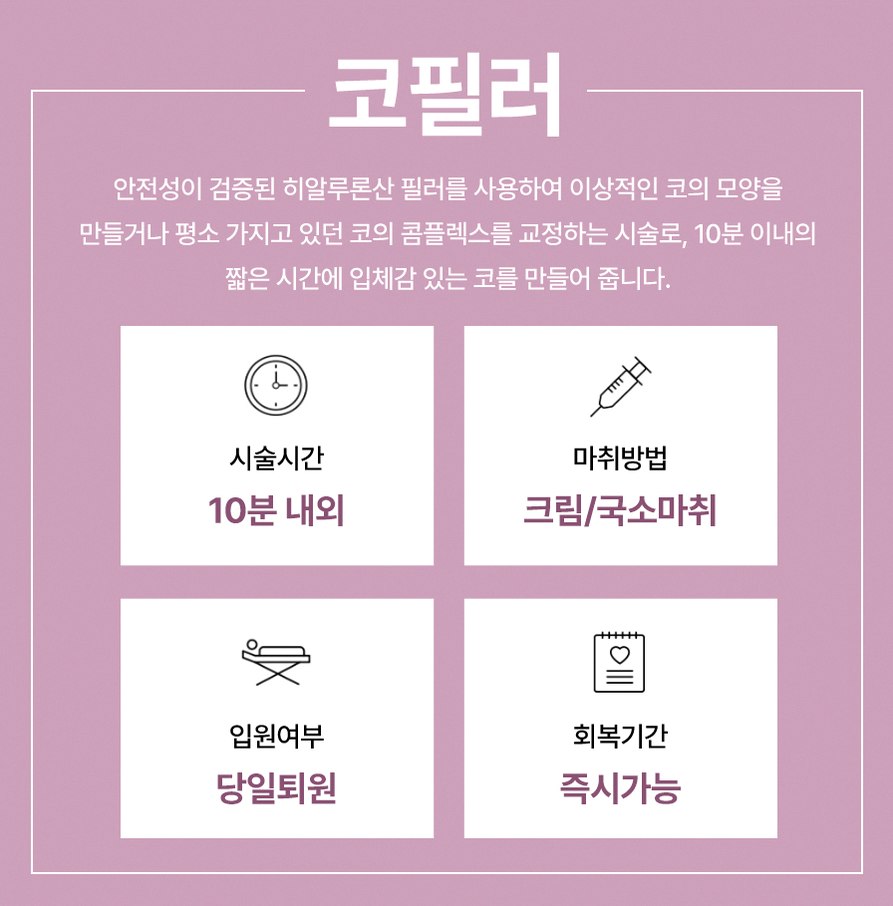
Nose filler, often called liquid rhinoplasty, is a non-surgical procedure that uses injectable dermal fillers, usually based on hyaluronic acid, to reshape the nose.
Instead of cutting bone or cartilage, the doctor injects small amounts of filler to adjust the nose line. The filler can:
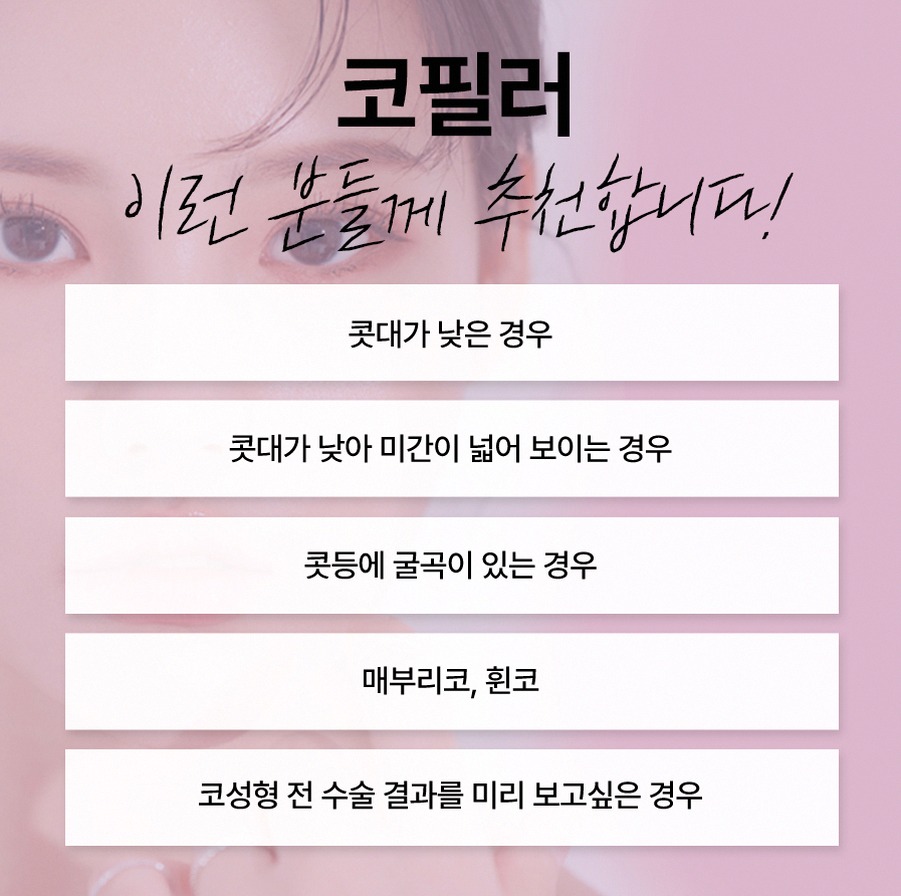
Raise a low or slightly flat nasal bridge
Smooth a small hump or irregularity on the bridge
Create a straighter side profile
Give a gentle lift or definition to the nasal tip within safe limits
Because it is done with injections rather than incisions, nose filler is usually performed in an outpatient setting. Many people working or studying around Shinnonhyeon Station choose it as a lunchtime-style procedure, returning to daily life soon after.
Who may consider nose filler near Shinnonhyeon Station
Ideal candidates
Nose filler can be suitable if you:
Have a low or slightly flat nasal bridge and want more definition without surgery
Notice mild irregularities or a small hump on the bridge and want a smoother profile
Want to “test” a new nose shape before deciding on surgical rhinoplasty
Have limited time and need a quick procedure close to your office, campus, or hotel near Shinnonhyeon Station
Prefer a reversible, adjustable option instead of a permanent change
For international patients, nose filler can also fit well into a short trip to Korea, because the appointment time is relatively short and recovery is usually quick.
Limitations of nose filler
Nose filler is not suitable for every concern. It has clear limits:
It cannot make the nose smaller; it works by adding volume and improving lines.
Very large, drooping, or strongly hooked noses usually need surgical rhinoplasty for meaningful change.
Severely crooked noses or noses with breathing problems often require surgery to correct the structure.
Results are temporary. Most people need maintenance sessions to keep the shape.
If you are unsure whether filler or surgery is better for you, an online consultation before your trip can help you understand realistic options.
Why some patients choose a clinic near Shinnonhyeon Station
The Shinnonhyeon Station area on Gangnam-daero is popular for people seeking nose filler because it offers:
Easy subway access from other parts of Seoul
Many offices, language schools, and universities nearby
Clinics located on upper floors of commercial buildings, convenient to visit before or after work
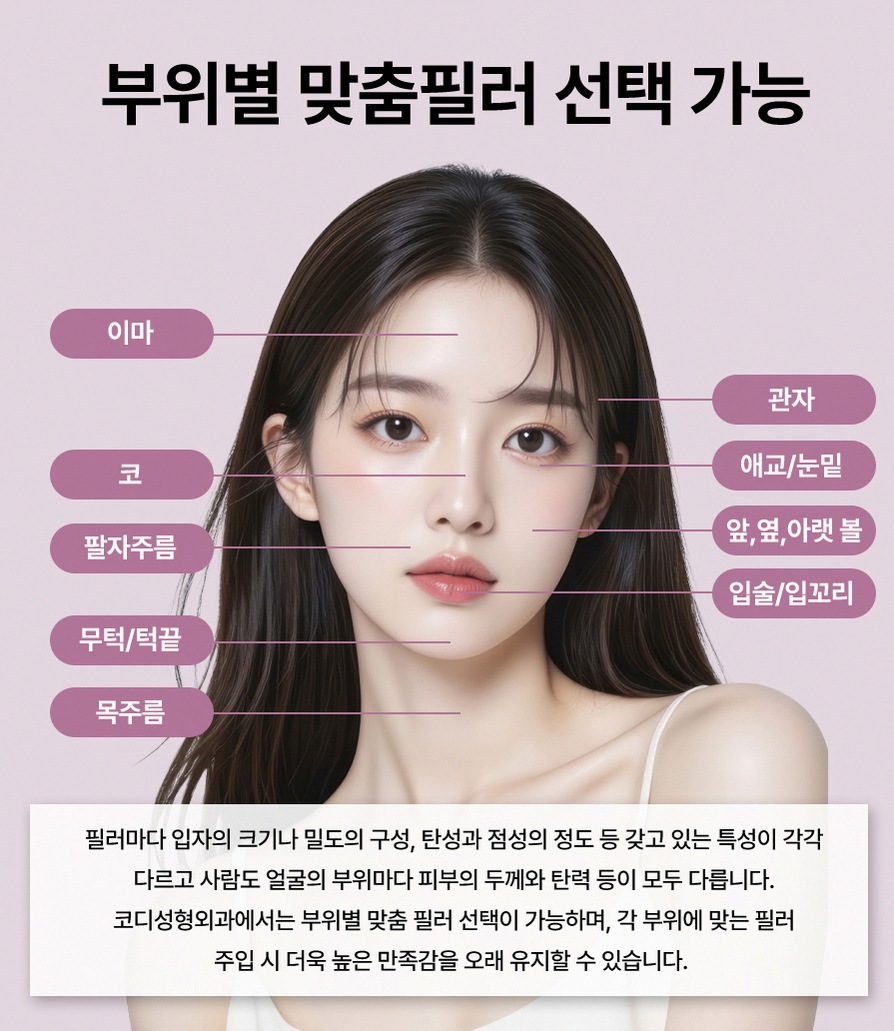
Some centers in this area, such as KODI PLASTIC SURGERY, position themselves as plastic surgery clinics focusing on eye surgery and filler procedures. They may run a dedicated facial filler center that provides nose filler along with forehead, cheek, chin, under-eye, nasolabial fold, and lip fillers. This “customized by facial area” approach can be helpful if you want your nose to be adjusted in harmony with your whole face.
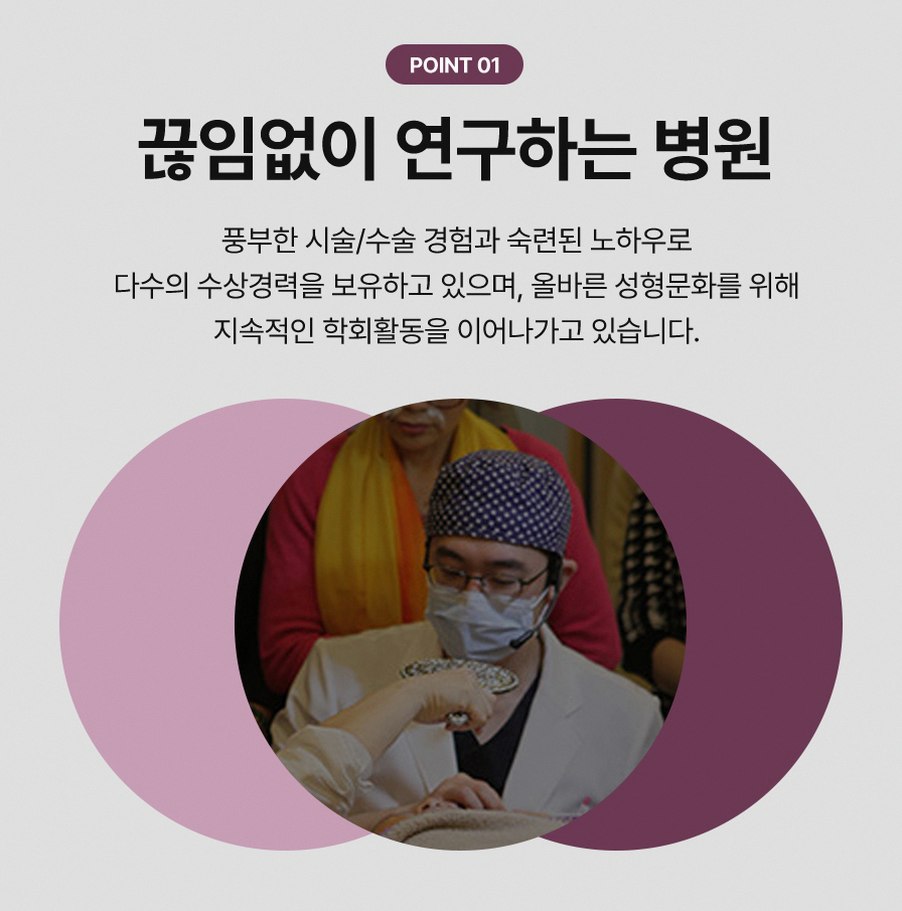
In addition, the presence of multiple board-certified plastic surgeons and a full-time anesthesiology and pain medicine specialist can support a system that prioritizes safety and structured care, which is especially reassuring for overseas visitors.
How the nose filler procedure usually works
Consultation and facial analysis
Your visit typically begins with a consultation.
You explain what bothers you: a low bridge, a small hump, asymmetry, or a blunt tip.
You discuss your preferred style: very natural, a subtle change, or a sharper profile.
The doctor reviews your medical history, allergies, medications, and any previous fillers or nose surgery.
Because many clinics in this area also perform fillers in the forehead, chin, and midface, they may check how your nose line fits with your eyes, cheeks, and chin to keep the overall balance.
Design and planning
After analysis, the doctor designs the injection plan.
They mark key points along the bridge and sometimes the tip, checking from both front and side views.
They choose the filler type and amount based on your skin thickness, nose structure, and goals.
They explain what can and cannot be achieved with filler compared to surgery.
Preparation
Before injection, the staff prepares the area.
The nose and surrounding skin are disinfected to reduce infection risk.
A topical anesthetic cream is usually applied to reduce discomfort.
Many fillers also contain lidocaine, a numbing agent, to make the procedure more comfortable.
Injection
The doctor injects filler using fine needles or blunt-tipped cannulas.
Filler is placed in precise layers along the nasal bridge and, when appropriate, at the tip or base.
The doctor checks the shape from several angles and adds small amounts gradually to avoid overfilling.
The aim is to keep the nose in harmony with the eyes, lips, and chin rather than focusing on the nose alone.
Immediate shaping and check
After injection, the doctor gently molds the filler to refine the line.
You can usually see the change right away in a mirror.
The doctor explains aftercare, what to avoid, and when to return for follow-up.
Total chair time is often short, which is convenient if you are visiting from an office or language school near Shinnonhyeon Station or fitting the procedure into a packed travel schedule.
Safety, risks, and why experience matters
Although nose filler is minimally invasive, the nose is a high-risk vascular area with important blood vessels. For this reason, safety protocols and experienced injectors are essential.
Common short-term reactions
After nose filler, it is common to have:
Redness around injection points
Mild swelling
Small bruises
Tenderness when touching the nose
These reactions usually improve over a few days.
Serious but rare complications
More serious complications are rare but important to understand:
Vascular occlusion: a blood vessel becomes blocked by filler
Skin necrosis: skin damage if blood flow is severely reduced
Visual disturbance or even blindness if filler accidentally enters certain blood vessels that connect to the eye
Because of these risks, it is important to choose a clinic that:
Uses approved fillers and sterile technique
Injects conservatively, especially in the nose area
Has protocols and medications ready to manage complications
In clinics where multiple board-certified plastic surgeons work together with a full-time anesthesiology and pain medicine specialist, there is often a more structured system for monitoring, emergency response, and careful patient selection. For international patients, this kind of system can provide extra reassurance.
Results, duration, and maintenance
How your nose looks after filler
You can usually see an immediate change right after the injections.
In the first one to three days, mild swelling may make the nose look slightly fuller than the final result.
As swelling subsides, the line becomes more defined.
The goal in most clinics near Shinnonhyeon Station is a natural, refined nose line that matches your facial proportions, not an extreme or obviously artificial look.
How long nose filler lasts
The duration depends on the type of filler, injection depth, and your individual metabolism, but in general:
Hyaluronic acid nose filler often lasts around 9 to 18 months.
Over time, the filler gradually breaks down and is absorbed by the body.
If you like the result, you will need maintenance sessions to keep the shape.
Maintenance strategy
Instead of injecting a large amount at once, many doctors prefer a conservative approach.
You may return for a follow-up visit to check symmetry and volume.
At later sessions, the bridge height or contour can be adjusted slightly.
This step-by-step method can reduce the risk of overfilling and help maintain a natural appearance.
Aftercare and downtime for busy visitors
Downtime and return to daily life
One reason nose filler is popular among office workers and students near Shinnonhyeon Station is the short downtime.
Most people can return to work, classes, or sightseeing immediately after the procedure.
Mild swelling or bruising can often be covered with makeup once the skin has closed, usually from the next day.
Basic aftercare tips
Your doctor will give specific instructions, but common advice includes:
Avoid pressing or massaging the nose unless your doctor tells you to.
Try not to wear heavy glasses that press on the bridge for a period recommended by the doctor.
Skip saunas, hot baths, and very intense exercise for a few days to reduce swelling and the risk of filler moving.
If possible, sleep on your back and avoid sleeping face-down or on your nose.
Watch for unusual pain, sudden color changes in the skin, or vision problems, and contact the clinic immediately if they occur.
Because details can vary by filler type and your individual condition, always follow the specific guidance from your clinic.
Online consultation and pre-visit preparation for overseas patients
If you are planning to visit Korea for nose filler, an online consultation before you book flights can save time and help you set realistic expectations.
Information to prepare before contacting the clinic
To get the most from your online consultation, prepare:
Clear photos of your face from the front, 45-degree angle, and side, in natural lighting
Your main concerns (for example: low bridge, small hump, asymmetry, blunt tip)
Any previous procedures on your nose or face, including fillers or surgery
A list of medications, supplements, and any allergies
Your travel dates and how many days you can stay in Seoul
Many clinics near Shinnonhyeon Station offer foreign language support through English, Chinese, or Japanese web pages, and may be able to answer basic questions in these languages by email or messaging apps.
Questions you may want to ask in advance
During online consultation, consider asking:
Whether your goals are realistic with filler alone or if surgery would be more suitable
Which filler types are commonly used for the nose at that clinic
How many sessions are usually recommended for a case like yours
How long you should stay in Korea after the procedure for follow-up
What signs of complications you should watch for after returning home
Writing these questions down before your call or message can help you compare clinics more clearly.
Typical Korea visit timeline for nose filler near Shinnonhyeon Station
The exact schedule can vary, but a common timeline for overseas patients looks like this.
Before arrival
You complete an online consultation, send photos, and discuss whether you are a good candidate.
You choose a tentative date and time, often on a weekday or Saturday, and confirm the clinic location on Gangnam-daero near Shinnonhyeon Station.
Day 1: In-person consultation and possible procedure
You visit the clinic for a face-to-face consultation.
The doctor confirms your nose structure, skin condition, and medical history.
If everything is suitable and you agree, the nose filler procedure can often be done on the same day.
You rest briefly after the injections and then can usually return to your hotel, office, or sightseeing.
Day 2–3: Early recovery
Mild swelling or bruising may appear or peak.
You can usually continue daily activities, avoiding heavy pressure on the nose.
You may visit the clinic again if a next-day check is part of their protocol.
Day 5–7: Shape settling
Most swelling has reduced.
The final line becomes clearer.
If you are staying in Korea for a week or more, you may schedule a short follow-up visit before leaving.
After you return home
If you have any concerns, you can contact the clinic by email or messaging app.
Future maintenance sessions can be planned for your next trip to Korea, or you can discuss options with a local doctor in your country.
How to choose a nose filler clinic near Shinnonhyeon Station
When comparing clinics around Shinnonhyeon Station, consider more than just location and price.
Specialization and experience
Look for clinics that focus on eye and filler procedures or run a dedicated facial filler center. These centers often have more experience with facial balance and subtle volume control.

Medical staff and safety system
Check whether injections are performed by board-certified plastic surgeons.
Ask if the clinic has an anesthesiology and pain medicine specialist on staff, especially if you are considering combined procedures.
Ask about their emergency protocols and how they manage rare complications.
Consultation quality
A good clinic will:
Analyze your whole face, not just the nose
Explain what filler can and cannot do compared with surgery
Discuss risks in clear language, not only benefits
Avoid pushing large volumes of filler in one session
Product transparency
Ask which filler brands are used and whether they are approved in Korea.
Ask about expected duration and how often maintenance is usually needed.
Before-and-after portfolio
Most clinics can show sample photos during consultation.
Look for natural-looking results in noses similar to yours.
Accessibility and language support
Confirm how to reach the clinic from Shinnonhyeon Station and how long it takes on foot.
Check weekday, evening, and Saturday hours to see if they match your schedule.
For foreign residents or travelers, confirm whether the clinic provides information or support in English, Chinese, or Japanese.
KODI PLASTIC SURGERY is an example of a clinic on Gangnam-daero in Seocho-gu, within easy reach of Shinnonhyeon Station, that highlights eye surgery and filler procedures and offers foreign language pages for international patients.
Frequently asked questions about nose filler near Shinnonhyeon Station
How is nose filler different from surgical rhinoplasty?
Nose filler uses injectable dermal fillers to reshape the nose without cutting bone or cartilage. It is usually done in an outpatient setting, with quick recovery and results that can be adjusted or dissolved if needed. Surgical rhinoplasty involves incisions and changes to bone or cartilage, requires more downtime, and can correct larger deformities and functional breathing issues, but it is permanent and not easily reversible. Which option is better depends on your goals, anatomy, and willingness to accept surgery and recovery time.
Can nose filler fix a crooked or hooked nose?
Nose filler can sometimes camouflage mild crookedness or a small hump by adding volume around the irregular area to create a smoother line. However, it cannot straighten a severely deviated nose or correct structural problems inside the nose. Strongly hooked noses, major asymmetries, or breathing difficulties usually require surgical rhinoplasty for meaningful improvement. A detailed consultation is needed to judge how much filler can help in your specific case.
Is nose filler painful, and how is discomfort managed?
Most people describe nose filler as mildly uncomfortable rather than very painful. Clinics typically apply numbing cream to the nose before injection, and many fillers contain lidocaine, a local anesthetic, to reduce pain during the procedure. In clinics with an anesthesiology and pain medicine specialist, pain management protocols are usually well organized. You may feel pressure or a brief sting during injection, but the procedure is generally short.
How soon can I go back to work after nose filler near Shinnonhyeon Station?
Most patients can return to work, classes, or daily activities immediately after the procedure. This is one reason nose filler is popular among people who work in offices or study near Shinnonhyeon Station. You may have mild swelling or small bruises, which can often be covered with makeup from the next day. Your doctor may advise you to avoid heavy exercise, saunas, or pressing on the nose for a few days, but normal desk work or light activities are usually fine.
Can nose filler be dissolved if I do not like the result?
If a hyaluronic acid filler is used, it can usually be dissolved with an enzyme called hyaluronidase. This is injected into the treated area to break down the filler more quickly. Not all filler types are dissolvable, so it is important to ask in advance which product will be used. When choosing a clinic, check that they are experienced in both injecting and, when necessary, dissolving filler.
How often do I need to repeat nose filler?
Many people find that nose filler lasts around 9 to 18 months, but this can vary depending on the product, injection depth, and individual metabolism. Some patients choose a small touch-up when they notice the bridge height or definition gradually softening. Your doctor can suggest a personalized maintenance plan based on how your body responds and how much change you want to maintain.
Is it safe to combine nose filler with other facial fillers or Botox on the same day?
In many cases, nose filler can be combined with other facial fillers, such as forehead, chin, or nasolabial fold fillers, or with Botox injections, during the same visit. The key is to have a coordinated plan so that the overall facial balance remains natural. Your doctor will consider the total amount of product, injection sites, and your schedule to keep safety and aesthetics in mind. Always inform the clinic about all treatments you are planning so they can design a suitable sequence.
Soft call to action for international patients
If you are considering nose filler near Shinnonhyeon Station and would like to fit the procedure into a business trip, study period, or holiday in Seoul, starting with an online consultation is a practical first step.
You can prepare photos, list your concerns and medical history, and contact a clinic such as KODI PLASTIC SURGERY on Gangnam-daero in Seocho-gu to discuss whether nose filler is appropriate for you, what kind of result is realistic, and how to plan your visit. Clear communication in your preferred language, a structured medical team, and convenient access from Shinnonhyeon Station can help make your treatment in Korea smoother and safer.
This article is for general information only and is not a substitute for a personal consultation with qualified medical professionals. Individual conditions, risks, and results vary, so always discuss your specific situation with a doctor before deciding on any procedure.


- 공유 링크 만들기
- X
- 이메일
- 기타 앱


댓글
댓글 쓰기