Re2O review: what results and downtime to expect
- 공유 링크 만들기
- X
- 이메일
- 기타 앱

Direct answer summary
Some sources describe Re2O as a skin‑booster product intended to support the dermal layer, but descriptions of its composition and mechanism vary — confirm exact details and regulatory status with your treating clinic before deciding.
People who write about Re2O often focus on changes in skin texture, firmness, and overall skin quality, rather than dramatic lifting or big volume changes. Experiences vary, and it is usually used as one part of a broader anti‑aging plan that may also include fillers, Botox, lifting procedures, or eye surgery.
What people mean when they search for “Re2O review”
When someone types “Re2O review” into a search engine, they are usually not looking for technical product brochures. They want real‑world, experience‑style information: what the treatment feels like, what kind of changes people notice, how long it takes to see something, and how it compares to other aesthetic options.
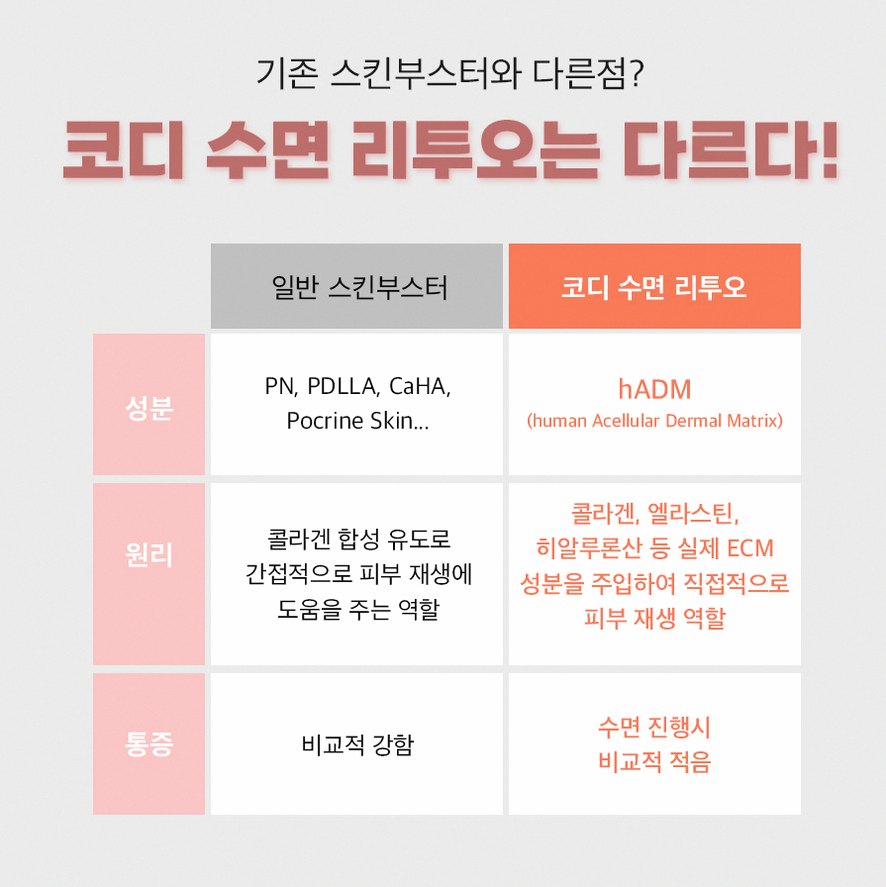
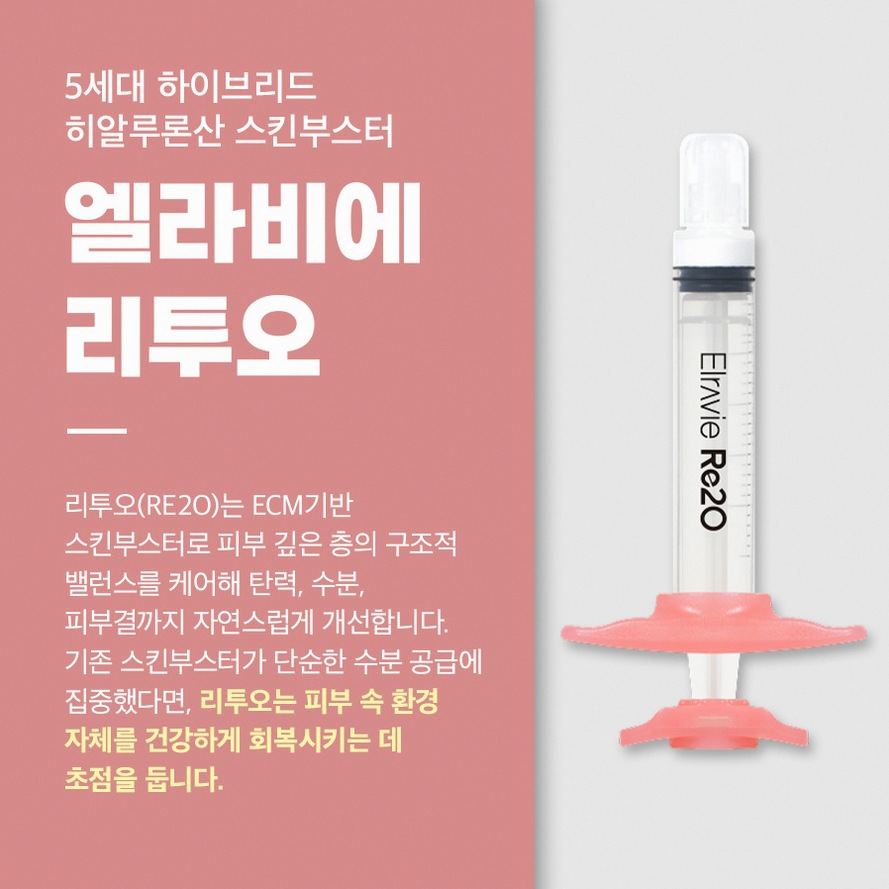
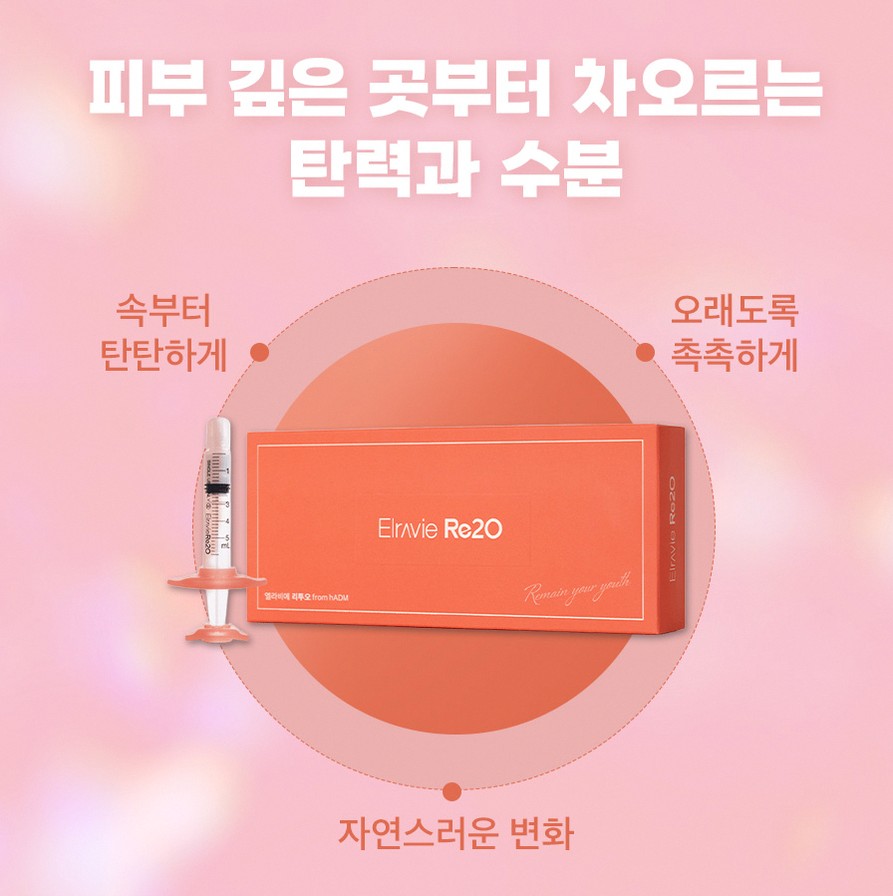
Re2O is an acellular human dermal matrix product. It is derived from donated human dermis that has been processed so that the cells are removed, while the structural components of the extracellular matrix are preserved. The aim is to provide support to the dermal layer of the skin and help improve its quality.
It is important to clear up a common misunderstanding. Re2O is not a fat‑dissolving shot, and it is not a laser, ultrasound, or radiofrequency device. There are no “shots” of energy, no handpiece gliding over the skin, and no melting of fat pads. Instead, it belongs to the family of skin boosters and regenerative‑style treatments that focus on the skin’s structure.
When people share Re2O reviews, they usually talk about skin texture, density, and a feeling of better support in the skin. They do not usually describe a facelift‑like effect or a major change in facial shape.

Re2O basics: what the treatment actually is
To understand Re2O, it helps to know a little about the extracellular matrix, often shortened to ECM. The ECM is the network of proteins and other molecules in the dermis that surrounds skin cells. It includes collagen, elastin, and various structural components that give skin its firmness, elasticity, and smooth texture.
As we age, or after sun damage and lifestyle stress, this matrix becomes weaker and less organized. That is one reason skin can look thinner, more wrinkled, or less bouncy.
Re2O is a processed acellular human dermal matrix. The original human tissue is carefully treated to remove cells, leaving behind the ECM structure.
In the aesthetic field, Re2O is positioned as a skin‑quality and support treatment. It does not simply fill space like a classic filler, and it does not paralyze muscles like Botox. Instead, it aims to provide ECM components to the dermal layer, with the goal of improving the foundation in which skin cells live.
Exact protocols, such as injection depth, pattern, or how it is combined with other materials, depend on the clinic and the individual patient. These details must always be discussed directly with a doctor. There are no universal numbers or guaranteed outcomes that apply to everyone.
Common reasons people consider Re2O
Reading through typical review themes and consultation stories, several motivations come up repeatedly.
Many people notice early signs of aging such as fine lines, dullness, or a feeling that the skin has lost elasticity. They may have tried basic skin boosters or simple skincare and now want something that seems to work more deeply in the dermis.
Others are interested in treatments that focus on the quality of the skin itself, rather than only adding volume. They may already have fillers in areas like the nose, cheeks, or under‑eyes, but feel that the skin surface and density still need support.
Some patients are curious about regenerative‑style treatments that work on the dermal structure and ECM. They read that Re2O is based on human dermal matrix and want to know whether it can complement their existing routine.
In consultations, Re2O may be discussed as an option for people who want to support the dermal layer as part of a broader anti‑aging plan. It might be combined with other procedures, or used in areas where skin looks thin or tired.
However, not everyone is a candidate. Suitability depends on skin condition, medical history, previous procedures, and overall goals. A specialist must evaluate all of this before recommending Re2O.
What Re2O treatment is like: step‑by‑step experience overview
Each clinic has its own protocol, but many patient journeys follow a similar structure.
Consultation
First, there is a consultation with a doctor. You will usually discuss your main concerns: where your skin feels thin, where lines bother you, how your face has changed over time, and what treatments you have already had, such as fillers, Botox, lasers, lifting threads, or surgery.
The doctor will examine your face, checking skin thickness, elasticity, and problem areas. They may gently pinch or stretch the skin to understand its quality.
During this stage, the doctor should explain what Re2O can and cannot do. For example, it may help with skin quality but will not replace a facelift or change bone structure. They may also talk about how Re2O could be combined with other treatments in a plan tailored to you.
Pre‑treatment preparation
If you both decide to proceed, the clinic will go through a medical history check, including any illnesses, medications, allergies, and previous procedures. You will typically sign a consent form after hearing about potential benefits and risks.
Depending on the clinic, topical anesthetic cream, local anesthetic, or other comfort measures may be used. The exact method is decided by the medical team based on the treatment area and your sensitivity.
Treatment session
Re2O is applied or injected according to the clinic’s protocol. Some clinics may focus on specific zones such as cheeks, under‑eye area, or midface, while others may treat broader regions. The doctor may use needles or cannulas, but the exact technique is individualized.
Patients usually describe sensations such as pressure, a feeling of fullness, or mild discomfort at certain points. The level of discomfort varies widely between individuals and depends on anesthetic methods and technique.
Immediately after
Right after the session, it is common to see some redness, swelling, or small marks at entry points, similar to many injection‑based skin procedures. Some people feel a bit of tightness or sensitivity in the treated area.
Downtime and visible signs differ from person to person. Some may feel comfortable going out the next day, while others prefer a short rest period. The treating clinic should explain what to expect in your specific case and what to avoid, such as heavy exercise, saunas, or certain skincare products for a time.
Follow‑up
Many clinics schedule follow‑up visits to check how the skin is responding and to decide whether additional sessions or complementary treatments are appropriate.
The number of sessions, the interval between them, and the overall plan must be personalized. These details should be confirmed directly with your doctor, not assumed from online reviews.
How Re2O differs from fillers, Botox, and energy devices
When reading Re2O reviews, it is helpful to understand how it compares conceptually to other common treatments.
Compared with hyaluronic acid fillers, which mainly add volume or contour specific areas, Re2O is aimed at supplying ECM components to support the dermal structure. Fillers are often used to shape the nose, chin, cheeks, or under‑eyes. Re2O is more about the quality and support of the skin itself.
Compared with Botox, which relaxes muscles to reduce dynamic wrinkles, Re2O does not act on muscle movement. Botox is used for frown lines, forehead lines, or crow’s feet. Re2O targets the skin’s structural layer instead.
Compared with lasers or energy devices such as ultrasound or radiofrequency, which use heat or focused energy to stimulate collagen, Re2O is a tissue product. There are no energy settings, no shot counts, and no joules. It is not an energy‑based device and should not be evaluated in those terms.
In many real‑life treatment plans, Re2O is one layer of a combined approach. For example, someone might have eye surgery or fillers to correct structure, then use Re2O to support the dermis and improve skin quality. Another person might combine it with lifting procedures or Botox.
Re2O is not a replacement for all other treatments. It is one option within a larger anti‑aging toolkit. A good plan looks at bone, fat pads, ligaments, muscles, and skin, and chooses appropriate methods for each layer.
Review themes: what patients often talk about after Re2O
While individual stories differ, certain themes appear frequently in Re2O‑related discussions.
Positive themes
They may say that their skin feels less thin or fragile in certain areas.
Some mention that makeup sits more smoothly, or that their face looks less tired, even if the change is not dramatic to others. There is often appreciation for a treatment that targets “skin quality” rather than only adding volume.
Neutral or mixed themes
A common comment is that the effect feels subtle and gradual, rather than sudden. People who expected a strong lifting effect or a big change in facial shape may feel that the result is more about refinement than transformation.
Some patients are satisfied when they understand this from the beginning. Others may feel underwhelmed if they expected a facelift‑like outcome based on marketing language rather than medical explanation.
Cautionary themes
Reviews also highlight variability. Not everyone experiences the same degree of improvement. Factors such as age, skin damage, lifestyle, and combination with other treatments all play a role.
Many reviewers emphasize the importance of clear pre‑treatment counseling. Understanding realistic outcomes, possible need for multiple sessions, and the role of complementary procedures can prevent disappointment.
Online Re2O reviews are useful as a reference, but they are not guarantees. Your skin, history, and goals are unique, so your outcome will be unique as well.
Safety, anesthesia, and clinic environment
As with any injection‑based or tissue‑based skin procedure, safety depends on proper medical evaluation and technique.
The clinic should review your medical history, allergies, and medications, and examine your skin carefully. Sterile technique is important to reduce the risk of infection. Only approved products should be used, and they should be stored and handled correctly.
Some plastic surgery clinics in Seoul have in‑house anesthesiology specialists who manage anesthesia and monitoring for more invasive surgeries. While Re2O itself is not a major surgery, many patients feel more comfortable in a clinic that has structured safety systems, clear protocols, and experienced staff across different procedures.
You should feel free to ask about who performs the treatment, what training they have, and how the clinic handles emergencies or complications in general. A responsible clinic will answer these questions calmly and transparently.
Re2O at a clinic focused on eyes and fillers
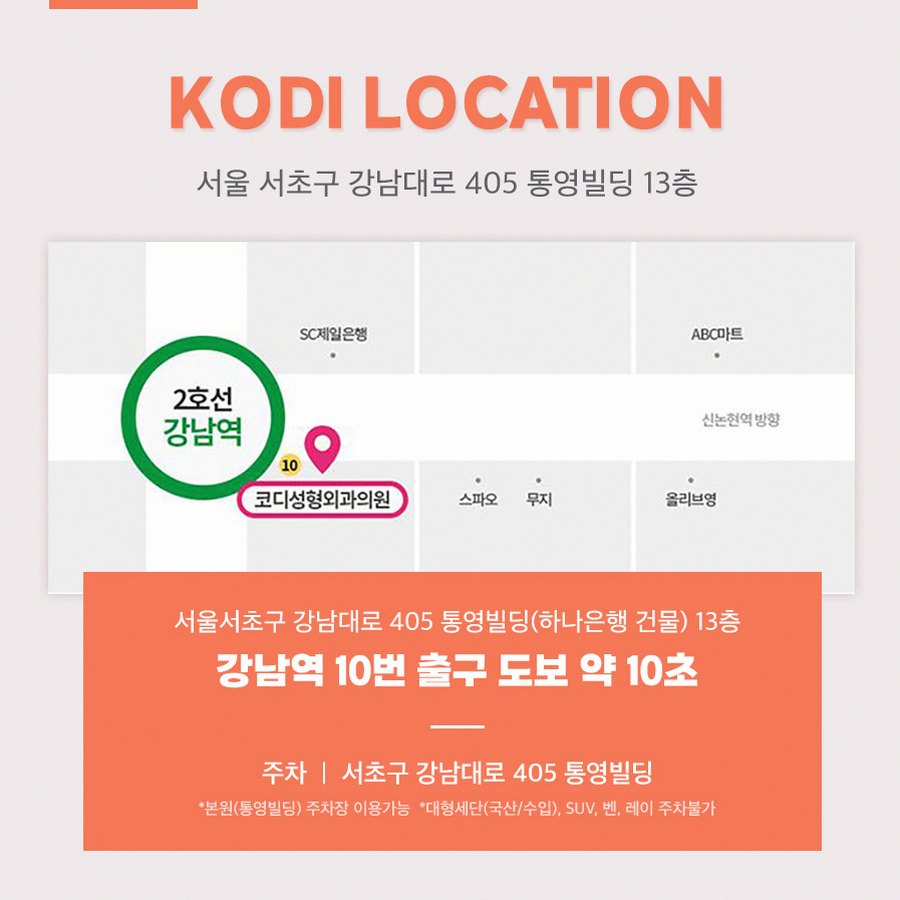
KODI PLASTIC SURGERY is a plastic surgery clinic in Seocho on Gangnam‑daero in Seoul, with a strong focus on eye surgery and filler‑based procedures. Its service lineup includes a wide range of facial fillers for areas such as the nose, forehead, cheeks, chin, under‑eye area, nasolabial folds, and lips, along with anti‑aging options like Botox, lifting procedures, and fat grafting.
In a clinic with this kind of profile, Re2O may be positioned as a dermal‑support option for patients who are already considering fillers or eye rejuvenation. For example, some patients want to soften under‑eye hollows with filler but also feel that the skin under the eyes looks thin. In such cases, a doctor might discuss whether a dermal‑support treatment like Re2O could play a role.
The clinic operates dedicated centers for eye surgery, eye revision surgery, and facial filler. For international patients, this can be helpful when planning combined procedures, such as improving eye shape, adjusting volume with fillers, and then addressing skin quality.
However, the exact way any specific clinic uses Re2O, or whether they recommend it for your case, can only be decided during a personal consultation. It should always be considered as part of a customized plan that looks at both deeper structure and the skin surface.
Practical tips before you book a Re2O treatment
Before you schedule Re2O during your trip to Korea, it helps to prepare.
Start by listing your main concerns and priorities. Is your focus on fine lines, thin skin, under‑eye tiredness, or overall dullness? Have you already had fillers, Botox, lasers, or surgery? Write this down so you can explain it clearly during consultation.
Prepare specific questions such as:
Is Re2O appropriate for my skin type and current concerns?
How does it fit into my overall anti‑aging or skin‑quality plan?
What other treatments do you recommend combining or avoiding with Re2O?
What is the expected course after treatment and how will you follow up?
If possible, bring photos of your face from different times in your life, or at least from before any major procedures. Also, prepare a simple record of past treatments and approximate dates. This helps the doctor understand how your face has changed and what has already been done.
Do not rely on online prices or package descriptions. Treatment plans, costs, and the number of sessions must be confirmed directly with the clinic after an examination. Be cautious of any source that promises a fixed result or fixed protocol without seeing you.
Expected Korea visit timeline for Re2O
For overseas patients, it is useful to think about timing.

Many people start with an online consultation before traveling. You can send photos, describe your concerns, and ask whether Re2O is likely to be relevant in your case. The clinic may suggest a preliminary plan, which will be confirmed or adjusted once you are examined in person.
After you arrive in Seoul, you will usually have an in‑person consultation first. On the same day, if both you and the doctor agree, treatment may be possible, depending on the clinic’s schedule and your overall plan. If you are combining Re2O with eye surgery or other procedures, the clinic will help you prioritize and sequence them.
Most international patients allow at least a few days in Seoul after injection‑based treatments to monitor their skin and attend any short follow‑up visits. If you are planning major surgery plus Re2O, you may need a longer stay. Discuss this in advance so you can book flights and accommodation accordingly.
Aftercare and realistic expectations
After Re2O, you will receive aftercare instructions tailored to your case. These may include how to clean the area, which skincare products to avoid temporarily, and what activities to limit.
You may be advised to avoid heavy exercise, saunas, very hot baths, or alcohol for a certain period. You might also be told not to massage or press the treated areas unless specifically instructed.
In terms of results, it is important to keep expectations realistic. Many people describe gradual, subtle improvements in skin quality rather than dramatic lifting. You may notice that your skin feels more supported or that fine lines look softer over time, but the change may be more visible to you than to others.
If you are hoping for a major reshaping of your face, a strong lifting effect, or a big reduction in deep folds, your doctor may recommend combining Re2O with other procedures or focusing on different methods instead.
FAQ focused on Re2O and reviews
Q1. What exactly is Re2O?
Re2O is an acellular human dermal matrix (hADM) tissue product. It is processed from donated human dermis, with the cells removed and the extracellular matrix components preserved. In aesthetic medicine, it is used as a skin‑quality and support treatment, aiming to provide structural components to the dermal layer. It is not a fat‑dissolving injection and not an energy‑based device like a laser or ultrasound machine.
Q2. Is Re2O painful?
Sensation during Re2O treatment varies from person to person. Some people feel mainly pressure or mild discomfort, while others may feel more sensitive in certain areas. Clinics often use topical numbing cream or local anesthetic to improve comfort. It is important to discuss pain control options with your doctor before the procedure so that the plan suits your tolerance and the treatment area.
Q3. How soon do people in reviews say they notice changes?
Experiences are quite individual. Many reviews describe gradual improvements in texture, firmness, or skin density rather than immediate, dramatic changes. Some people feel a difference in how their skin looks and how makeup sits, while others notice subtler effects. Because of this variability, it is not responsible to promise a specific timeline. Your doctor can give you a general idea based on your skin condition and overall plan.

Q4. Can Re2O replace fillers or lifting surgery?
Re2O does not replace all other treatments. It targets the dermal environment and extracellular matrix, which is only one part of the aging process. Fillers are used to restore or create volume and contour, while lifting surgery and other procedures address sagging tissues and structural changes. In many cases, the best results come from a personalized combination of methods, chosen after a full assessment of your face.
Q5. How do I choose a clinic in Seoul for Re2O?
When choosing a clinic, look for clear explanations of what Re2O is and what it can realistically do. Check whether the clinic has experience with anti‑aging and skin‑quality treatments and whether they can offer a full plan that may include fillers, eye surgery, or other procedures if needed. It is also important that they have transparent consultation processes and safety systems. You should feel comfortable asking questions and never feel rushed into treatment.
Soft call to action for online consultation
If you are considering Re2O as part of your skin‑quality or anti‑aging plan in Seoul, an online consultation is a practical first step. You can share your concerns, send recent photos, and ask whether Re2O is likely to be helpful in your situation, or whether other options might be more suitable.
Clinics such as KODI PLASTIC SURGERY, which focus on eye surgery and filler‑based facial procedures, can review your case and suggest how a dermal‑support treatment might fit into a broader plan. Final decisions should always be made after an in‑person examination, but preparing in advance will make your visit to Korea smoother and more efficient.
Use online consultation to clarify your goals, understand realistic expectations, and plan your schedule. Then, when you arrive in Seoul, you and your doctor can work together to choose the safest and most appropriate path for your skin and your long‑term appearance.




- 공유 링크 만들기
- X
- 이메일
- 기타 앱


댓글
댓글 쓰기