Safe, Natural Tear Trough Clinic Tips
- 공유 링크 만들기
- X
- 이메일
- 기타 앱
Direct answer for people searching in Seocho-gu
If you are looking for a clinic in Seocho-gu for tear trough filler and aegyo filler, focus on places that treat the under-eye as a delicate, specialized area rather than a quick, general filler spot. In the Gangnam-daero area, KODI PLASTIC SURGERY is one option that emphasizes eye and filler-focused care, with systems designed around detailed, area-specific planning for the under-eye and surrounding midface.
This guide explains what tear trough filler does, who it may suit, how a focused clinic in Seocho-gu typically works, and what an overseas patient can expect before, during, and after a visit to Korea.
What Tear Trough Filler Does for the Under-Eye Area
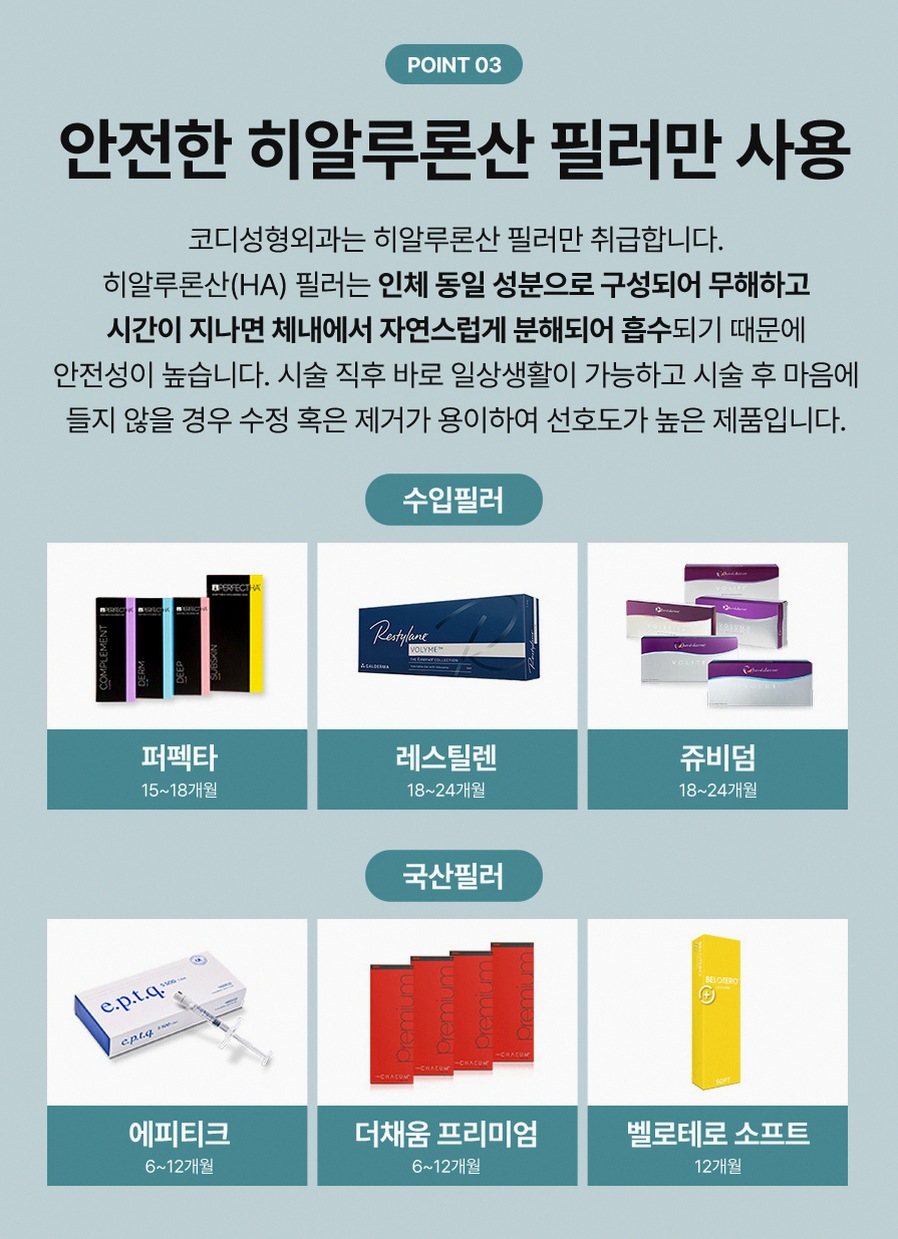
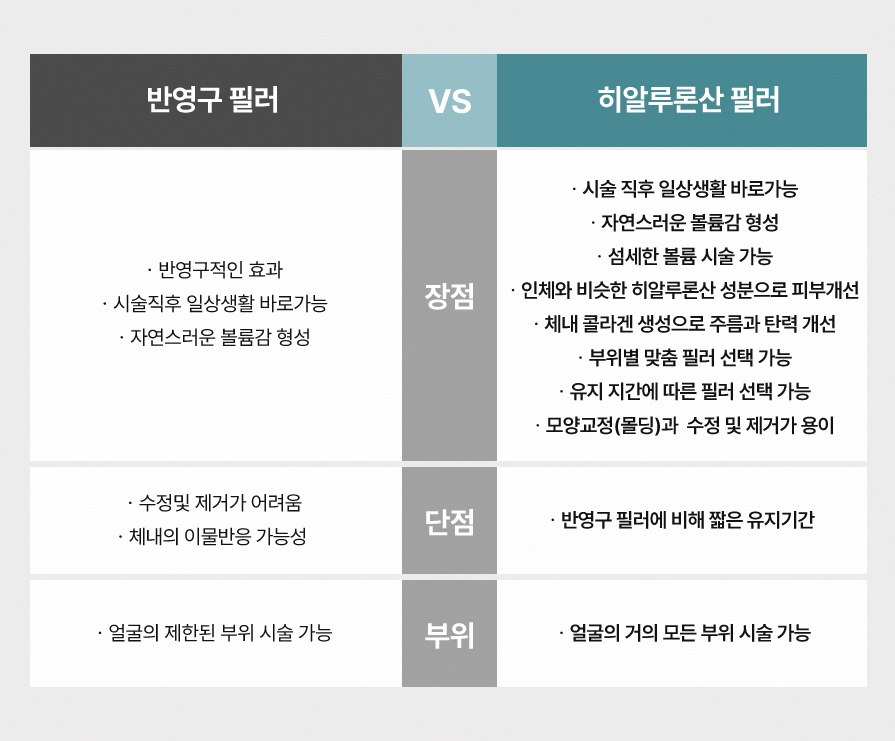
Tear trough filler is a non-surgical injection treatment designed to improve hollowness, shadows, and fine lines under the eyes. By placing a soft, hyaluronic acid-based filler in the right layer, the groove between the lower eyelid and cheek can look smoother and less sunken.
Many people confuse tear trough filler with aegyo filler, but they target different parts of the under-eye. Tear trough filler focuses on the deeper hollow or dark groove that makes the eye area look tired. Aegyo filler highlights the small, natural-looking roll of volume directly under the lower lash line, which is associated with a youthful, friendly expression.
When both are planned together, tear trough filler softens the shadow, while aegyo filler gently enhances the lower-lash-line fullness. The goal is not to create a puffy lower eyelid, but to restore a smooth transition from eyelid to cheek and a brighter, more awake look.
Typical candidates for tear trough filler include people who notice sunken under-eyes, dark circles mainly caused by shadowing rather than pigment, a tired or sad appearance even when well rested, or early fine lines and volume loss under the eyes. Younger patients sometimes seek subtle brightening, while older patients may combine under-eye filler with other anti-aging treatments.
In a clinic that focuses on eye and filler procedures, tear trough filler is not treated as a single dot of filler. Instead, the doctor evaluates the entire eye shape, lower eyelid, and midface volume. This broader view helps avoid an unnatural border between a filled trough and a flat or sagging cheek.
Why Choosing a Good Tear Trough Filler Clinic in Seocho-gu Matters
The under-eye is one of the most delicate areas for filler. Common concerns include bluish discoloration from the Tyndall effect, small visible lumps, asymmetry between the two sides, an overfilled or puffy look, and longer-lasting swelling or bruising.
These issues are more likely when the filler is too dense, injected too superficially, or placed without careful mapping of the under-eye anatomy. The skin here is thin, and there are many small blood vessels and important structures, so technique, product choice, and injection depth are all critical.
In Seocho-gu, especially around Gangnam-daero, there are many clinics offering filler injections. However, not all have a dedicated system for eye and under-eye procedures. For tear trough filler, it is helpful to choose a clinic where the medical team works with the under-eye area every day, not only for filler but also for other eye-related treatments.
A clinic with a strong focus on eye surgery and filler procedures tends to develop more refined protocols for tear trough filler. This usually includes detailed assessment of eye shape and midface support, clear criteria for who is suitable for filler versus other options, careful product selection for the thin under-eye skin, and structured aftercare and follow-up.
Clinic Profile: Eye and Filler-Focused Care in Seocho-gu
In the Gangnam-daero area of Seocho-gu, Seoul, there are clinics that have organized their services around eye and filler procedures. KODI PLASTIC SURGERY, for example, is located on an upper floor of a building along Gangnam-daero, making it convenient for people living or working in southern Seoul and for international visitors staying nearby.
At such a clinic, the main focus is on eye-related procedures and facial fillers, often with dedicated centers or teams for eye revision and filler work. This means the staff is used to evaluating eyelid shape, under-eye volume, and midface harmony together, rather than treating each part in isolation.
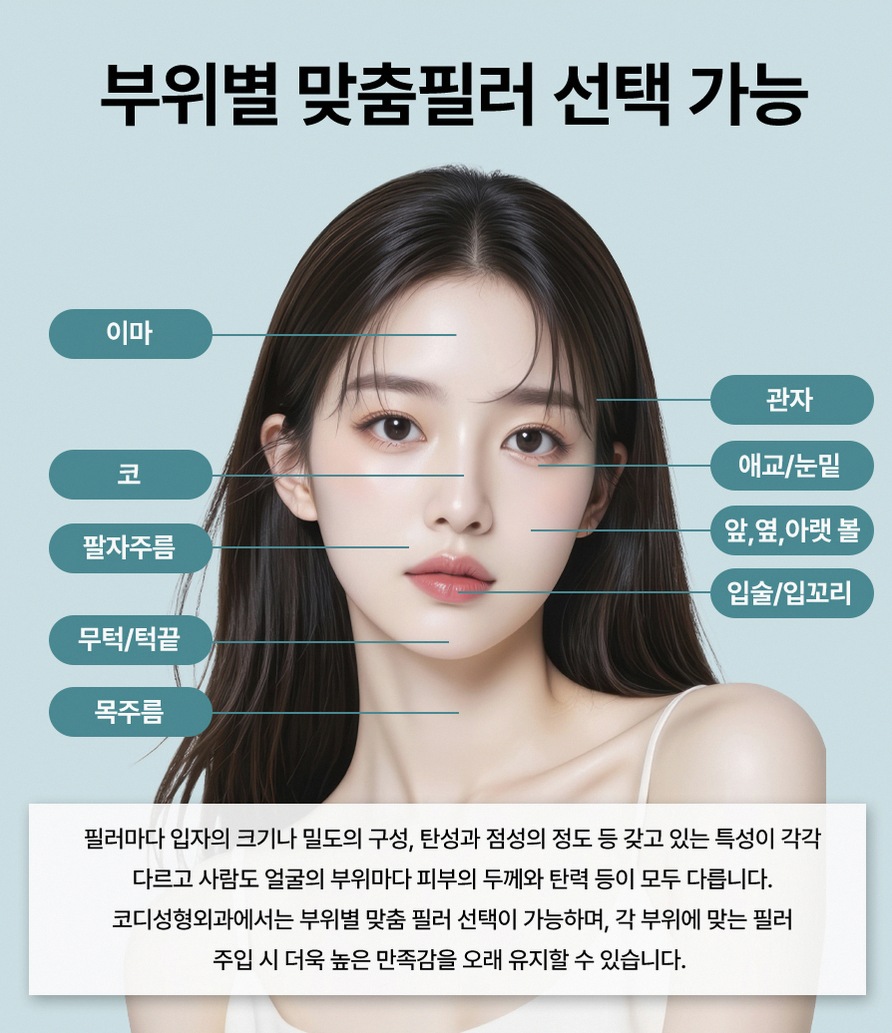
The filler selection is usually divided by facial area: nose, forehead, cheeks, chin, under-eye and aegyo, nasolabial folds, lips, and so on. This area-specific approach shows that the clinic does not simply use the same filler product and technique everywhere. Instead, the under-eye and aegyo region are planned with softer, more flexible fillers and more conservative volumes.
For tear trough and aegyo filler, this segmented system allows the doctor to tailor the plan to your exact anatomy. The goal is to blend the filled tear trough smoothly into the lower eyelid and upper cheek, avoiding sharp steps or visible lines, and to enhance the aegyo area only as much as it suits your natural eye shape.
Medical Team and Safety System for Tear Trough Filler
When you are considering under-eye filler, it is worth checking the clinic’s medical team and safety systems, not only the before-and-after photos. Some clinics in Seocho-gu have multiple board-certified plastic surgeons and an in-house specialist in anesthesiology and pain medicine.
Having an anesthesiology specialist on staff can be valuable even for non-surgical treatments like filler. This type of doctor is trained in monitoring vital signs, managing anxiety or discomfort safely, and responding quickly if a patient has an unexpected reaction or underlying health issue.
For tear trough filler, safety starts with a careful pre-procedure assessment. The doctor should review your medical history, medications, previous fillers or surgeries, and any tendency to bruise easily. They should also be familiar with the detailed vascular anatomy around the eye and use conservative dosing, especially for first-time treatments.
A structured safety system usually includes sterile preparation, clear protocols for managing bruising or swelling, and immediate access to hyaluronidase, the enzyme used to dissolve hyaluronic acid fillers if needed. These are not guarantees that no problem will occur, but they are important structural strengths that can reduce risk and improve response if an issue arises.
How Tear Trough Filler Is Planned and Performed
Before any injections, you can expect a consultation where the doctor evaluates several points: the depth and length of your tear trough, the thickness and elasticity of your under-eye skin, the position and volume of your lower eyelid fat pads, and the support from your upper cheek.
The doctor may explain whether tear trough filler alone is likely to be effective, or whether you might benefit from combining it with aegyo filler, cheek filler, skin treatments, or, in some cases, surgical options. For example, if the main problem is a strong fat bulge rather than a hollow, filler alone may not be the best choice.
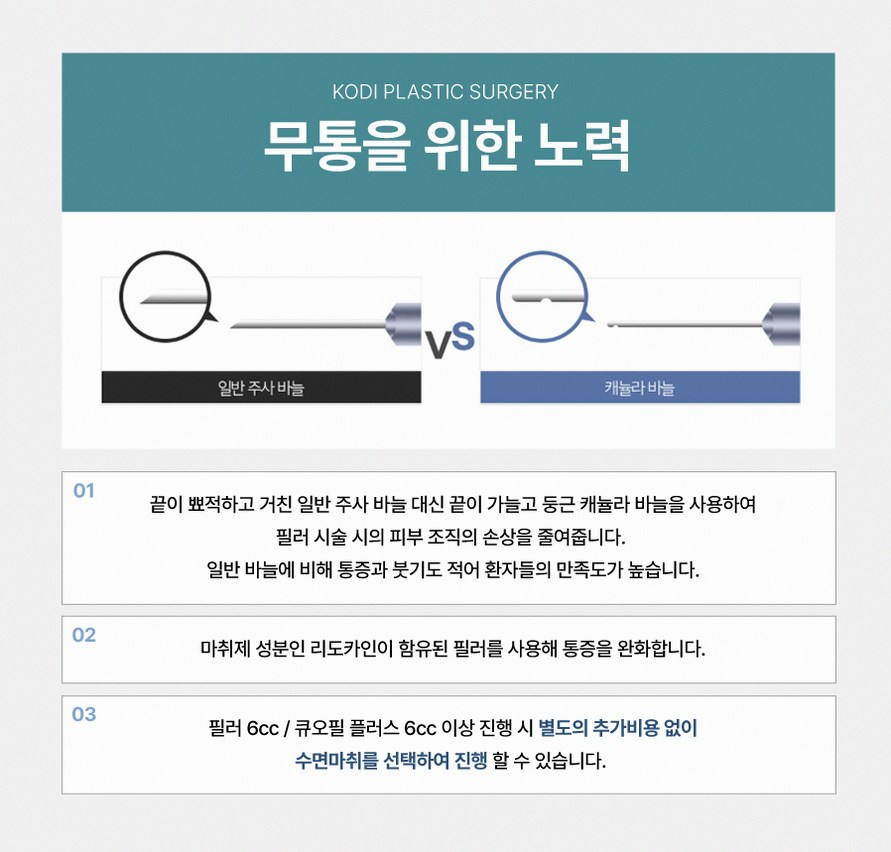
For the under-eye, product type and viscosity are chosen carefully. Softer, more flexible hyaluronic acid fillers are often preferred to minimize visibility, lumpiness, and the Tyndall effect. The doctor also decides whether to use a cannula, a blunt-tipped instrument that can reduce bruising risk, or a fine needle for more precise placement.
On the treatment day, the usual steps include cleansing the area, marking key points, and applying topical anesthetic cream if needed. Some fillers also contain lidocaine, a local anesthetic, which helps reduce discomfort during injection.
The injection itself is typically done slowly, with frequent checks in a sitting position to see how the filler looks under natural gravity and lighting. The doctor may gently shape or smooth the filler with light massage. The whole procedure is usually short, but the planning and checking stages are important for a natural result.
Most patients can return to daily activities soon after, but mild swelling or small bruises can appear and may last several days. Makeup is often allowed after a short period, depending on the clinic’s guidance.
How to Judge a Good Tear Trough Filler Result
A successful tear trough filler result is not about looking obviously filled. Instead, the under-eye groove should appear softer, with less shadow and a brighter, more rested appearance. The transition from lower eyelid to cheek should look smooth, without a sharp step or visible filler line.
The area should also look natural in different lighting conditions and when you move your face. When you smile, the under-eye should not become overly puffy or show irregular bumps. A good result respects your natural eye shape, not trying to copy someone else’s features.
Clinics that are experienced in both eye surgery and filler usually evaluate the under-eye together with eyelid shape, cheek volume, and nearby areas such as the nasolabial folds. This helps prevent a situation where the tear trough is filled but the overall face still looks tired because of volume loss or sagging elsewhere.
When you review before-and-after photos, look for images that show different angles and facial expressions, not only a straight front view. It is also better to see photos that look realistic and not heavily filtered or over-brightened, so you can judge the quality of the contour and symmetry.
Questions to Ask a Seocho-gu Clinic Before Tear Trough Filler
Before you book a treatment, it can help to prepare a small checklist of questions. Practical points include which specific filler products the clinic uses for the under-eye, how many tear trough cases the doctor typically handles, and whether they usually use a cannula, a needle, or a combination.
You can also ask how the clinic decides between tear trough filler, aegyo filler, cheek filler, and other under-eye options such as fat repositioning or skin-based treatments. A thoughtful answer should explain that not everyone is suited to the same approach, and that the plan is based on your anatomy and goals.
It is wise to confirm whether follow-up visits are included, and what the policy is for small touch-ups or for dissolving filler if you are not satisfied with the shape. Ask how the clinic manages complications, including access to hyaluronidase and protocols for rare but serious issues.
KODI PLASTIC SURGERY can be seen as an example of a clinic where under-eye filler is integrated into a broader eye and filler-focused system. When you compare clinics in Seocho-gu, look for a similar level of structure and transparency, rather than focusing only on price.
Practical Information for Visiting a Seocho-gu Tear Trough Filler Clinic
For international patients, location and access are important. A clinic on Gangnam-daero in Seocho-gu is easy to reach by public transport and taxi, and being on a higher floor, such as the 13th floor, often means a quieter, more private environment.
Consultation and treatment hours typically cover daytime on weekdays, with one evening per week offering extended hours for people who work late. Many clinics also open on Saturdays during the day and close on Sundays and public holidays. Since schedules can change, it is always best to confirm current hours before you visit.
Some clinics in this area operate foreign-language pages in English, Chinese, and Japanese. This can be very helpful for overseas residents or medical tourists who want to understand the procedure, see sample cases, and communicate their concerns more easily.
Before you travel, check the clinic’s official website or contact channels for the latest information on opening hours, doctor schedules, and any special booking requirements for international patients.
Online Consultation and Pre-Visit Preparation
If you are planning to visit Korea for tear trough filler, an online consultation is a useful first step. Many clinics offer consultation by email, messaging apps, or video call, where you can send clear photos of your face from the front and both sides, in natural lighting.
When you prepare for an online consultation, it helps to note your main concerns in simple points: for example, dark shadows, hollowness, fine lines, or asymmetry. Also list any previous procedures, including fillers, fat grafts, or eye surgeries, and any medical conditions or medications.
During the online consultation, ask whether your case seems suitable for filler, how many visits are usually needed, and what kind of downtime to expect. This will help you plan your travel dates, especially if you want to avoid visible bruising during important events.
Expected Korea Visit Timeline for Tear Trough Filler
For many overseas patients, a short visit is enough for consultation and treatment. A common pattern is to arrive in Seoul, have an in-person consultation and under-eye assessment, and receive the filler on the same day if both you and the doctor agree.
If you prefer more time to decide, you can schedule the consultation on the first day and the procedure on the second day. This allows you to think about the plan overnight and ask additional questions.
Most people can continue light sightseeing or work during their stay, but you may want to avoid very intense activities or hot spas for a few days after the injection. If possible, plan at least one follow-up visit within a week to check the result and symmetry before you leave Korea.
Aftercare and When to Seek Help
After tear trough filler, basic aftercare is simple but important. You should avoid rubbing or pressing the under-eye area, especially on the day of treatment. Many clinics recommend minimizing intense exercise, alcohol, and heat exposure such as saunas or very hot baths for a short period.
Cold compresses may be suggested for the first day or two to help with swelling, but always follow the specific guidance from your clinic. Sleeping with your head slightly elevated for the first night can also reduce morning puffiness.
Normal short-term reactions include mild swelling, tenderness when you touch the area, and small bruises at the entry points. These usually improve over several days. Makeup can often be applied after a short time, as advised by the clinic.
However, there are warning signs that require prompt contact with the clinic or emergency care. These include severe or increasing pain, sudden changes in vision, mottled or patchy skin color around the injection area, or significant redness and warmth that could suggest infection.

A clinic with an established filler system and in-house anesthesiology support is generally better prepared to respond quickly if any issue arises. Attending scheduled follow-up visits allows the doctor to check how the filler has settled, assess symmetry, and decide whether minor adjustments are needed.
FAQ
How long does tear trough filler last under the eyes?
For most hyaluronic acid fillers used in the tear trough, the effect commonly lasts from around 6 months up to about 12 to 18 months. The exact duration depends on the specific product, the depth of injection, your individual metabolism, and how expressive your face is in that area.
Some people notice that the brightening effect seems to last a bit longer than the full volume, while others prefer a touch-up once the hollow starts to reappear. Your doctor can suggest a reasonable interval based on your first result.
Is tear trough filler painful?
Discomfort during tear trough filler is usually mild and brief. Clinics often apply a topical anesthetic cream before the procedure, and many fillers contain lidocaine, which numbs the area as the product is injected.
Patients usually describe a feeling of pressure or slight stinging rather than strong pain. Using a cannula and injecting slowly can further reduce discomfort, especially in a clinic that is very familiar with the under-eye region.
Can tear trough filler and aegyo filler be done together?
Yes, tear trough filler and aegyo filler can be combined when they are carefully planned. Tear trough filler softens the deeper hollow and shadow, while aegyo filler gently enhances the fullness right under the lower lash line for a youthful expression.
The key is balance. Too much volume in either area can create a puffy or artificial look. An experienced doctor will adjust the amount and placement of each filler based on your natural eye shape and the thickness of your skin.
What are the risks of under-eye filler?
Under-eye filler shares many risks with other filler treatments, such as swelling, bruising, temporary tenderness, asymmetry, and small lumps. Specific to the under-eye, there is also a risk of the Tyndall effect, where the filler appears bluish if placed too superficially.

More serious complications, such as vascular issues, are rare but possible. This is why it is important to choose a clinic with strong anatomical knowledge, clear safety protocols, and the ability to manage complications, including access to hyaluronidase and appropriate medical support.
How do I choose a good tear trough filler clinic in Seocho-gu?
When comparing clinics in Seocho-gu, look for a clear focus on eye and filler procedures, not just general cosmetic treatments. Check whether the doctors are experienced in under-eye and midface anatomy and whether the clinic explains its safety systems and aftercare.
It also helps to see if the clinic offers structured consultations, realistic before-and-after photos, and transparent policies on follow-up and corrections. For overseas patients, availability of foreign-language support and online consultation is another practical advantage.
Soft call to action
If you are considering tear trough or aegyo filler in the Gangnam-daero area of Seocho-gu and would like a structured, eye-focused approach, you can start with an online consultation with a clinic such as KODI PLASTIC SURGERY. Sharing clear photos and your concerns in advance will help the medical team suggest a personalized plan and help you schedule your visit to Korea with realistic expectations for both results and recovery.




- 공유 링크 만들기
- X
- 이메일
- 기타 앱


댓글
댓글 쓰기