Tear trough & aegyo-sal options in Gangnam
- 공유 링크 만들기
- X
- 이메일
- 기타 앱

Direct answer summary
In the Gangnam business area, there are clinics with dedicated eye and facial filler centers where board-certified plastic surgeons focus on precise, conservative injections around the eyes, offering both tear trough and aegyo-sal filler as part of an area-specific filler program.
This guide explains what tear trough and aegyo-sal filler are, who may benefit, how the procedure is done, what to expect during a short visit to Korea, and how aftercare and safety are handled, so you can prepare for an informed consultation.
Overview of tear trough filler in Yeoksam-dong
Many people working or studying around Yeoksam-dong and Gangnam notice that long hours, stress, and aging make the under-eye area look darker or more hollow. Even with enough sleep, the groove from the inner corner of the eye toward the cheek can cast a shadow and create a tired or older appearance.
Tear trough filler is a non-surgical injection treatment using hyaluronic acid filler to soften this groove and blend the lower eyelid smoothly into the cheek. Aegyo-sal filler focuses on the small, natural roll of volume directly under the lower eyelashes, which gives a friendlier, more youthful expression.
In clinics that focus on eye plastic surgery and filler procedures, these two areas are treated as separate but related zones. You may receive filler only in the tear trough, only in the aegyo-sal, or in a carefully balanced combination, depending on your anatomy and goals.
What are tear trough and aegyo-sal filler
Understanding the tear trough
The tear trough is the hollow line or groove that starts near the inner corner of the eye and runs diagonally down toward the mid-cheek. When this groove is deep, it creates a shadow that looks like a dark circle, even if the skin color itself is not very pigmented.
With age, genetics, or weight loss, the fat and soft tissue under the eye can thin, making this groove more visible. Tear trough filler places hyaluronic acid deeper in this area to lift the hollow and soften the transition from lower eyelid to cheek.

Understanding aegyo-sal
Aegyo-sal is the small, soft roll of tissue directly under the lower lash line that becomes more visible when you smile. It is different from under-eye bags, which are bulging fat pads that can look puffy or swollen.
As we age, this roll can flatten, making the eyes look longer, flatter, or more tired. Aegyo-sal filler uses very small amounts of hyaluronic acid placed superficially to restore or enhance this roll in a subtle, natural way.
How the two treatments work together
Tear trough filler and aegyo-sal filler target different levels and positions in the under-eye area. Tear trough filler is usually placed deeper to fill the hollow, while aegyo-sal filler is placed more superficially right under the lashes.
In some people, only one area needs treatment. In others, a combination gives the best result: the hollow is softened and the small roll under the lashes is gently defined, creating a fresher, more awake look.
Hyaluronic acid fillers and reversibility
For the under-eye region, hyaluronic acid fillers are commonly chosen because they are soft, can be shaped, and are reversible. If needed, an enzyme called hyaluronidase can be used to partially or completely dissolve the filler.
This reversibility is an important safety and comfort factor for international patients who may be concerned about making a visible change in such a delicate area.
Who may consider under-eye filler in Gangnam
Typical concerns in the Yeoksam-dong working population
People around Yeoksam-dong and Gangnam often visit during lunch breaks or after work with similar concerns:
Dark circles that do not improve with rest or skincare
A sharp line between the lower eyelid and cheek that makes the face look tired
Sunken or hollow under-eyes that show up strongly in photos or under office lighting
Loss of the soft aegyo-sal roll, making the eyes appear flat or stern
Good candidates for tear trough or aegyo-sal filler
You may be a good candidate if you have:
Mild to moderate hollowness under the eyes
Shadow-type dark circles mainly caused by a groove rather than strong pigmentation
Fine lines and slight volume loss just under the lower lashes
Relatively firm skin without very large, protruding fat bags
In these situations, carefully placed filler can soften shadows and restore gentle volume without surgery.
When surgery may be more appropriate
If you have pronounced under-eye bags, very loose skin, or significant fat protrusion, filler alone may not be the best solution. In such cases, surgical options like lower eyelid fat repositioning or other eye plastic surgery procedures may provide more structural improvement.
A clinic that focuses on both eye surgery and filler procedures can examine your under-eye area and explain whether non-surgical filler, surgery, or a combination in stages would be more suitable for your specific anatomy.
Consultation and assessment process
Detailed under-eye analysis
During consultation, the medical team will typically:
Assess skin thickness and elasticity under the eyes
Check the degree and shape of hollowness and any eye bags
Observe asymmetry between the two sides
Watch how the under-eye area changes when you smile or talk
This helps them decide where volume is missing and how much support the tissue can safely accept.

Distinguishing shadows from pigmentation
Not all dark circles are caused by hollows. The clinic will usually differentiate between:
Pigmentation-based dark circles, where the skin itself is darker
Shadow-based dark circles, where light falls into a deep groove or between a bag and a hollow
Tear trough filler is most effective for shadow-based dark circles. For pigmentation, other treatments such as skincare, laser, or lifestyle changes may be recommended alongside or instead of filler.
Planning the treatment area
Based on the examination, the doctor will decide whether to:
Treat only the tear trough to soften the hollow
Treat only the aegyo-sal to restore the small roll under the lashes
Combine both, in a staged and conservative way
They will also select the filler type and plan the injection depth: deeper, structural placement for the tear trough, and very superficial, delicate placement for aegyo-sal.
Segmented, area-specific filler strategy
Rather than injecting a large amount in one spot, a segmented, area-specific approach is used. The under-eye region is divided into small zones, and each is addressed with the appropriate depth and amount.
This is especially important in the thin under-eye skin, where overfilling or placing filler at the wrong depth can lead to puffiness, visible lumps, or an unnatural look.
How the tear trough and aegyo-sal filler procedure is performed
Preparation on the day of treatment
On the day of your filler session, the process usually includes:
Cleansing and complete makeup removal around the eyes
Standardized photography for before-and-after comparison
Marking of key anatomical points and planned injection areas
Topical numbing and comfort measures
A topical anesthetic cream is typically applied and left on for a short time to reduce discomfort. Some clinics also use ice packs or vibration devices near the injection site to further lessen the sensation.
For most patients, under-eye filler is tolerable with these simple measures and does not require heavy anesthesia.
Injection technique
Depending on your anatomy and bruising risk, the doctor may use:
Fine needles for very precise, small-volume placement
Blunt cannulas to reduce the number of skin punctures and potentially lower bruising risk
The filler is injected gradually in small amounts, often with you in a sitting or semi-sitting position. This allows the doctor to see how gravity and natural expressions affect the result in real time.
Layered, conservative dosing
The under-eye area responds best to careful, layered injections. The doctor will:

Place small amounts, then pause to assess
Gently shape or massage the area if needed
Check symmetry between both sides repeatedly
A conservative first session is usually recommended, with the option of a touch-up later rather than trying to achieve the final volume in a single, aggressive treatment.
Safety, staff, and clinic systems
Medical team and safety culture
At KODI PLASTIC SURGERY, under-eye filler procedures are performed by board-certified plastic surgeons. The clinic is also staffed by a board-certified anesthesiology and pain medicine specialist, who supports overall safety systems, monitoring, and protocols for surgical cases.
Even though tear trough and aegyo-sal filler are minimally invasive, this structure reflects a broader safety culture and attention to sterile technique.
High-sensitivity area and anatomical expertise
The under-eye region contains important blood vessels and nerves, and the skin is thin. For this reason, experience and detailed anatomical knowledge are crucial.
The clinic operates dedicated centers for eye surgery, eye revision surgery, and facial filler. This focus supports accumulated experience with many different under-eye shapes, previous procedures, and complex cases.
Emergency protocols and reversibility
While serious complications are rare, the clinic maintains protocols for emergency management, including the use of hyaluronidase to dissolve hyaluronic acid filler if necessary.
This ability to adjust or reverse the filler offers additional reassurance, especially for international patients who may have limited time in Korea.
Expected results and longevity
What results you can realistically expect
Patients may notice:
A softer transition between the lower eyelid and cheek
Reduced shadowing under the eyes, leading to a more rested appearance
A subtle, natural roll under the lashes that is more visible when smiling but not overly puffy at rest
The goal is not to change your face dramatically, but to gently refresh the eye area so you look less tired and more awake.
Duration of results: Results are temporary and vary by product, technique, and individual patient factors. Discuss expected duration with your clinician during consultation.
The exact duration depends on:
The type and softness of the filler used
Your metabolism and lifestyle
How much you move the area when smiling or squinting
Because the under-eye is a relatively low-movement area compared with the lips or mouth, many people find that their results last toward the longer end of this range.
Maintenance and follow-up
Since the effect is not permanent, periodic maintenance sessions may be needed. Some patients prefer a small touch-up once or twice a year to keep the area looking consistent, rather than waiting for the filler to fully fade.

Recovery, aftercare, and downtime
Typical recovery course
Most people can return to work or daily activities immediately or the next day after tear trough or aegyo-sal filler. However, it is normal to experience:
Mild swelling or puffiness
Slight redness at injection points
Small bruises in some areas
These effects usually improve over several days. Makeup can often be applied after a short period, as advised by the clinic.
Aftercare tips
To support smooth healing, you will usually be advised to:
Avoid rubbing, pressing, or massaging the under-eye area unless specifically instructed
Sleep with your head slightly elevated on the first night if swelling is a concern
Avoid intense exercise, saunas, hot baths, and alcohol for a short period
Use gentle skincare around the eyes and avoid harsh products for a few days
Follow-up visits are important to check symmetry, filler settling, and your satisfaction with the result.
Risks, side effects, and how they are managed
Common, usually mild side effects
Like any injection, under-eye filler can cause temporary effects such as:
Swelling and redness
Bruising or small marks at the entry points
A feeling of fullness or tightness in the treated area
Slight asymmetry in the early days while swelling settles
These are usually self-limiting and improve as the tissue adapts to the filler.
Rare but more serious complications
More serious complications are uncommon but can include:
Vascular compromise, where a blood vessel is affected by filler or swelling
Prolonged swelling or fluid retention
Visible lumps, irregularities, or a bluish tint if filler is placed too superficially
This is why it is important to choose a clinic with experienced injectors who understand under-eye anatomy and have clear protocols for managing any problems.
Role of hyaluronic acid and hyaluronidase
Because hyaluronic acid fillers can be dissolved with hyaluronidase, there is an option to adjust or remove filler if needed. This may be used in cases of overfilling, asymmetry, or certain complications, according to medical judgment.
Comparison with other treatment options
Lower eyelid fat repositioning surgery
For patients with prominent under-eye bags or significant skin laxity, surgical procedures such as lower eyelid fat repositioning may be more suitable. Surgery can:
Reposition or remove fat pads
Tighten or support the lower eyelid structure
Offer a more long-term structural change
However, surgery involves more downtime, swelling, and a longer recovery period compared with filler.

Skin treatments and lasers
If your main issue is pigmentation or fine surface wrinkles, skin-focused treatments may be recommended, such as:
Laser or light-based therapies for pigmentation
Topical treatments for melanin and texture
Microneedling or other collagen-stimulating procedures
These can improve color and fine lines but are less effective for deep hollows caused by volume loss.
Combining approaches
Because some people have a mix of pigmentation, hollowness, and skin laxity, a combination approach is often most effective. A clinic that works with both eye surgery and fillers can design a staged plan that may include filler, skin treatments, or surgery in a sequence tailored to your needs and schedule.
Online consultation and pre-visit preparation for overseas patients
Preparing for an online consultation
If you are an international patient planning to visit Yeoksam-dong or Gangnam, an online consultation can help you understand whether tear trough or aegyo-sal filler is appropriate before you travel.
To make the most of this, prepare:
Clear photos of your face from the front and both sides, in natural light
Photos smiling and at rest, so the doctor can see your dynamic expressions
A brief medical history, including any previous eye or facial procedures
A list of medications, supplements, and any known allergies
Questions to consider before contacting the clinic
Before you send an inquiry, it can be helpful to note down:
What specifically bothers you: shadow, hollowness, eye bags, or loss of aegyo-sal
Whether you are open to surgery in the future, or prefer only non-surgical options
How many days you will stay in Korea and how flexible your schedule is
Any upcoming events or flights that could affect your recovery timeline
This information helps the medical team suggest realistic options and schedule.
Expected Korea visit timeline for under-eye filler
Short-stay filler visit example
For many overseas visitors, the schedule for tear trough or aegyo-sal filler can look like this:
Day 1: In-person consultation, detailed examination, and photography. If both you and the doctor agree, filler can often be performed on the same day.
Day 2–3: Light swelling or minor bruising may appear. Most people can continue sightseeing or business activities, avoiding heavy exercise and saunas.
Day 5–7: If your stay allows, a brief follow-up visit can be scheduled to check symmetry and settling.
If your stay is very short, the clinic will prioritize careful planning before your arrival and detailed aftercare instructions for when you return home.
Longer-stay or combined treatment plans
If you are considering combining under-eye filler with other facial filler areas or eye surgery, you may need a longer stay. In such cases, the clinic can outline a staged plan, including when each procedure is done and how much downtime to expect.
Local and practical information for Yeoksam-dong searchers
For people living or working around Yeoksam-dong and the wider Gangnam area, under-eye filler is a practical option to address tired-looking eyes without long downtime. Many patients schedule consultations after work or on weekends.
Clinics in this area often offer weekday hours, extended hours on at least one weekday evening, and Saturday appointments, which can be convenient for office workers. Foreign-language support pages in English, Chinese, and Japanese help international residents and visitors understand procedures and communicate their concerns more clearly.
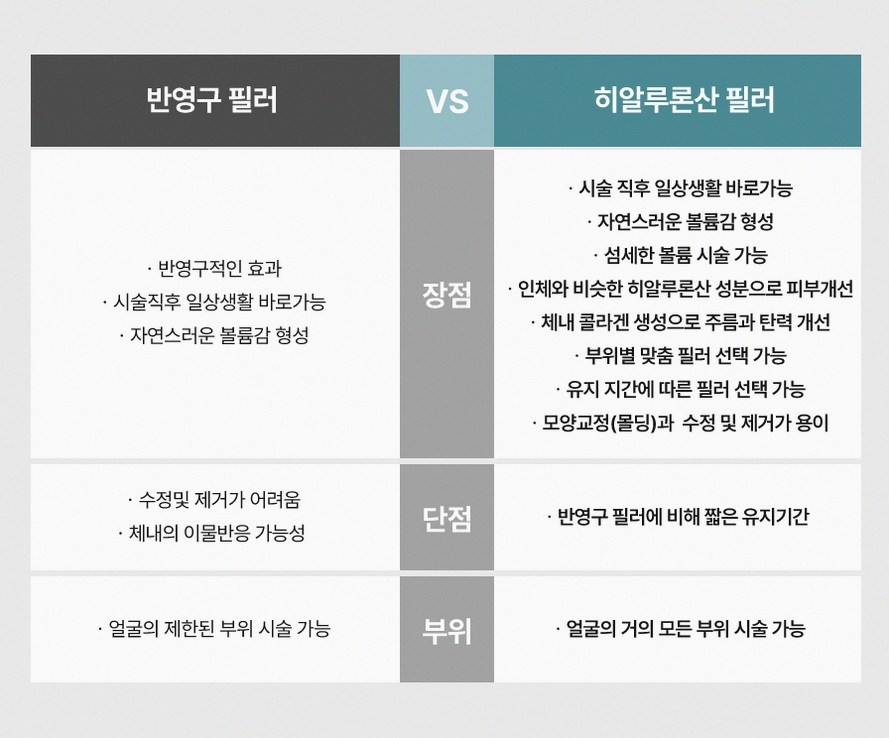
Frequently asked questions about tear trough filler in Yeoksam-dong
How long does tear trough filler typically take? The injection itself is usually brief, but you should allow extra time for consultation, photography, numbing or preparation, and short post-treatment observation. First visits may take longer than follow-ups; check with the clinic for an expected appointment length.
r your first visit.
Will I be able to go back to work after under-eye filler in Gangnam?
Most people can return to office work the same day or the next day. You may have mild swelling or small bruises, which can often be covered with makeup after a short period, according to the clinic’s advice. If you have an important presentation or event, it is wise to schedule the procedure several days in advance.
Is tear trough filler painful?
Discomfort is usually mild. Topical anesthetic cream is applied before treatment, and many hyaluronic acid fillers also contain a local anesthetic. You may feel brief pressure or stinging during injection, especially in sensitive areas near the inner corner of the eye, but this typically subsides quickly.
How do I know if I need filler or surgery for my under-eyes?
The choice between filler and surgery depends on the balance of hollowness, fat protrusion, and skin laxity. If your main issue is a groove or shadow with relatively firm skin, filler may be suitable. If you have pronounced eye bags or very loose skin, surgical options may be more appropriate. A consultation at a clinic that offers both eye surgery and filler allows a board-certified plastic surgeon to examine you and explain which approach is likely to match your goals.
Soft call to action for online consultation
If you are considering tear trough filler in Yeoksam-dong or under-eye filler in Gangnam and would like a professional opinion before you travel, you can contact KODI PLASTIC SURGERY for an online consultation. By sharing clear photos and your concerns in advance, you can receive guidance on whether tear trough and aegyo-sal filler are suitable for you, what kind of visit schedule to expect, and how to plan your stay in Korea around treatment and recovery.
This article is for general information only and does not replace a personal consultation with qualified medical staff. Individual conditions, risks, and results vary, and all decisions about treatment should be made after direct examination and discussion with a medical professional.




- 공유 링크 만들기
- X
- 이메일
- 기타 앱


댓글
댓글 쓰기