What Changes and How Long They Last
- 공유 링크 만들기
- X
- 이메일
- 기타 앱

Direct answer: what “Gangnam nose filler effects” usually mean
When people talk about nose filler effects in the Gangnam area, they usually mean a higher and straighter nose bridge, a smoother side profile, and a slightly more defined tip without undergoing surgery. With hyaluronic acid filler placed along the bridge and sometimes the tip, the nose can look more refined from both the front and the side, while still remaining within your natural facial structure.
This guide focuses on non‑surgical nose filler, not surgical rhinoplasty. It is written for international visitors and foreign residents who are considering a quick, low‑downtime profile improvement while in Seoul, especially around Gangnam and Seocho‑gu. You will find realistic explanations of what nose filler can and cannot do, how long the results last, what the visit timeline might look like, and how to think about safety and clinic choice.
What is nose filler and how it works on the nose shape
Nose filler is a non‑surgical procedure that uses injectable hyaluronic acid to add volume and structure to specific parts of the nose. Hyaluronic acid is a gel that can be shaped and adjusted during the procedure, and it is also reversible with a special dissolving enzyme if needed.
Typical target areas include a low or flat bridge, a slightly irregular side profile, and small humps that can be visually softened by filling around them. In some cases, a modest amount of filler can be used near the tip to give a mild lift or sharper definition.

It is important to understand that fillers only add volume; they do not remove or shave bone or cartilage. This means nose filler cannot make a very large nose smaller, cannot narrow wide nasal bones, and cannot correct functional problems such as breathing issues. Those concerns usually require surgical rhinoplasty. Nose filler is best thought of as a contouring and camouflaging tool rather than a reshaping tool for bone structure.
Visible effects you can expect from nose filler in Gangnam
From the front view, the most common effect is a higher and more defined bridge. The midline of the nose can look clearer, and the bridge can appear straighter, which often improves balance with the eyes, forehead, and eyebrows. For people with a very low bridge, even a small increase in height can make the eyes look more framed and the overall face more structured.
From the side view, nose filler can smooth out a mild hump by filling just above and below it, creating a more continuous line from the root of the nose to the tip. This can give the impression of a more elegant profile without cutting bone or cartilage. Many people notice that their side photos look more balanced after this kind of subtle contouring.
At the tip, filler can sometimes provide a gentle lift or a sharper outline between the tip and the bridge. However, the tip is a complex and sensitive area with important blood vessels, so experienced injectors are usually conservative here. Large, droopy, or very bulbous tips are usually not fully correctable with filler alone and may still require surgery for major changes.
Overall, realistic expectations are essential. Nose filler usually offers subtle to moderate improvement, not a completely new nose. People around you may think you look more refined or photogenic, but they may not immediately realize you had a procedure.
How long nose filler effects last and when to retouch
The duration of nose filler results varies by filler type, injection depth, and your individual metabolism.
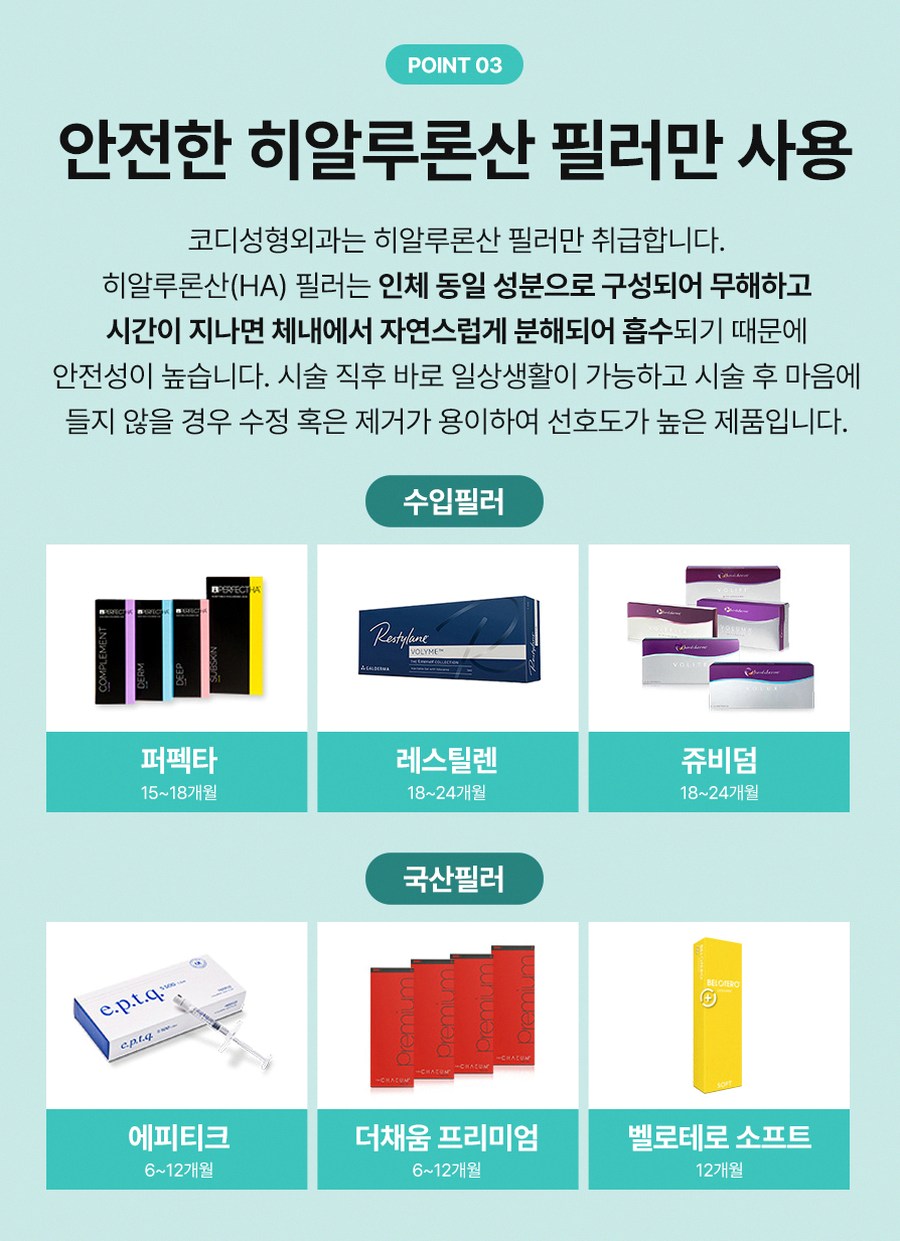
Over time, the filler gradually breaks down and is absorbed by the body. This does not happen all at once; you may notice the bridge slowly becoming less defined or the profile line becoming a little softer. Many people choose maintenance touch‑ups rather than a full re‑injection each time. A small amount of filler can often refresh the shape if the previous structure is still partially present.
One key reason nose filler is popular among first‑timers in Gangnam is reversibility. Hyaluronic acid fillers can be dissolved with an enzyme called hyaluronidase if there is a problem or if you do not like the result. This reversibility is reassuring for people who are unsure about making permanent changes through surgery.
Who may consider nose filler and who may not be suitable
Good candidates for nose filler usually include people with a low but not very wide bridge who want more height and definition, those with a mild hump that can be camouflaged, or slight asymmetry that can be visually balanced. It can also be an option for people who want to “test” how a higher bridge or smoother profile might look before deciding on surgical rhinoplasty.
People who are less suitable candidates include those with very wide noses, severely drooping tips, large bulbous tips, or significant functional issues such as breathing problems. These conditions often require structural changes that only surgery can provide. In such cases, a responsible clinic will explain that filler alone will not meet your expectations.
Lifestyle is another factor. Nose filler can suit people who cannot take long time off work or school, who need to attend meetings, or who are visiting Korea for a short period and want a quick but meaningful change. It also appeals to those who prefer reversible options and want to adjust or refine their look over time.
Procedure flow during a nose filler session
Before the procedure, you can expect a consultation where the doctor evaluates your nose and overall facial balance from multiple angles. They will check your skin condition, ask about previous fillers or procedures, and review your medical history, including allergies and medications.
Design planning is an important step. The doctor will discuss how much to raise the bridge, where to smooth irregularities, and how to keep harmony with your forehead, eyes, cheeks, and chin. At clinics that focus on facial fillers, such as KODI PLASTIC SURGERY, the nose is often considered together with nearby areas like the forehead and chin so that the profile line flows naturally.
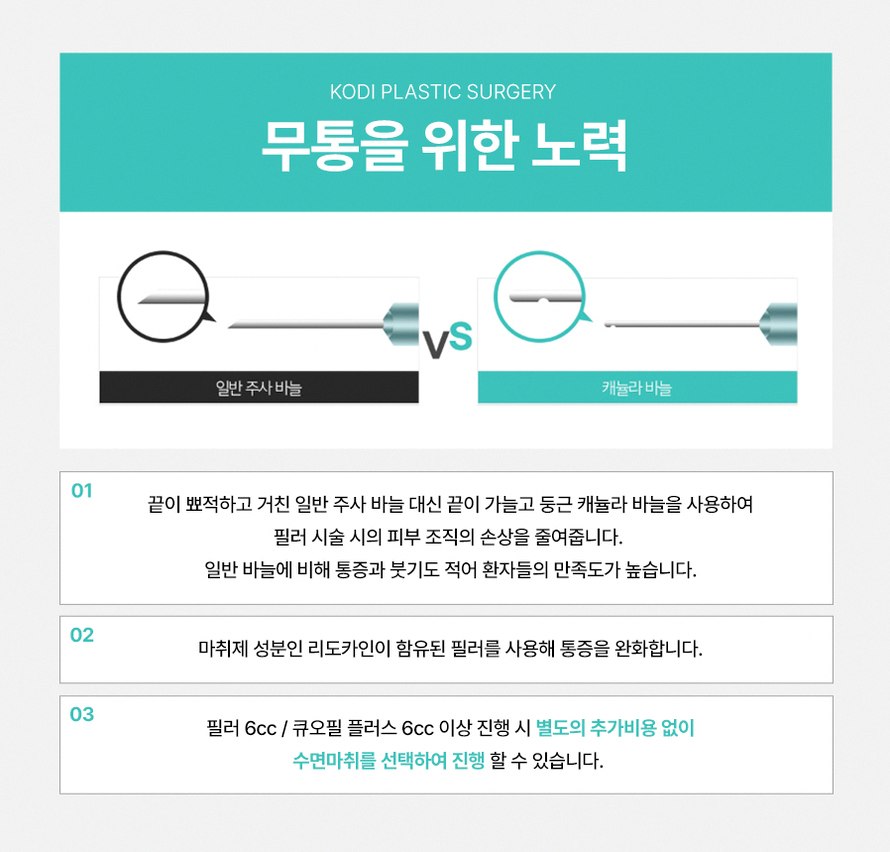
During the procedure, the skin is cleansed and, in many cases, a topical anesthetic cream is applied to reduce discomfort. The doctor then injects the filler according to the plan, often in small, controlled amounts. They may gently mold or press the area to refine the shape as they go, checking the profile and front view repeatedly.
After the injections, you will usually check the result in a mirror immediately. The doctor will explain what part is swelling, what is actual filler height, and what minor asymmetries may improve as swelling settles. You will receive instructions about aftercare and a recommended follow‑up schedule, especially if you are staying in Korea for several days.
Safety, risks, and why injector experience matters
Although nose filler is non‑surgical, it is still a medical procedure with real risks. The nose has important blood vessels that connect to the face and around the eyes. If filler is accidentally injected into or compresses a blood vessel, it can cause serious complications such as vascular occlusion, skin damage, or, in rare cases, visual problems.
More common minor side effects include temporary swelling, redness, bruising, and mild tenderness at the injection sites. These usually improve over several days. However, any sudden severe pain, color change (such as whitening or darkening of the skin), or visual disturbance requires urgent medical attention.
Because of these risks, anatomical knowledge and careful technique are critical. Safe practice usually involves conservative dosing, injecting slowly in small amounts, and constantly monitoring skin color and patient feedback. Step‑by‑step injection with frequent checks is much safer than large, fast injections.
Clinics with structured monitoring systems and an anesthesiology specialist on staff can support safer practice and emergency response, even for minimally invasive procedures like fillers. At KODI PLASTIC SURGERY, for example, the presence of an on‑site anesthesiology and pain medicine specialist helps strengthen monitoring and safety protocols.
When you consult any clinic, it is reasonable to ask what type of filler they use, whether it is hyaluronic acid and reversible, and what emergency protocols they have in place. You can also ask how often the doctor performs nose fillers and what they do if they suspect a vascular complication.
Choosing a Gangnam clinic for nose filler
Gangnam and nearby Seocho‑gu have many clinics offering nose filler, so it helps to have clear criteria. You may want to look for clinics with plastic surgeons who regularly perform nose and facial fillers, and who can show you a portfolio of before‑and‑after photos while explaining what was realistically possible in each case.
It can be helpful to choose a clinic where fillers are a main focus rather than a side service. A dedicated facial filler center with a detailed lineup by area (nose, forehead, cheeks, chin, under‑eye, nasolabial folds, lips, and so on) is often better prepared to design a nose filler plan that fits your whole face rather than treating the nose in isolation.
For international or foreign‑resident patients, practical factors matter as well. Clinics located on or near Gangnam‑daero in Seocho‑gu are convenient for subway access and short visits between other activities. Multilingual website support in English, Chinese, and Japanese can make it easier to understand procedures, fill out forms, and communicate your goals.
When comparing clinics, try not to decide based only on price. Nose filler is a high‑risk area compared with some other filler sites because of the blood vessel anatomy. Expertise, safety systems, and clear communication should come before cost. During online or in‑person consultations, you can prepare a checklist of questions about filler type, reversibility, safety protocols, and realistic expectations.
Nose filler versus surgical rhinoplasty
Nose filler and surgical rhinoplasty can both change the appearance of the nose, but they work in very different ways and suit different goals.

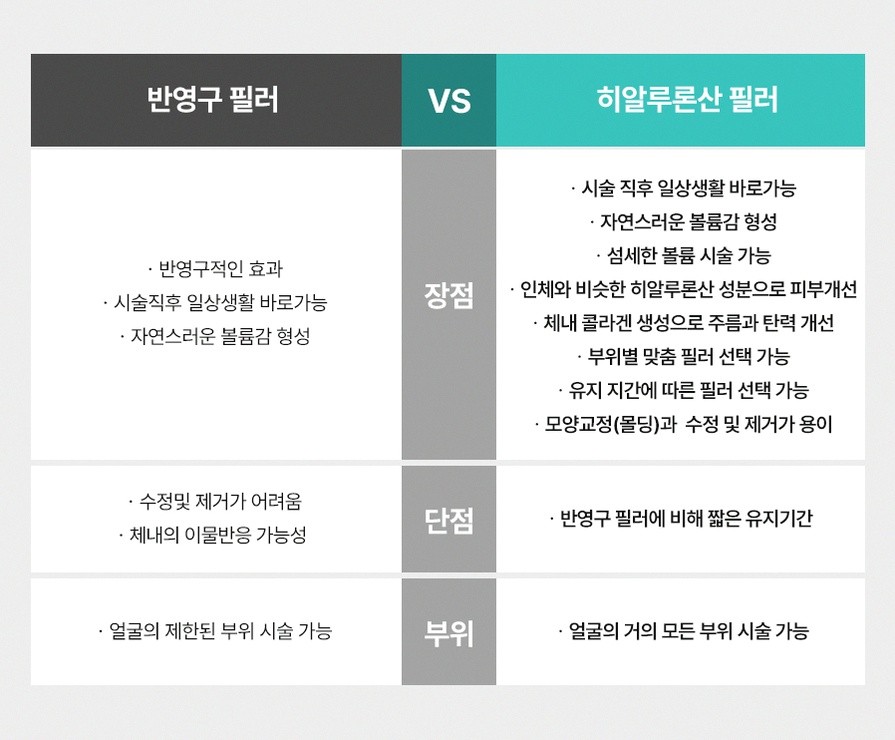
The main advantages of fillers are that they are non‑surgical, usually quick to perform, involve short downtime, and are reversible when hyaluronic acid is used. They are well suited for subtle to moderate enhancements, such as raising a low bridge, smoothing a mild hump, or refining the profile for photos.
Surgical rhinoplasty, on the other hand, allows permanent structural changes. It can reduce bone and cartilage, narrow a wide nose, reshape a large or drooping tip, and address some functional breathing issues. However, it involves anesthesia, incisions, more swelling and bruising, and a longer recovery period.
Many people in Gangnam choose to start with fillers to explore what kind of nose height and profile they like. After living with the filler result for some time, they may decide whether they need surgery for more dramatic or permanent changes. When making this decision, it is useful to consider the degree of change you want, your budget over time (repeated fillers versus one‑time surgery), and how much downtime you can accept.
Expected Korea visit timeline for overseas patients
If you are visiting Seoul specifically for nose filler, the timeline is usually fairly short.
On day one, you may arrive at the clinic, complete registration, and have a face‑to‑face consultation. If both you and the doctor agree to proceed, the nose filler procedure is typically fairly quick and can often be completed within a short clinic visit, depending on local protocols and individual treatment planning.
Mild swelling or redness is common in the first one to three days. If possible, staying in Korea for at least a couple of days after the procedure allows time for a quick follow‑up check before you fly home. If that is not possible, you can arrange online follow‑up, sending photos so the clinic can monitor your progress.

For visitors planning multiple procedures, such as combining nose filler with other facial fillers, the clinic may suggest spacing them within the same trip. A clinic located centrally in Gangnam or Seocho‑gu makes it easier to fit these visits between sightseeing or business meetings.
Online consultation and pre‑visit preparation
Before you travel, an online consultation can save time and help you decide whether nose filler is suitable. Most clinics will ask for clear photos of your face from the front, 45‑degree angle, and full side profile. Natural lighting and a neutral expression are best so the doctor can see your real contours.
In your message, it helps to describe what bothers you most about your nose, what kind of change you hope for, and whether you are open to other facial fillers if they are recommended for balance. You should also mention any previous nose procedures, fillers, or surgeries, as well as medical conditions, allergies, and medications.
Prepare a list of questions in advance, such as how much change is realistic in your case, how long the clinic expects the result to last, what aftercare is needed, and what warning signs you should watch for. This checklist‑style approach helps you compare clinics and avoid missing important points during a short consultation.
Aftercare tips to maintain nose filler effects
Right after the procedure, you will usually be advised not to press or massage the nose unless your doctor specifically instructs it. Avoid wearing heavy glasses that press directly on the bridge for a short period, as this pressure can affect the filler shape while it is still settling.
Intense exercise, saunas, and very hot baths are often discouraged for the first day or two, as they can increase blood flow and swelling. Light daily activities and office work are usually possible the same or next day, depending on how you feel.

You should monitor the area for any unusual symptoms. Mild tenderness, swelling, and small bruises are common, but severe pain, skin color changes, or visual disturbances are warning signs that require immediate contact with the clinic or emergency care.
In the longer term, general health factors such as smoking, sun exposure, and overall skin condition can influence how long fillers last. Regular follow‑up appointments, either in person or online, allow the doctor to check symmetry, plan small touch‑ups if needed, and discuss whether your goals have changed.
Frequently asked questions about Gangnam nose filler effects
How much can nose filler actually raise the bridge?
In most cases, nose filler is used to create a modest and natural increase in bridge height rather than an extreme change. The safe amount depends on your original nose shape, skin thickness, and facial proportions. The goal is usually to create a smooth, continuous line that matches your forehead and chin rather than to chase a specific millimeter number.
Will people notice that I had nose filler done?
People who know you well may notice that your nose looks more defined or that your side profile appears smoother in photos. However, when nose filler is done conservatively and in harmony with your overall face, it often looks like a natural improvement rather than obvious cosmetic work. A conservative, well‑matched filler approach often yields a subtle, natural improvement that can be perceived as a refreshed appearance.
Is nose filler painful and how long is the downtime?
Most clinics use topical anesthetic cream and sometimes fillers that contain a local anesthetic to reduce discomfort. You may still feel brief pressure or stinging during injections, but the procedure is usually short. Downtime is typically minimal: mild swelling or bruising can last a few days, but many people return to daily activities the same or next day.
Can nose filler be removed if I do not like the result?
If a hyaluronic acid filler is used, it can generally be dissolved with an enzyme called hyaluronidase. This can be helpful if you are unhappy with the shape, if there is an irregularity, or if a complication is suspected. It is important to confirm in advance that the clinic is using hyaluronic acid fillers and that they have dissolving agents and protocols available.

Is it safe to keep repeating nose filler for years?
Long‑term safety depends on proper intervals, appropriate product choice, and experienced injectors who avoid overfilling. Repeated injections without enough time between sessions, or adding filler on top of old product without proper assessment, can increase the risk of irregularities or tissue stress. Regular consultations and honest discussions about whether to continue fillers or consider other options are important.
Soft call to action
If you are considering nose filler while visiting Gangnam or staying in Seoul, an online consultation can help you understand what kind of change is realistic for your nose and lifestyle. Clinics like KODI PLASTIC SURGERY, with a dedicated focus on facial fillers and multilingual support, can review your photos in advance and suggest a plan that fits your schedule.
Before you decide, take time to compare clinics, ask detailed questions about safety and expectations, and choose a team you feel comfortable communicating with. A careful, informed approach is the best way to enjoy the subtle but meaningful effects that nose filler can offer.




- 공유 링크 만들기
- X
- 이메일
- 기타 앱


댓글
댓글 쓰기